
Fyodor Dostoyevsky
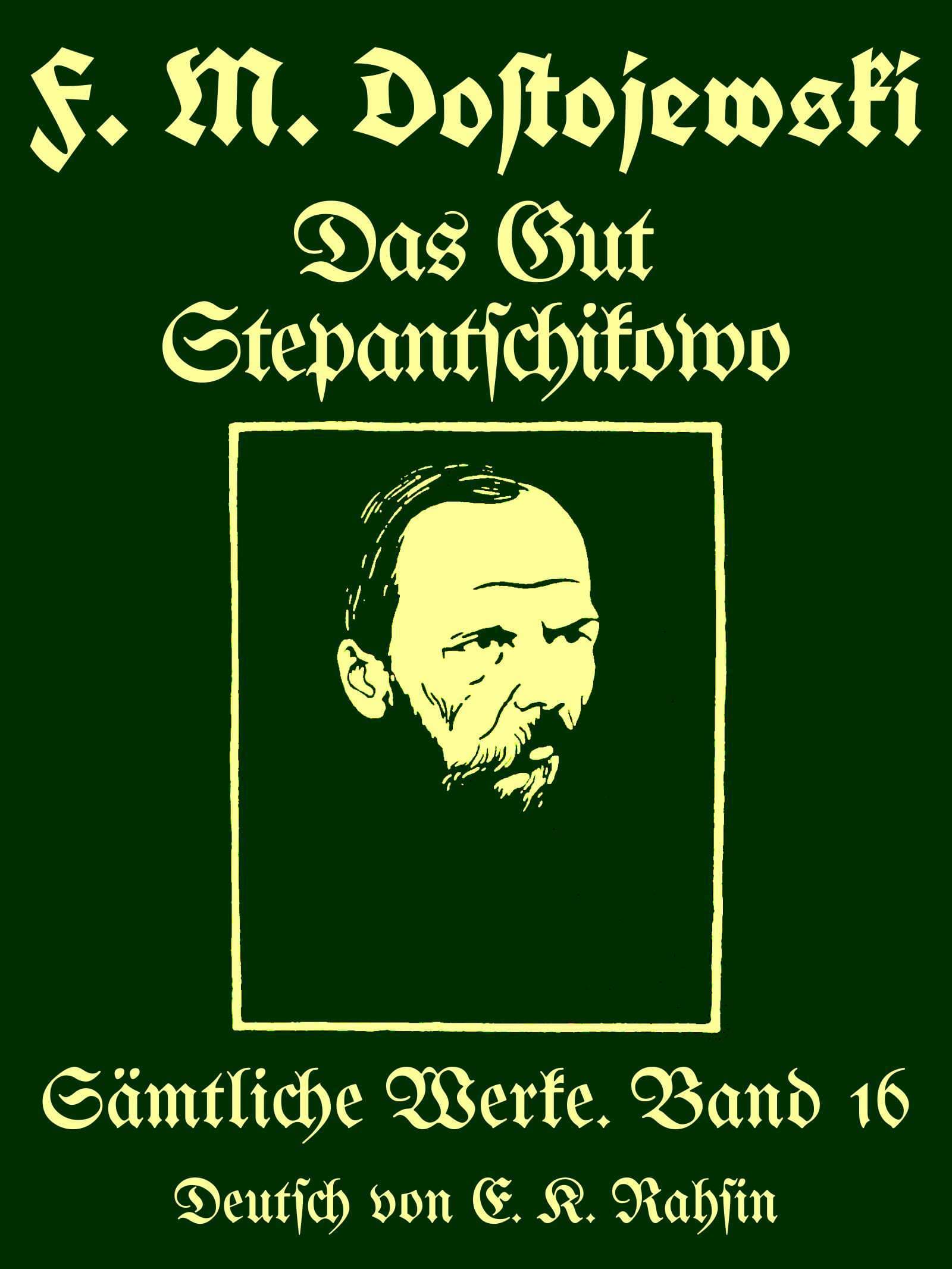
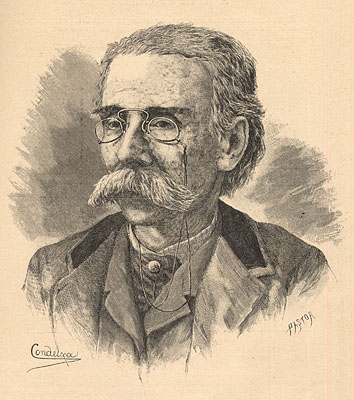
Fyodor Dostoevsky was a prominent Russian novelist, short story writer, essayist, and journalist, widely regarded as one of the greatest literary figures in both Russian and world literature. Born in Moscow, he was exposed to literature early on, but his life took a dramatic turn after the death of his mother when he was just 15. Following his education at the Nikolayev Military Engineering Institute, Dostoevsky initially worked as an engineer. However, his literary ambitions led him to write his first novel, Poor Folk, which opened doors to the literary circles of Saint Petersburg. His career was interrupted by his arrest in 1849 for his involvement with the Petrashevsky Circle, a group that discussed banned literature. He faced a death sentence that was commuted at the last moment, leading to four years in a Siberian prison camp and subsequent military service in exile. Dostoevsky's experiences profoundly influenced his writing, which delved into the complexities of the human condition against the backdrop of 19th-century Russia's political and social turmoil. His major works, including Crime and Punishment, The Idiot, Demons, The Brothers Karamazov, and the groundbreaking novella Notes from Underground, explored themes of morality, free will, and existential angst. His narratives often grappled with philosophical and religious questions, making him a precursor to existentialism. Despite personal struggles, including a gambling addiction and financial difficulties, Dostoevsky's literary output was prolific and impactful, earning him a lasting legacy. His works have inspired countless writers and thinkers, including Nietzsche and Camus, and continue to be translated into numerous languages, solidifying his place as a cornerstone of literary history.
Famous Quotes
View all 20 quotes“I love mankind, he said, "but I find to my amazement that the more I love mankind as a whole, the less I love man in particular.””
“The mystery of human existence lies not in just staying alive, but in finding something to live for.””
Books from the author






Link to this page
Add a free, dofollow link to Lex on your blog, forum, syllabus, or reading list.

<a href="https://lex-books.com/author/fyodor-dostoyevsky"><img src="https://lex-books.com/badges/read-on-lex.svg" alt="Fyodor Dostoyevsky on Lex" width="160" height="40"></a>[](https://lex-books.com/author/fyodor-dostoyevsky)[url=https://lex-books.com/author/fyodor-dostoyevsky][img]https://lex-books.com/badges/read-on-lex.svg[/img][/url]Fyodor Dostoyevsky on Lex: https://lex-books.com/author/fyodor-dostoyevsky