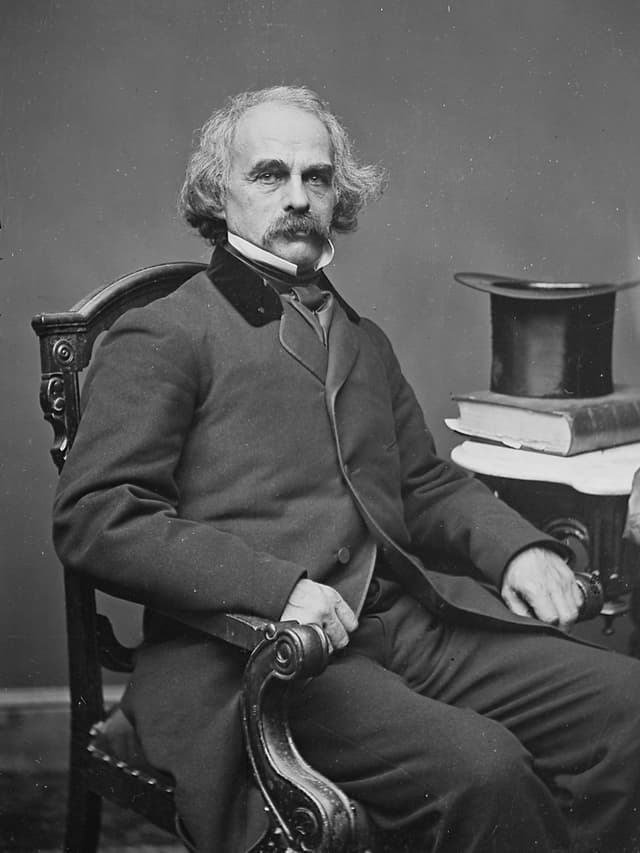
Nathaniel Hawthorne
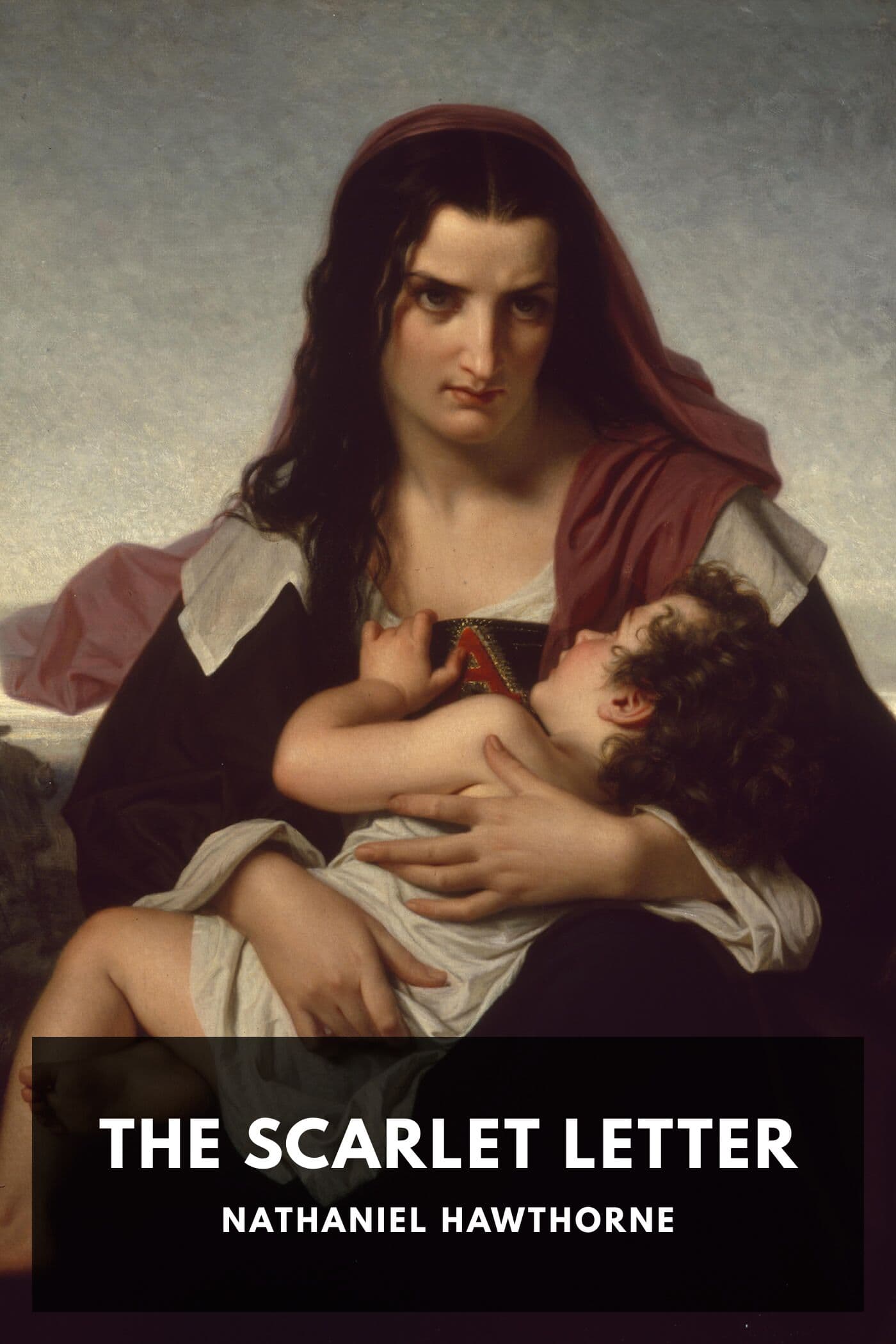
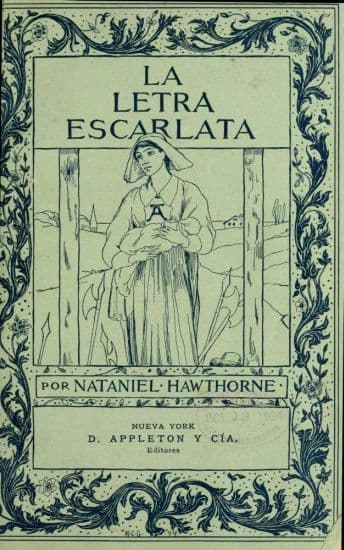
Nathaniel Hawthorne was an influential American novelist and short story writer, known for his exploration of themes such as morality, sin, and the complexities of human nature. Born in Salem, Massachusetts, he was deeply connected to the region's Puritan past, which significantly influenced his literary work. After graduating from Bowdoin College in 1825, Hawthorne published his first novel, Fanshawe, in 1828, though he later sought to suppress it due to its perceived shortcomings. His early career included a collection of short stories titled Twice-Told Tales, published in 1837, which garnered attention and established his reputation as a writer. In 1842, he married Sophia Peabody, and the couple moved to various locations in Massachusetts, including Concord, where they became part of the intellectual community that included figures like Ralph Waldo Emerson and Henry David Thoreau. Hawthorne's most notable work, The Scarlet Letter, published in 1850, is a seminal exploration of guilt and redemption set against the backdrop of Puritan New England. His writing is often associated with the Romantic movement, particularly dark romanticism, characterized by its focus on the darker aspects of human experience. Other significant works include The House of the Seven Gables and The Blithedale Romance, which further delve into themes of moral complexity and the human condition. Hawthorne's legacy endures as a pivotal figure in American literature, whose works continue to be studied for their psychological depth and moral inquiry, reflecting the struggles of humanity in the face of societal and personal dilemmas.
Famous Quotes
View all 18 quotes“Happiness is like a butterfly which, when pursued, is always beyond our grasp, but, if you will sit down quietly, may alight upon you.””
Books from the author









Link to this page
Add a free, dofollow link to Lex on your blog, forum, syllabus, or reading list.

<a href="https://lex-books.com/author/nathaniel-hawthorne"><img src="https://lex-books.com/badges/read-on-lex.svg" alt="Nathaniel Hawthorne on Lex" width="160" height="40"></a>[](https://lex-books.com/author/nathaniel-hawthorne)[url=https://lex-books.com/author/nathaniel-hawthorne][img]https://lex-books.com/badges/read-on-lex.svg[/img][/url]Nathaniel Hawthorne on Lex: https://lex-books.com/author/nathaniel-hawthorne