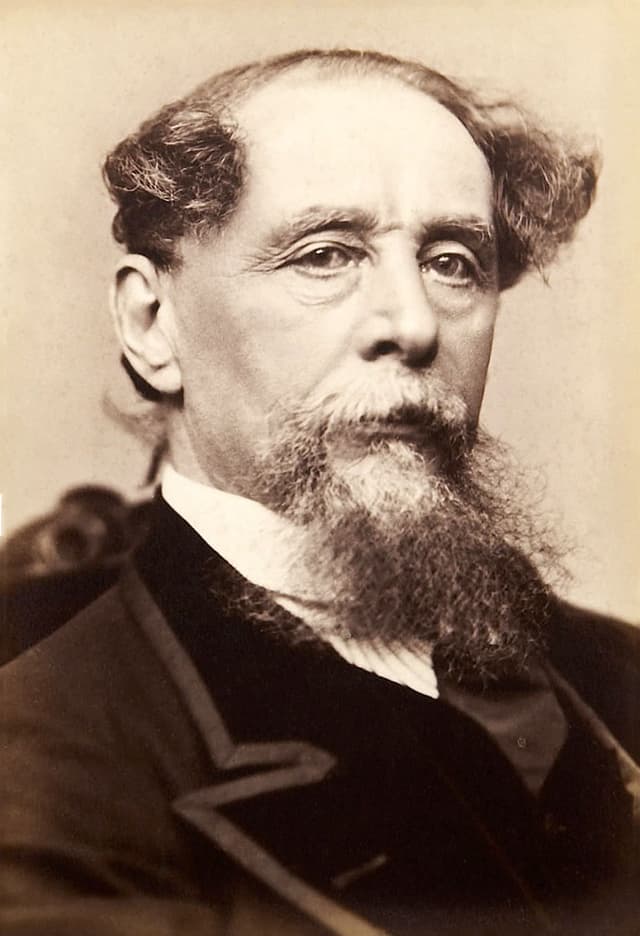
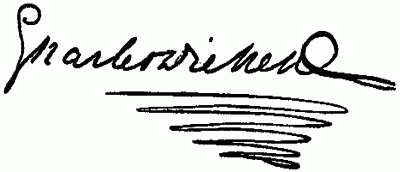
Charles Dickens
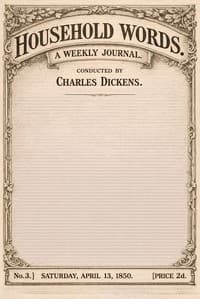
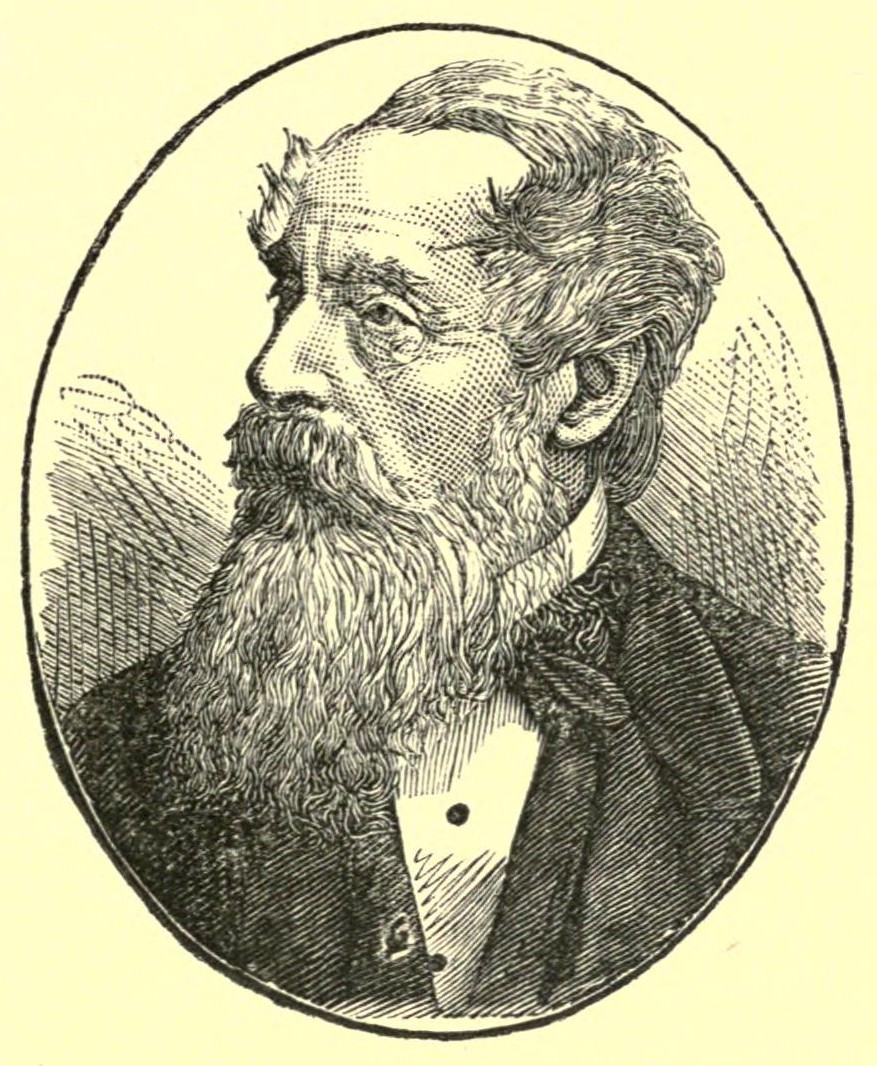
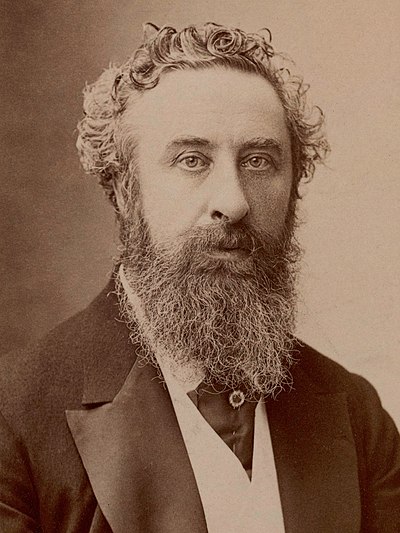
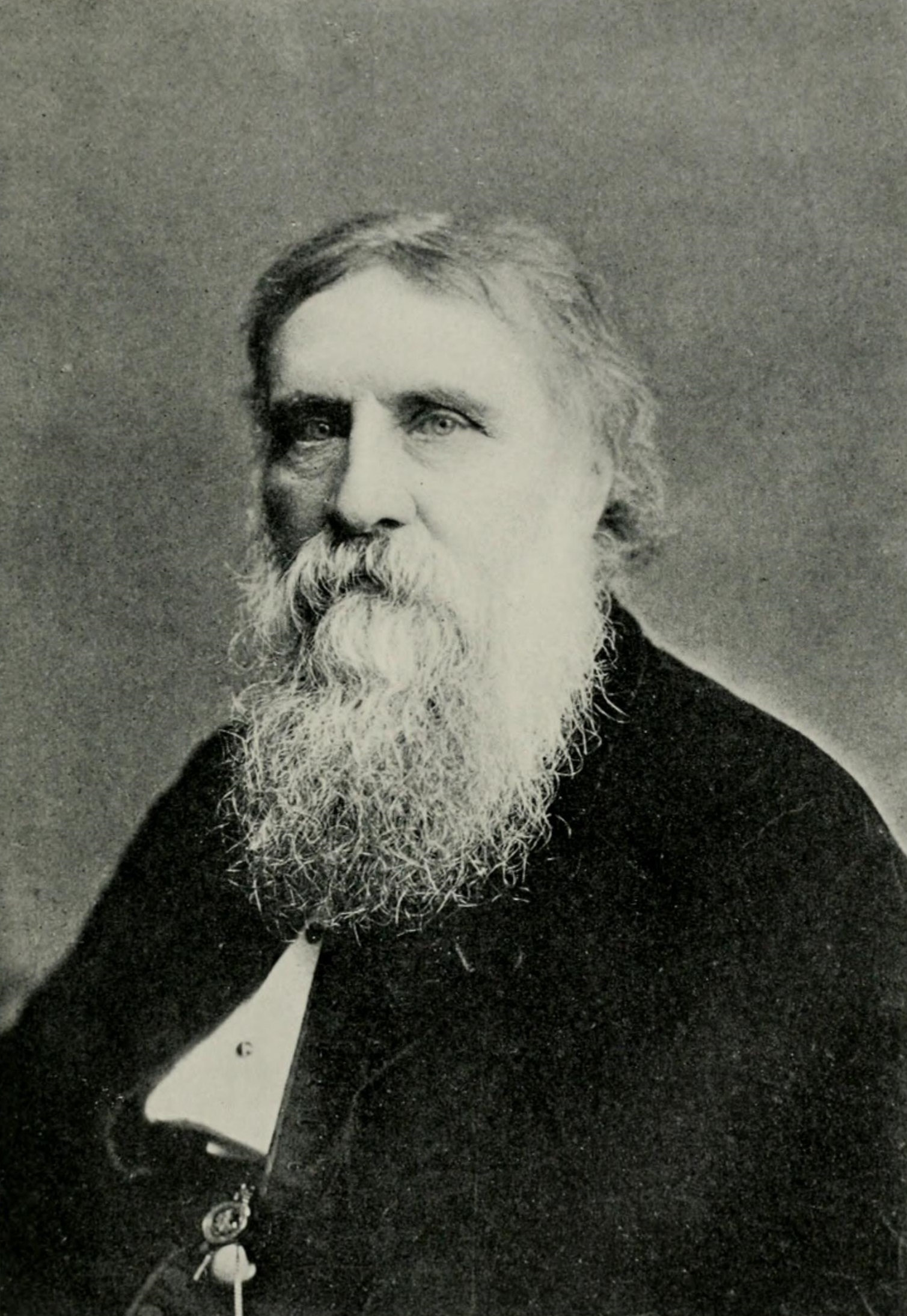
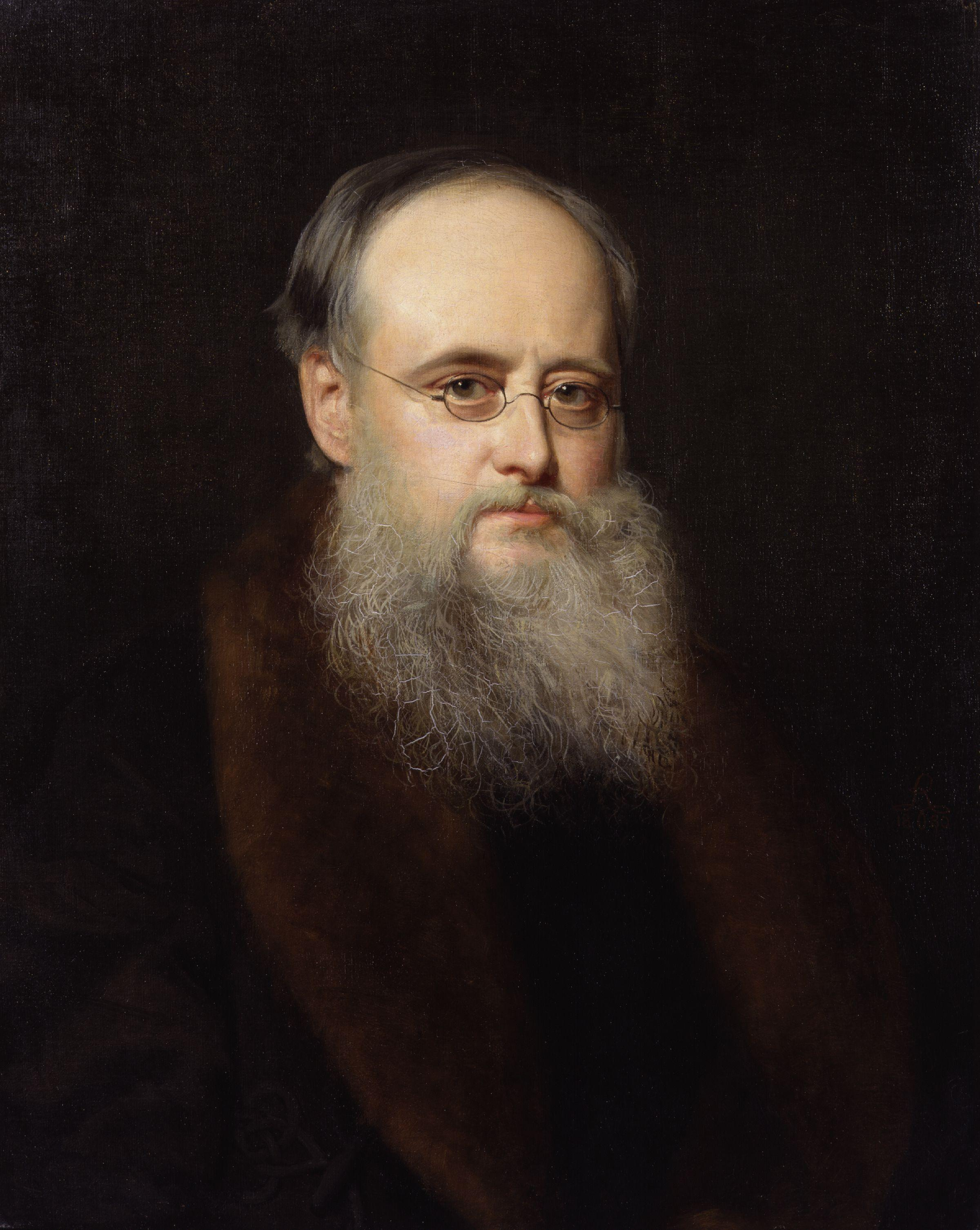
Charles Dickens was an English novelist and social critic, celebrated as one of the greatest writers of the Victorian era. Born in Portsmouth, he faced hardship early in life when his father was imprisoned for debt, forcing him to leave school at the age of twelve to work in a boot-blacking factory. This experience of poverty and social injustice would profoundly influence his writing. Dickens began his literary career as a journalist, eventually editing a weekly journal for two decades. His breakthrough came with the serial publication of 'The Pickwick Papers' in 1836, which captivated readers and established him as a literary sensation. Dickens's ability to create memorable characters, such as Ebenezer Scrooge and Oliver Twist, alongside his keen observations of society, allowed him to address pressing social issues like poverty and child labor through his work. Over his lifetime, Dickens produced 15 novels, including 'Great Expectations,' 'David Copperfield,' and 'A Tale of Two Cities,' as well as numerous short stories and nonfiction articles. His innovative use of serial publication kept readers eagerly anticipating each installment, allowing him to gauge public reaction and adapt his narratives accordingly. Dickens's legacy endures not only through his beloved characters and intricate plots but also through his advocacy for social reform, particularly in education and children's rights. His works continue to be widely read and studied, solidifying his place as a pivotal figure in English literature.
Famous Quotes
View all 20 quotes“There is nothing in the world so irresistibly contagious as laughter and good humor.””
“I loved her against reason, against promise, against peace, against hope, against happiness, against all discouragement that could be.””
“Never close your lips to those whom you have already opened your heart.””
Books from the author
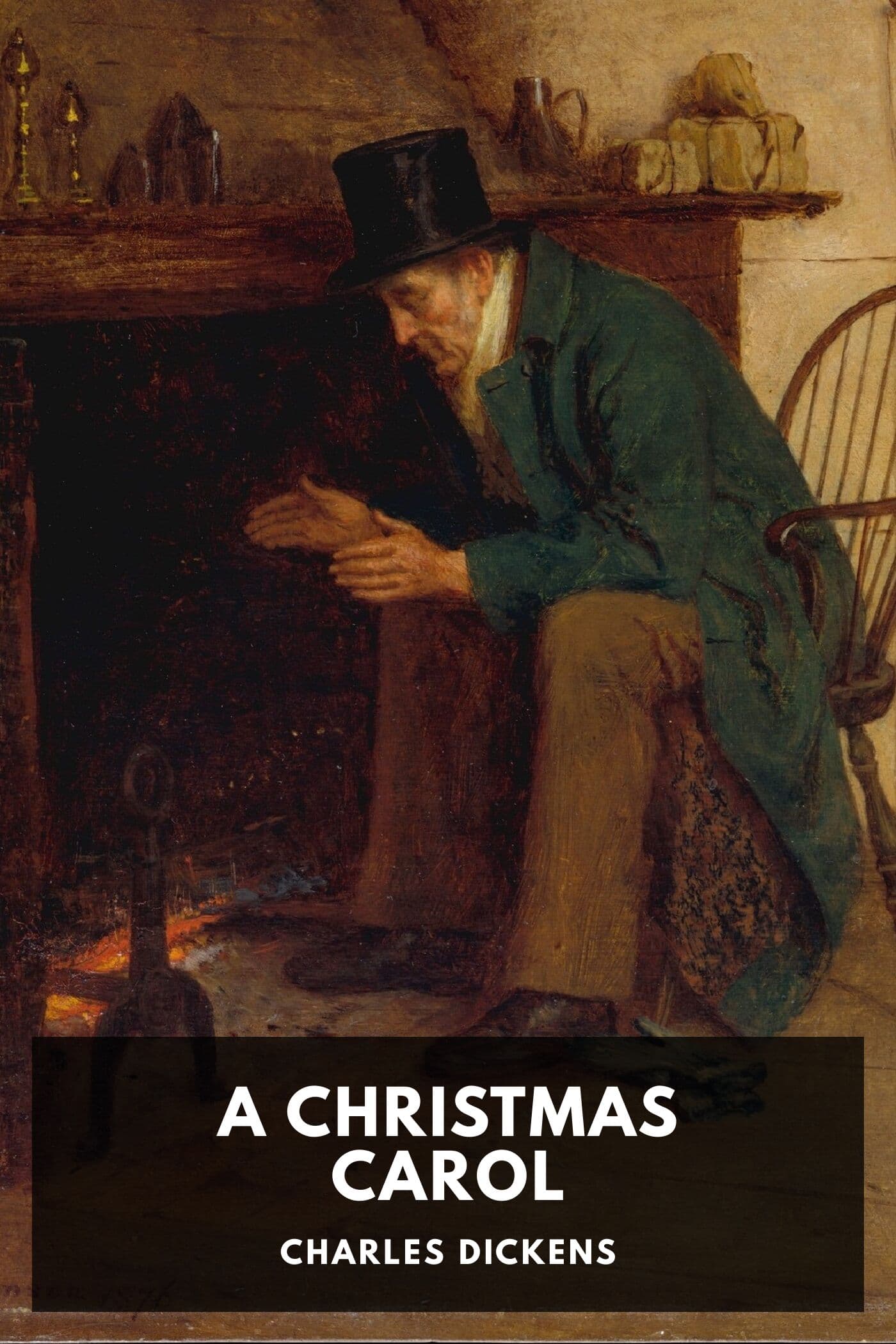
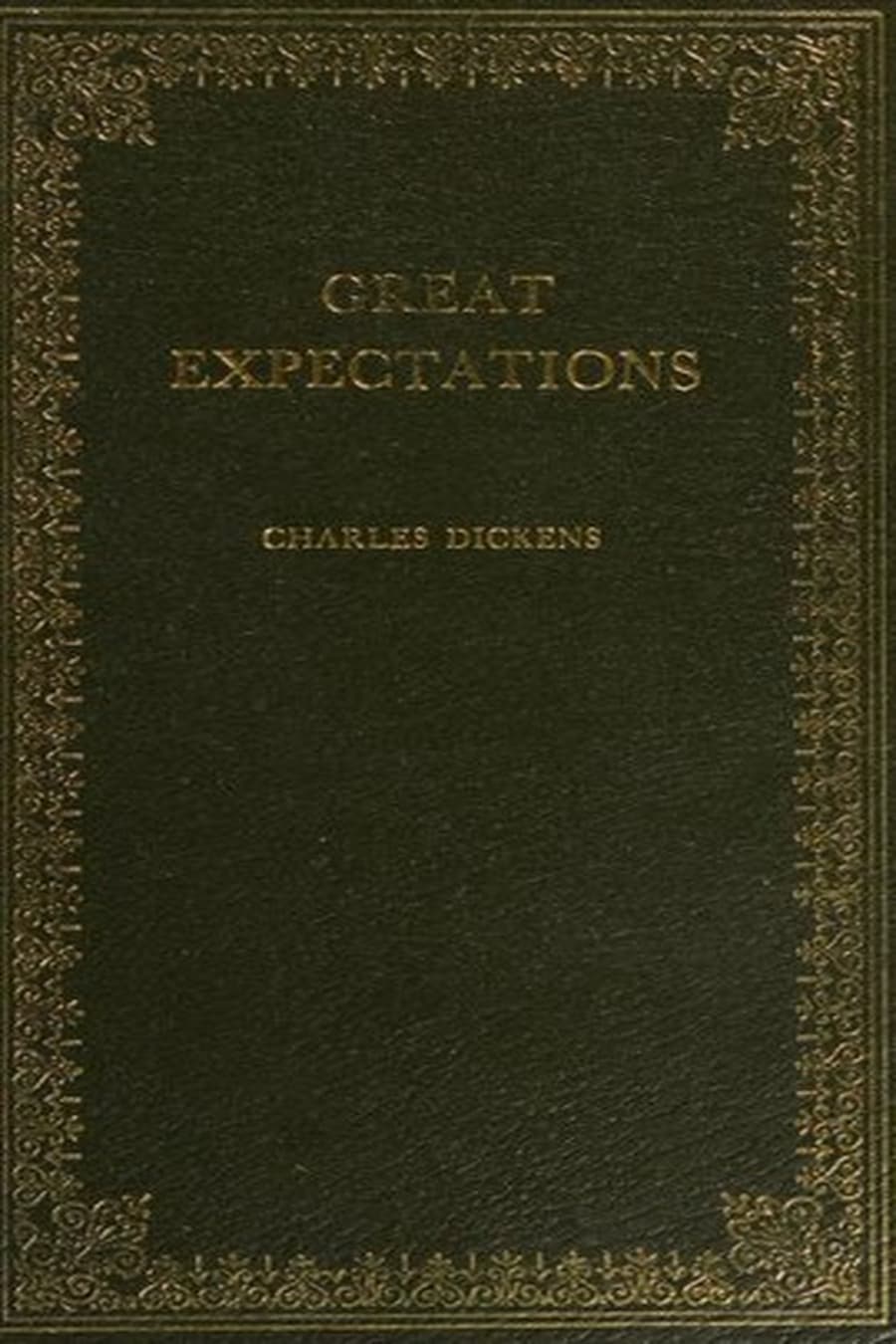


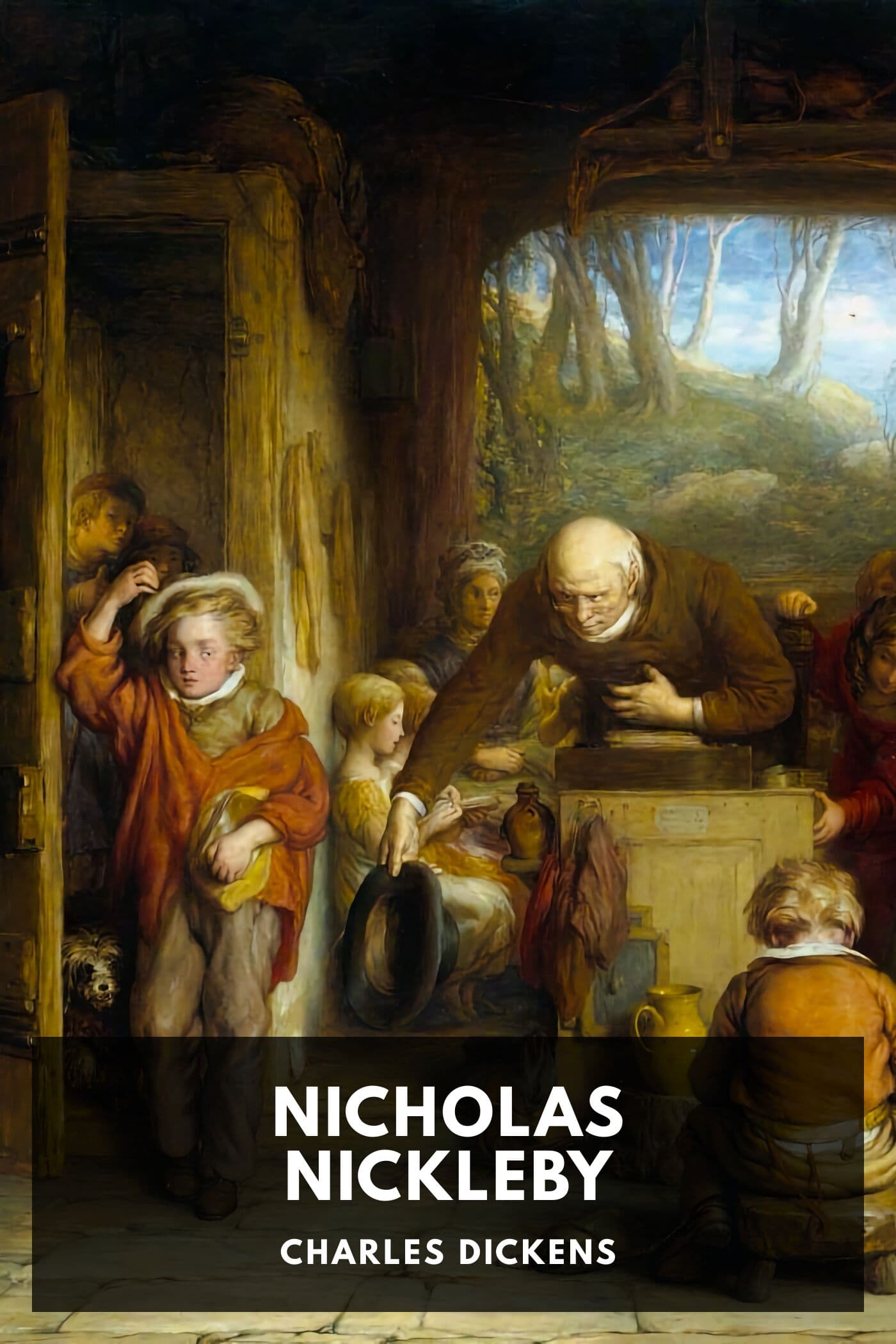

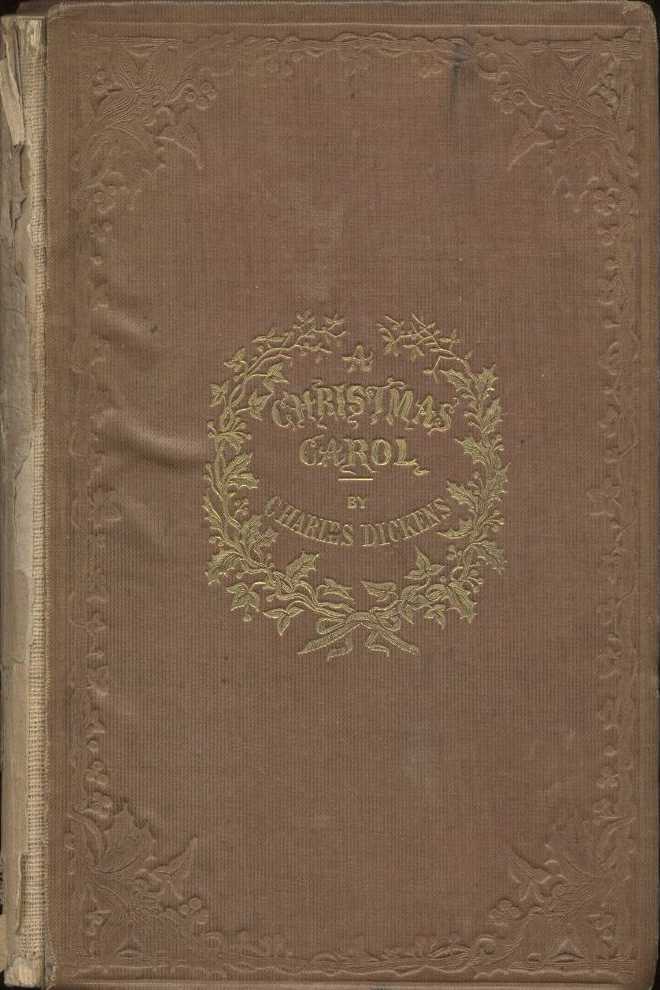
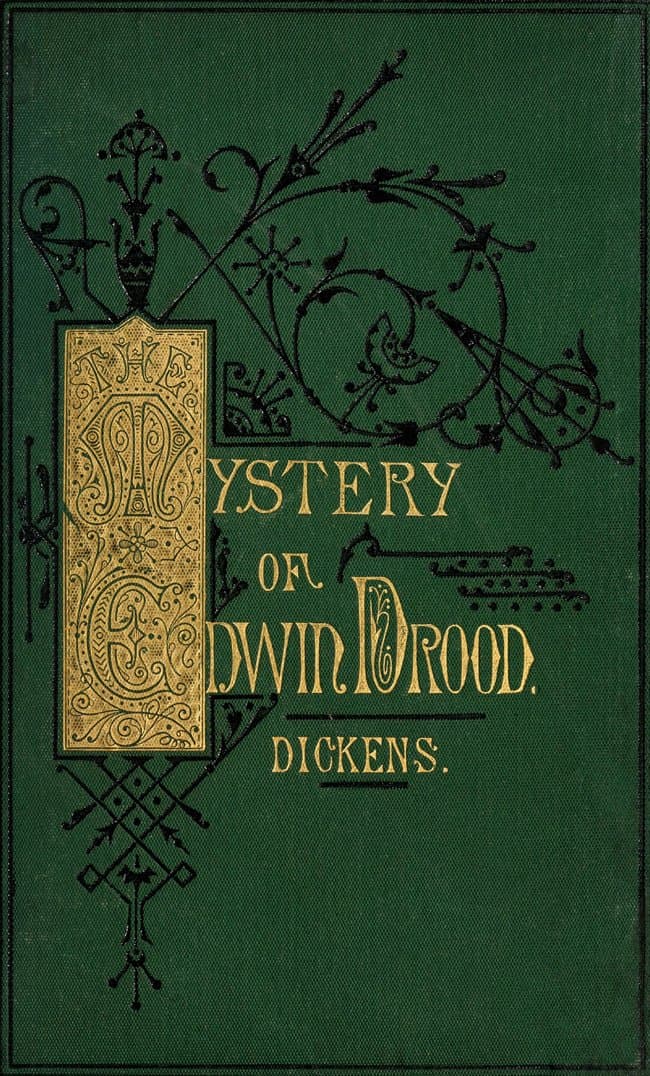

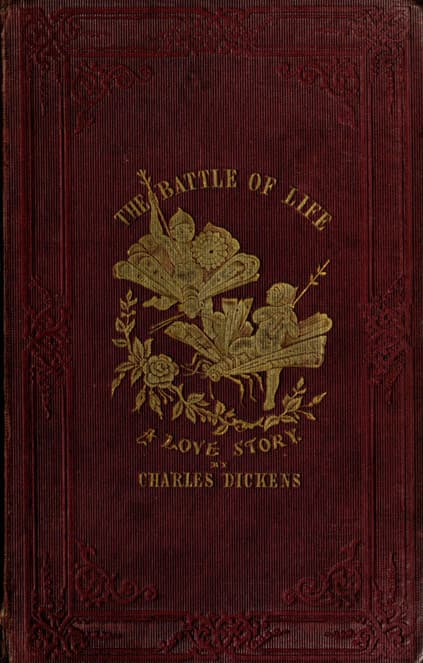
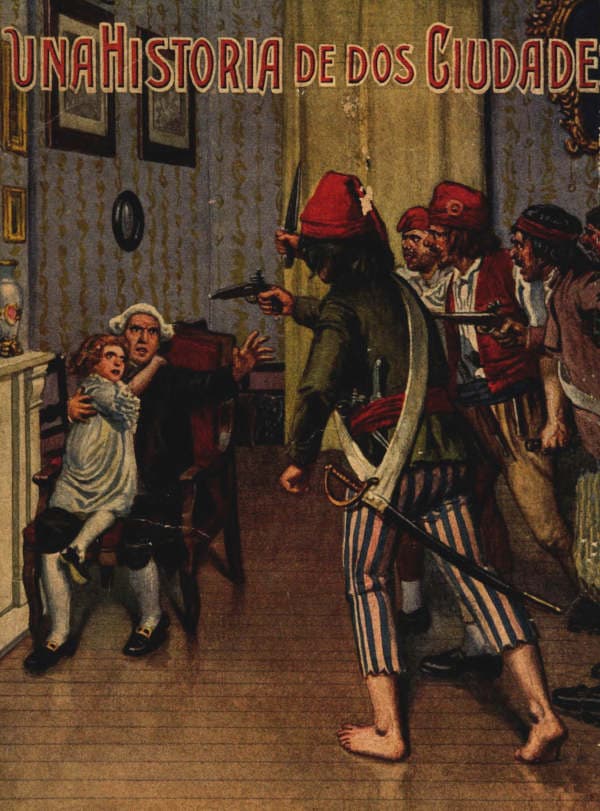



Link to this page
Add a free, dofollow link to Lex on your blog, forum, syllabus, or reading list.

<a href="https://lex-books.com/author/charles-dickens"><img src="https://lex-books.com/badges/read-on-lex.svg" alt="Charles Dickens on Lex" width="160" height="40"></a>[](https://lex-books.com/author/charles-dickens)[url=https://lex-books.com/author/charles-dickens][img]https://lex-books.com/badges/read-on-lex.svg[/img][/url]Charles Dickens on Lex: https://lex-books.com/author/charles-dickens