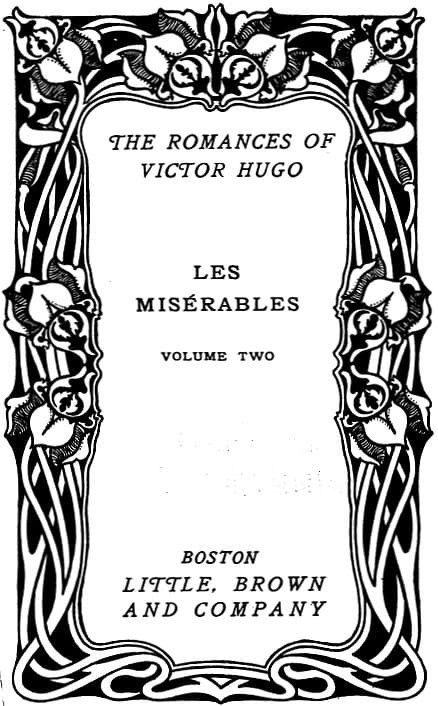
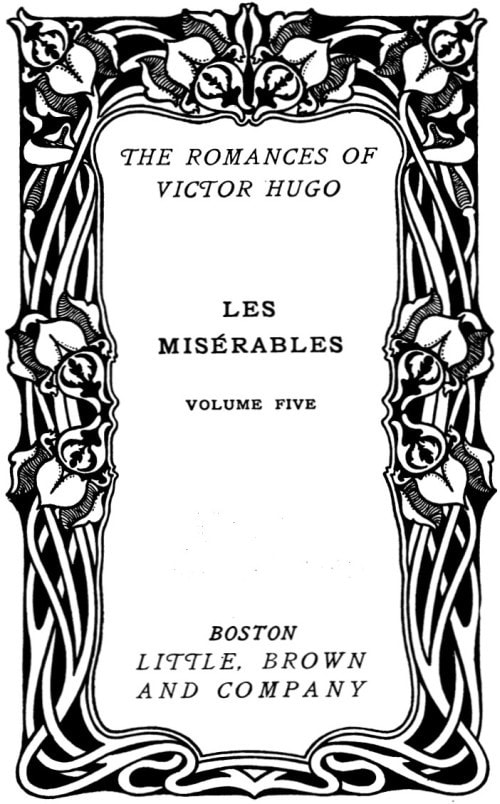
Les Misérables, V. 5/5: Jean Valjean
1862
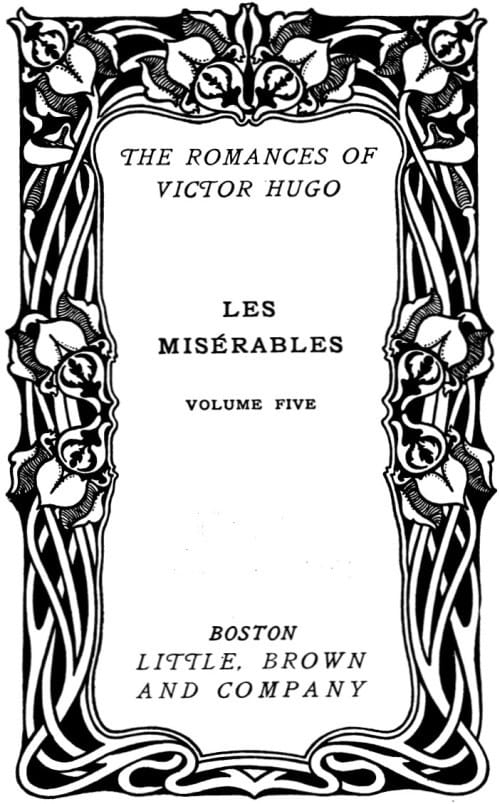
Les Misérables, V. 5/5: Jean Valjean
1862
Translated by Lascelles, Sir Wraxall
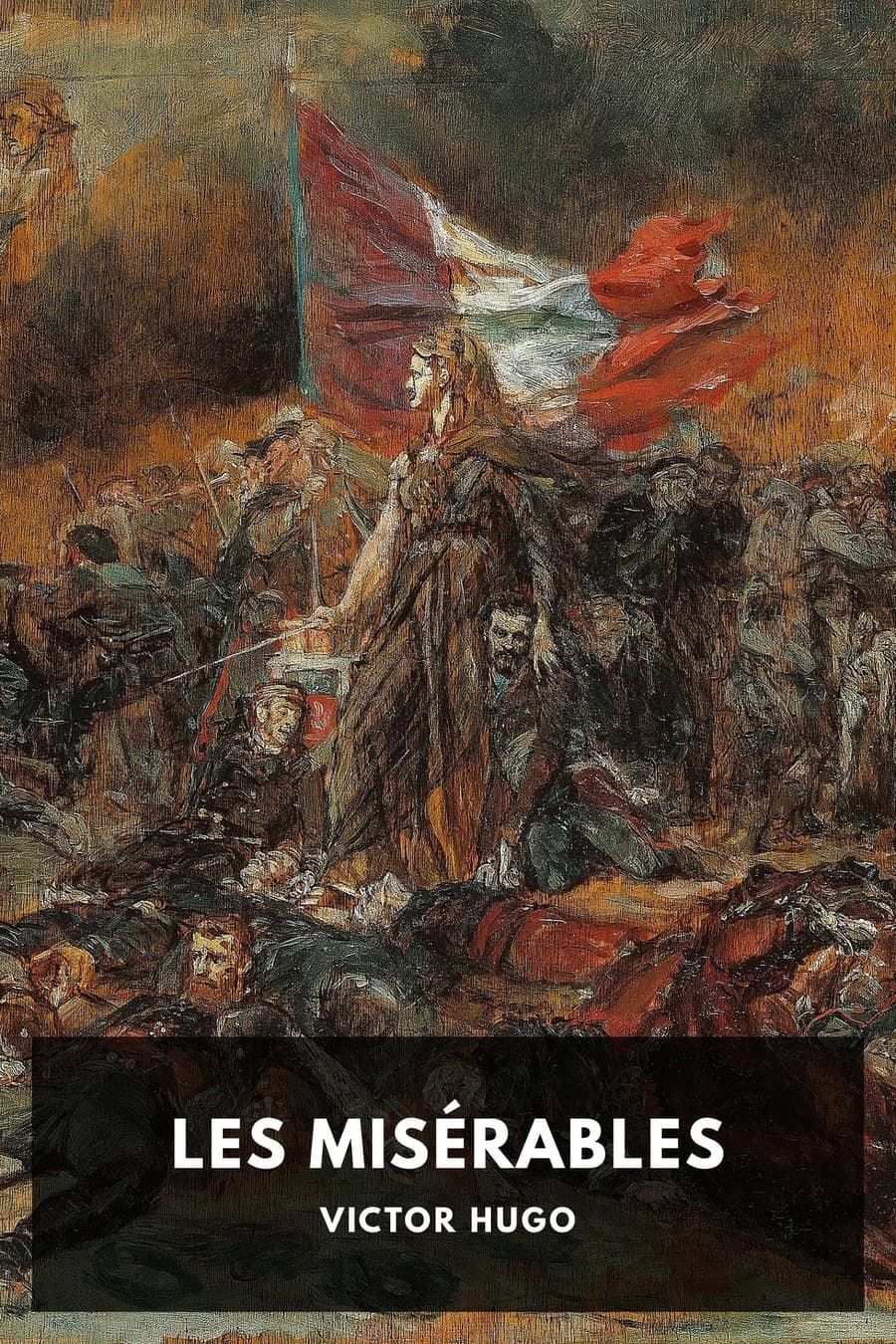
The final movement of Victor Hugo's epic opens on the barricades of the June 1848 uprising, where students rise against a regime that has forgotten them. Enjolras leads his friends toward a dawn they will not see. Javert stalks the narrow streets, hunting the man he has pursued for two decades. And Jean Valjean, caught between the world he fled and the world demanding his courage, must choose what he is willing to die for. This is Hugo at his most ferocious and tender: the sewers where one man carries another through darkness toward light; the moral collapse of a policeman who cannot reconcile the world's cruelty with a convict's mercy; the quiet devastation of a life spent in grace. The characters Hugo first introduced as symbols have become fully human, flawed and frightened and brave in ways that still ache centuries later. Those who reach this volume find not an ending but a culmination. Every sacrifice, every kindness, every wound converges. Les Misérables is ultimately about whether mercy can survive in a world built for punishment, and this final volume asks the question without easy answers.
Editions
X-Ray
“في ما مضى سرقت رغيفا لكي أعيش ,لكنني اليوم أسرق اسما لكي اعيش .””
— Victor Hugo
“That figure stood for a long time wholly in the light; this arose from a certain legendary dimness evolved by the majority of heroes, and which always veils the truth for a longer or shorter time; but to-day history and daylight have arrived.That light called history is pitiless; it possesses this peculiar and divine quality, that, pure light as it is, and precisely because it is wholly light, it often casts a shadow in places where people had hitherto beheld rays; from the same man it constructs two different phantoms, and the one attacks the other and executes justice on it, and the shadows of the despot contend with the brilliancy of the leader. Hence arises a truer measure in the definitive judgments of nations. Babylon violated lessens Alexander, Rome enchained lessens Caesar, Jerusalem murdered lessens Titus, tyranny follows the tyrant. It is a misfortune for a man to leave behind him the night which bears his form.””
— Victor Hugo
“There can be no vacuum in the human heart. Certain demolitions take place, and it is right they should, on condition that they are followed by reconstructions.””
— Victor Hugo
“Demek insan, vicdanı karşısında her zaman sorumlu oluyor.””
— Victor Hugo
“Söz bir esintidir, o yüzden zekanın titreyişi de yaprakların titreyişine benzer.””
— Victor Hugo
“Mezara yaklaşınca insanın bakış açısı genişler; ölüme yakın olmak gerçeği görmek demektir.””
— Victor Hugo
“Okumayı öğrenmek ışığı yakmaktır, tüm hecelemeler kıvılcımlardır.””
— Victor Hugo
Link to this book
Add a free, dofollow link to Lex on your blog, forum, syllabus, or reading list.

<a href="https://lex-books.com/book/les-mis-rables-v-5-5-jean-valjean-375d8a44-78ae-4026-9b3d-f8be161aee53"><img src="https://lex-books.com/badges/read-on-lex.svg" alt="Read Les Misérables, V. 5/5: Jean Valjean by Victor Hugo free on Lex" width="160" height="40"></a>[](https://lex-books.com/book/les-mis-rables-v-5-5-jean-valjean-375d8a44-78ae-4026-9b3d-f8be161aee53)[url=https://lex-books.com/book/les-mis-rables-v-5-5-jean-valjean-375d8a44-78ae-4026-9b3d-f8be161aee53][img]https://lex-books.com/badges/read-on-lex.svg[/img][/url]Read Les Misérables, V. 5/5: Jean Valjean by Victor Hugo free on Lex: https://lex-books.com/book/les-mis-rables-v-5-5-jean-valjean-375d8a44-78ae-4026-9b3d-f8be161aee53Cite this book
Reading this edition for a paper or guide? Copy a citation.
Hugo, Victor. Les Misérables, V. 5/5: Jean Valjean. Lex, lex-books.com/book/les-mis-rables-v-5-5-jean-valjean-375d8a44-78ae-4026-9b3d-f8be161aee53.Hugo, V. (1862). Les Misérables, V. 5/5: Jean Valjean. Lex. https://lex-books.com/book/les-mis-rables-v-5-5-jean-valjean-375d8a44-78ae-4026-9b3d-f8be161aee53Hugo, Victor. Les Misérables, V. 5/5: Jean Valjean. Lex. https://lex-books.com/book/les-mis-rables-v-5-5-jean-valjean-375d8a44-78ae-4026-9b3d-f8be161aee53.