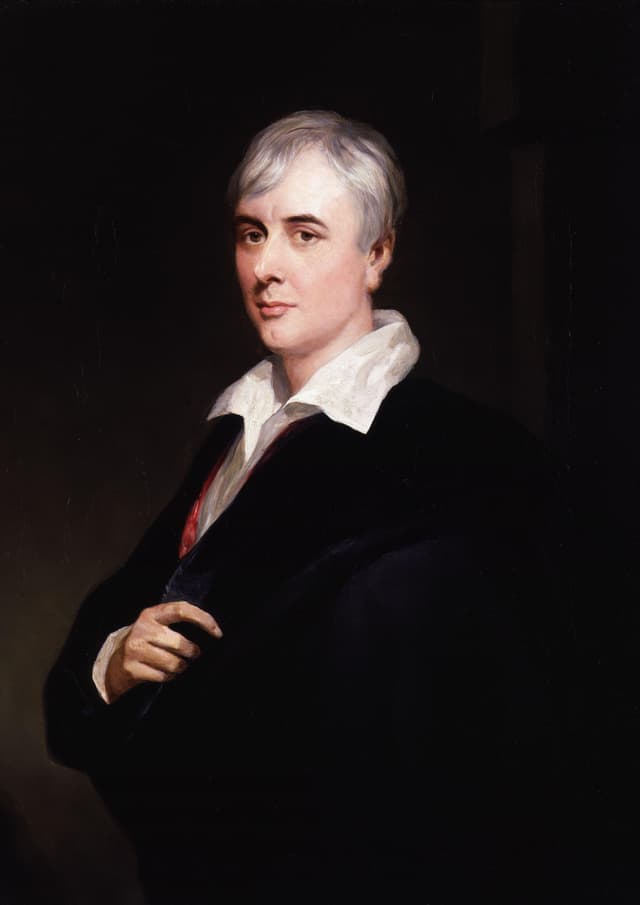
George Borrow
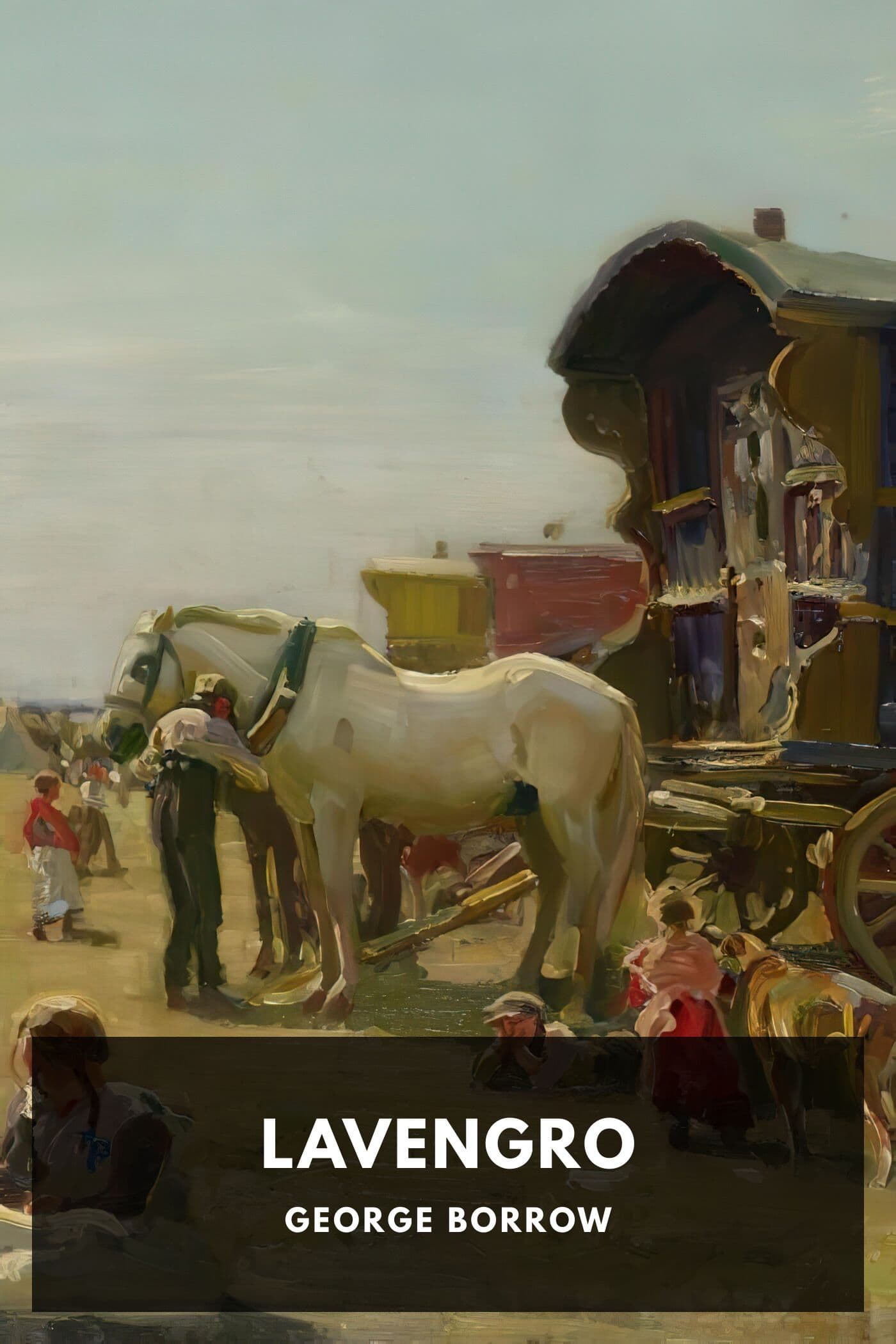
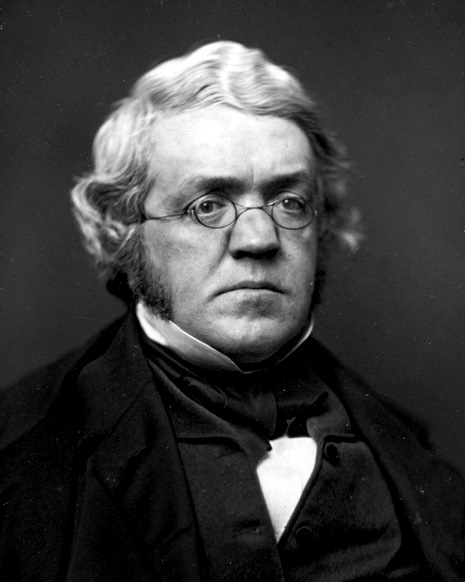
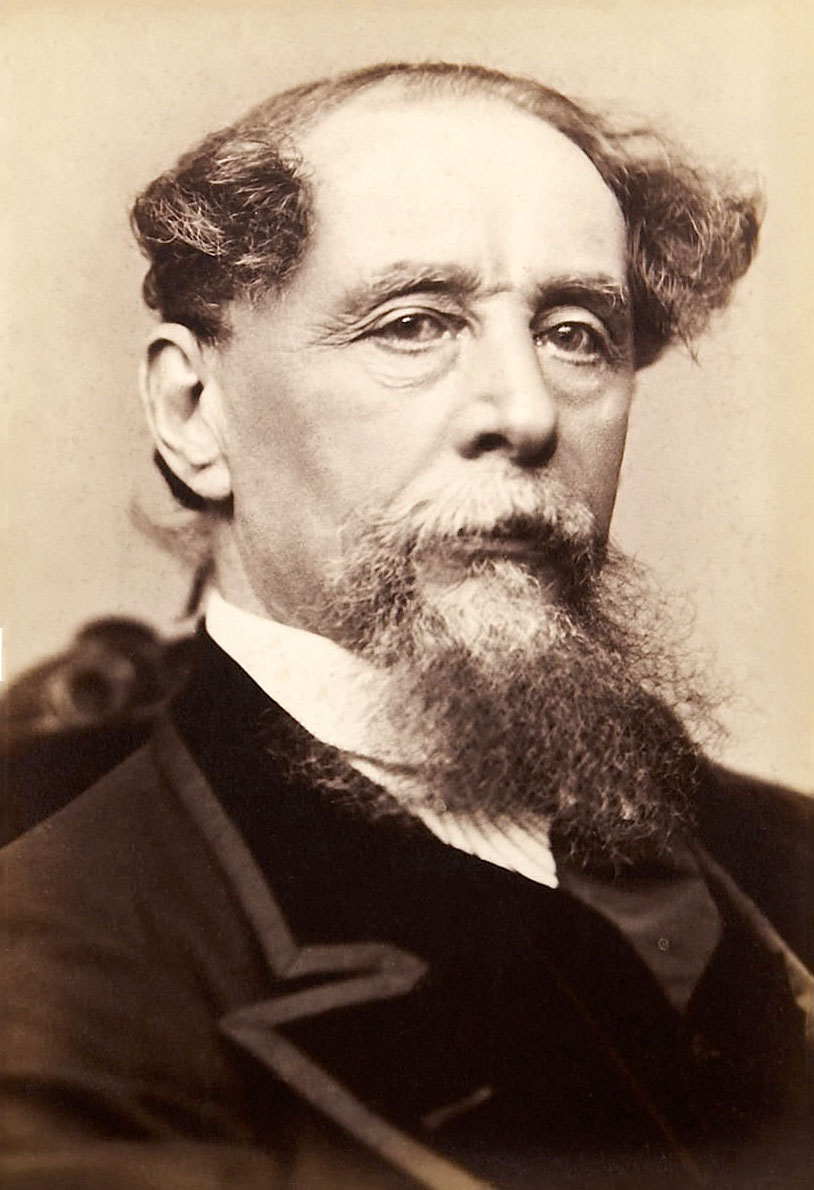
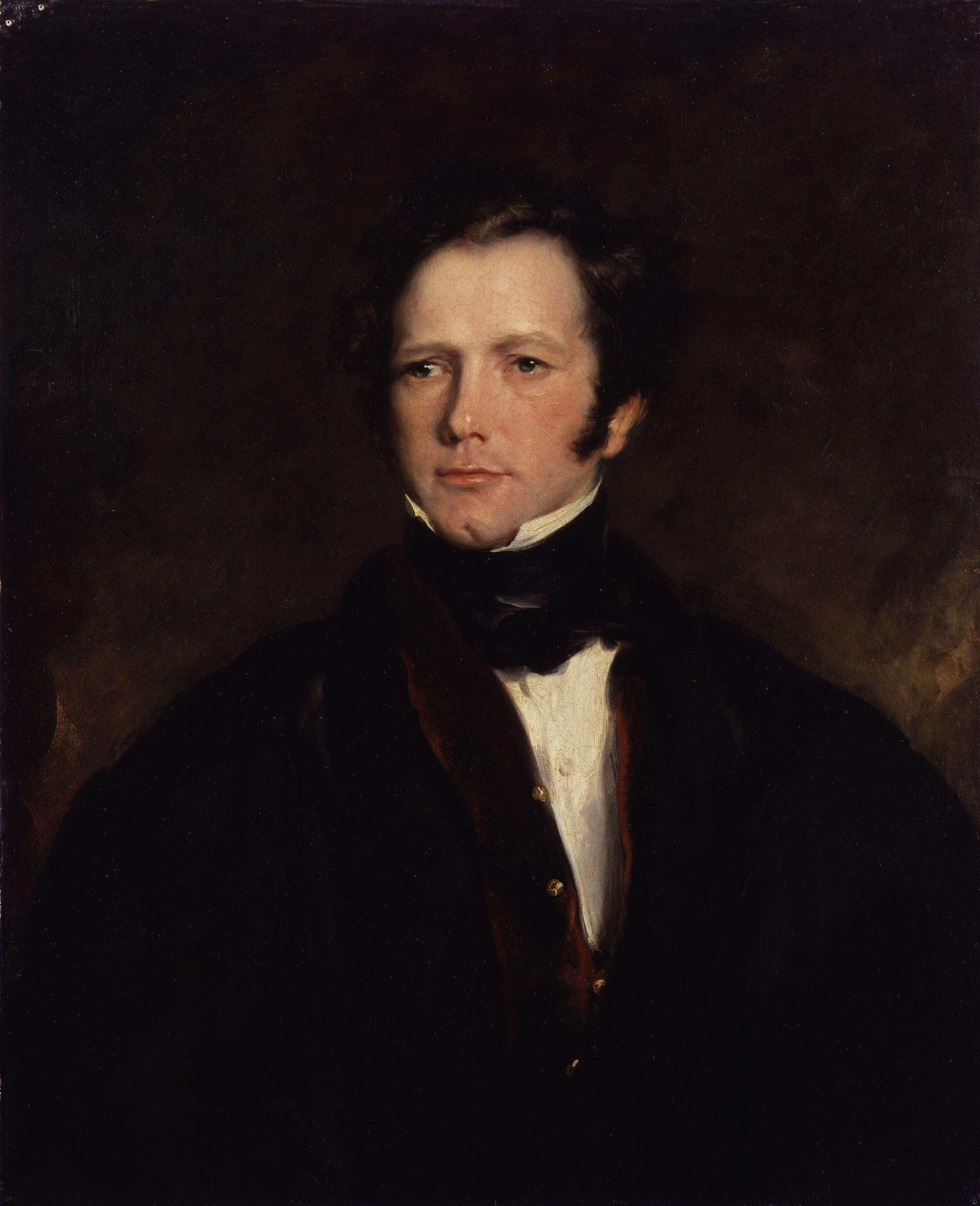
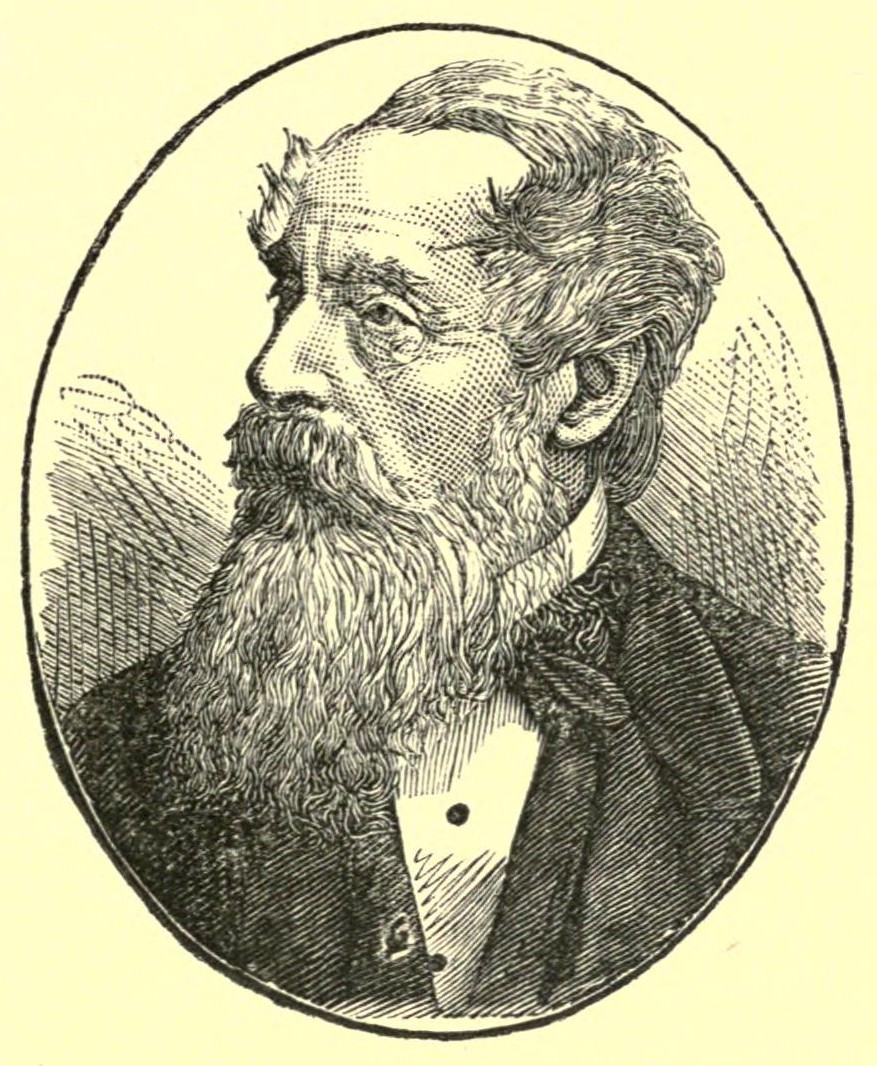
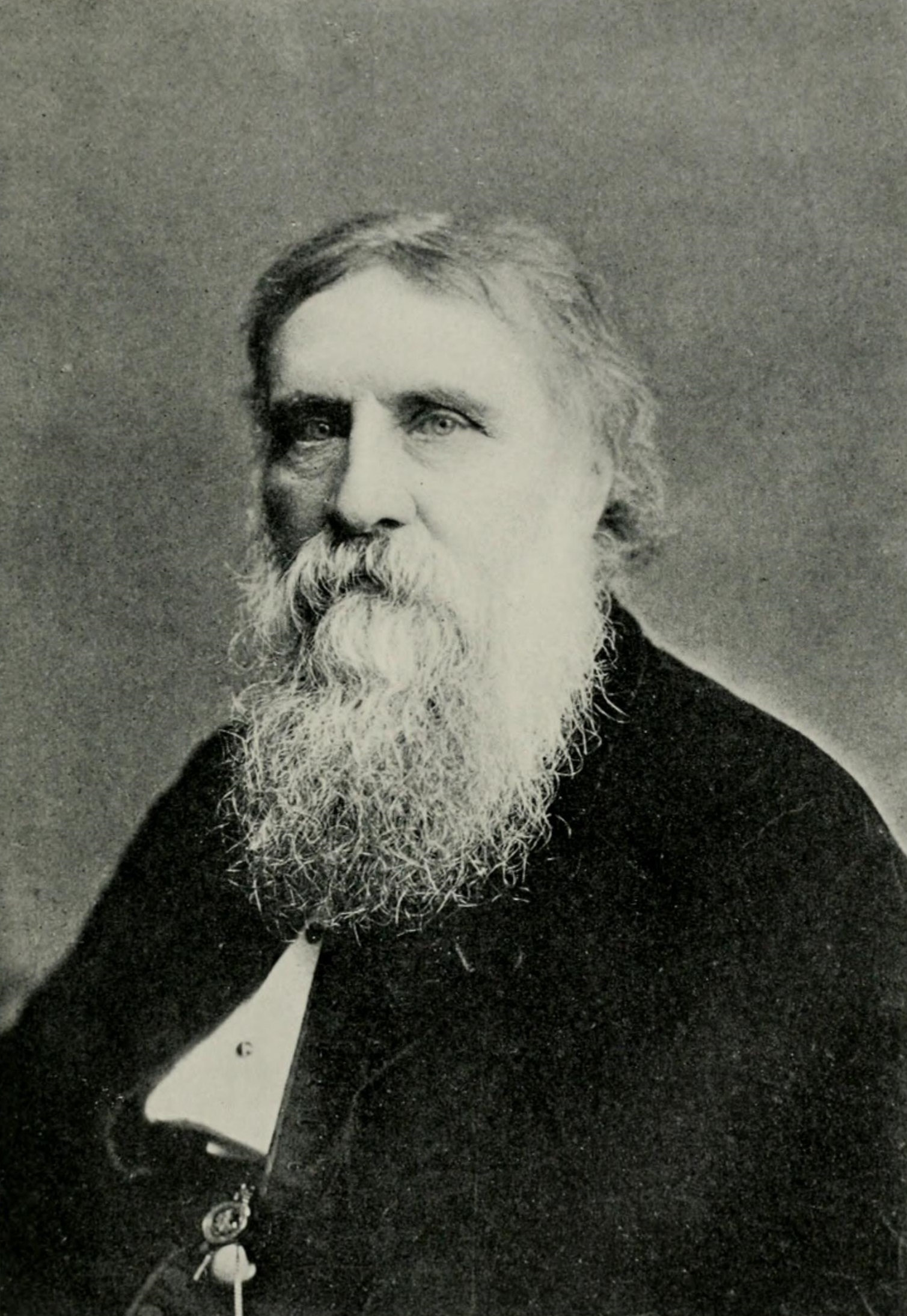
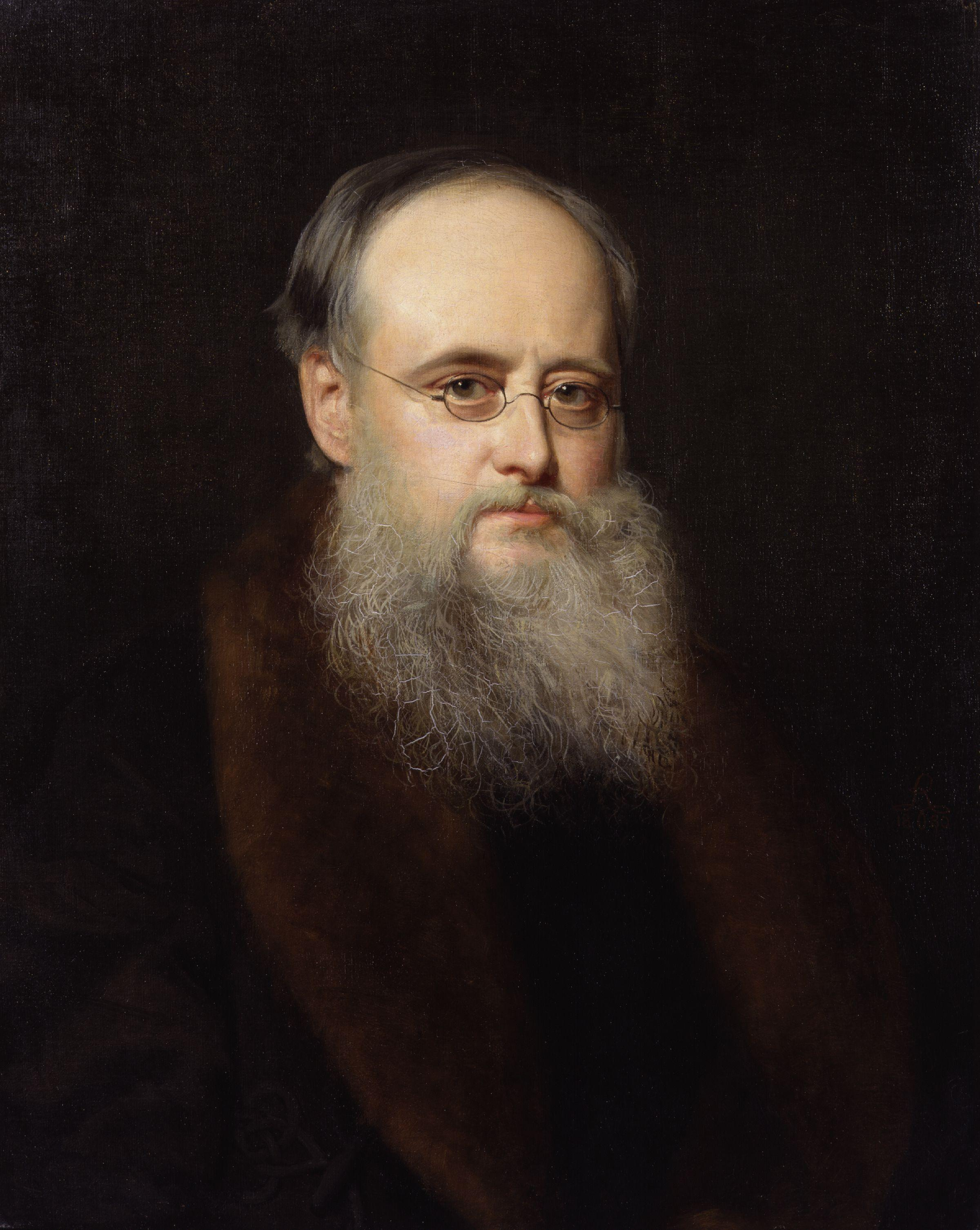
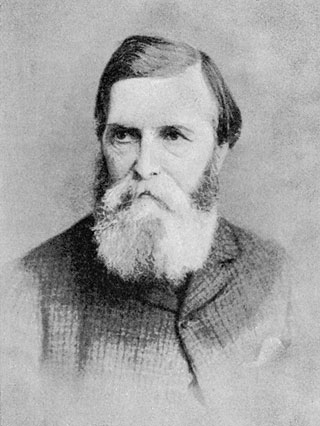
George Borrow was an English writer renowned for his novels and travel narratives that drew heavily from his personal experiences across Europe. Born in 1803, Borrow developed a deep connection with the Romani people, a theme that permeated much of his work. His most celebrated books include 'The Bible in Spain,' which chronicles his journey through the country while exploring the lives of its people and their culture, and the semi-autobiographical novels 'Lavengro' and 'The Romany Rye,' both of which depict his encounters with the English Romanichal, or Gypsies. These works not only reflect Borrow's fascination with the Romani culture but also his broader interest in the complexities of identity and belonging. Borrow's literary significance lies in his ability to blend travel writing with fiction, offering readers a unique perspective on the societies he encountered. His vivid depictions of the Romani people challenged prevailing stereotypes of the time and provided a voice to a marginalized community. Through his explorations and narratives, Borrow contributed to the understanding of cultural diversity in 19th-century Europe, leaving a lasting legacy that continues to influence writers and scholars interested in travel literature and ethnic studies.
Famous Quotes
View all 12 quotes“Worry is the intrest paid by those who borrow trouble.””
“Control your generosity when dealing with a chronic borrower.””
“There's night and day, brother, both sweet things; sun, moon, and stars, brother, all sweet things; there's likewise a wind on the heath. Life is very sweet, brother; who would wish to die?””
Books from the author





![Tales of the Wild and the Wonderful [1825]](/_next/image?url=https%3A%2F%2Fd3b2n8gj62qnwr.cloudfront.net%2FCOVERS%2Fgutenberg_covers75k%2Febook-65597.png&w=3840&q=75)





Link to this page
Add a free, dofollow link to Lex on your blog, forum, syllabus, or reading list.

<a href="https://lex-books.com/author/george-borrow"><img src="https://lex-books.com/badges/read-on-lex.svg" alt="George Borrow on Lex" width="160" height="40"></a>[](https://lex-books.com/author/george-borrow)[url=https://lex-books.com/author/george-borrow][img]https://lex-books.com/badges/read-on-lex.svg[/img][/url]George Borrow on Lex: https://lex-books.com/author/george-borrow