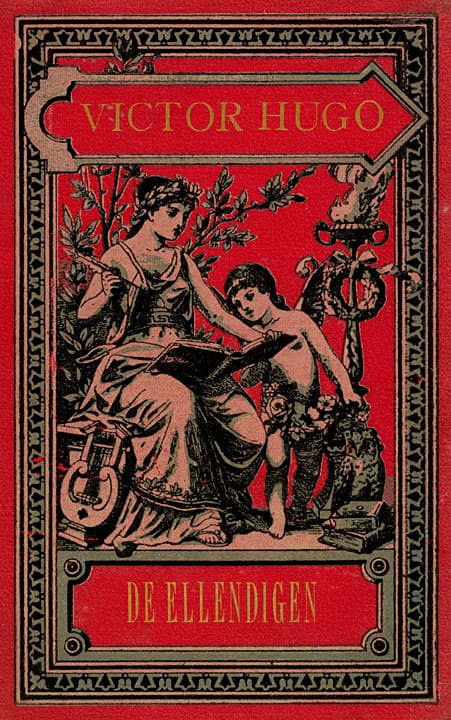
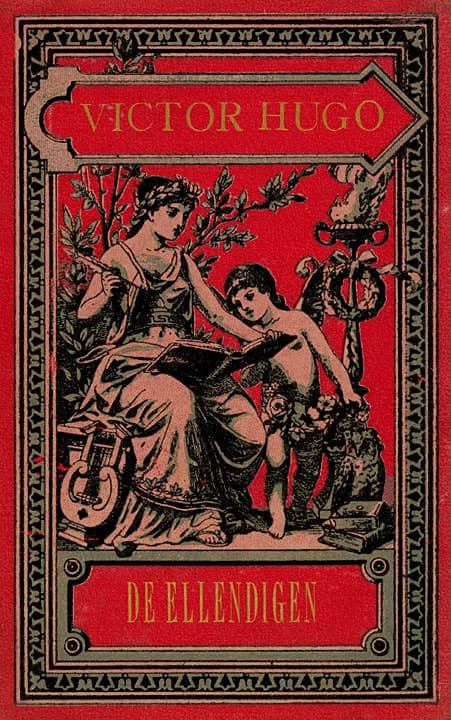
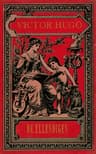
De Ellendigen (deel 4 Van 5)

France, 1831. The revolution that toppled Charles X has given way to the bland reign of Louis-Philippe, and the flame of idealism has not died, it has merely shifted into darker channels. In the cramped streets above Paris, a new generation of rebels gathers: students and dreamers, socialists and secret-society operatives, all convinced that the July Revolution was only the first act. Enjolras, with his marble-cold conviction, leads them toward a baricade that history has not yet written. Victor Hugo charts the political exhaustion of a nation that yearned for freedom and received only a constitutional monarchy, the simmering rage beneath the bourgeois calm, and the terrible mathematics of revolution, how many must die for an idea? This is the novel's most politically charged movement, where Hugo the historian argues with Hugo the poet, and both refuse to yield. It builds toward one of literature's most devastating meditations on what happens when youth, beauty, and conviction meet the indifferent machinery of the state.
Editions
X-Ray
“He never went out without a book under his arm, and he often came back with two.””
— Victor Hugo
“Even the darkest night will end and the sun will rise.””
— Victor Hugo
“What Is Love? I have met in the streets a very poor young man who was in love. His hat was old, his coat worn, the water passed through his shoes and the stars through his soul””
— Victor Hugo
“To love another person is to see the face of God.””
— Victor Hugo
“The power of a glance has been so much abused in love stories, that it has come to be disbelieved in. Few people dare now to say that two beings have fallen in love because they have looked at each other. Yet it is in this way that love begins, and in this way only.””
— Victor Hugo
“It is nothing to die. It is frightful not to live.””
— Victor Hugo
“Not being heard is no reason for silence.””
— Victor Hugo
“Laughter is sunshine, it chases winter from the human face.””
— Victor Hugo
“To love or have loved, that is enough. Ask nothing further. There is no other pearl to be found in the dark folds of life.””
— Victor Hugo
Link to this book
Add a free, dofollow link to Lex on your blog, forum, syllabus, or reading list.

<a href="https://lex-books.com/book/de-ellendigen-deel-4-van-5-10a70d4e-0bb9-4c84-8379-76d513357d3b"><img src="https://lex-books.com/badges/read-on-lex.svg" alt="Read De Ellendigen (deel 4 Van 5) by Victor Hugo free on Lex" width="160" height="40"></a>[](https://lex-books.com/book/de-ellendigen-deel-4-van-5-10a70d4e-0bb9-4c84-8379-76d513357d3b)[url=https://lex-books.com/book/de-ellendigen-deel-4-van-5-10a70d4e-0bb9-4c84-8379-76d513357d3b][img]https://lex-books.com/badges/read-on-lex.svg[/img][/url]Read De Ellendigen (deel 4 Van 5) by Victor Hugo free on Lex: https://lex-books.com/book/de-ellendigen-deel-4-van-5-10a70d4e-0bb9-4c84-8379-76d513357d3bCite this book
Reading this edition for a paper or guide? Copy a citation.
Hugo, Victor. De Ellendigen (deel 4 Van 5). Lex, lex-books.com/book/de-ellendigen-deel-4-van-5-10a70d4e-0bb9-4c84-8379-76d513357d3b.Hugo, V. (n.d.). De Ellendigen (deel 4 Van 5). Lex. https://lex-books.com/book/de-ellendigen-deel-4-van-5-10a70d4e-0bb9-4c84-8379-76d513357d3bHugo, Victor. De Ellendigen (deel 4 Van 5). Lex. https://lex-books.com/book/de-ellendigen-deel-4-van-5-10a70d4e-0bb9-4c84-8379-76d513357d3b.