The Memoirs of Victor Hugo
1899
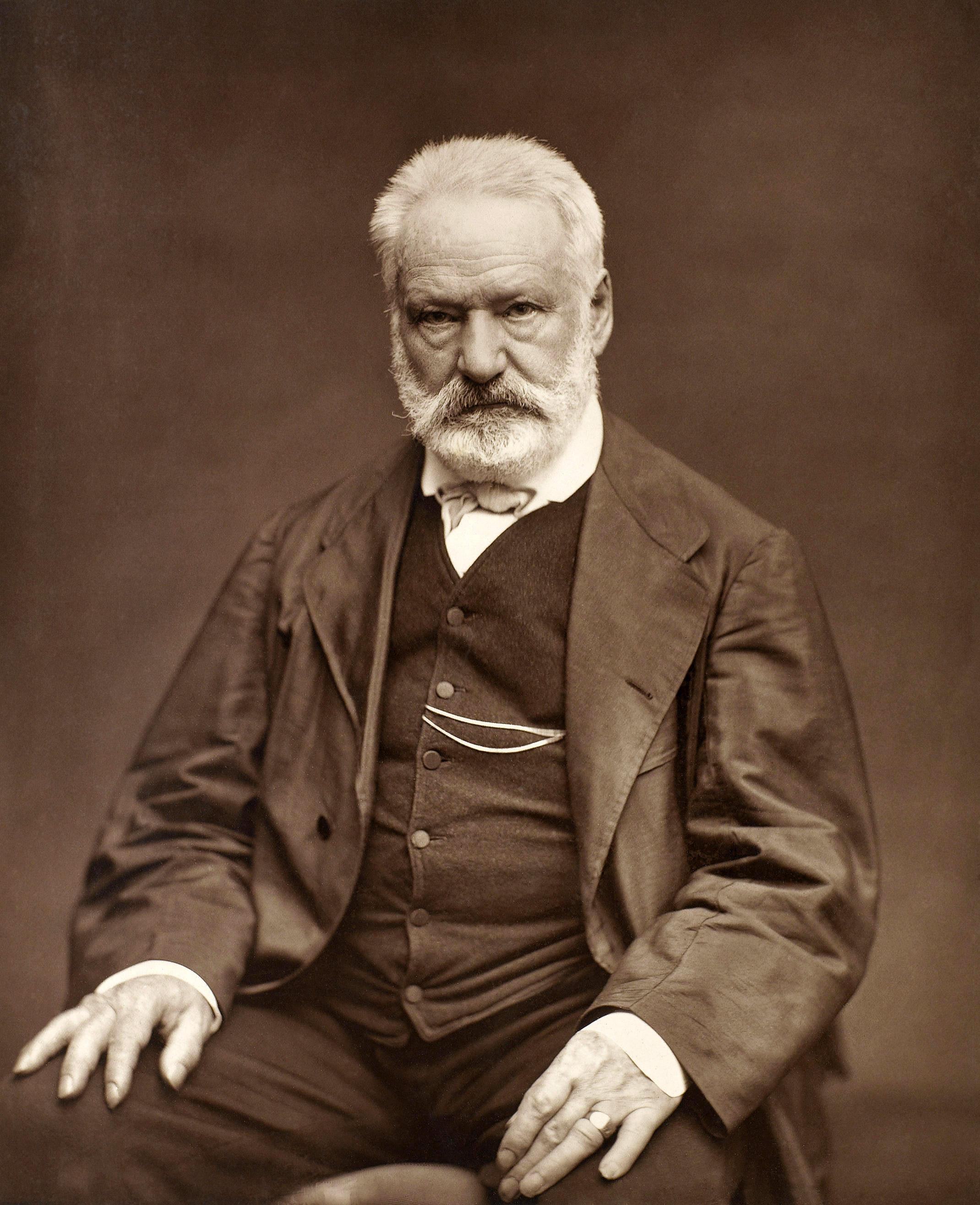
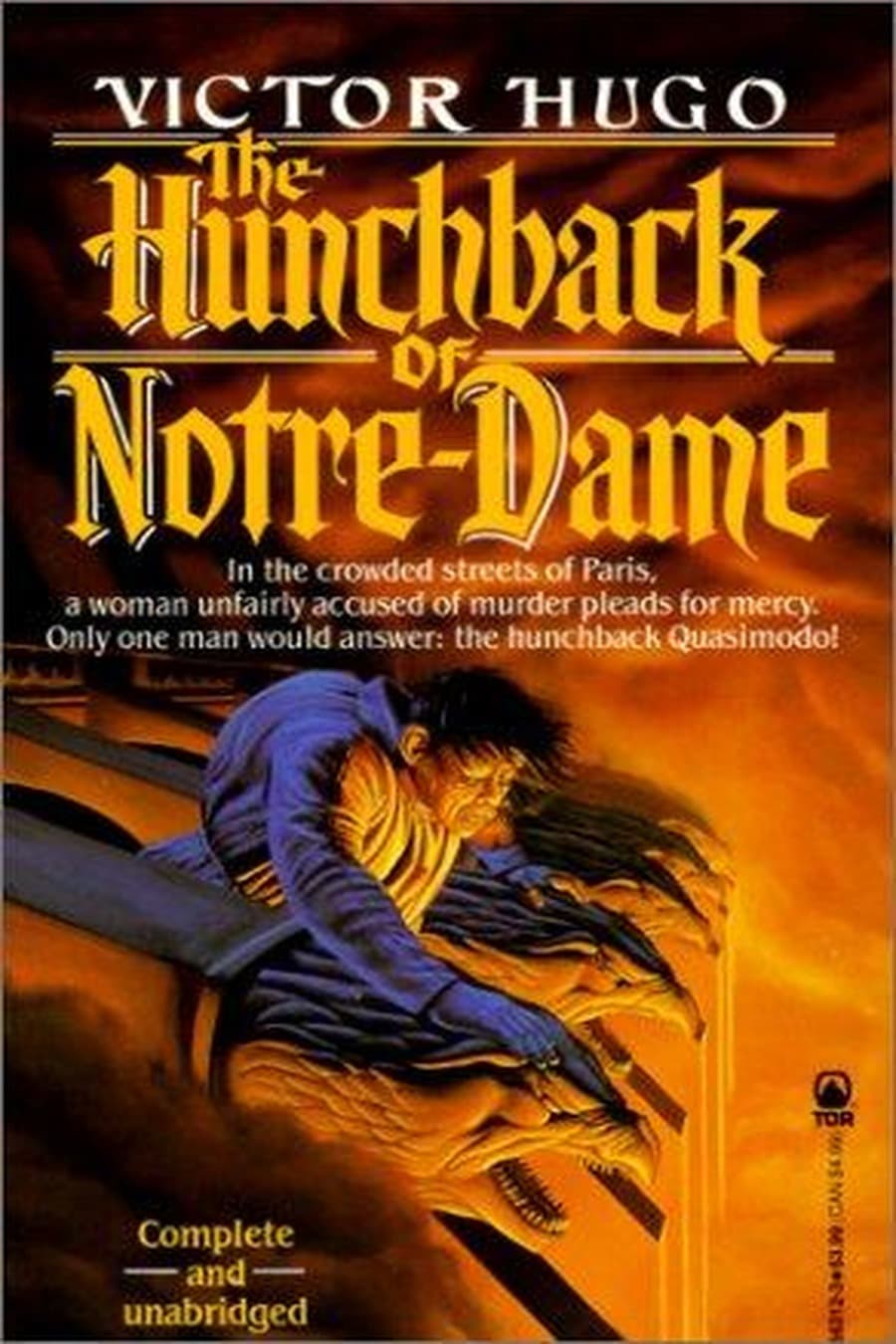
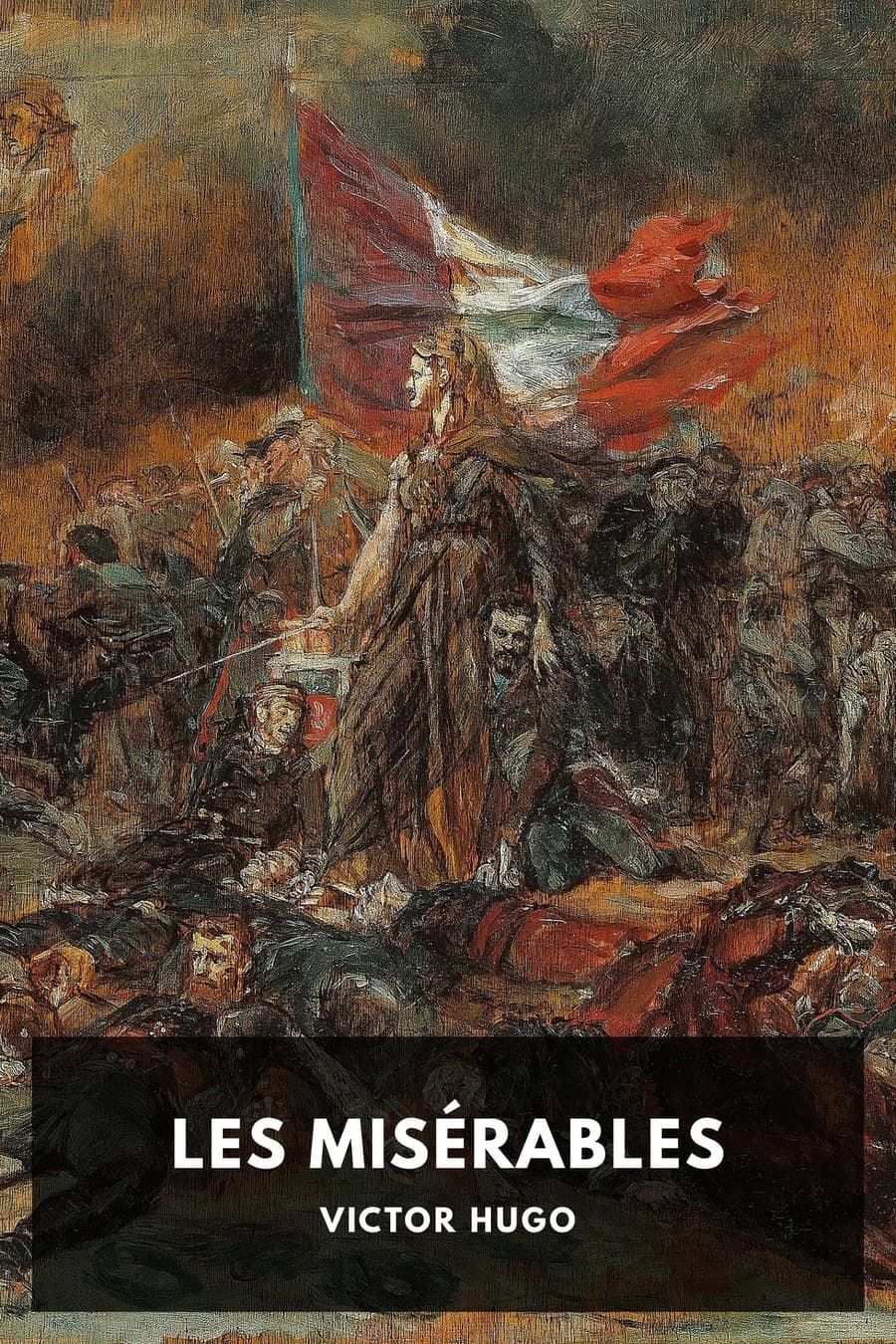
Victor Hugo lived through more history than almost any writer before or since. He was five years old when Napoleon died, twelve when Louis XVI was executed in effigy before his young eyes, and twenty-three when he witnessed the coronation of Charles X at Rheims , the same journey where he first discovered Shakespeare, a revelation that would reshape French literature. These memoirs capture not merely a life but an entire era: the fall of the Restoration, the rise of the Romantic movement, the rumblings of revolution that would later engulf Paris. Hugo writes with the same sweeping force that made Les Misérables and The Hunchback of Notre Dame touchstones of world literature , now turning that gaze inward, onto his own formation as a poet, thinker, and witness to civilization's turbulence. This is history told from inside the room where it happened, rendered by a man who helped invent the modern novel and who saw everything. For anyone who has ever wanted to hear the greatHugo speak in his own voice, in his own words, about the world he helped shape and the world that shaped him.
Editions
X-Ray
“The need of the immaterial is the most deeply rooted of all needs. One must have bread; but before bread, one must have the ideal.””
— Victor Hugo
“this spectre encountered the rich man in all his glory; but they did not look at each other, they passed on. This condition of things could thus last for some time. The moment this man perceives that this woman exists, while this woman does not see that this man is there, the catastrophe is inevitable.””
— Victor Hugo
“Man finds prejudices beside his cradle, puts them from him a little in the course of his career, and often, alas! takes to them again in his old age. During this journey in 1825””
— Victor Hugo
“Through a religion you see the solar spectre of God, but not God.””
— Victor Hugo
“My childhood began, as everybody's childhood begins, with prejudices. Man finds prejudices beside his cradle, puts them from him a little in the course of his career, and often, alas! takes to them again in his old age.””
— Victor Hugo
Link to this book
Add a free, dofollow link to Lex on your blog, forum, syllabus, or reading list.

<a href="https://lex-books.com/book/the-memoirs-of-victor-hugo-6a88566f-a3fc-457f-a23c-9546f79038fd"><img src="https://lex-books.com/badges/read-on-lex.svg" alt="Read The Memoirs of Victor Hugo by Victor Hugo free on Lex" width="160" height="40"></a>[](https://lex-books.com/book/the-memoirs-of-victor-hugo-6a88566f-a3fc-457f-a23c-9546f79038fd)[url=https://lex-books.com/book/the-memoirs-of-victor-hugo-6a88566f-a3fc-457f-a23c-9546f79038fd][img]https://lex-books.com/badges/read-on-lex.svg[/img][/url]Read The Memoirs of Victor Hugo by Victor Hugo free on Lex: https://lex-books.com/book/the-memoirs-of-victor-hugo-6a88566f-a3fc-457f-a23c-9546f79038fdCite this book
Reading this edition for a paper or guide? Copy a citation.
Hugo, Victor. The Memoirs of Victor Hugo. Lex, lex-books.com/book/the-memoirs-of-victor-hugo-6a88566f-a3fc-457f-a23c-9546f79038fd.Hugo, V. (1899). The Memoirs of Victor Hugo. Lex. https://lex-books.com/book/the-memoirs-of-victor-hugo-6a88566f-a3fc-457f-a23c-9546f79038fdHugo, Victor. The Memoirs of Victor Hugo. Lex. https://lex-books.com/book/the-memoirs-of-victor-hugo-6a88566f-a3fc-457f-a23c-9546f79038fd.