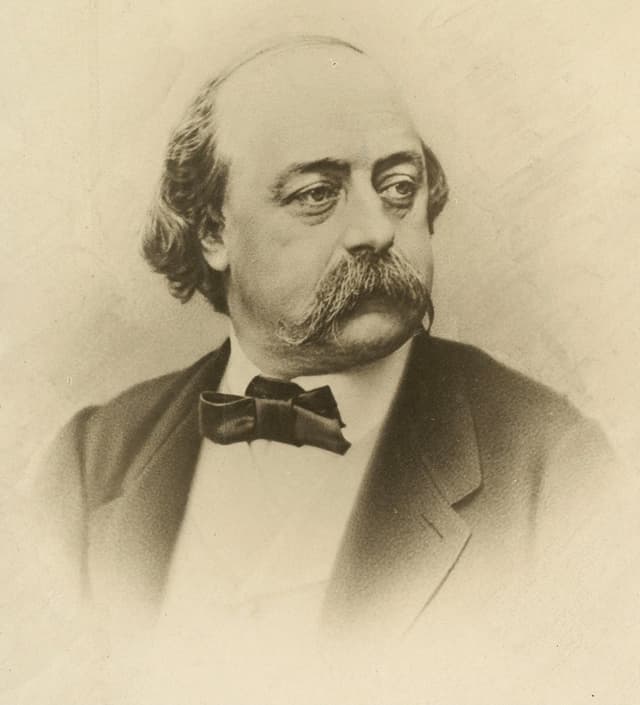
Gustave Flaubert
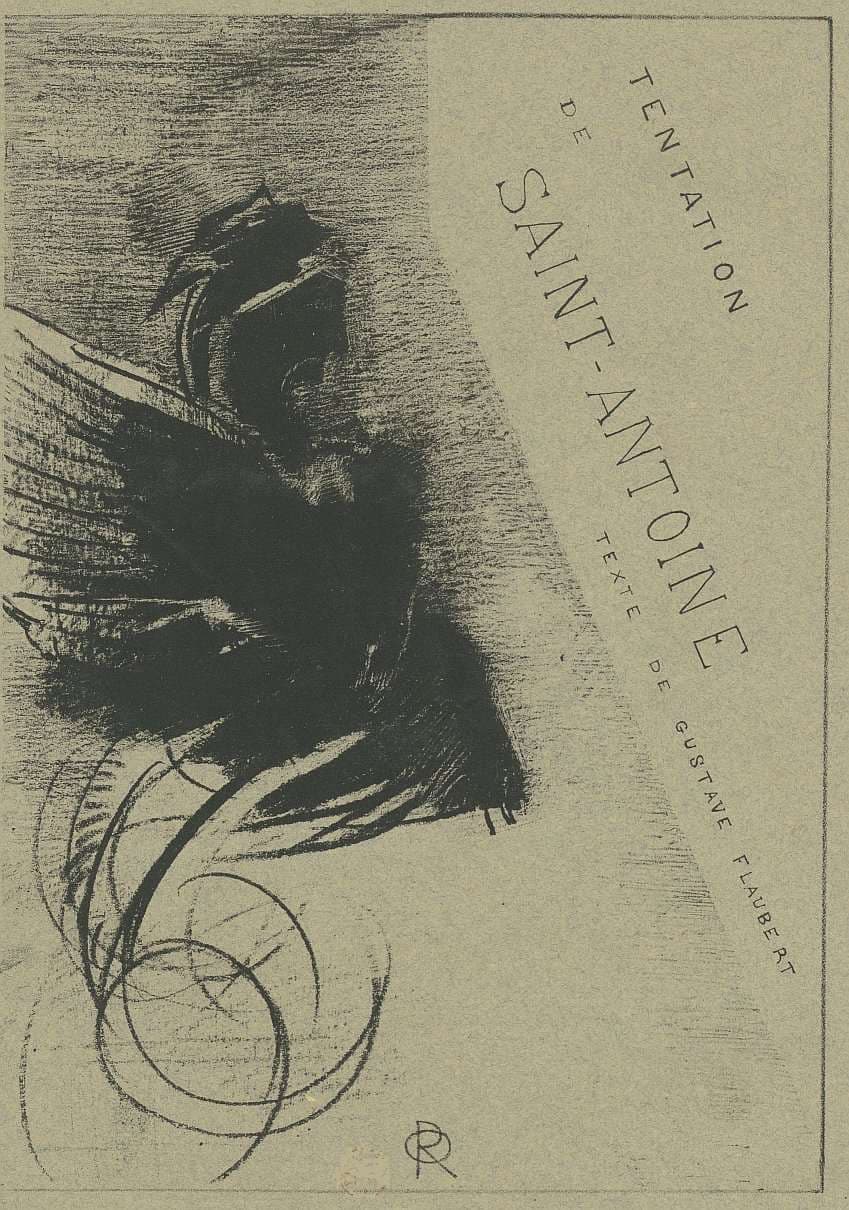
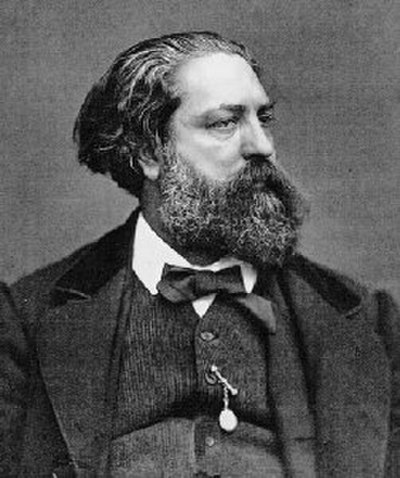
Gustave Flaubert was a pivotal figure in the development of literary realism, renowned for his meticulous attention to style and form. Born in France, he is best known for his groundbreaking novel, Madame Bovary, published in 1857, which explores the tragic consequences of romantic idealism through the life of its protagonist, Emma Bovary. Flaubert's commitment to realism emphasized a neutral presentation of reality, elevating the importance of narrative technique and aesthetic precision in literature. His influence extended beyond his own works, as he mentored notable writers like Guy de Maupassant, further shaping the landscape of French literature. Flaubert's literary significance lies not only in his narrative innovations but also in his exploration of complex themes such as desire, disillusionment, and the constraints of society. His Correspondence, a collection of letters, offers insight into his thoughts on art and the writing process, revealing his relentless pursuit of perfection. Flaubert's legacy endures as a cornerstone of literary realism, inspiring generations of writers to prioritize style and substance in their storytelling.
Famous Quotes
View all 19 quotes“Do not read, as children do, to amuse yourself, or like the ambitious, for the purpose of instruction. No, read in order to live.””
“Do not read as children do to enjoy themselves, or, as the ambitious do to educate themselves. No, read to live.””
“Be steady and well-ordered in your life so that you can be fierce and original in your work.””
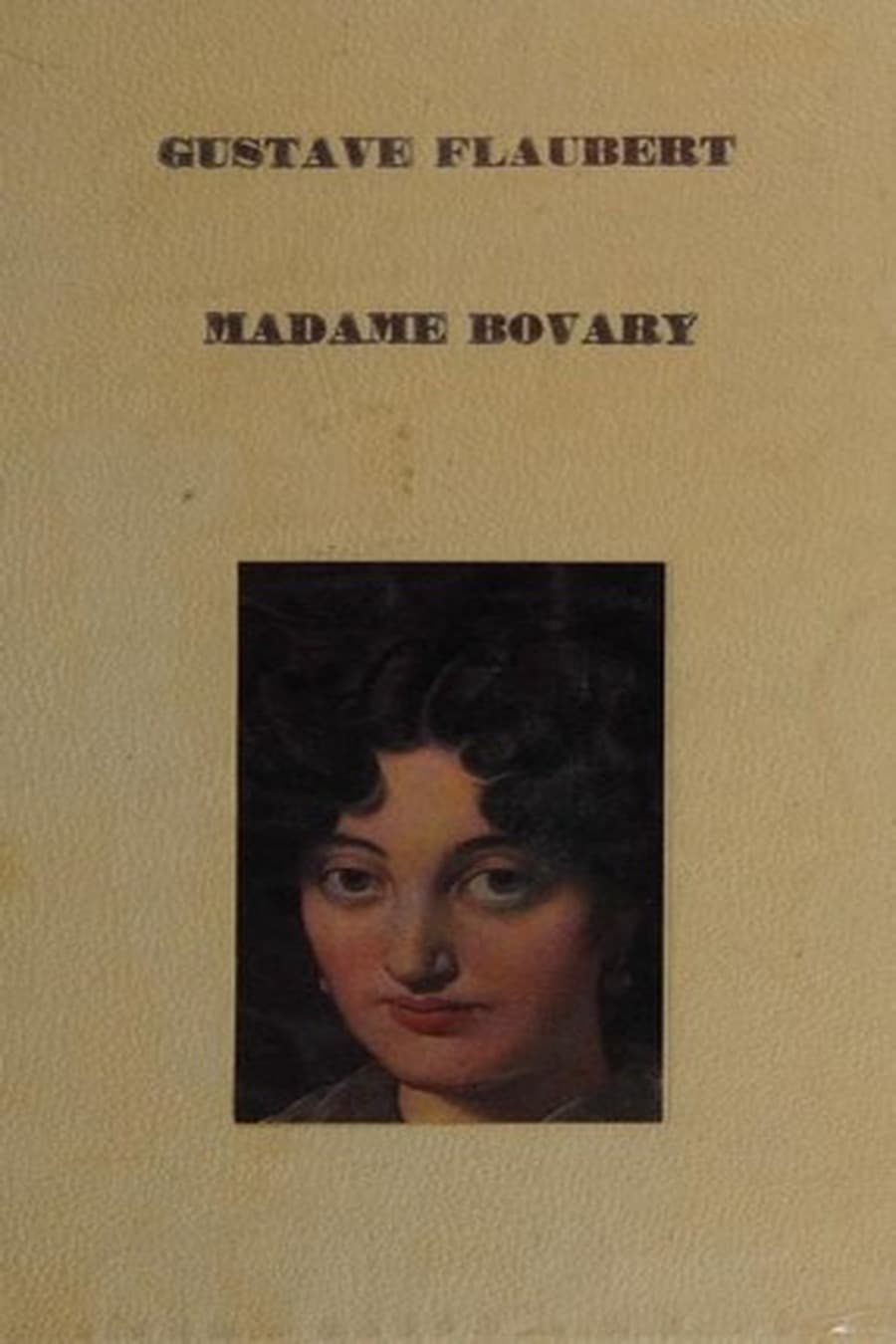
Books from the author











Link to this page
Add a free, dofollow link to Lex on your blog, forum, syllabus, or reading list.

<a href="https://lex-books.com/author/gustave-flaubert"><img src="https://lex-books.com/badges/read-on-lex.svg" alt="Gustave Flaubert on Lex" width="160" height="40"></a>[](https://lex-books.com/author/gustave-flaubert)[url=https://lex-books.com/author/gustave-flaubert][img]https://lex-books.com/badges/read-on-lex.svg[/img][/url]Gustave Flaubert on Lex: https://lex-books.com/author/gustave-flaubert