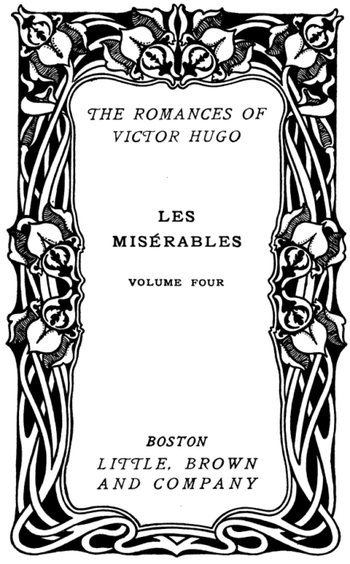
Les Misérables, V. 4/5: The Idyll and the Epic
1862
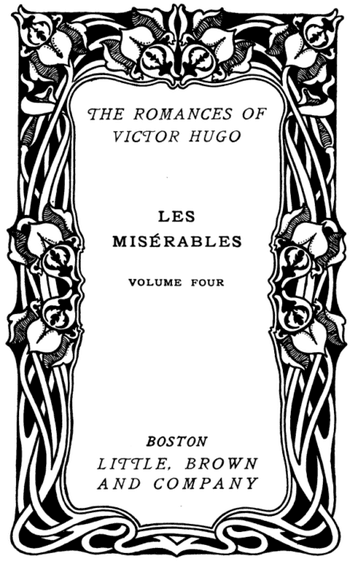
Les Misérables, V. 4/5: The Idyll and the Epic
1862
Translated by Lascelles, Sir Wraxall
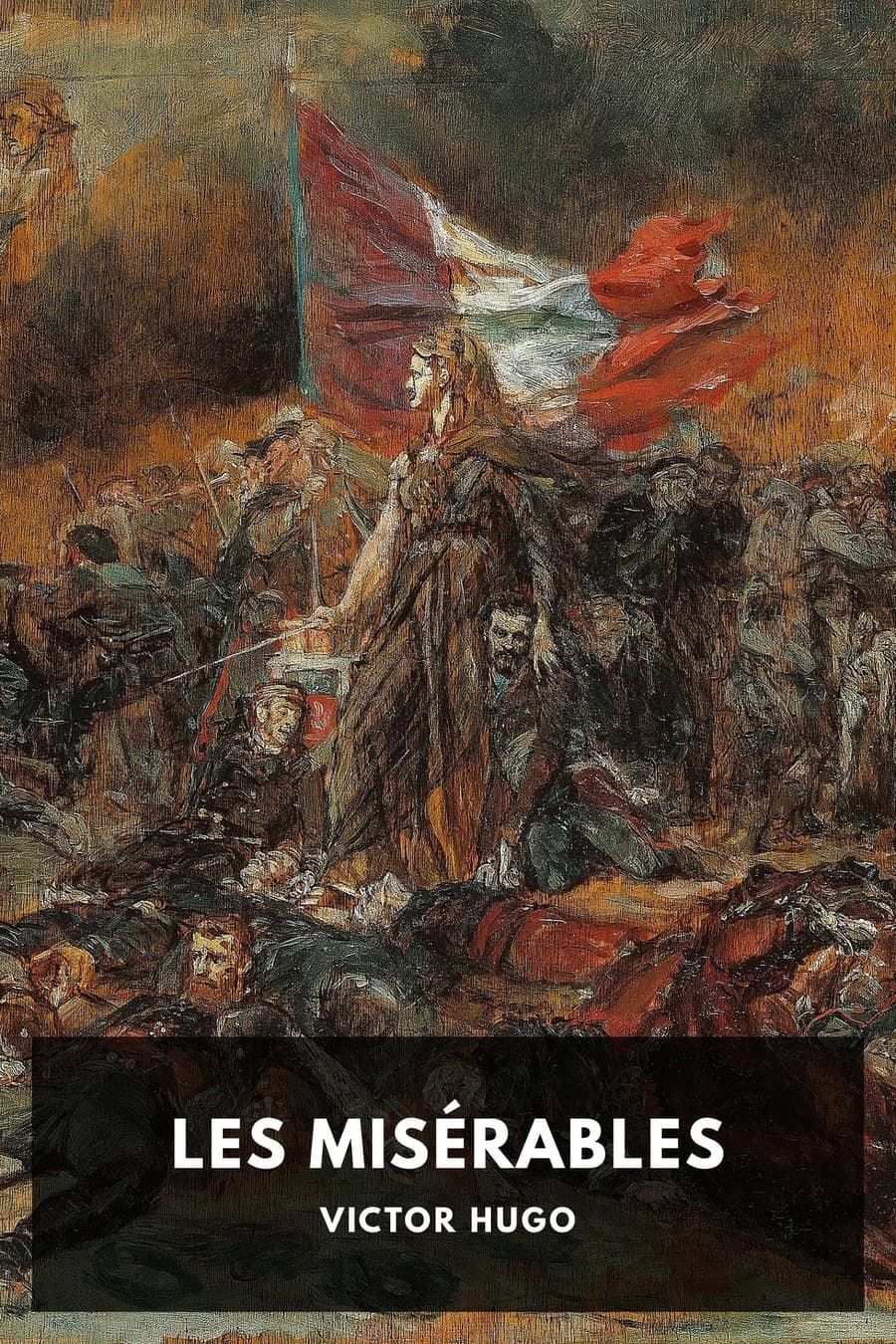
This is the volume where Hugo's revolutionary heart beats fiercest. The year is 1832. Paris seethes with youthful fury and desperate hope. Students and workers raise barricades in the narrow streets, convinced that the next sunrise will bring a new world. Among them is Marius Pontmercy, the young man who has found and lost Cosette, now willing to die for an idea larger than himself. Hugo interweaves the intimate with the historic: lovers separated by war, the crushing of dreams in blood, the question of whether any revolution can justify its corpses. This is the Idyll fractured by the Epic, innocence shattered against the stones of Paris. Here Hugo asks what he has always asked: what is the weight of a human soul against the machinery of the state? The barricades burn. The question remains.
Editions
X-Ray
“Le sens révolutionnaire est un sens moral. Le sentiment du droit, développé, développe le sentiment du devoir. La loi de tous, c'est la liberté, qui finit où commence la liberté d'autrui, selon l'admirable définition de Robespierre.””
— Victor Hugo
“The soul of a young girl should not be left in the dark; later on, mirages that are too abrupt and too lively are formed there, as in a dark chamber.””
— Victor Hugo
“pensée est le labeur de l'intelligence, la rêverie en est la volupté. Remplacer la pensée par la rêverie, c'est confondre un poison avec une nourriture.””
— Victor Hugo
“En 1831, une fusillade s'interrompit pour laisser passer une noce.””
— Victor Hugo
“Quand on est à la fin de la vie, mourir, cela veut dire partir; quand on est au commencement, partir, cela veut dire mourir.””
— Victor Hugo
“Et puis, chose bizarre, le premier symptôme de l'amour vrai chez un jeune homme, c'est la timidité, chez une jeune fille, c'est la hardiesse.””
— Victor Hugo
“En temps de troubles on s'y enivre de paroles plus que de vin.””
— Victor Hugo
“Ce sont les quatre avant-gardes du genre humain allant aux quatre points cardinaux du progrès, Diderot vers le beau, Turgot vers l'utile, Voltaire vers le vrai, Rousseau vers le juste.””
— Victor Hugo
“À de certains moments, Jean Valjean souffrait tant qu'il devenait puéril. C'est le propre de la douleur de faire reparaître le côté enfant de l'homme.””
— Victor Hugo
Link to this book
Add a free, dofollow link to Lex on your blog, forum, syllabus, or reading list.

<a href="https://lex-books.com/book/les-mis-rables-v-4-5-the-idyll-and-the-epic-52b2c202-c6cc-4dac-95b3-dd30b679db41"><img src="https://lex-books.com/badges/read-on-lex.svg" alt="Read Les Misérables, V. 4/5: The Idyll and the Epic by Victor Hugo free on Lex" width="160" height="40"></a>[](https://lex-books.com/book/les-mis-rables-v-4-5-the-idyll-and-the-epic-52b2c202-c6cc-4dac-95b3-dd30b679db41)[url=https://lex-books.com/book/les-mis-rables-v-4-5-the-idyll-and-the-epic-52b2c202-c6cc-4dac-95b3-dd30b679db41][img]https://lex-books.com/badges/read-on-lex.svg[/img][/url]Read Les Misérables, V. 4/5: The Idyll and the Epic by Victor Hugo free on Lex: https://lex-books.com/book/les-mis-rables-v-4-5-the-idyll-and-the-epic-52b2c202-c6cc-4dac-95b3-dd30b679db41Cite this book
Reading this edition for a paper or guide? Copy a citation.
Hugo, Victor. Les Misérables, V. 4/5: The Idyll and the Epic. Lex, lex-books.com/book/les-mis-rables-v-4-5-the-idyll-and-the-epic-52b2c202-c6cc-4dac-95b3-dd30b679db41.Hugo, V. (1862). Les Misérables, V. 4/5: The Idyll and the Epic. Lex. https://lex-books.com/book/les-mis-rables-v-4-5-the-idyll-and-the-epic-52b2c202-c6cc-4dac-95b3-dd30b679db41Hugo, Victor. Les Misérables, V. 4/5: The Idyll and the Epic. Lex. https://lex-books.com/book/les-mis-rables-v-4-5-the-idyll-and-the-epic-52b2c202-c6cc-4dac-95b3-dd30b679db41.