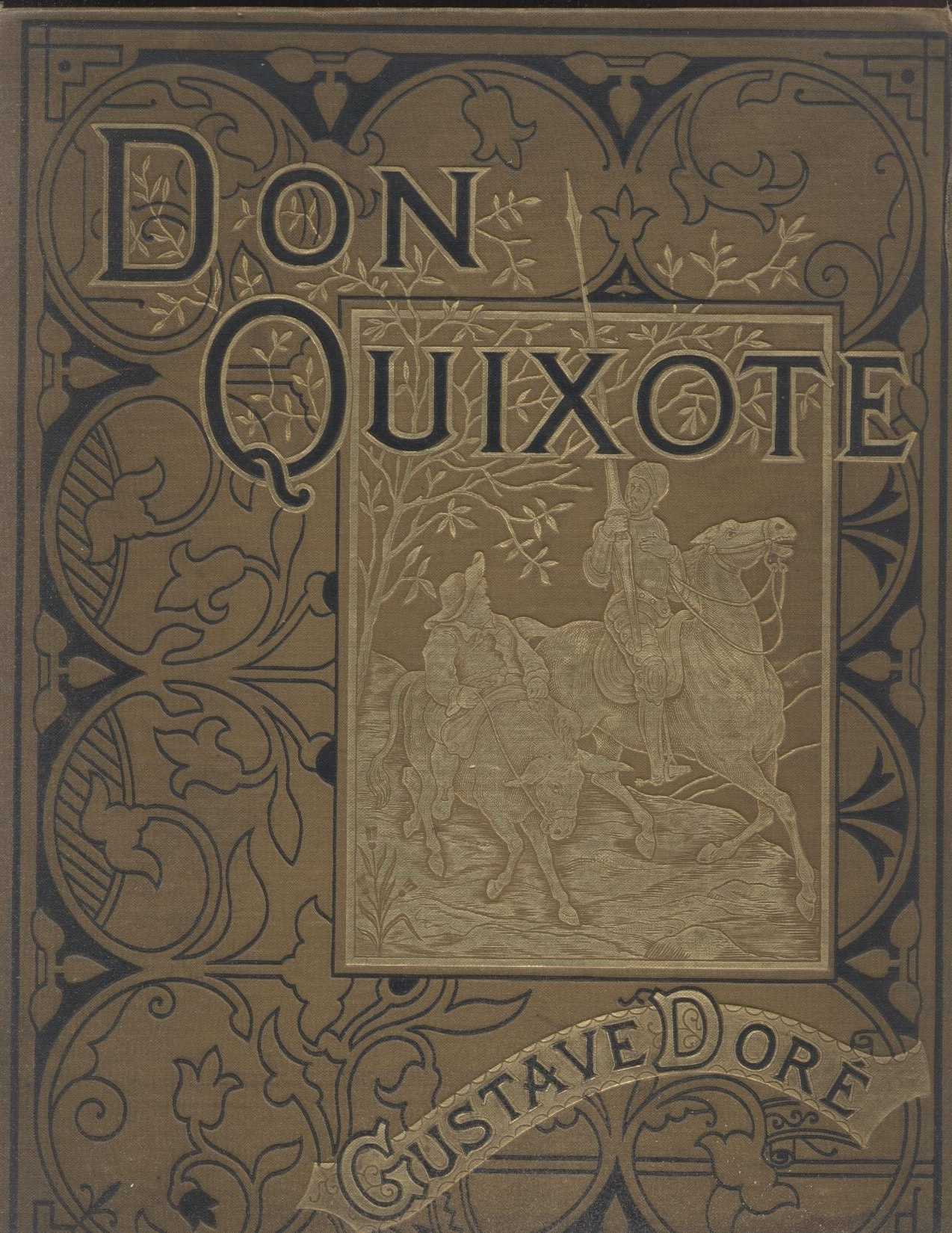
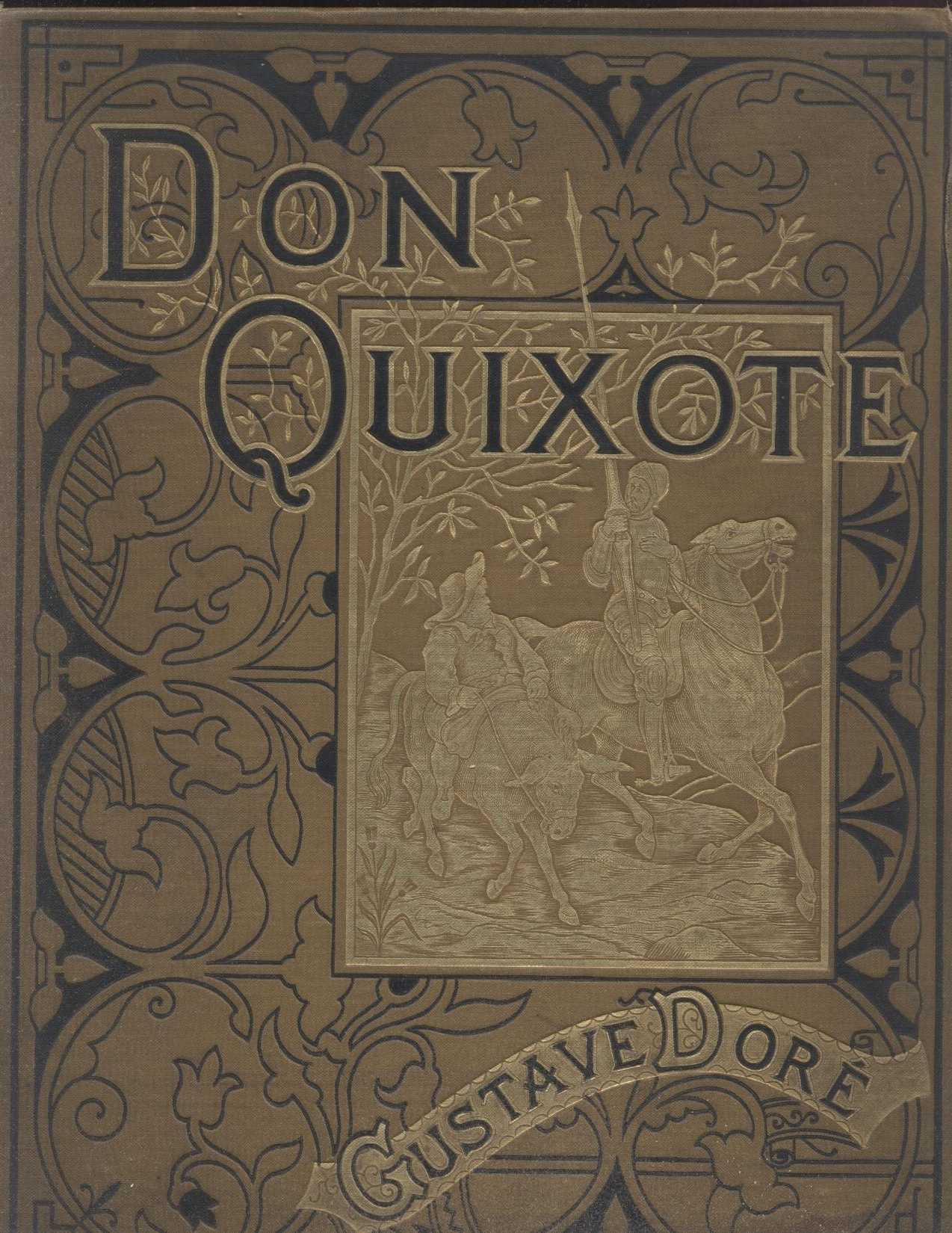
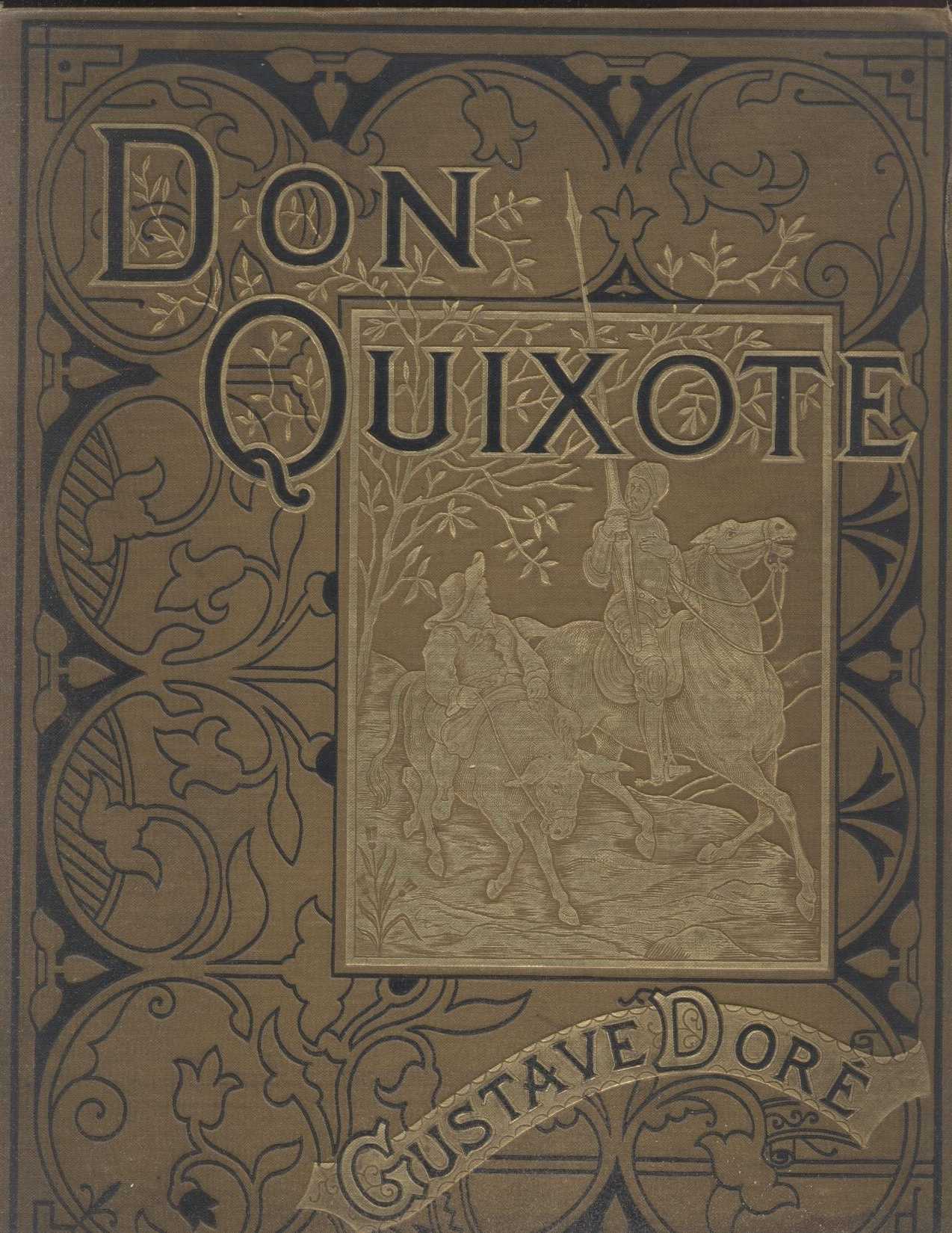
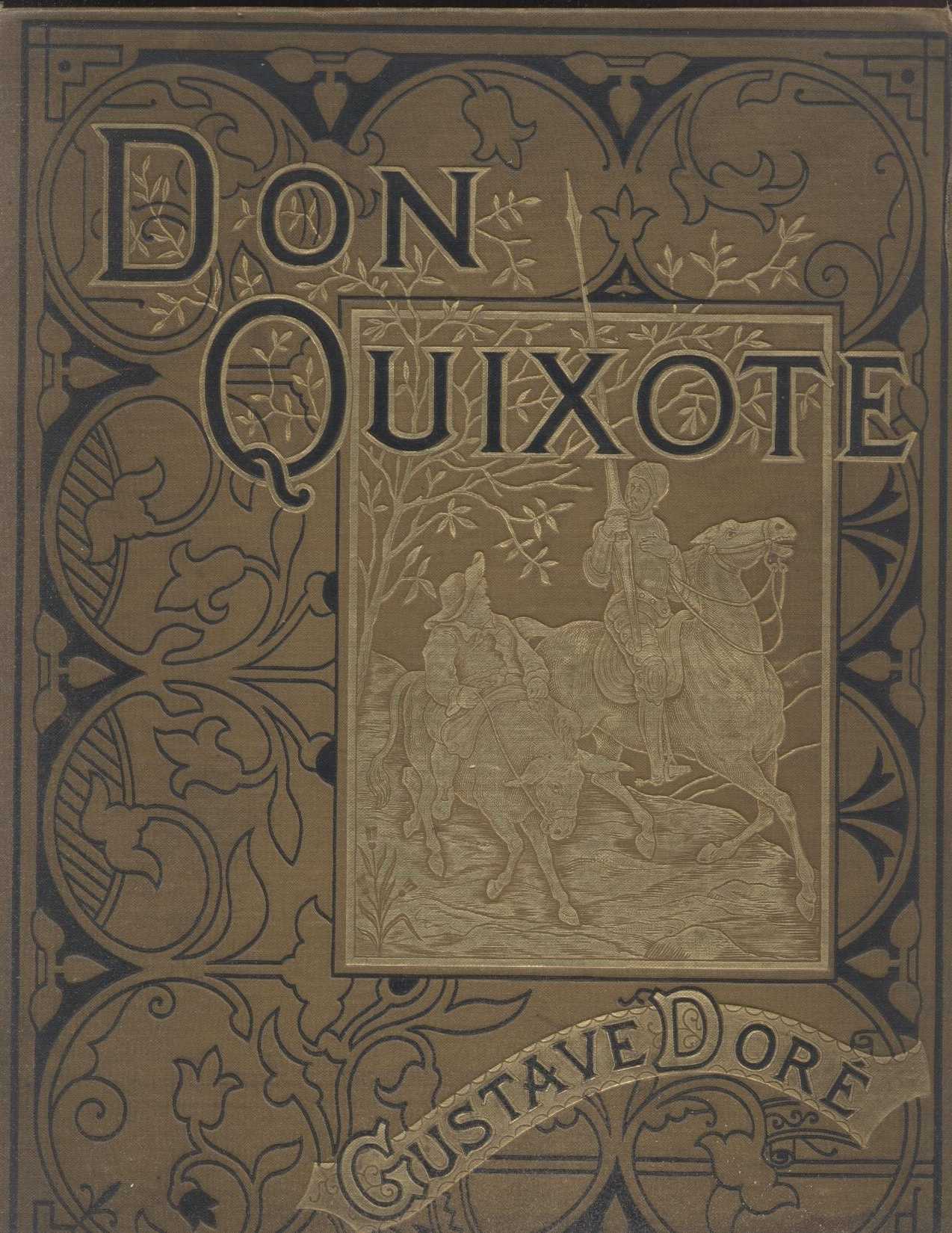
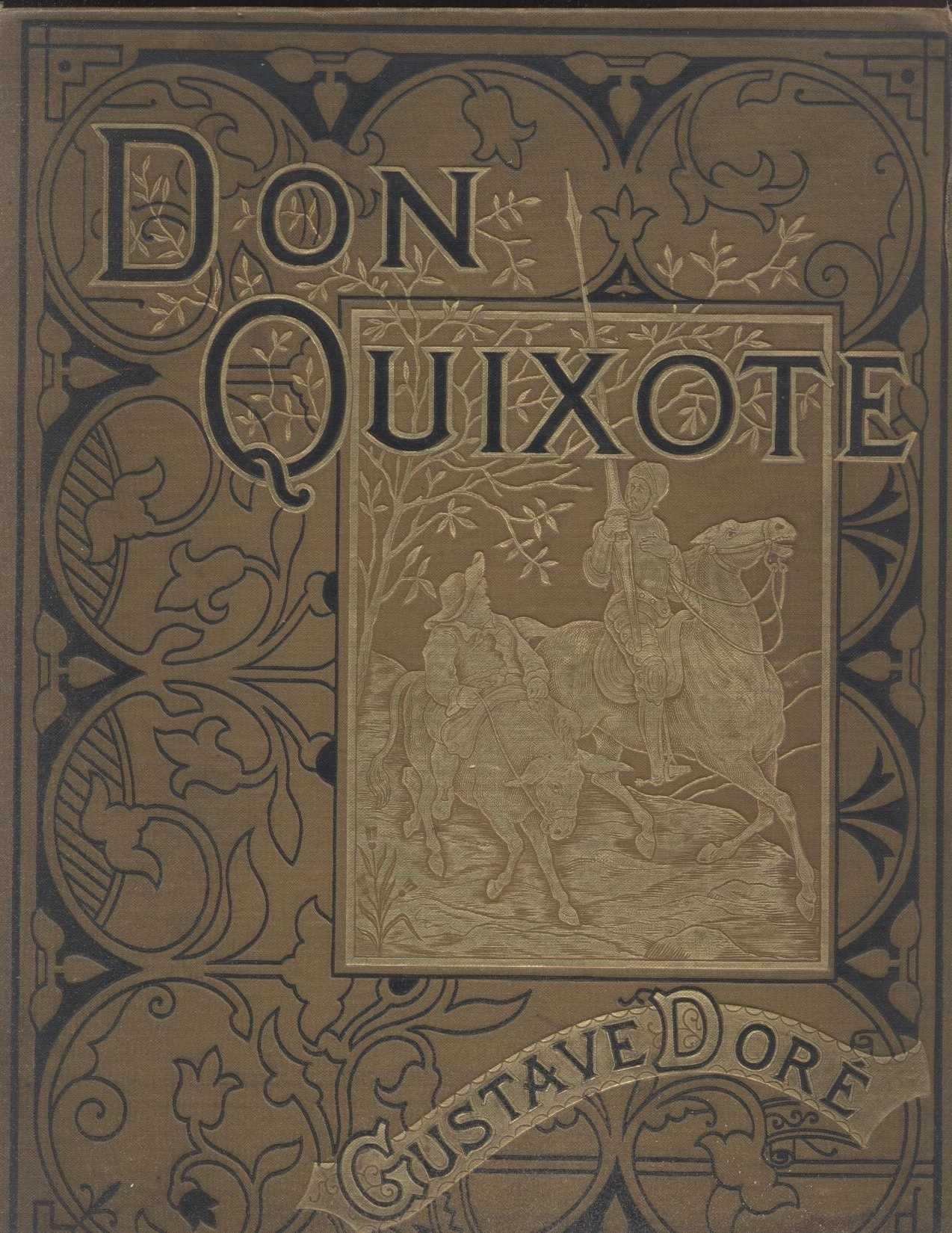
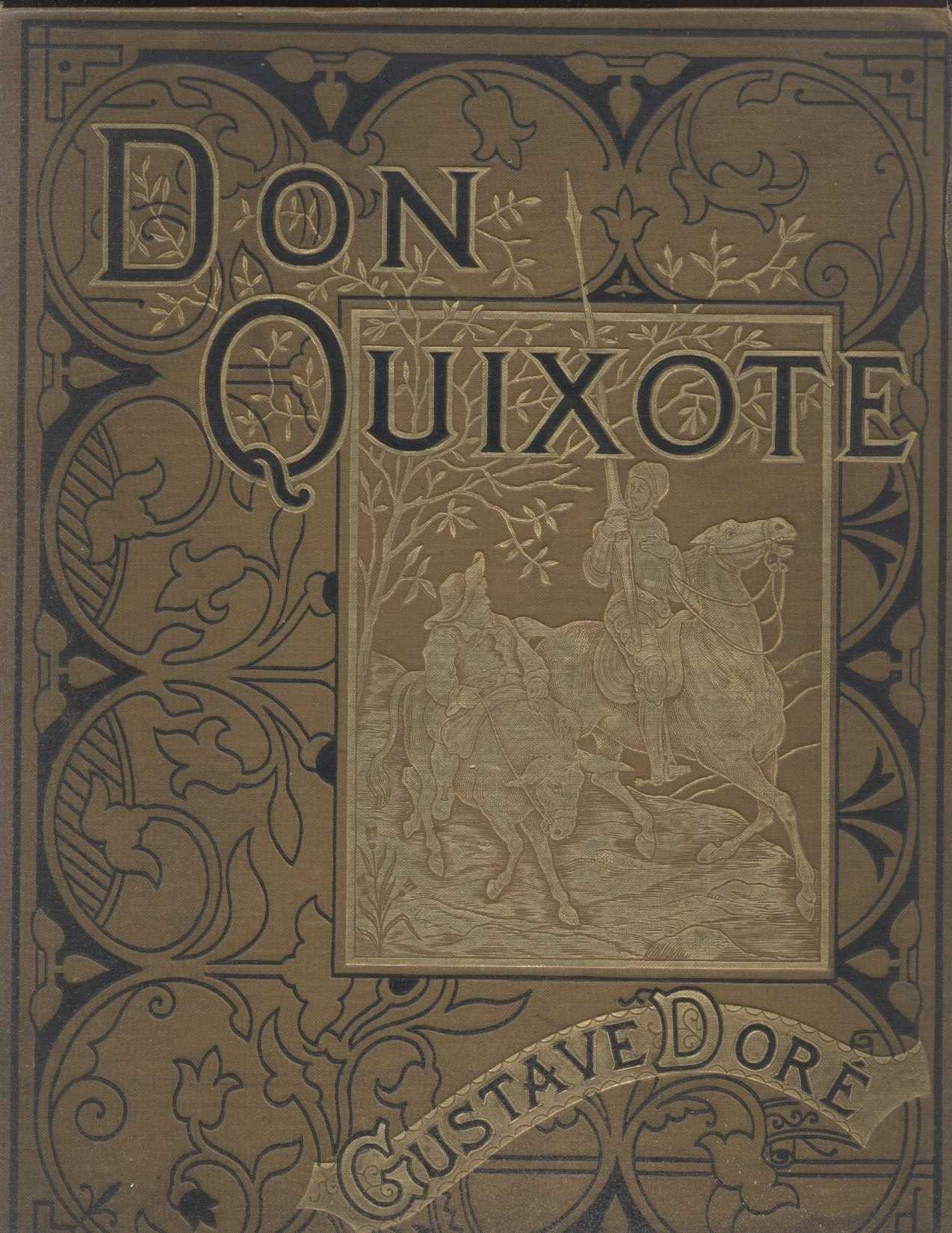
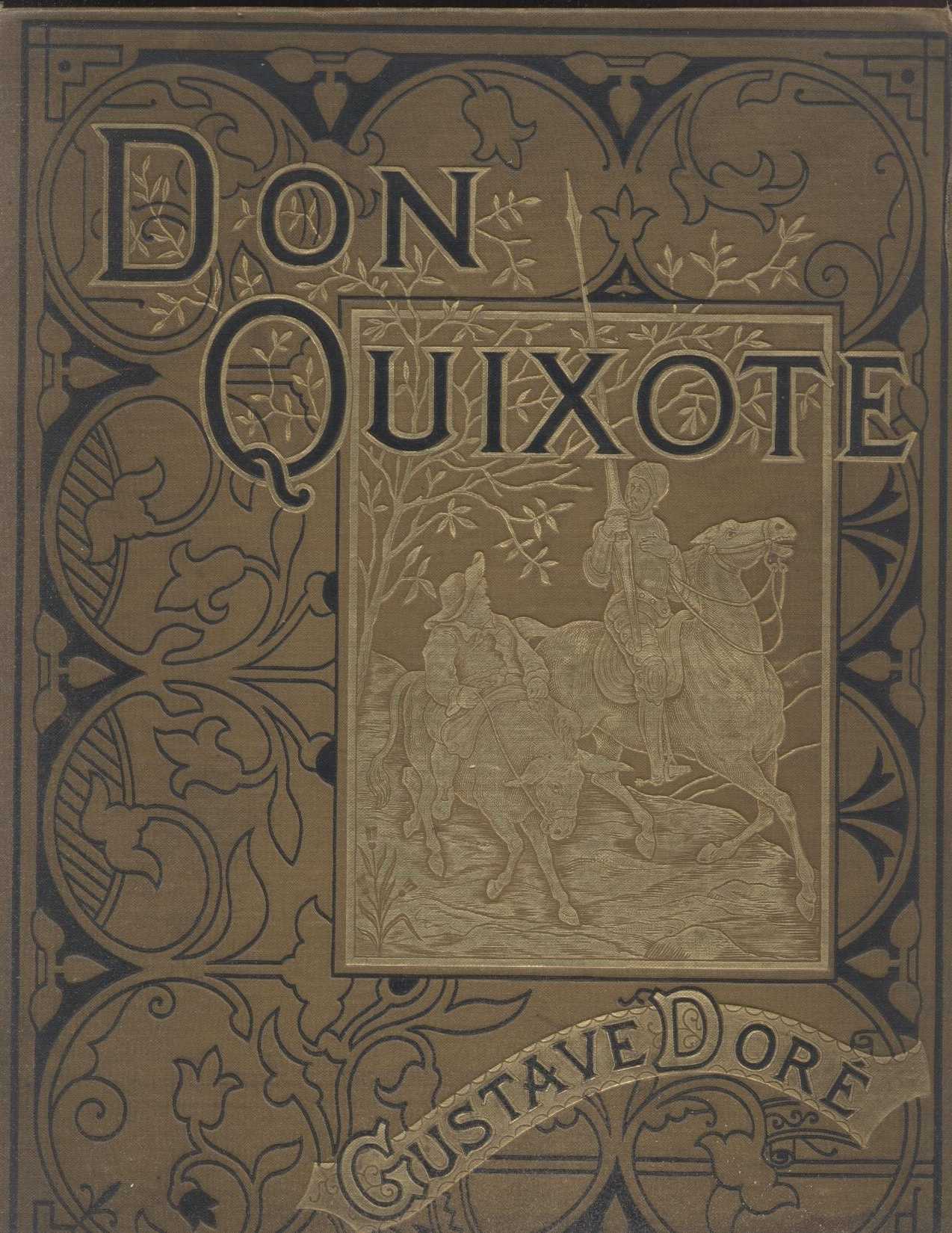
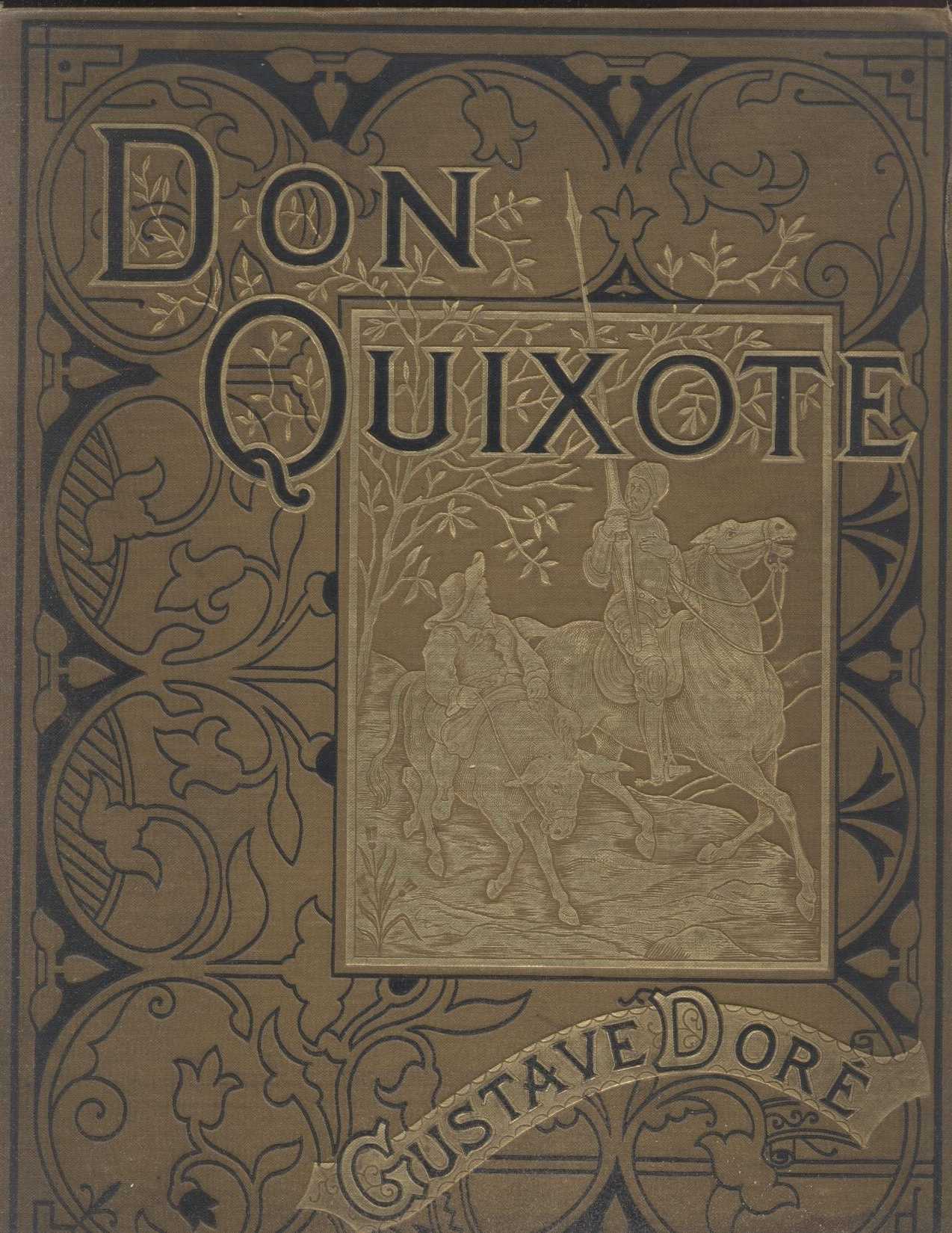
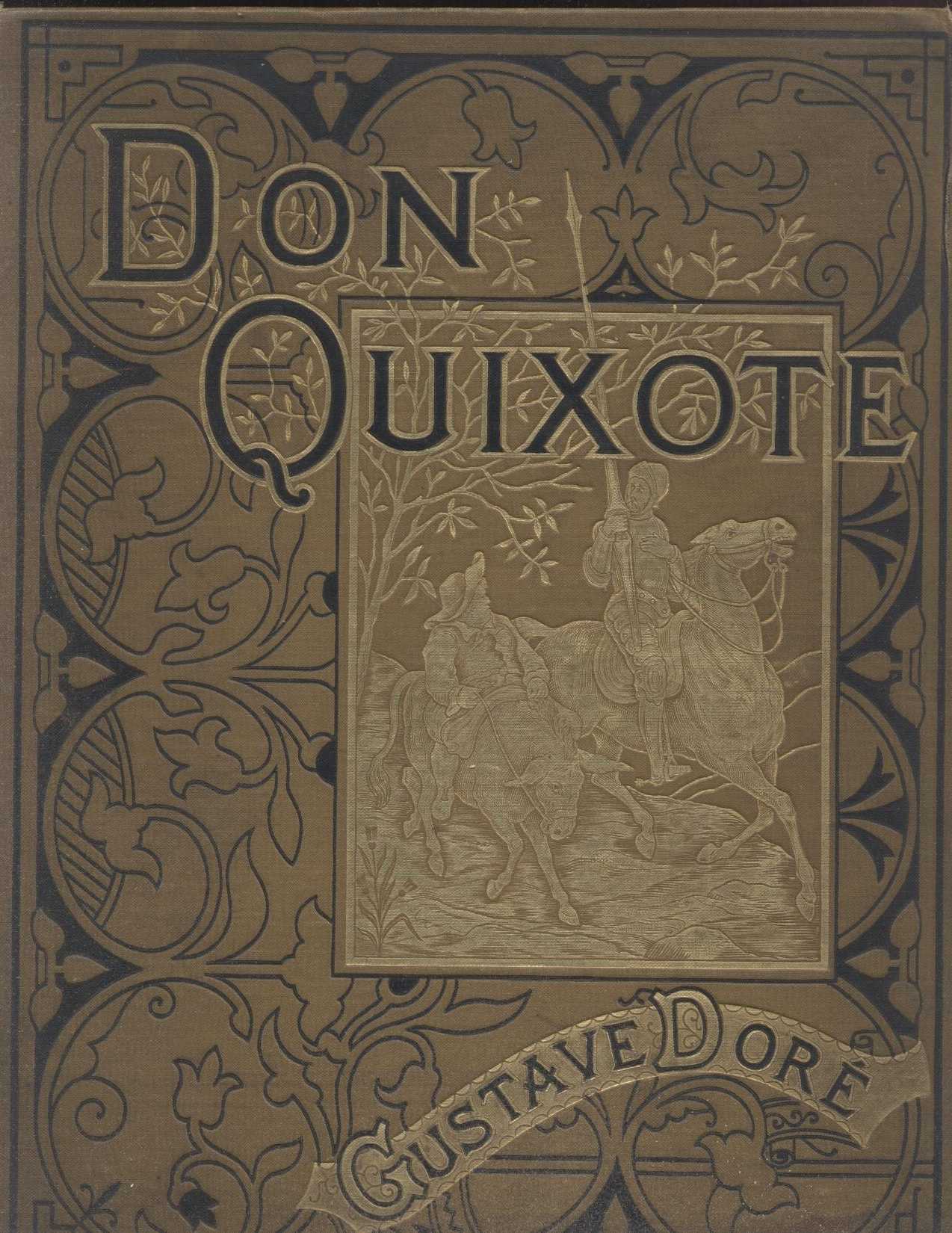
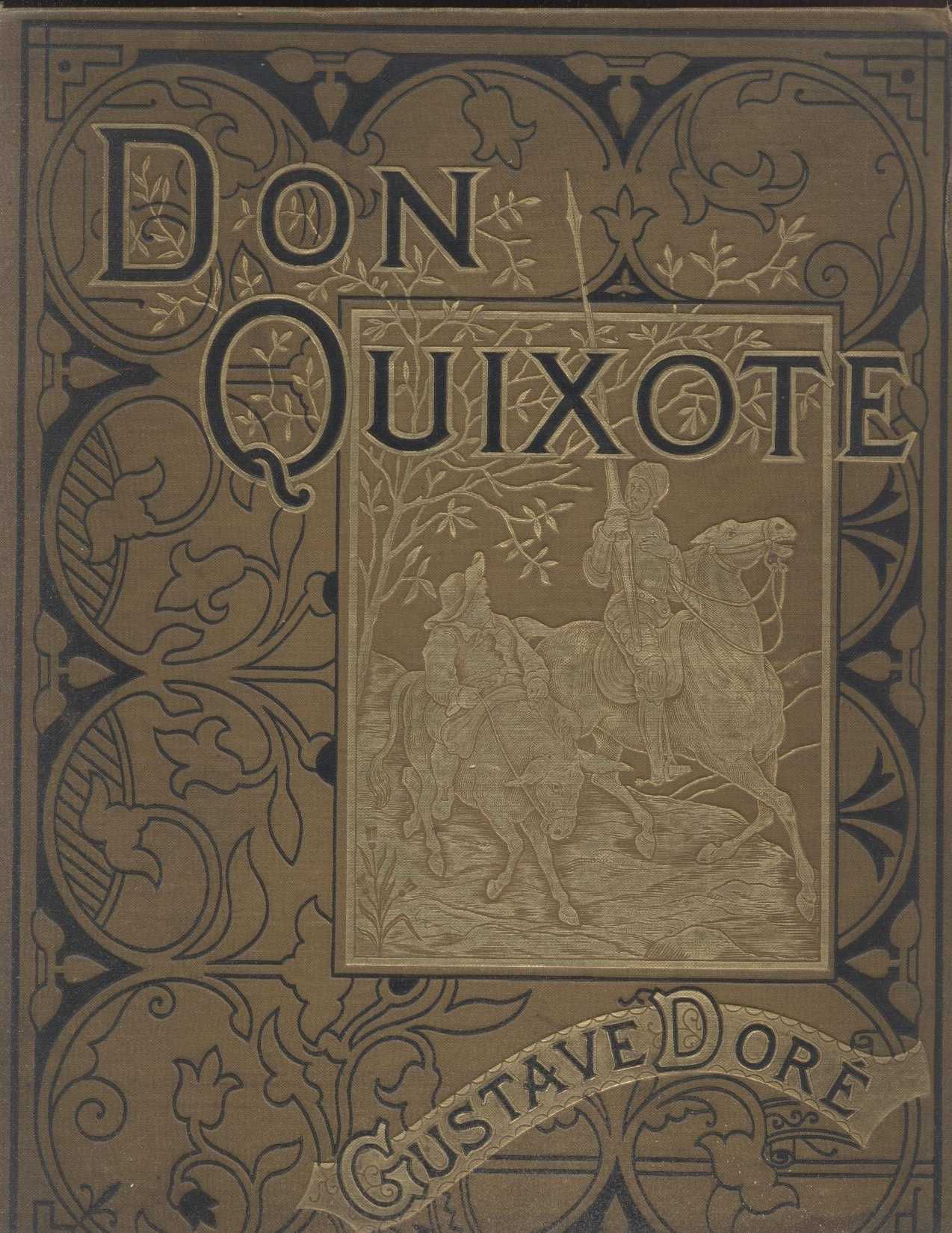
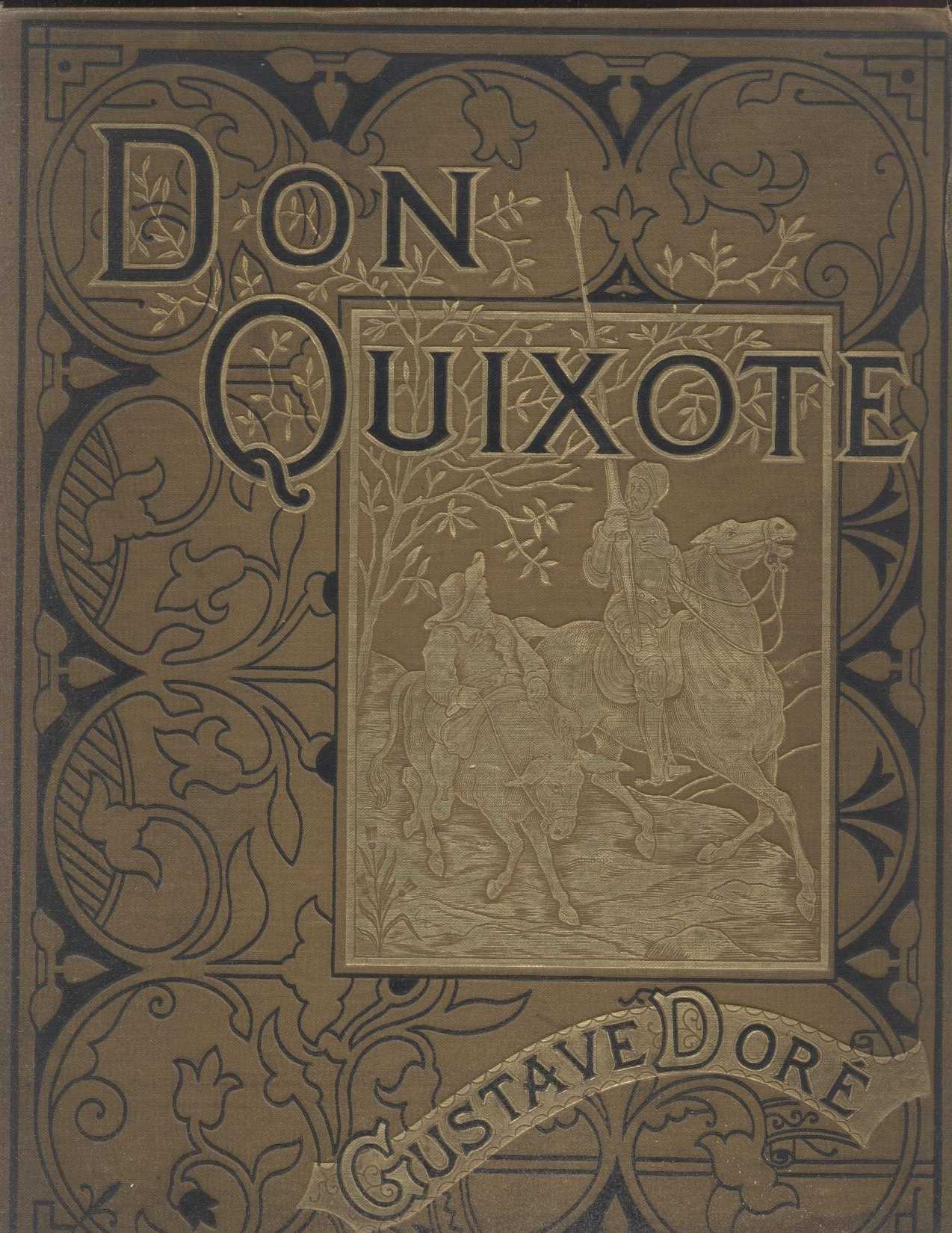
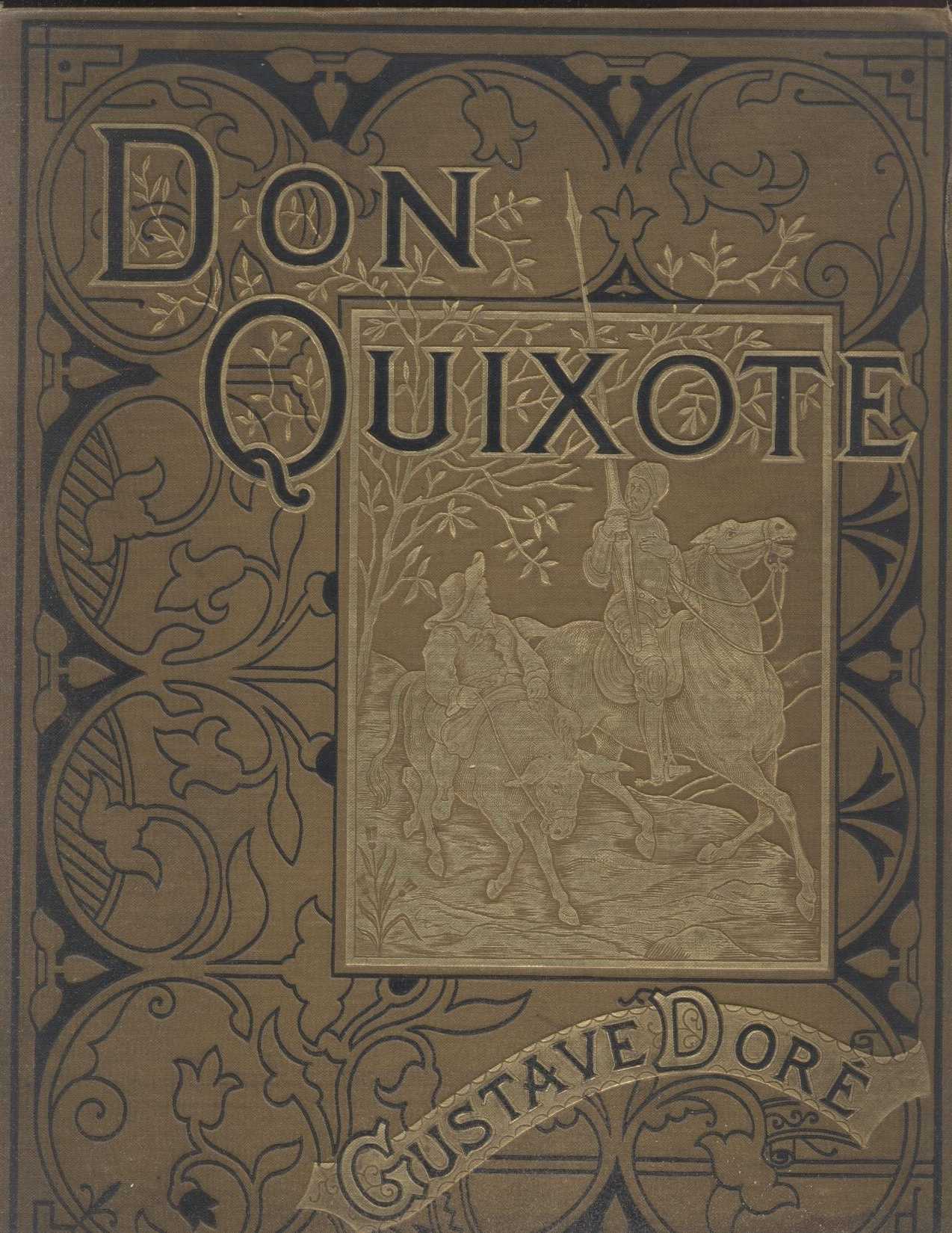
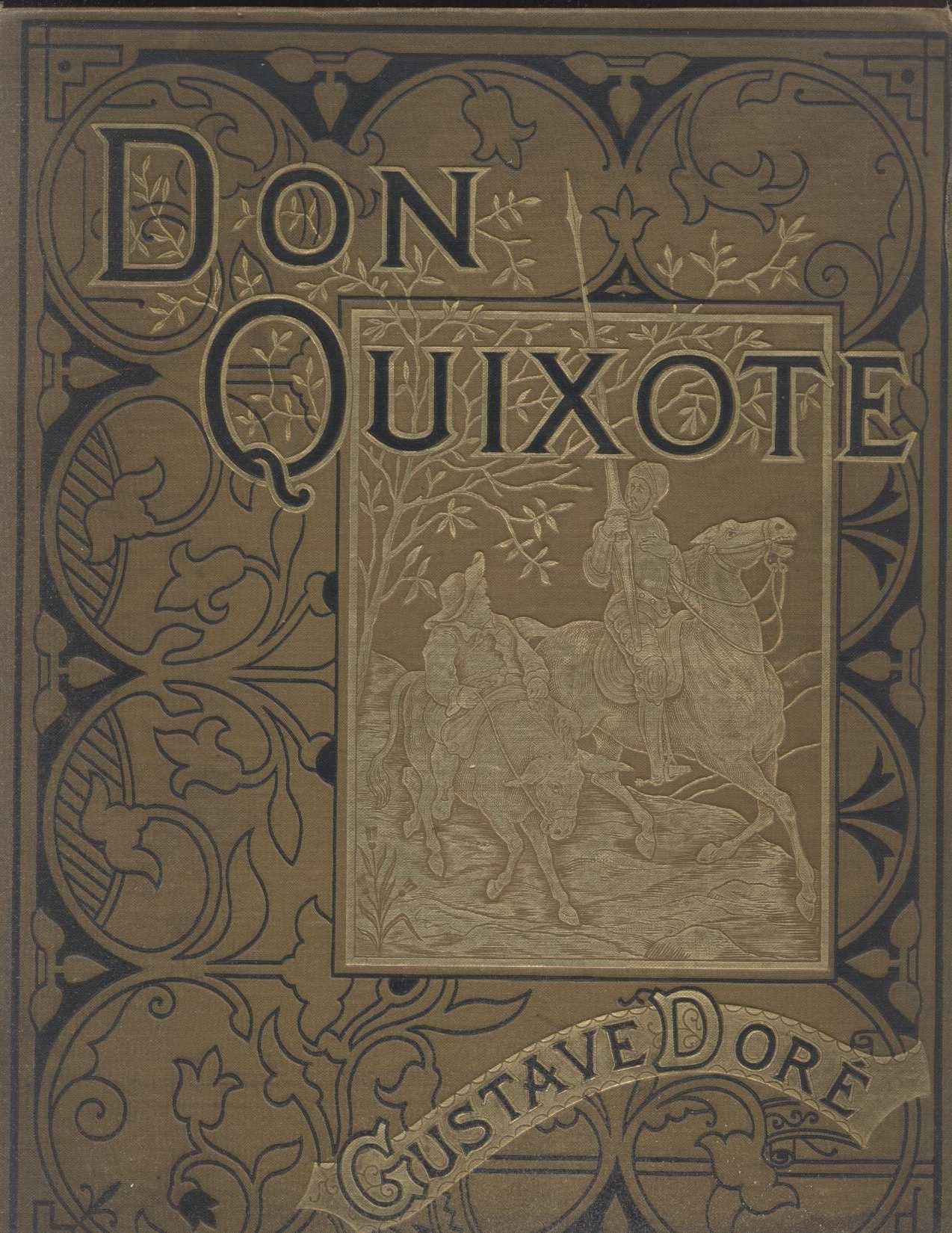
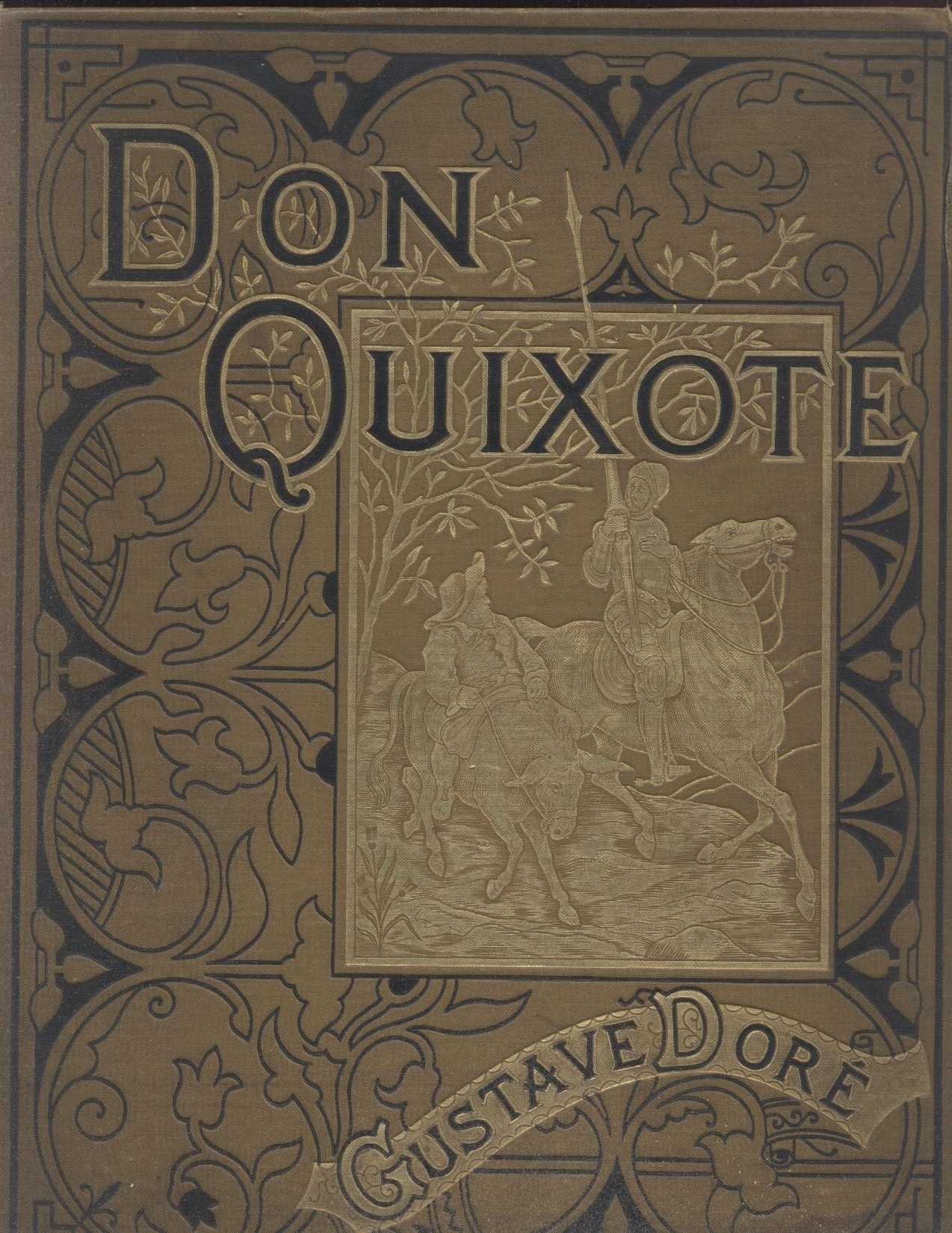
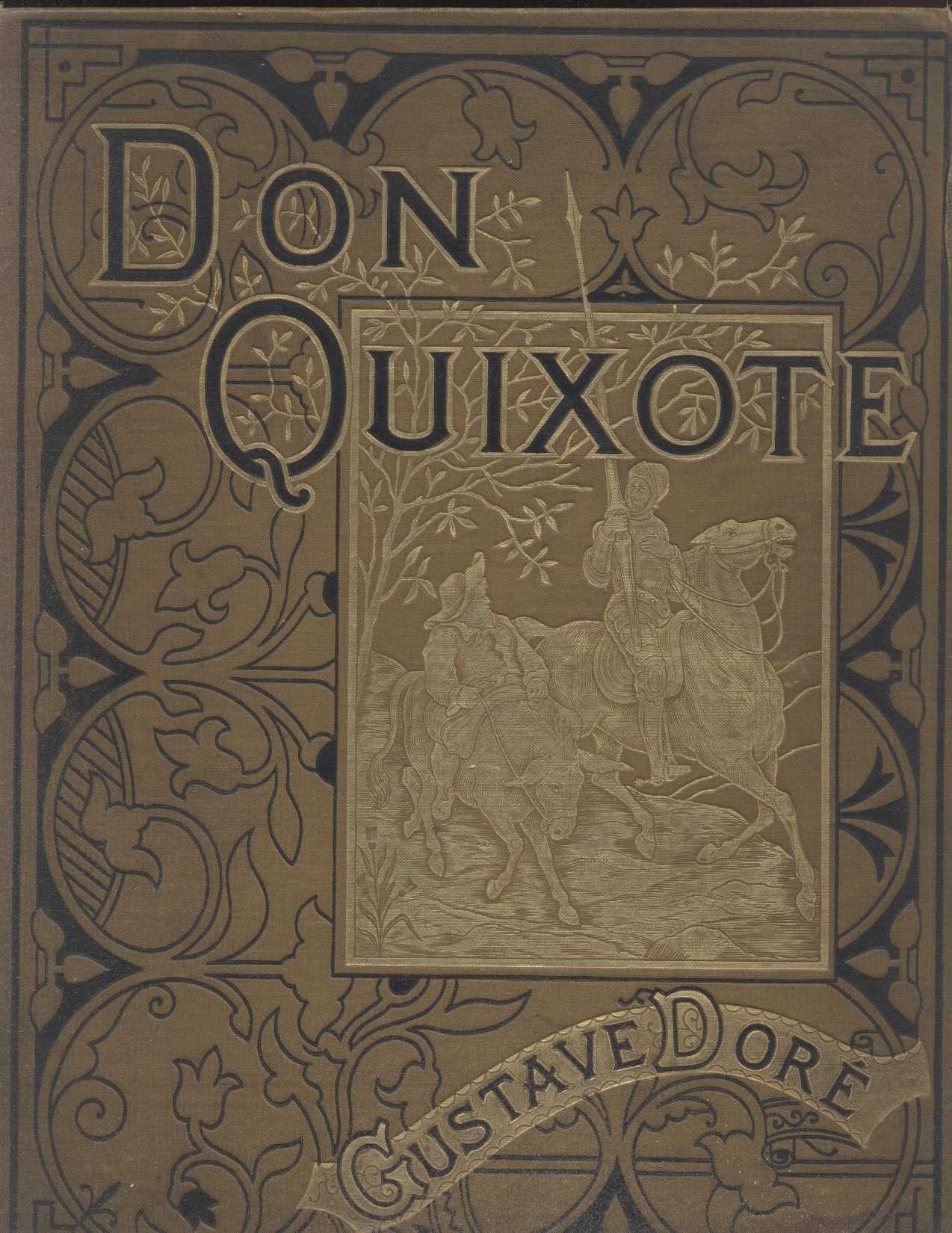
The History of Don Quixote, Volume 2, Part 23
1605
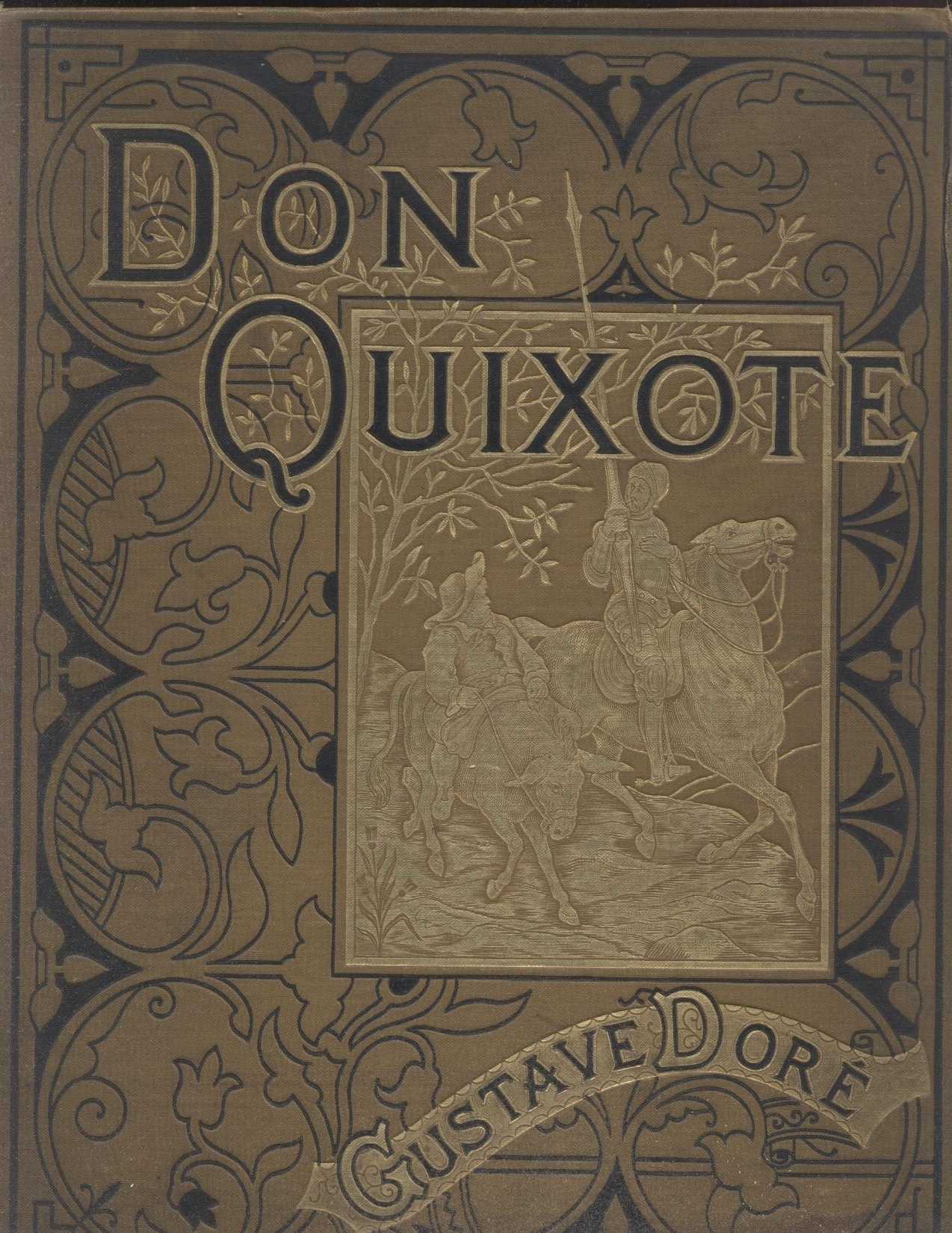
The History of Don Quixote, Volume 2, Part 23
1605
Translated by John Ormsby
This chapter contains one of Cervantes' most brilliant set pieces: a country wedding that functions as a lens onto Spanish society itself. Don Quixote and Sancho stumble upon the festivities celebrating the union of the wealthy Camacho and the beautiful Quiteria. But beneath the celebration lurks heartbreak, Basilio, Quiteria's former lover, watches helplessly as she marries for money rather than passion. The knight's romantic ideals collide spectacularly with the brutal economics of marriage in 17th-century Spain. Yet Cervantes refuses simple judgments. Is Quiteria pragmatic or calculating? Is Basilio noble or calculating? The humor never masks the tragedy, and the tragedy never dampens the humor. Sancho watches it all with earthbound suspicion, increasingly dubious of his master's idealized vision. This is Cervantes at his finest: using a single village celebration to dissect love, class, and the lies we tell ourselves about both.
Editions
Link to this book
Add a free, dofollow link to Lex on your blog, forum, syllabus, or reading list.

<a href="https://lex-books.com/book/the-history-of-don-quixote-volume-2-part-23-4b2d4e08-a5fe-428d-b80d-e8372c75abf8"><img src="https://lex-books.com/badges/read-on-lex.svg" alt="Read The History of Don Quixote, Volume 2, Part 23 by Miguel de Cervantes Saavedra free on Lex" width="160" height="40"></a>[](https://lex-books.com/book/the-history-of-don-quixote-volume-2-part-23-4b2d4e08-a5fe-428d-b80d-e8372c75abf8)[url=https://lex-books.com/book/the-history-of-don-quixote-volume-2-part-23-4b2d4e08-a5fe-428d-b80d-e8372c75abf8][img]https://lex-books.com/badges/read-on-lex.svg[/img][/url]Read The History of Don Quixote, Volume 2, Part 23 by Miguel de Cervantes Saavedra free on Lex: https://lex-books.com/book/the-history-of-don-quixote-volume-2-part-23-4b2d4e08-a5fe-428d-b80d-e8372c75abf8Cite this book
Reading this edition for a paper or guide? Copy a citation.
Saavedra, Miguel de Cervantes. The History of Don Quixote, Volume 2, Part 23. Lex, lex-books.com/book/the-history-of-don-quixote-volume-2-part-23-4b2d4e08-a5fe-428d-b80d-e8372c75abf8.Saavedra, M. D. C. (1605). The History of Don Quixote, Volume 2, Part 23. Lex. https://lex-books.com/book/the-history-of-don-quixote-volume-2-part-23-4b2d4e08-a5fe-428d-b80d-e8372c75abf8Saavedra, Miguel de Cervantes. The History of Don Quixote, Volume 2, Part 23. Lex. https://lex-books.com/book/the-history-of-don-quixote-volume-2-part-23-4b2d4e08-a5fe-428d-b80d-e8372c75abf8.