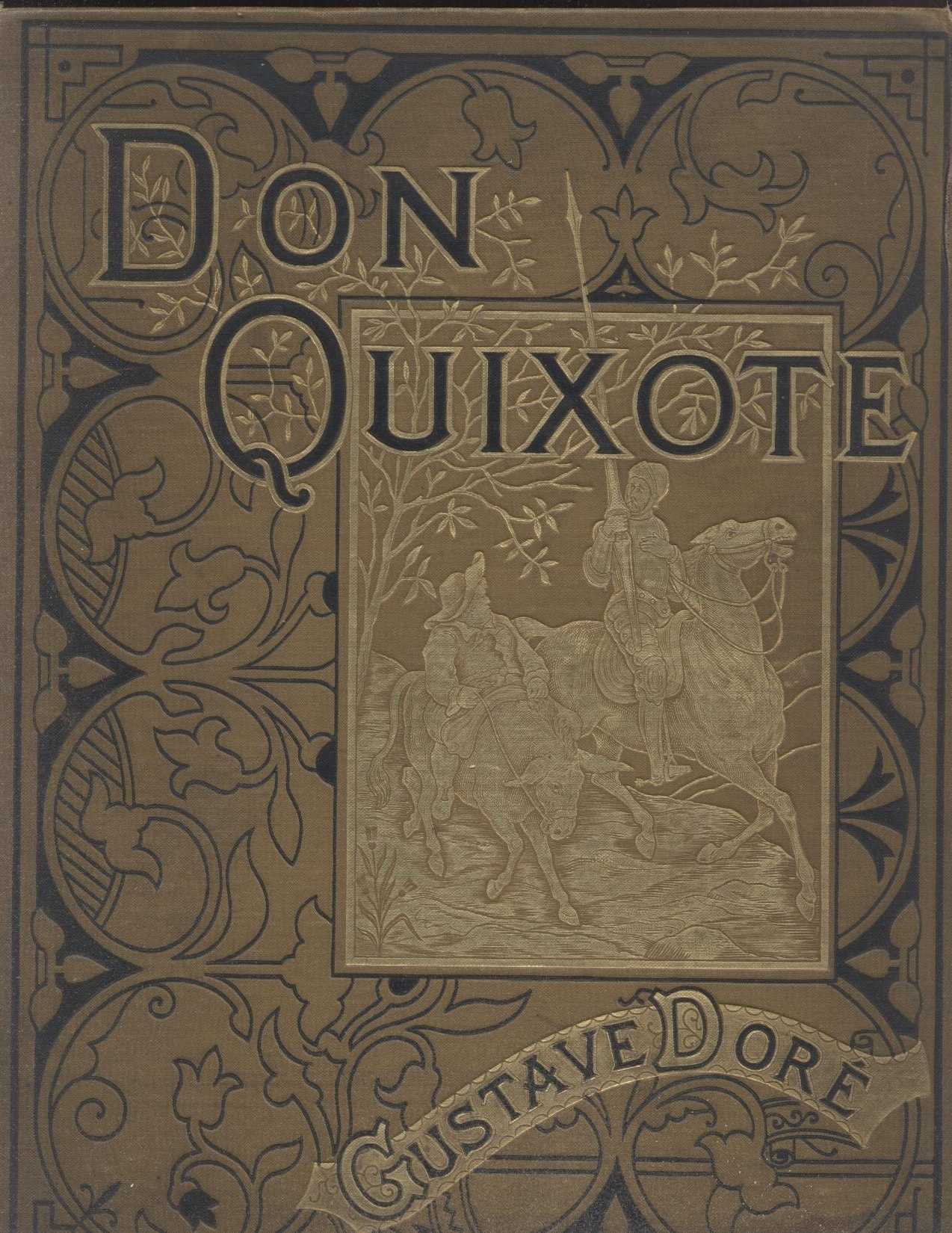
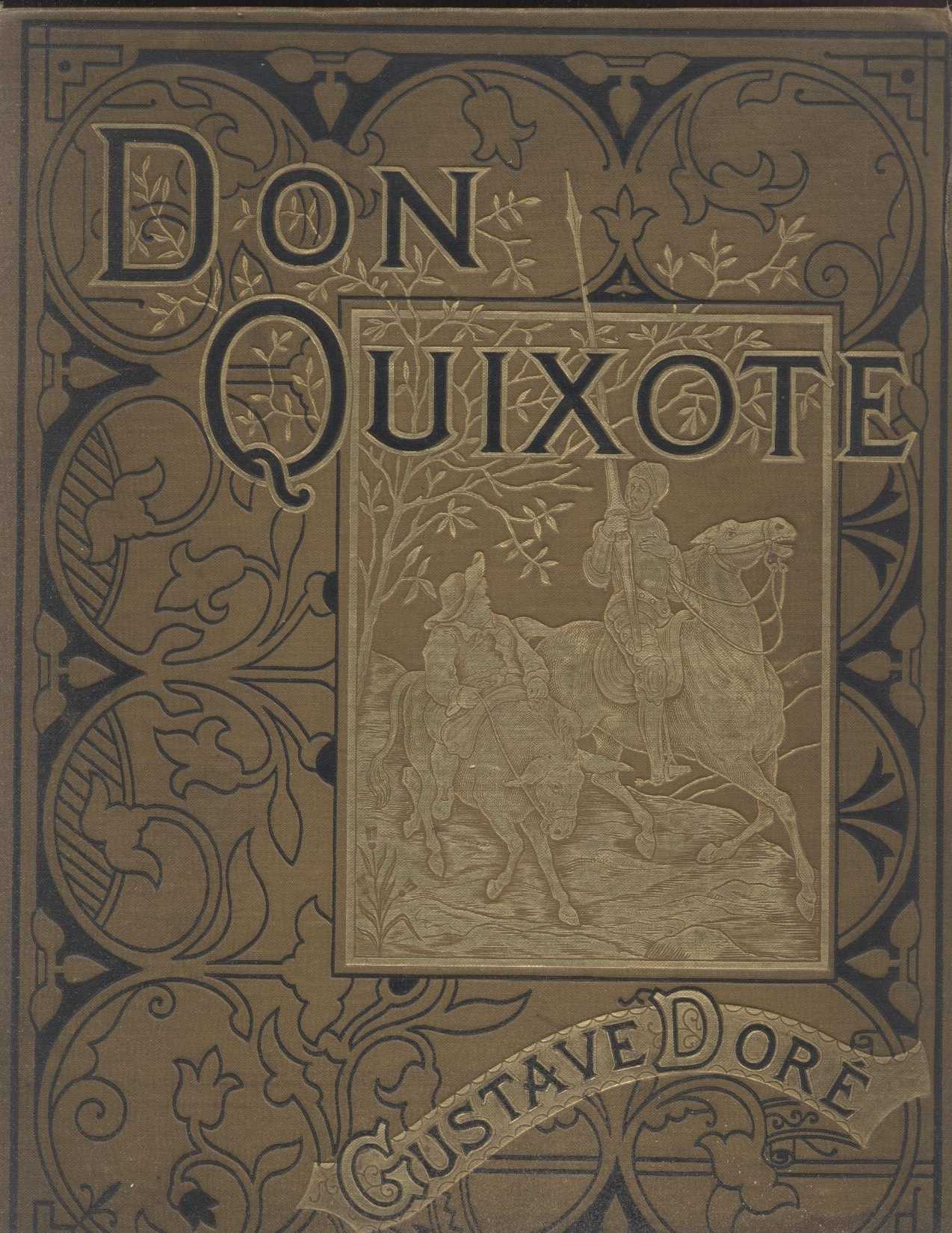
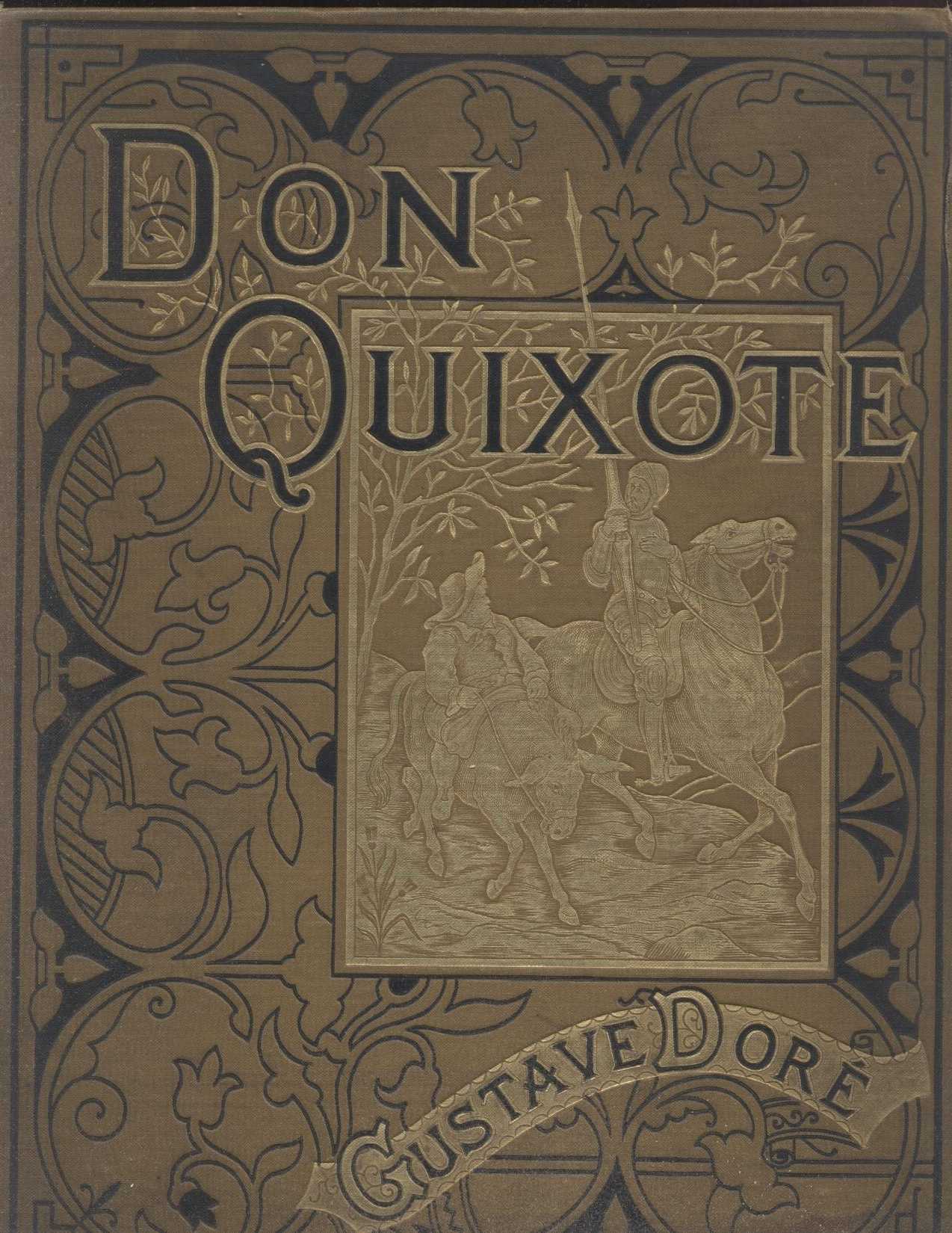
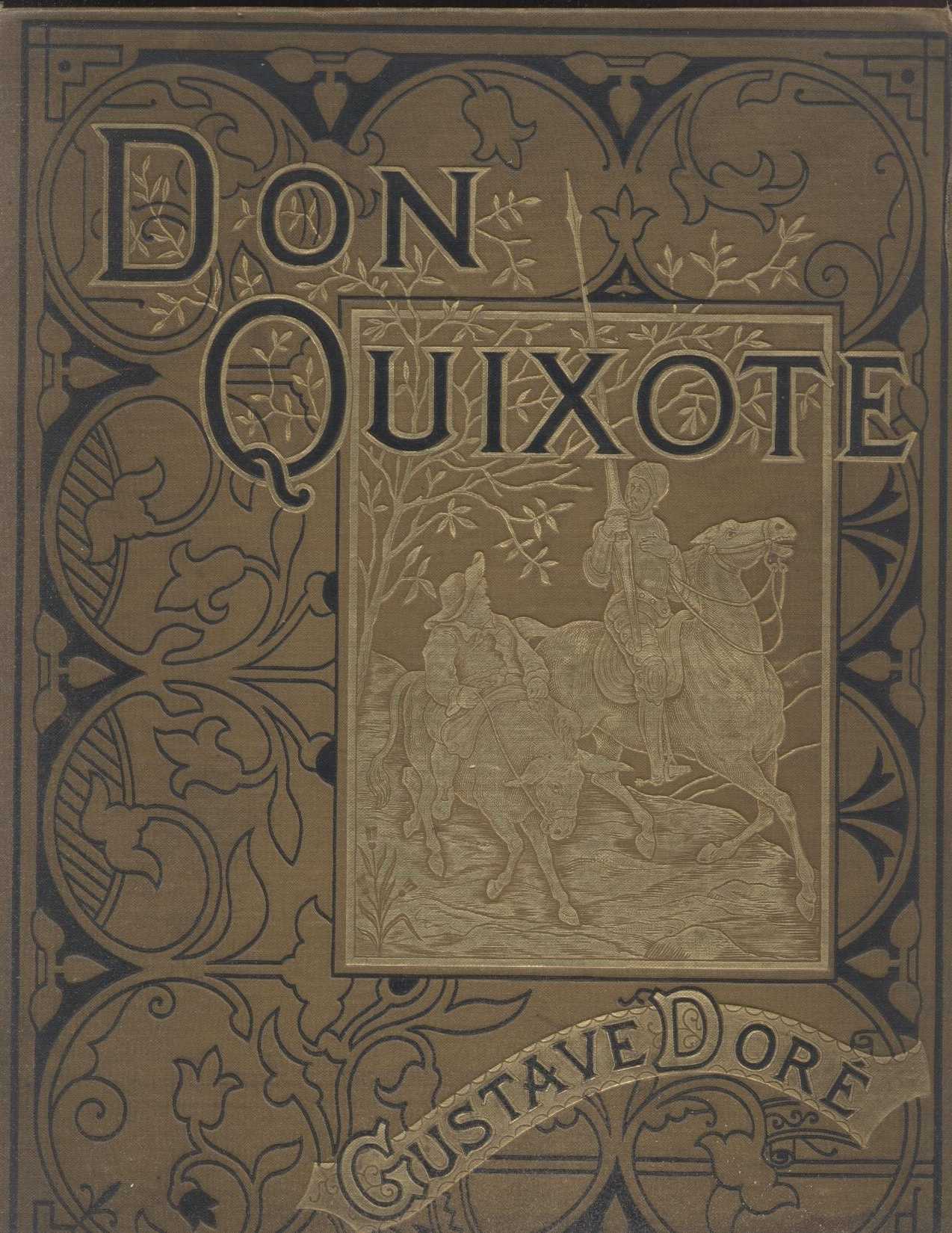
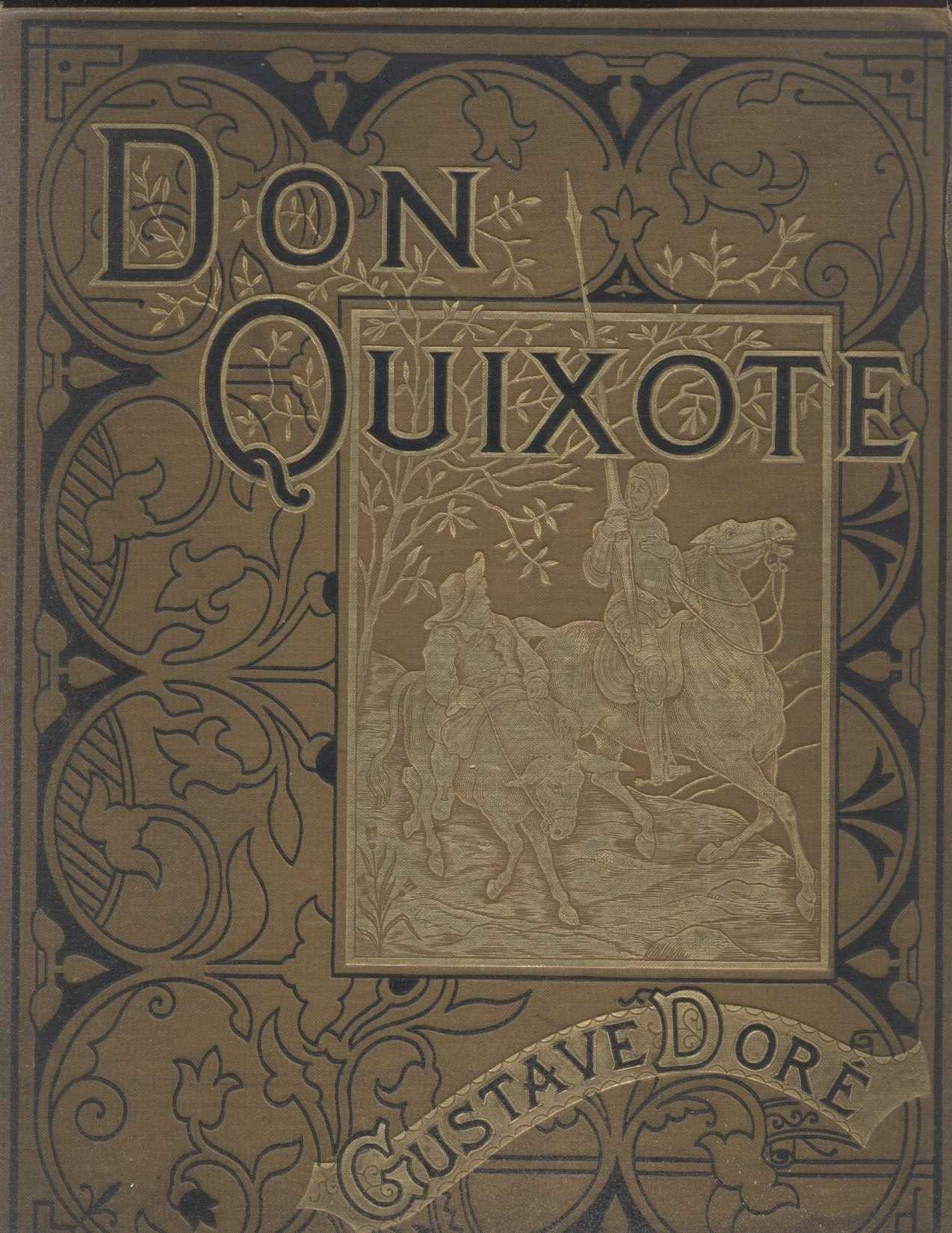
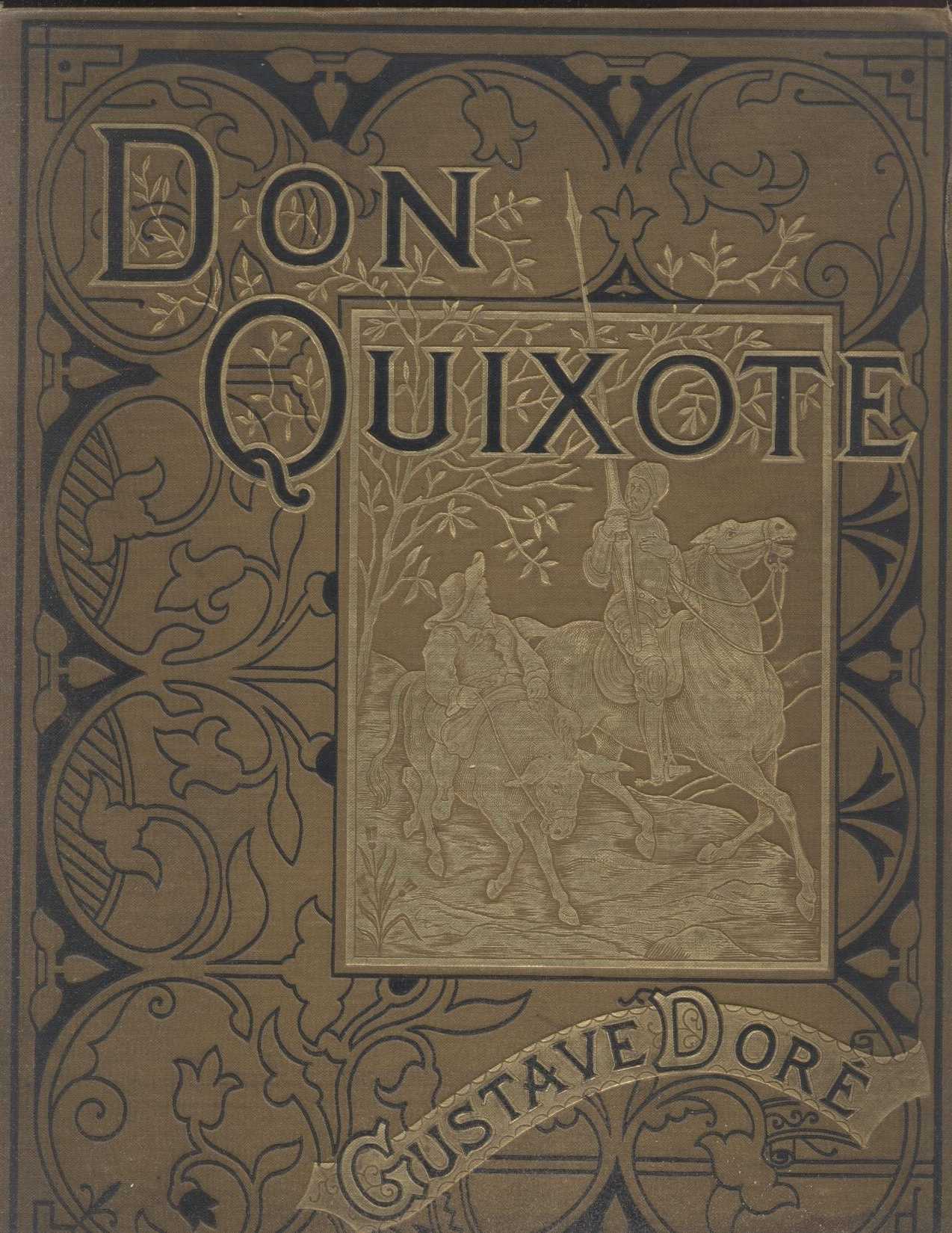
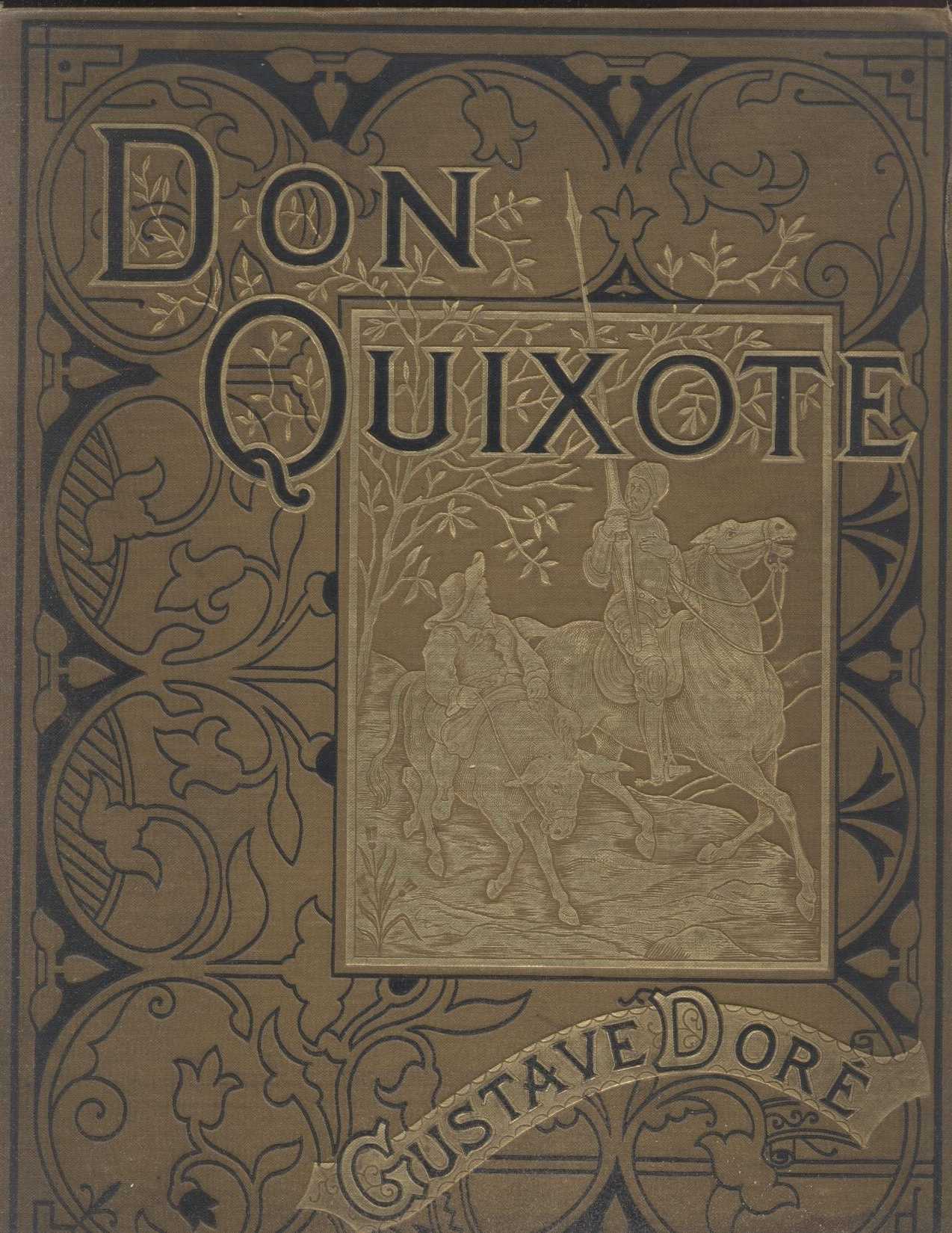
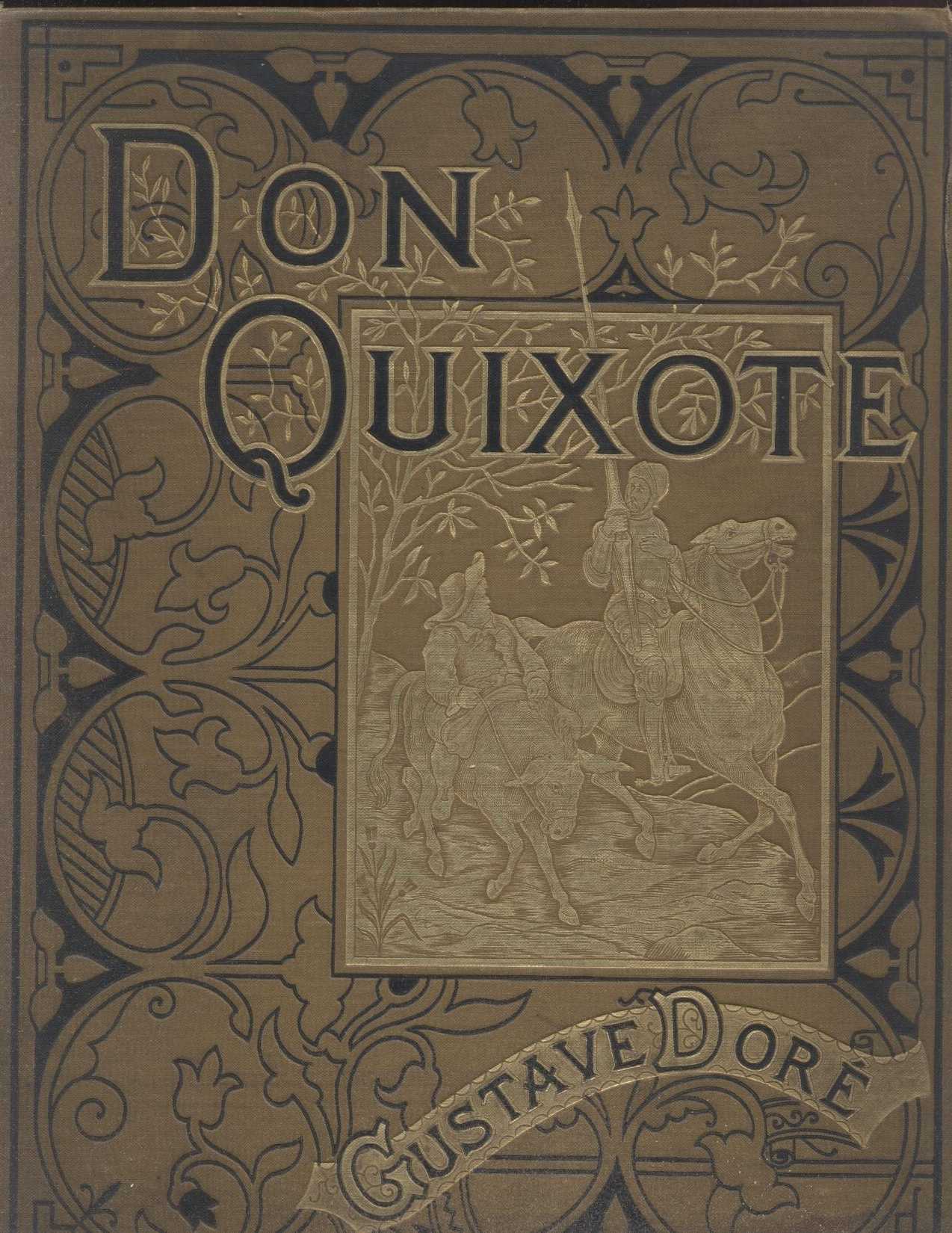
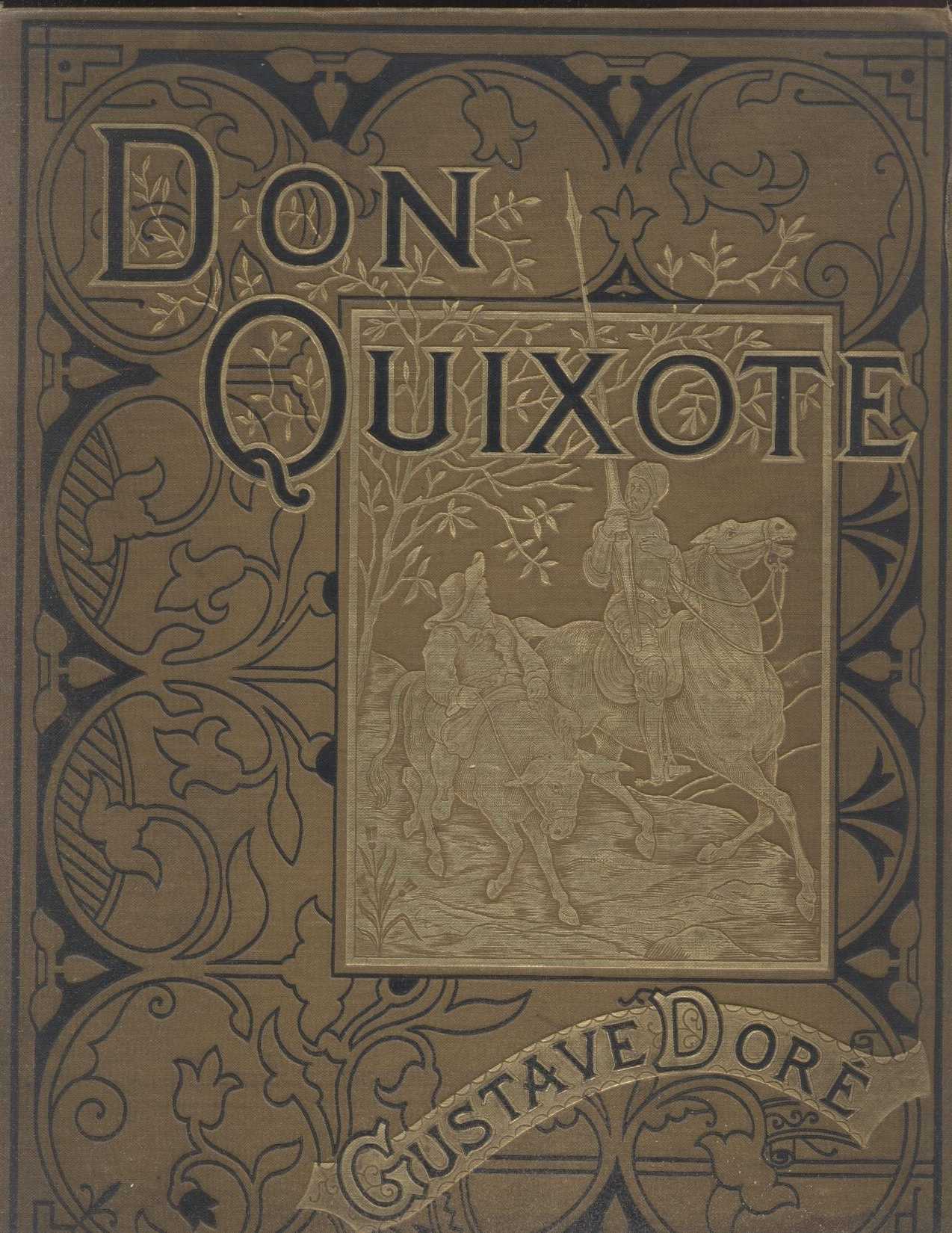
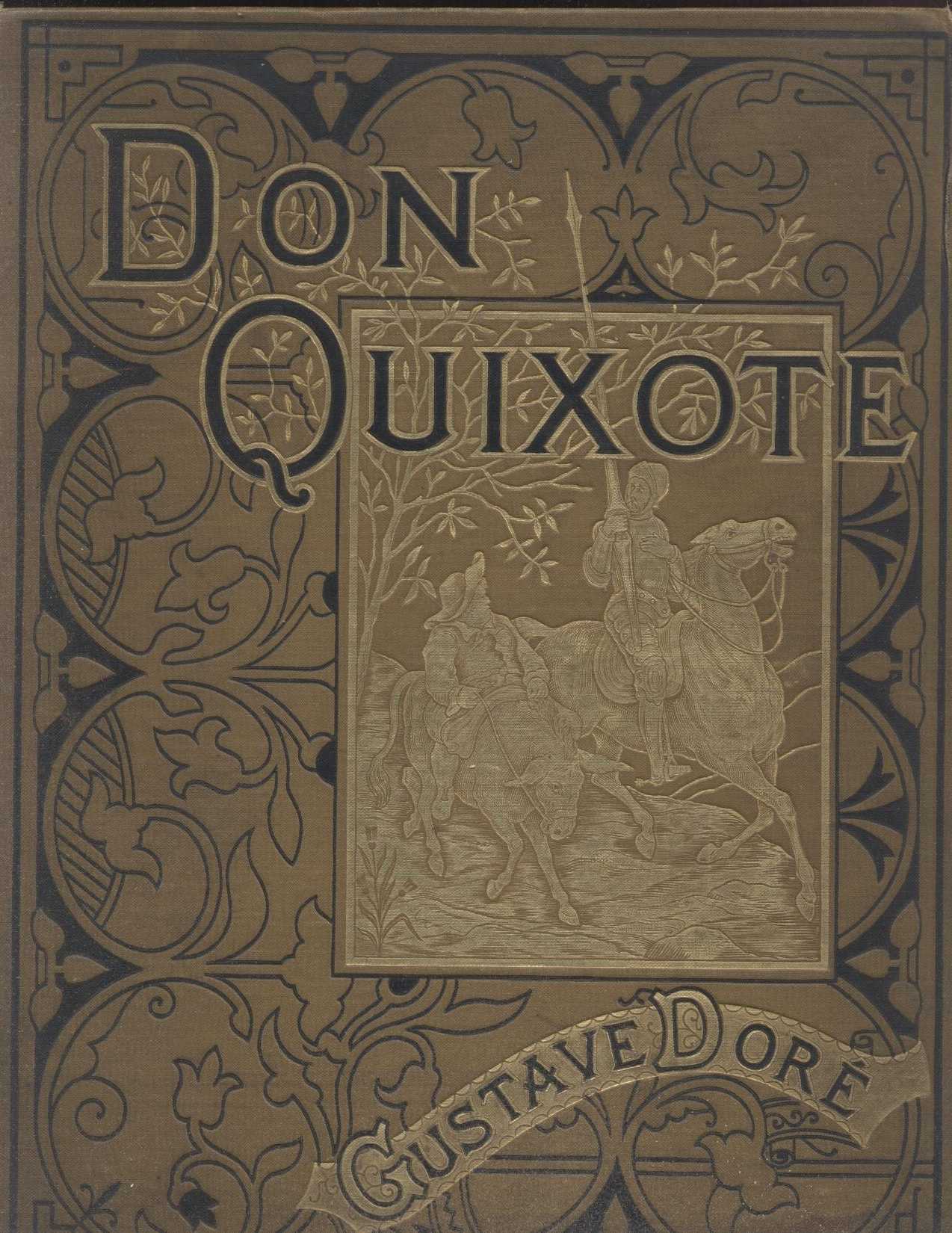
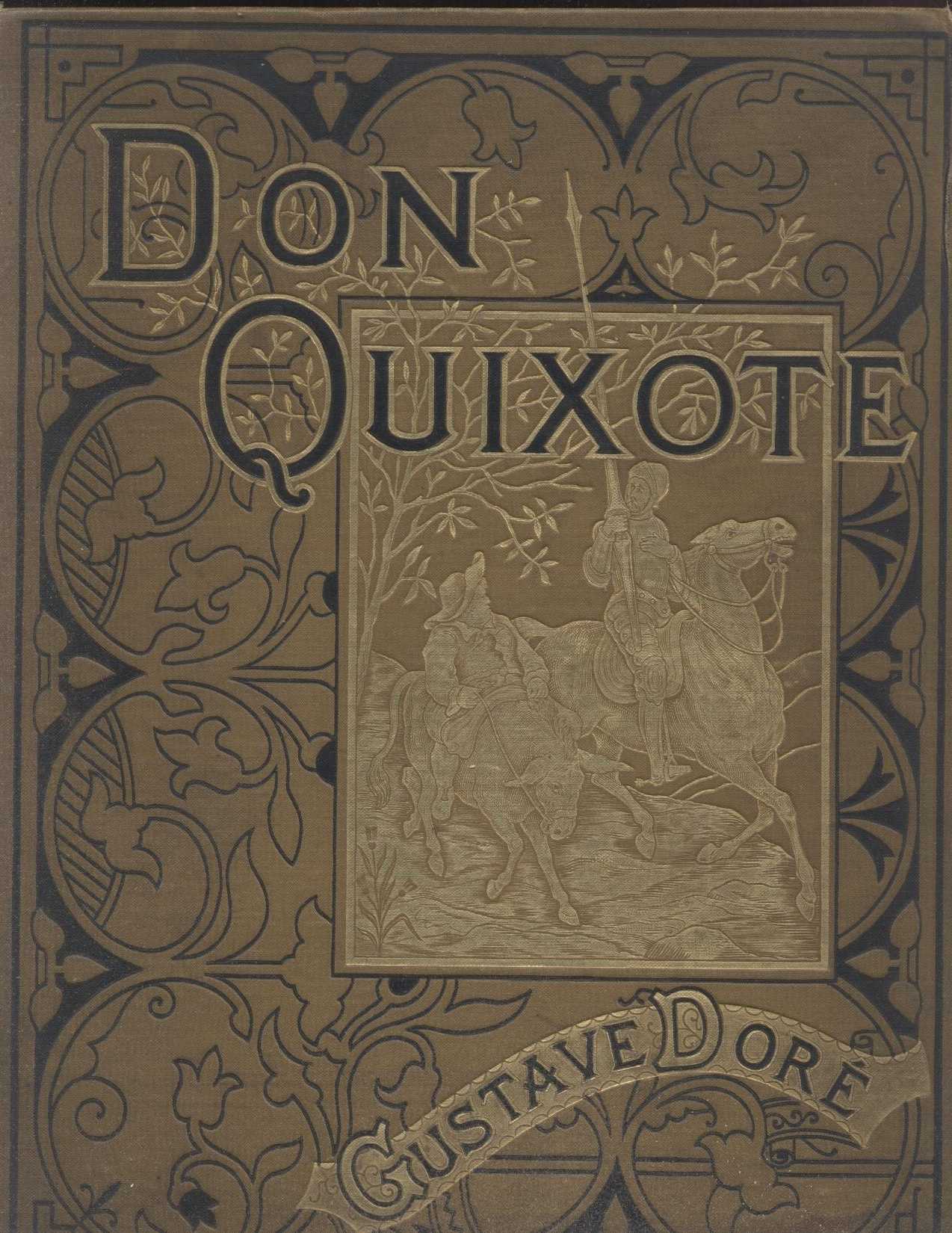
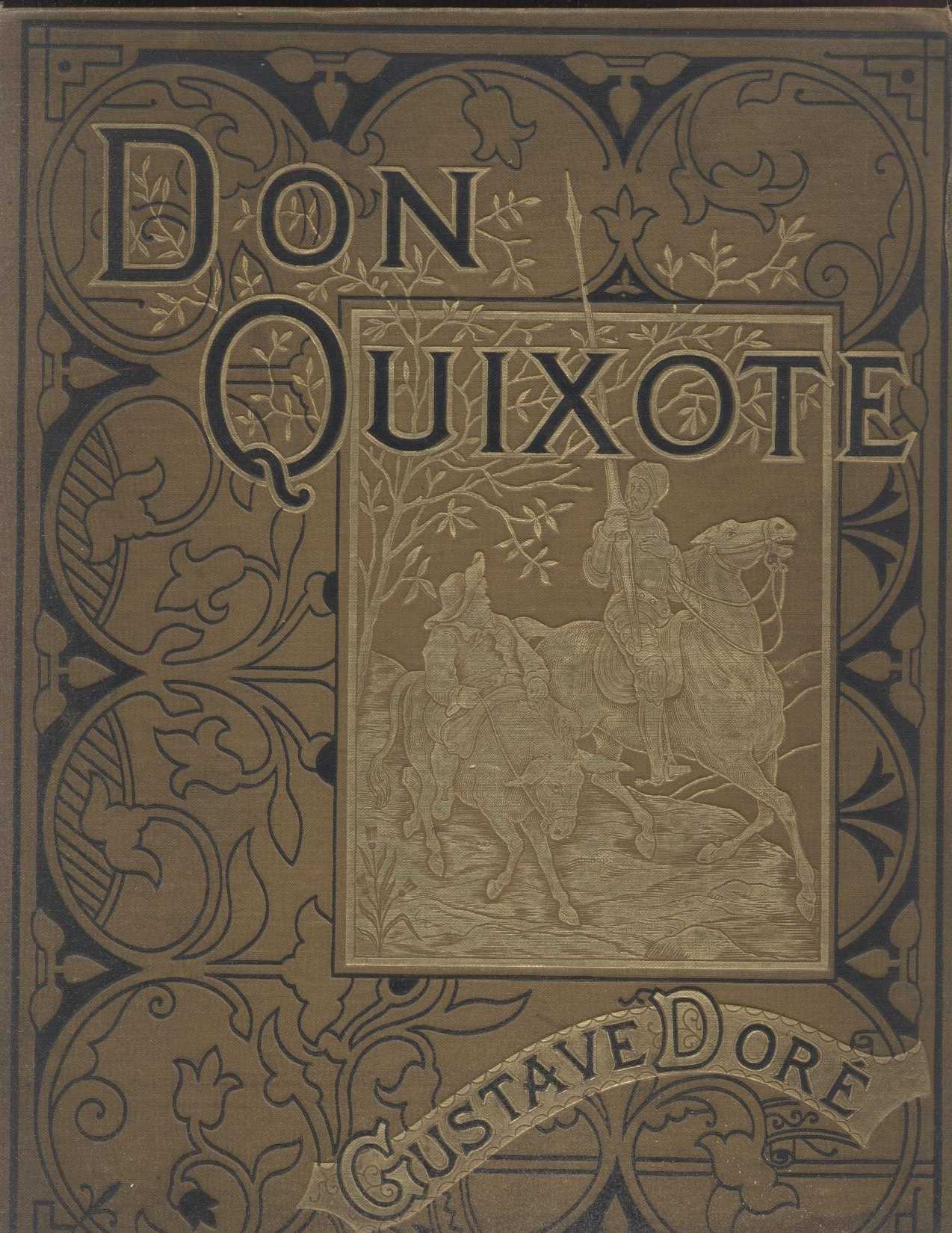
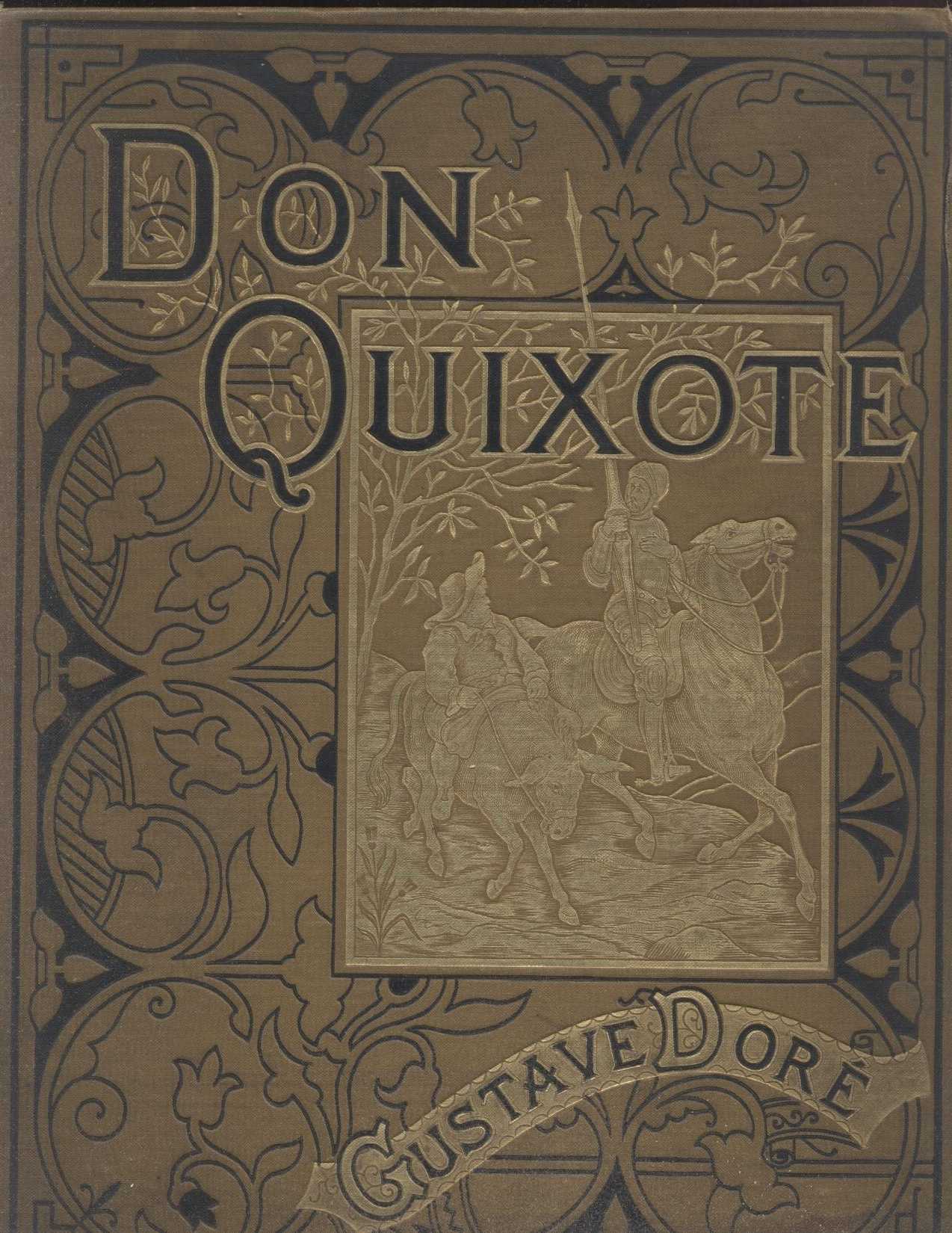
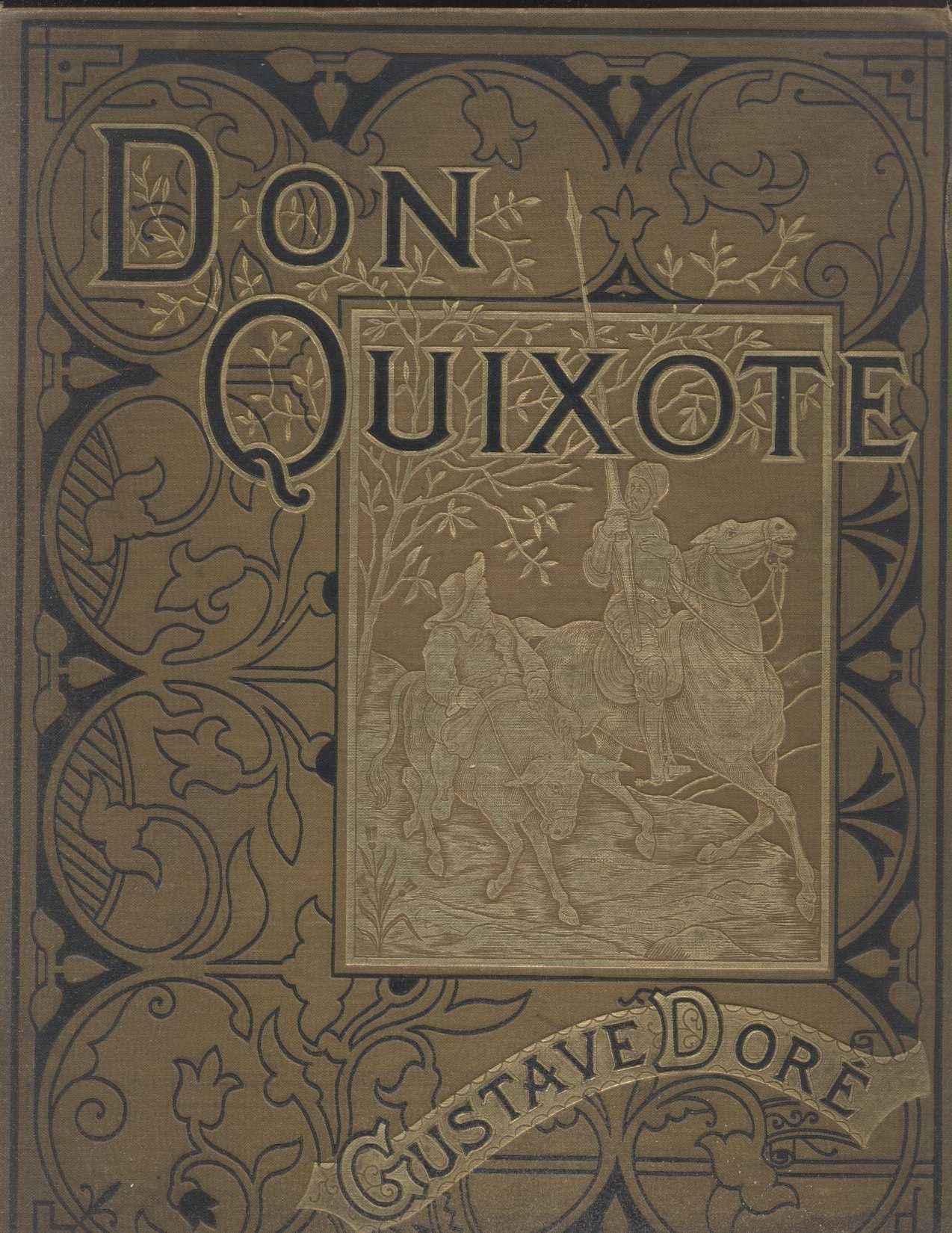
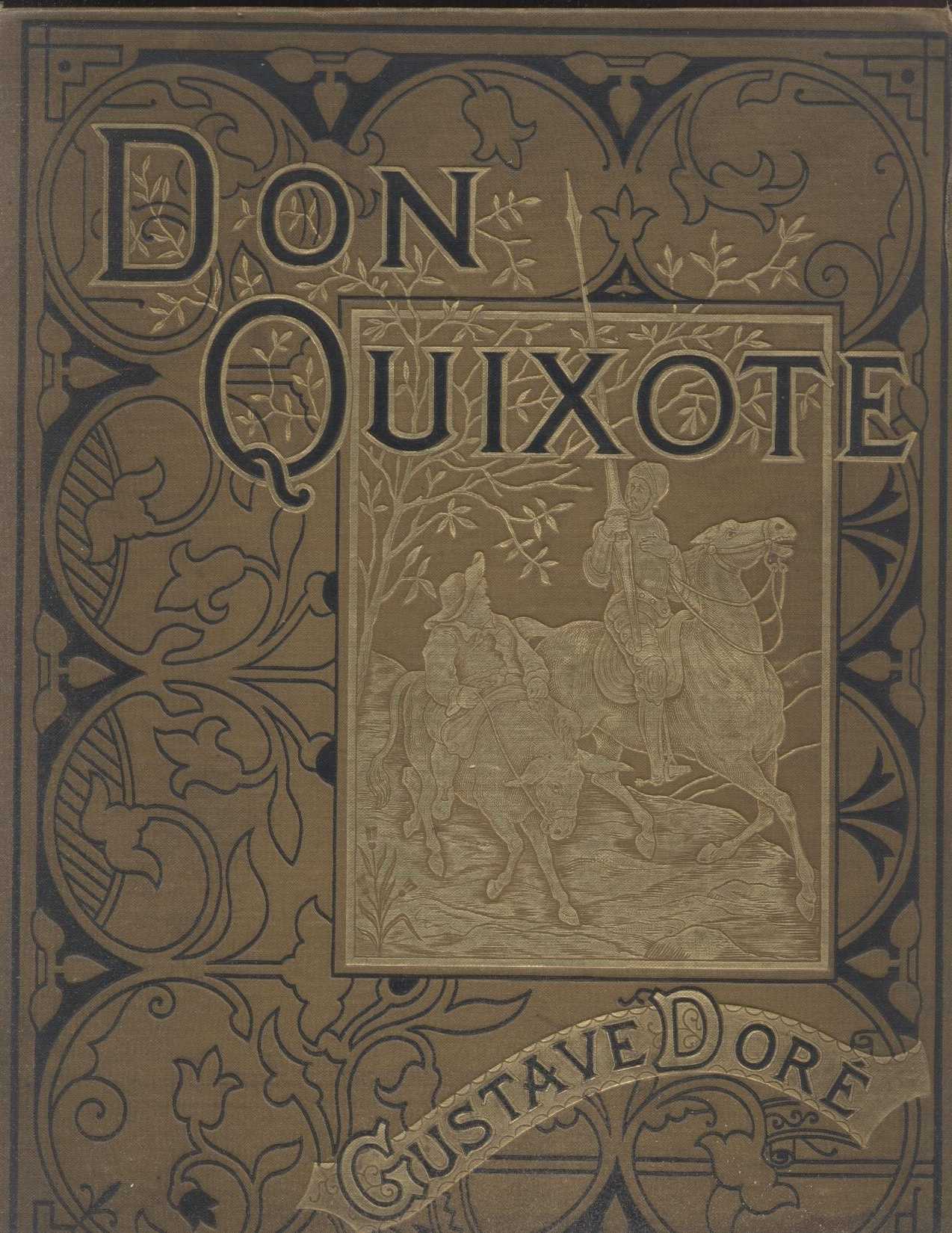
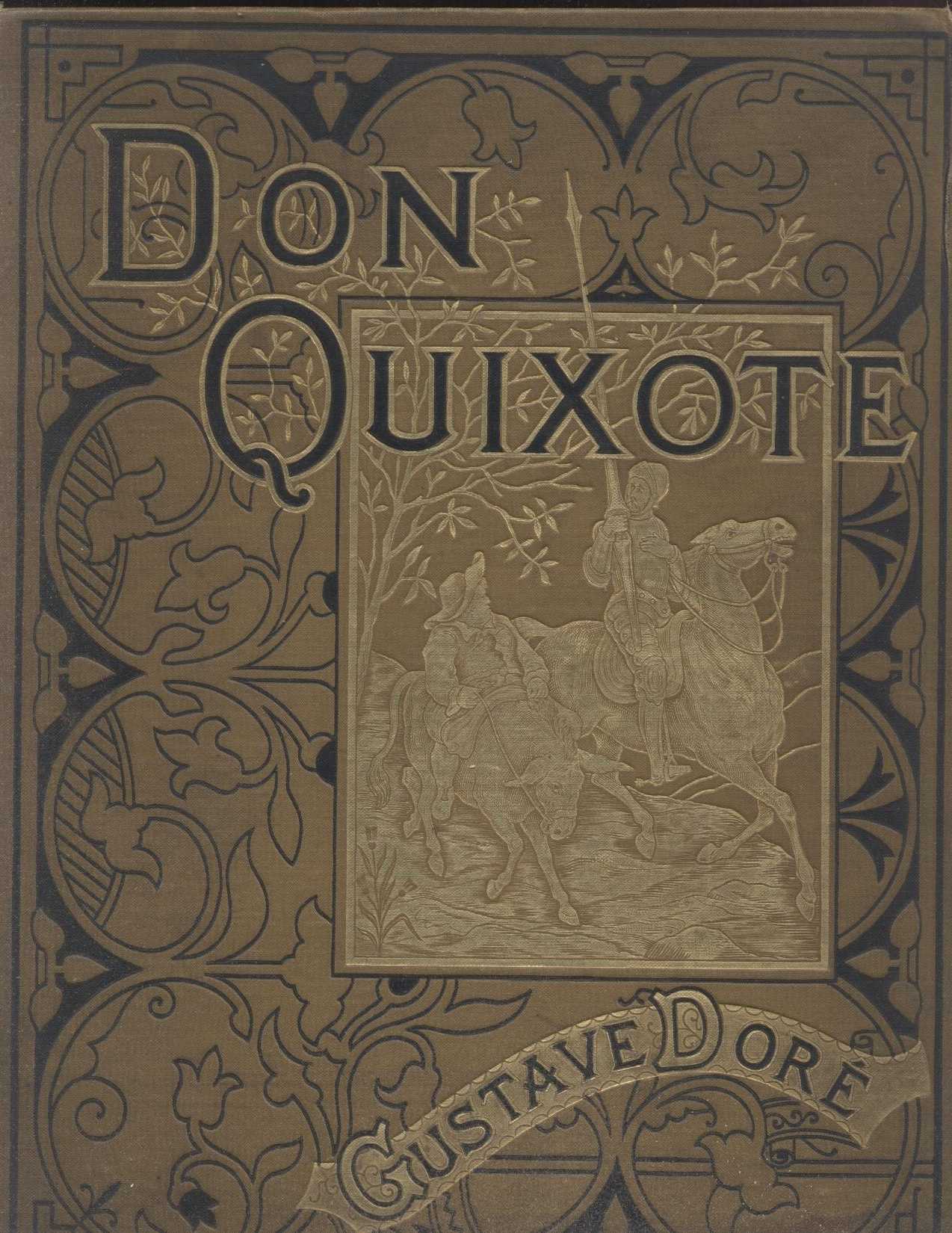
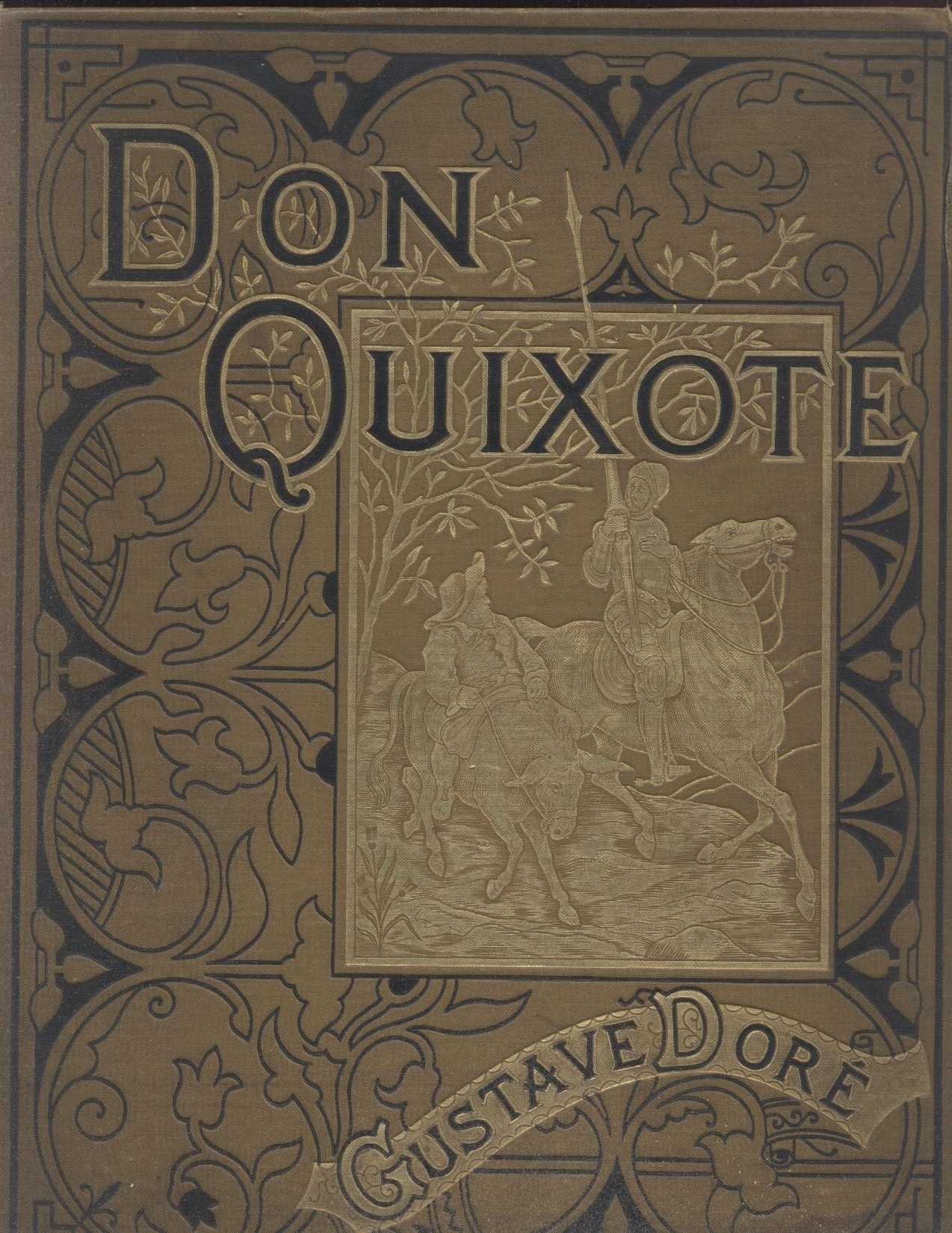
The History of Don Quixote, Volume 2, Complete
1605
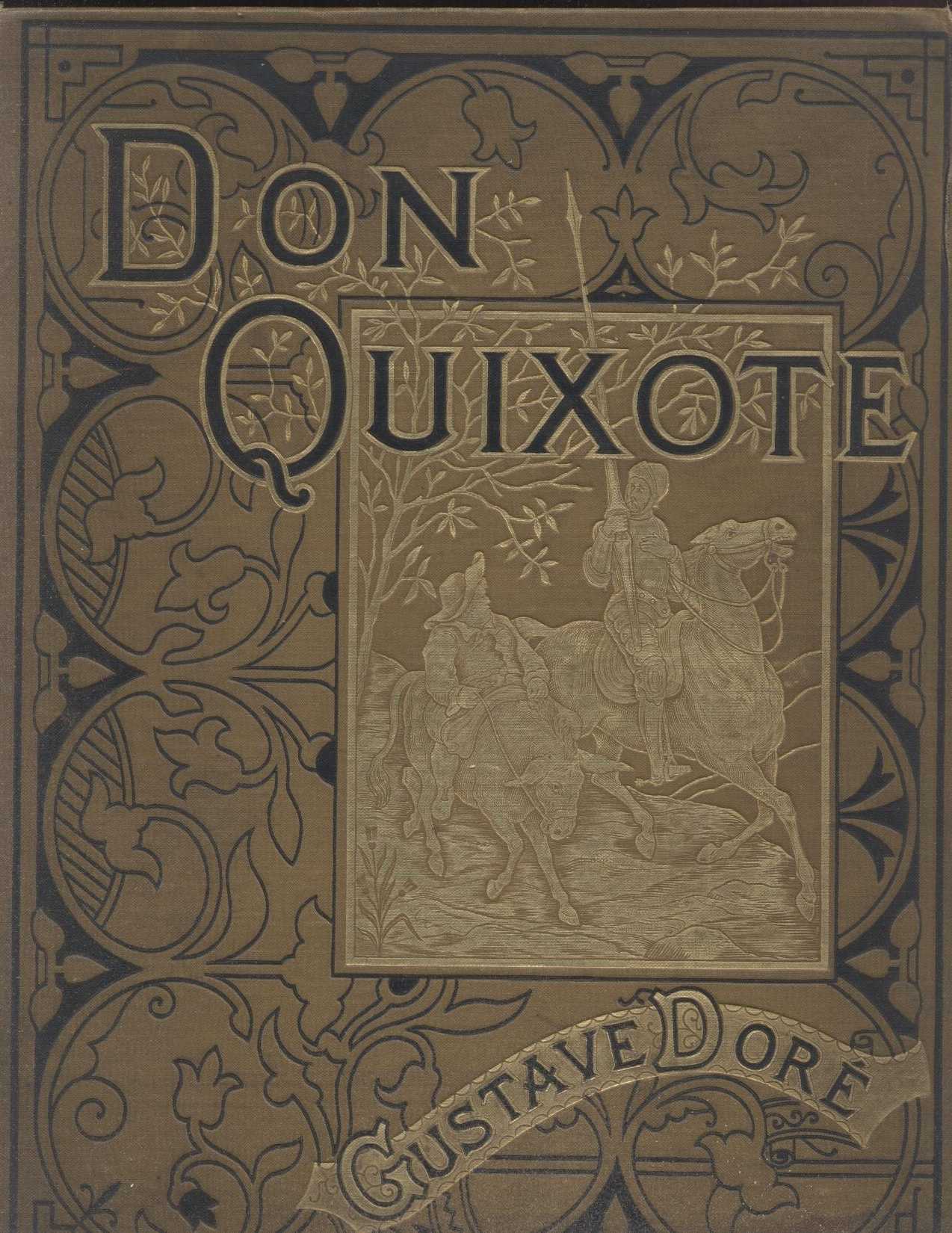
The History of Don Quixote, Volume 2, Complete
1605
Translated by John Ormsby
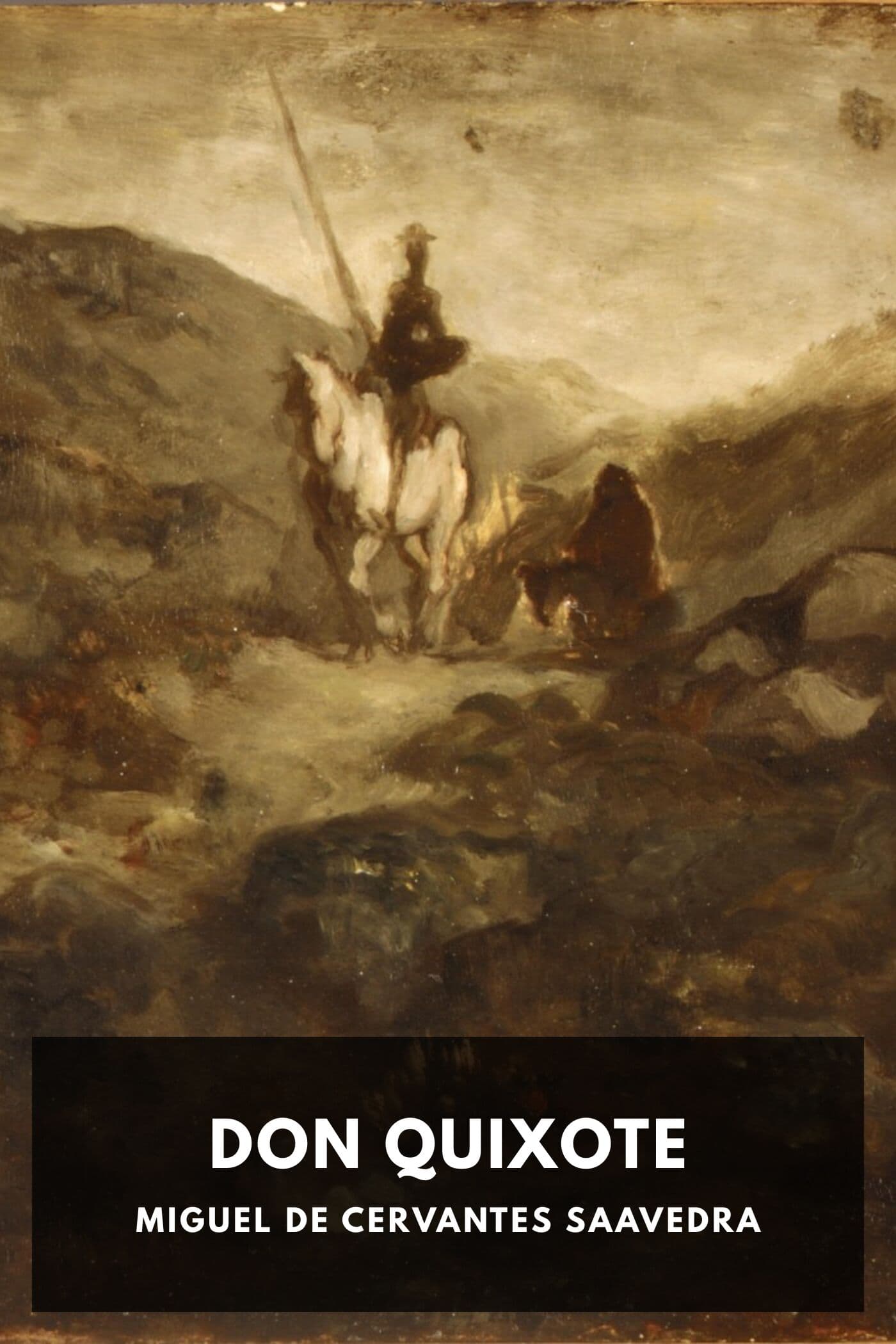
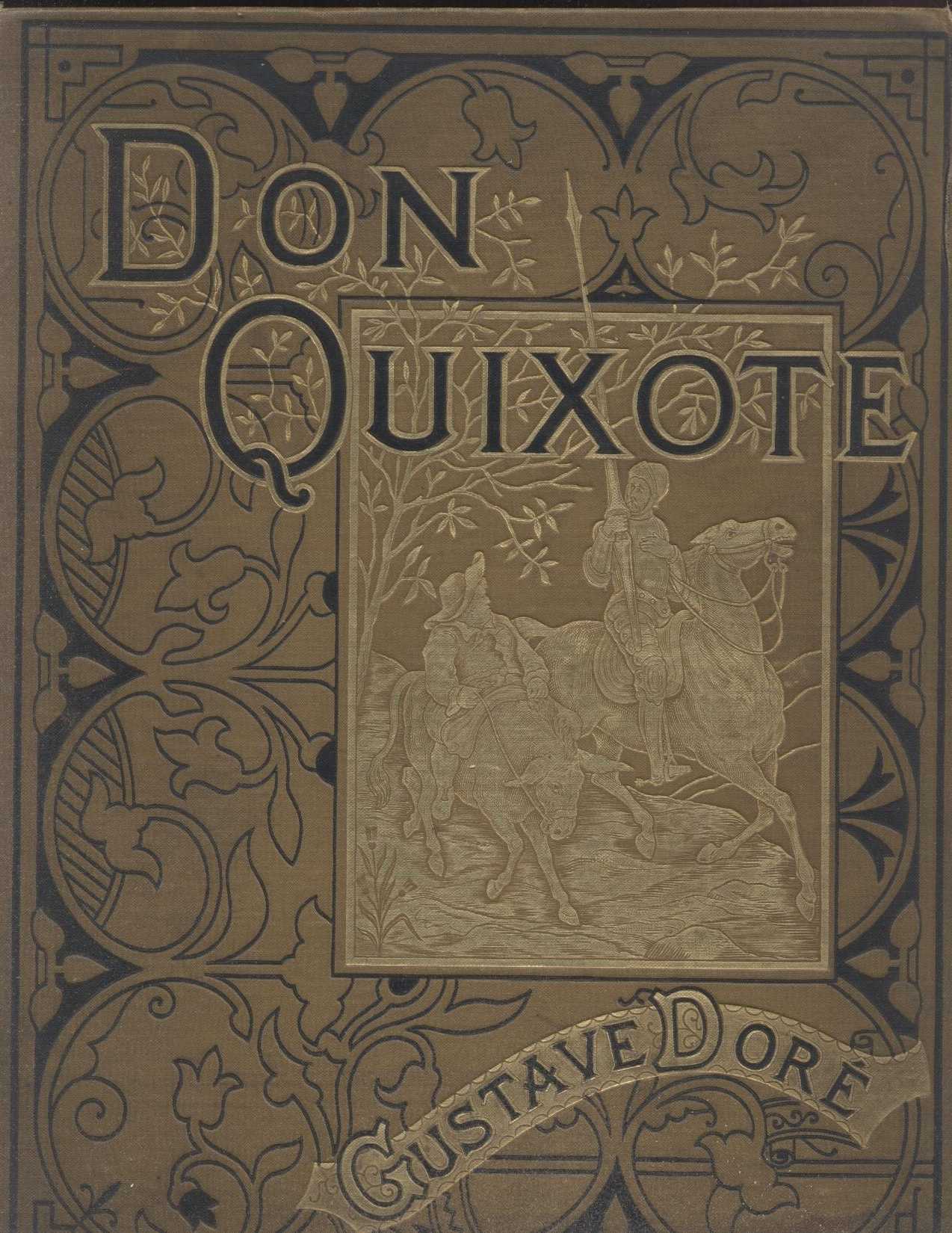
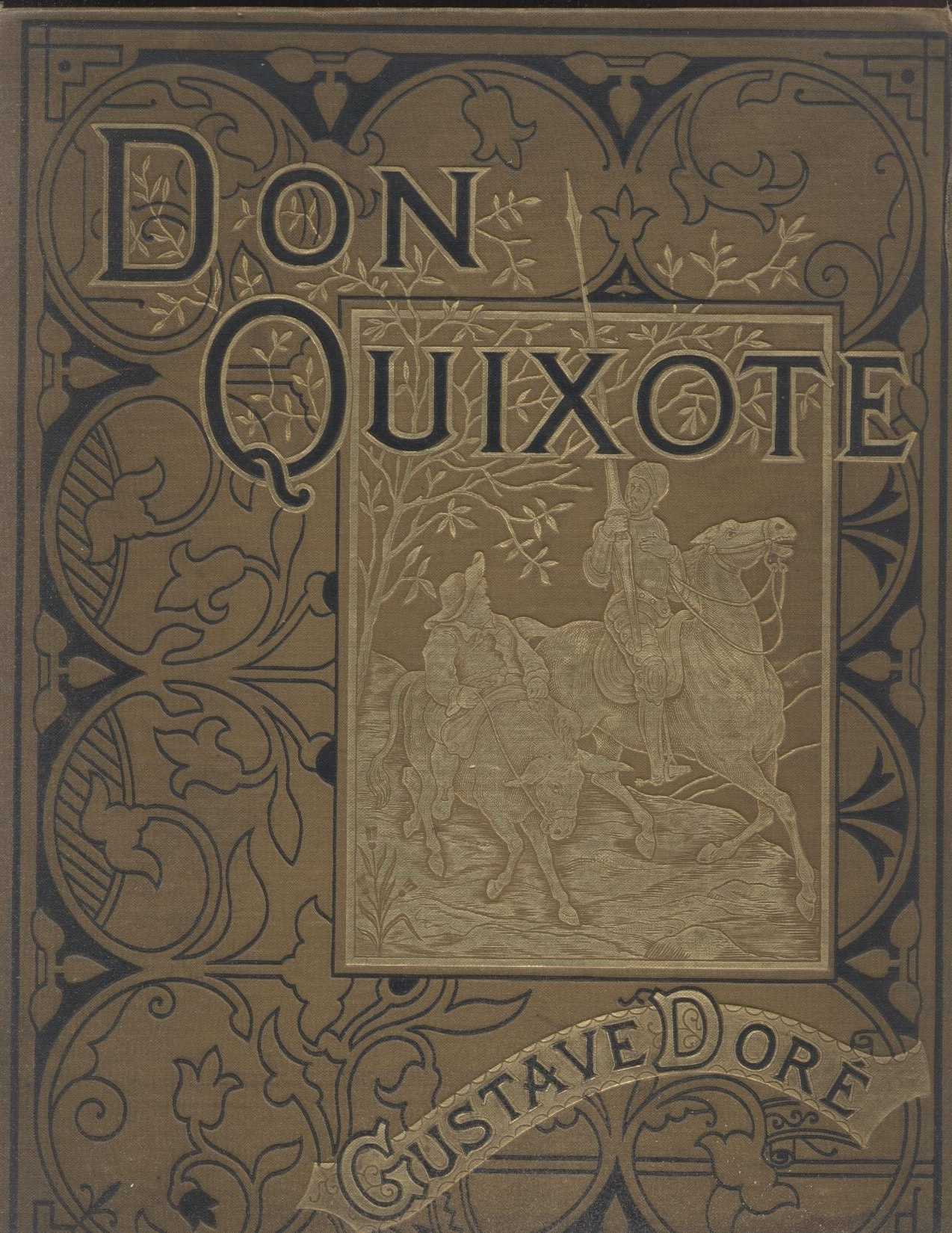
The second volume of Don Quixote contains one of literature's most audacious conceits: its protagonists have read the first volume and know they're famous. Cervantes, furious that a hack named Avellaneda had published a fraudulent sequel the year before, created something revolutionary: characters who are self-aware, who debate their own authorship, and who insist the reader recognize them as real in the way that only fiction can be. Here, Don Quixote and Sancho Panza ride out into a world that has already consumed their story. They encounter readers who recognize them, demand they perform their legend, and wrestle with the strange immortality literature grants. This is a novel about the ontology of fiction: what does it mean to be a character who knows he's being read? Don Quixote remains deluded, still tilting at windmills, still noble in his beautiful insanity. Sancho remains his earthbound counterweight, greedy and wise and skeptical. But something has shifted: they're conscious of their place in a narrative, and that changes everything. This is where the modern novel was born, not in realism, but in the moment a character first looked out from the page and understood the reader looking back.
Editions
X-Ray
“No hay libro tan malo [...] que no tenga algo bueno.””
— Miguel de Cervantes Saavedra
“-La libertad, Sancho, es uno de los más preciosos dones que a los hombres dieron los cielos; con ella no pueden igualarse los tesoros que encierra la tierra ni el mar encubre; por la libertad, así como por la honra, se puede y debe aventurar la vida, y, por el contrario, el cautiverio es el mayor mal que puede venir a los hombres.””
— Miguel de Cervantes Saavedra
“Yo sé quien soy...””
— Miguel de Cervantes Saavedra
“No huye el que se retira -respondió don Quijote- porque has de saber, Sancho, que la valentía que no se funda sobre la basa de la prudencia se llama temeridad, y las hazañas del temerario más se atribuyen a la buena fortuna que a su ánimo””
— Miguel de Cervantes Saavedra
“la senda de la virtud es muy estrecha, y el camino del vicio, ancho y espacioso;””
— Miguel de Cervantes Saavedra
“Haz gala, Sancho, de la humildad de tu linaje, y no te desprecies de decir que vienes de labradores; porque viendo que no te corres, ninguno se pondrá a correrte; y préciate más de ser humilde virtuoso que pecador soberbio.””
— Miguel de Cervantes Saavedra
“Poco desviados de allí hicieron alto estos tres carros, y cesó el enfadoso ruido de sus ruedas, y luego se oyó otro, no ruidoXVIII, sino un son de una suave y concertada música formado, con que Sancho se alegró, y lo tuvo a buena señal, y, así, dijo a la duquesa, de quien un punto ni un paso se apartaba:”
— Miguel de Cervantes Saavedra
“Ju them me dorë ne zemër, o zot i mirë, - tha Sançoja, - se asaj hundëkrrutes nuk i ziret besë dhe e kam fjalën, domosdo, sikundër qe e kuptoni, për vdekjen. Se për atë janë njëlloj si ajo foshnja buzëqumësht patharë, ashtu edhe ay kërcuplaku trutharë, që s'është as për shtëpi, as për arë [...] shtie sytë në pallatet e mbretërve, sa edhe në kalivet e varfanjakëve. Dhe kësaj zonje i pëlqen më shumë te dëftenj sa është e fortë e harbute, sesa të hiqet e druajtur dhe e sjellur. Dhe as është nazike hiç asfare, se ha nga të gjitha, se, dua të them, i kullufit të gjithë, duke e mbushur trastën e saj me zahirera njerëzish lloj-lloj nga të gjitha vërsat e nga të gjitha zanatet. S'është nga ata korrës ajo, të cilëve ua ka ënda të bëjnë një sy gjumë në drekë, se s'e heq asnjë minutë kosën nga dora dhe pret njëlloj si barin e thatë, ashtu dhe te njomin dhe, sikundër që m'u volit të them edhe pak më parë, nuk zgjedh e as ha majën e gjërit, po përpin, kjo llufashja më e madhe e botës, ç't'i dalë përpara e ç'të jetë, se është tërë kohës e uritur si një qen dhe, ndonëse Zoti s'e ka pajisur me bark vuan, duket, nga lëbarkja, se kaq, po kaq e etur ua pi e ua përpin atë të shkretë jetë njerëzve, sa të thuash ti se po rrëkëllen ashtu një shtambë me ujë të ftohtë.””
— Miguel de Cervantes Saavedra
“Amigos, cualesquiera que seáis, que en esa prisión quedáis encerrados, perdonadme; que, por mi desgracia y por la vuestra, yo no os puedo sacar de vuestra cuita. Para otro caballero debe de estar guardada y reservada esta aventura.””
— Miguel de Cervantes Saavedra
Link to this book
Add a free, dofollow link to Lex on your blog, forum, syllabus, or reading list.

<a href="https://lex-books.com/book/the-history-of-don-quixote-volume-2-complete-4f787261-5c62-440e-b9b0-e83e1c3f20b7"><img src="https://lex-books.com/badges/read-on-lex.svg" alt="Read The History of Don Quixote, Volume 2, Complete by Miguel de Cervantes Saavedra free on Lex" width="160" height="40"></a>[](https://lex-books.com/book/the-history-of-don-quixote-volume-2-complete-4f787261-5c62-440e-b9b0-e83e1c3f20b7)[url=https://lex-books.com/book/the-history-of-don-quixote-volume-2-complete-4f787261-5c62-440e-b9b0-e83e1c3f20b7][img]https://lex-books.com/badges/read-on-lex.svg[/img][/url]Read The History of Don Quixote, Volume 2, Complete by Miguel de Cervantes Saavedra free on Lex: https://lex-books.com/book/the-history-of-don-quixote-volume-2-complete-4f787261-5c62-440e-b9b0-e83e1c3f20b7Cite this book
Reading this edition for a paper or guide? Copy a citation.
Saavedra, Miguel de Cervantes. The History of Don Quixote, Volume 2, Complete. Lex, lex-books.com/book/the-history-of-don-quixote-volume-2-complete-4f787261-5c62-440e-b9b0-e83e1c3f20b7.Saavedra, M. D. C. (1605). The History of Don Quixote, Volume 2, Complete. Lex. https://lex-books.com/book/the-history-of-don-quixote-volume-2-complete-4f787261-5c62-440e-b9b0-e83e1c3f20b7Saavedra, Miguel de Cervantes. The History of Don Quixote, Volume 2, Complete. Lex. https://lex-books.com/book/the-history-of-don-quixote-volume-2-complete-4f787261-5c62-440e-b9b0-e83e1c3f20b7.