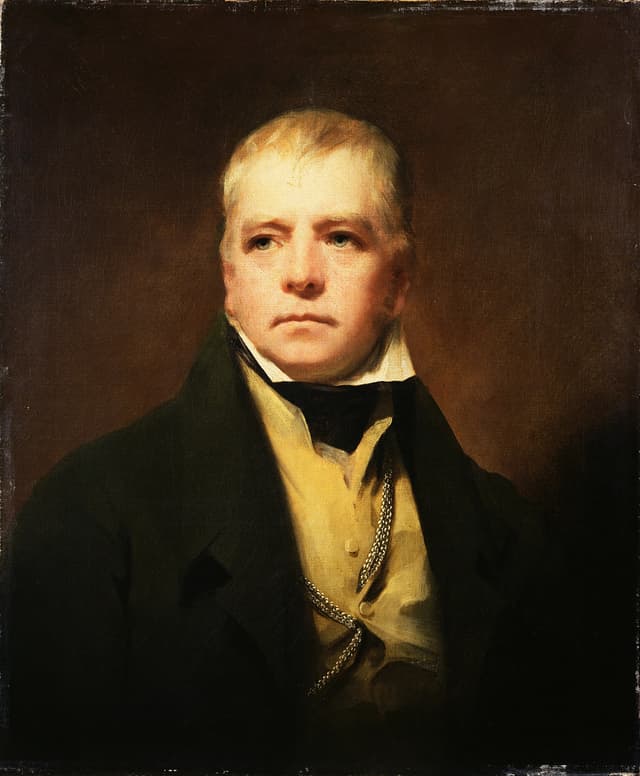
Walter Scott
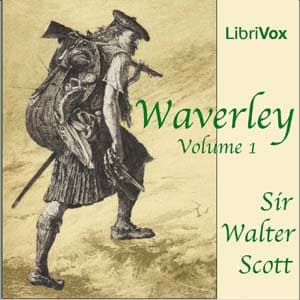
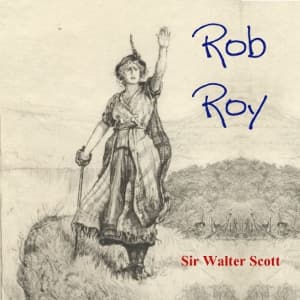
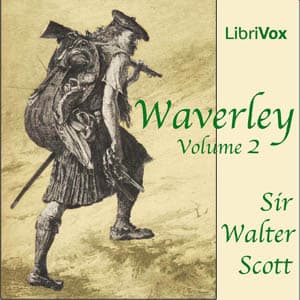
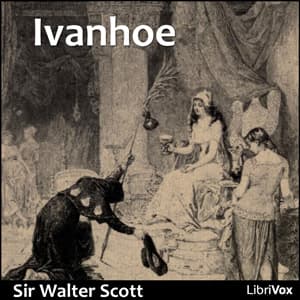
Sir Walter Scott was a pioneering Scottish novelist, poet, and historian whose works significantly shaped the landscape of European and Scottish literature. His notable novels, including 'Ivanhoe,' 'Rob Roy,' and 'Waverley,' along with his narrative poems such as 'Marmion' and 'The Lady of the Lake,' established him as a central figure in the development of the historical novel genre. Scott's writing is characterized by its rich historical detail and exploration of Scottish identity, which resonated deeply with readers of his time and beyond. In addition to his literary achievements, Scott was an active member of Edinburgh's Tory establishment and held various public roles, including Clerk of Session and Sheriff-Depute of Selkirkshire. His deep knowledge of history and literature allowed him to weave compelling narratives that not only entertained but also educated his audience about Scotland's past. Scott's influence extended to both European and American literature, inspiring countless writers and contributing to the Romantic movement. His legacy endures through his extensive body of work, which continues to be celebrated for its innovation and cultural significance.
Famous Quotes
View all 19 quotes“All men who have turned out worth anything have had the chief hand in their own education.””
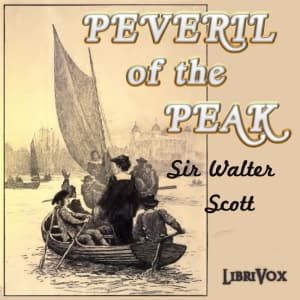
Books from the author


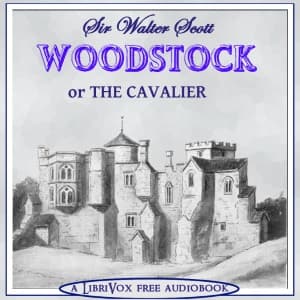
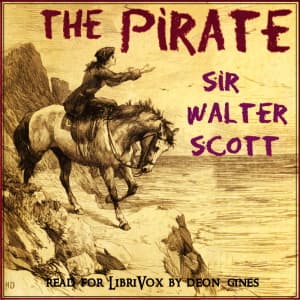
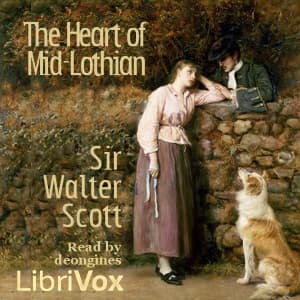




Link to this page
Add a free, dofollow link to Lex on your blog, forum, syllabus, or reading list.

<a href="https://lex-books.com/author/walter-scott"><img src="https://lex-books.com/badges/read-on-lex.svg" alt="Walter Scott on Lex" width="160" height="40"></a>[](https://lex-books.com/author/walter-scott)[url=https://lex-books.com/author/walter-scott][img]https://lex-books.com/badges/read-on-lex.svg[/img][/url]Walter Scott on Lex: https://lex-books.com/author/walter-scott