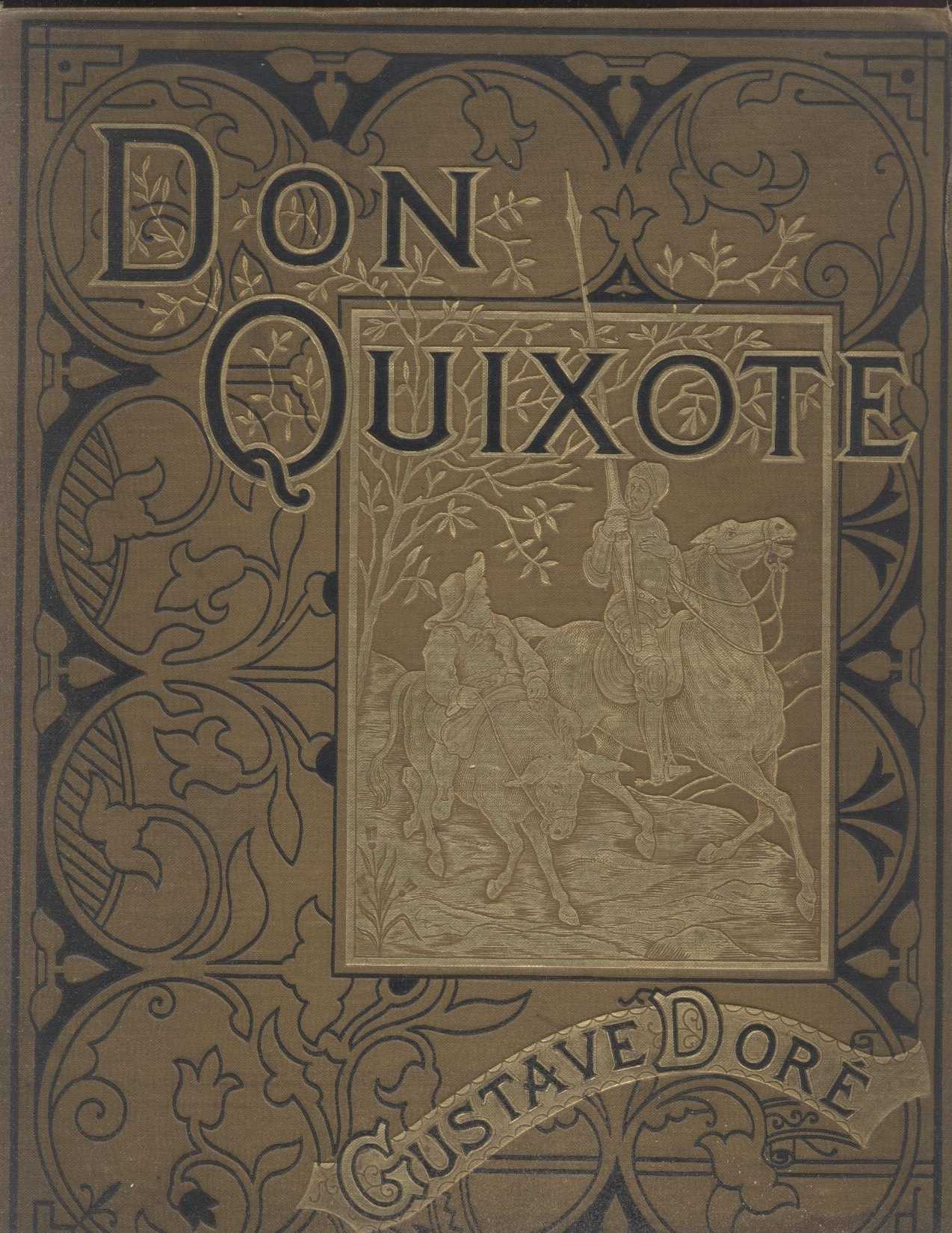
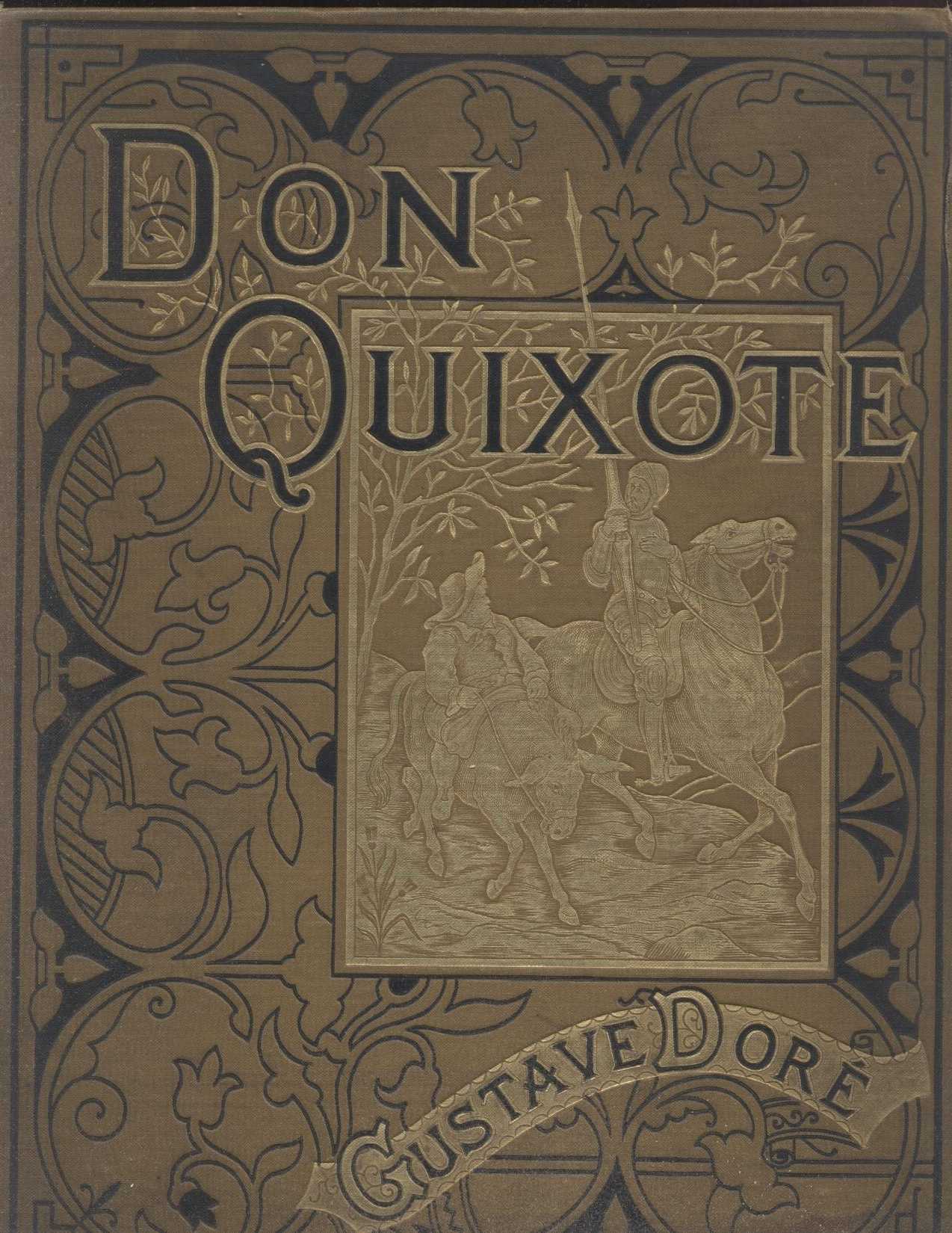
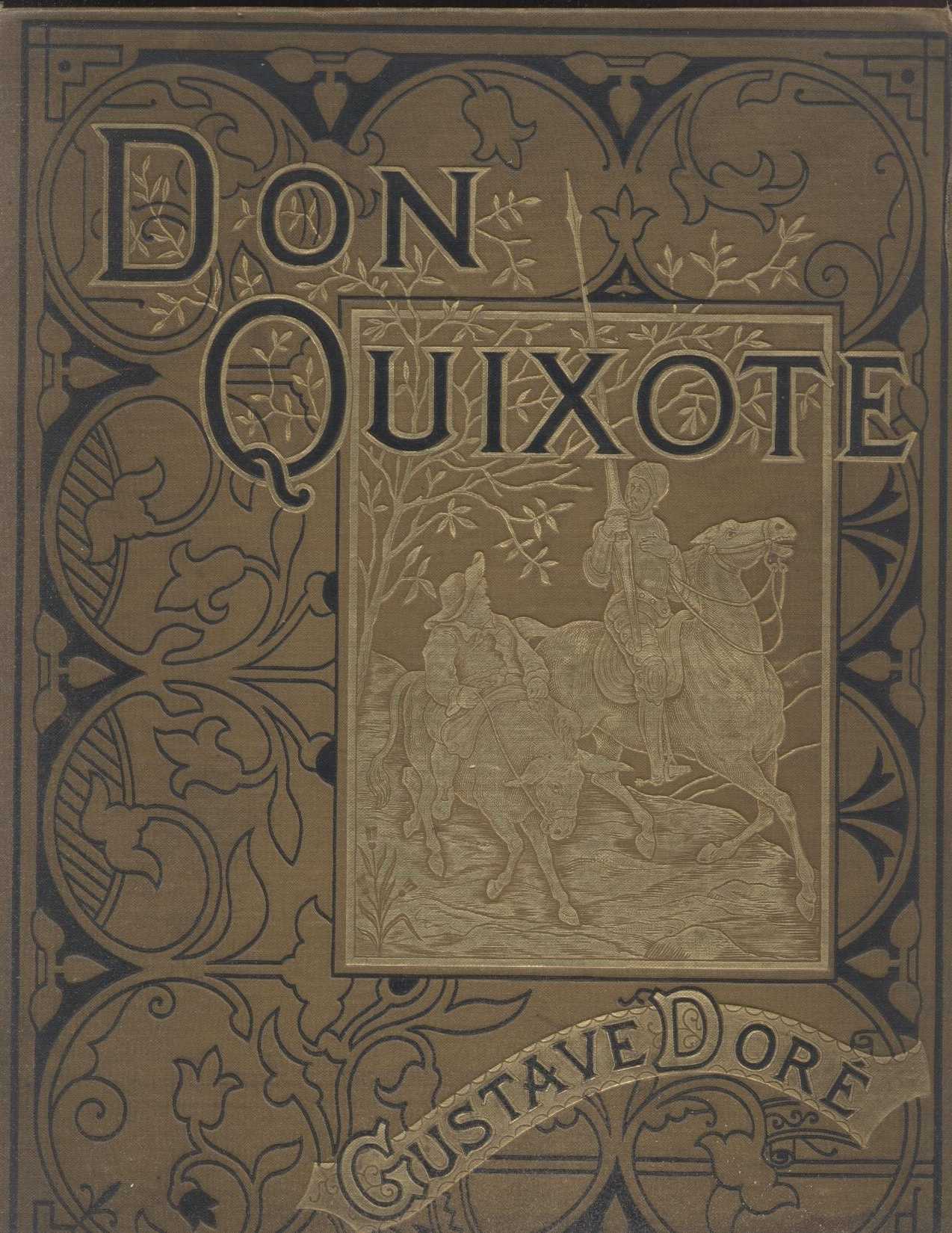
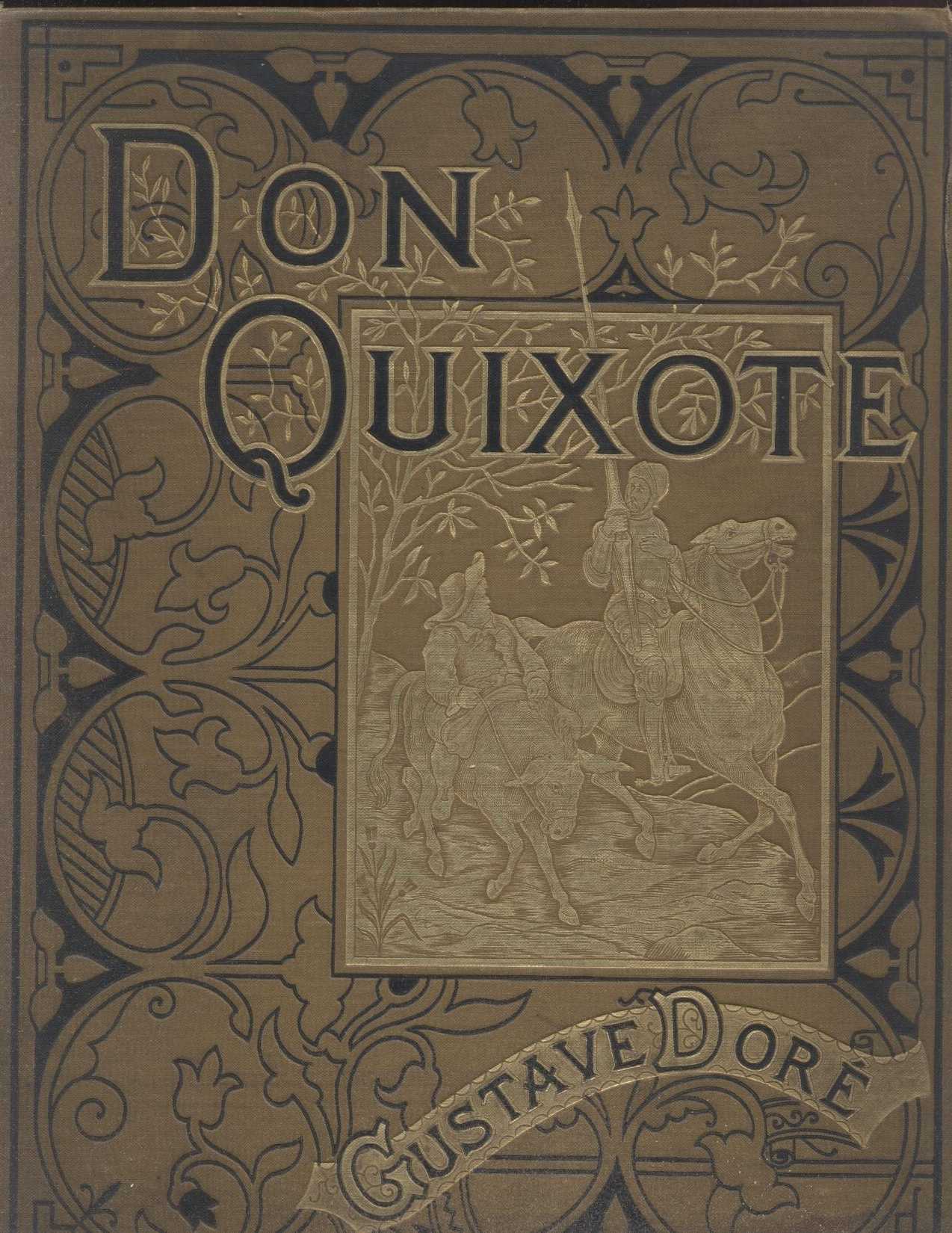
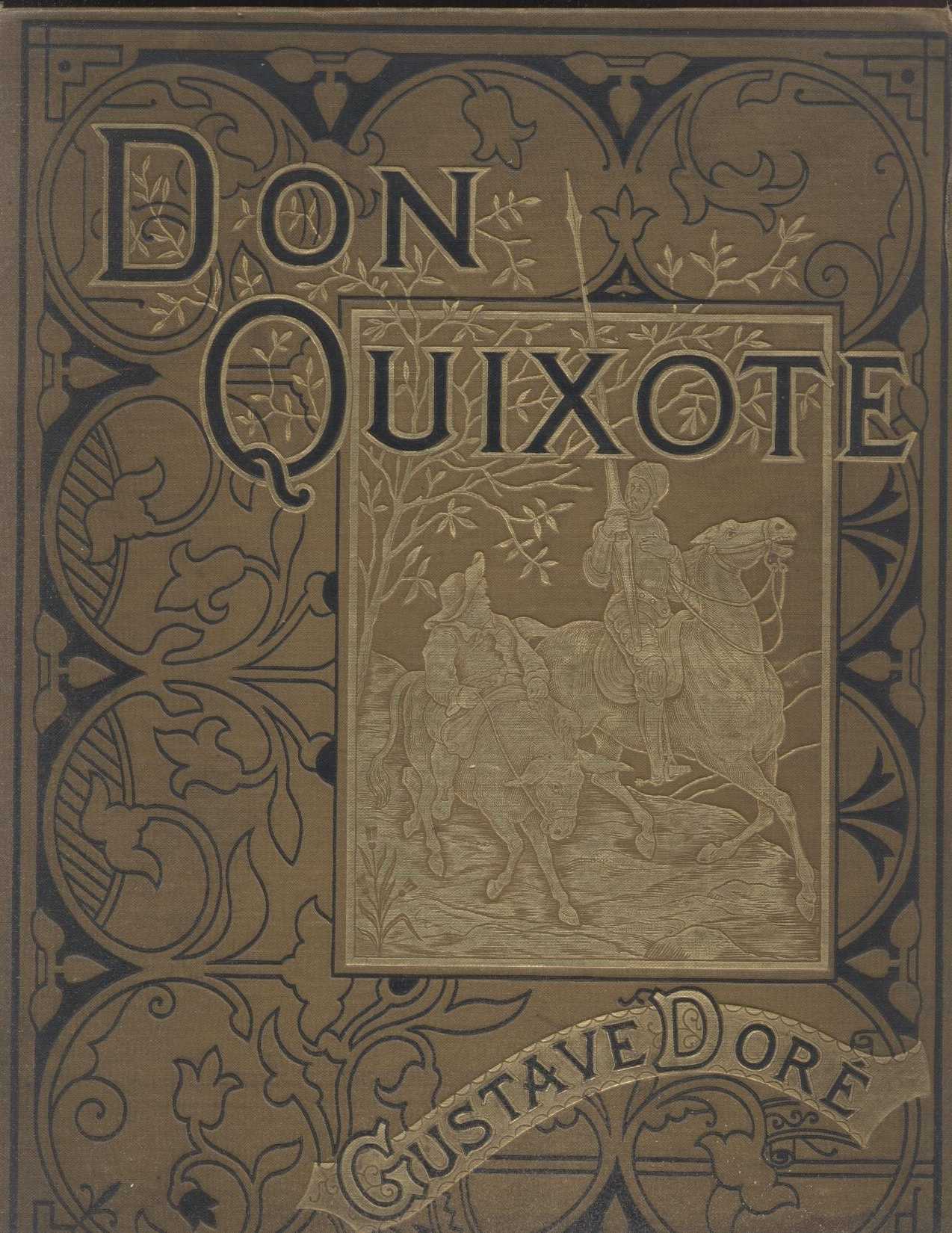
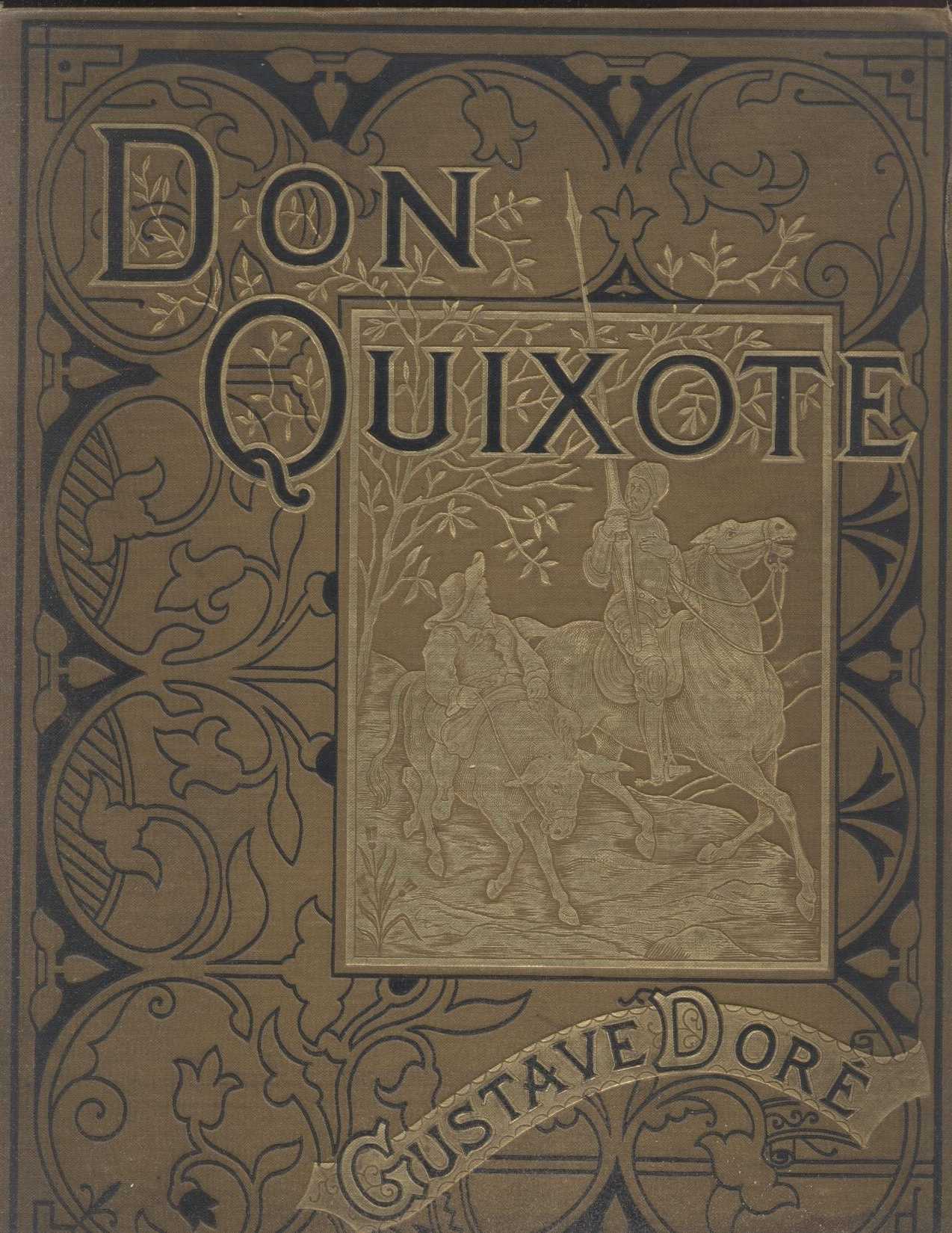
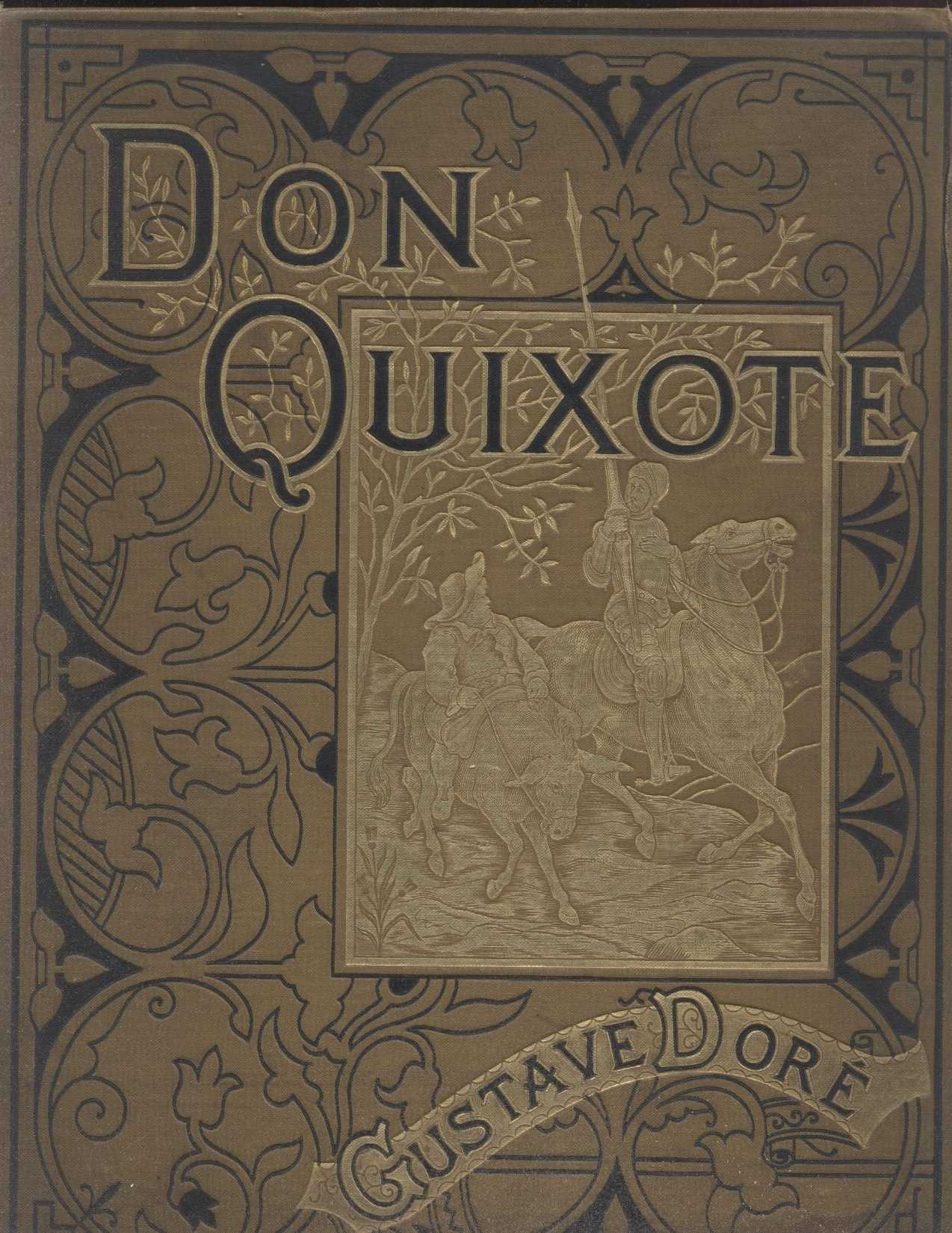
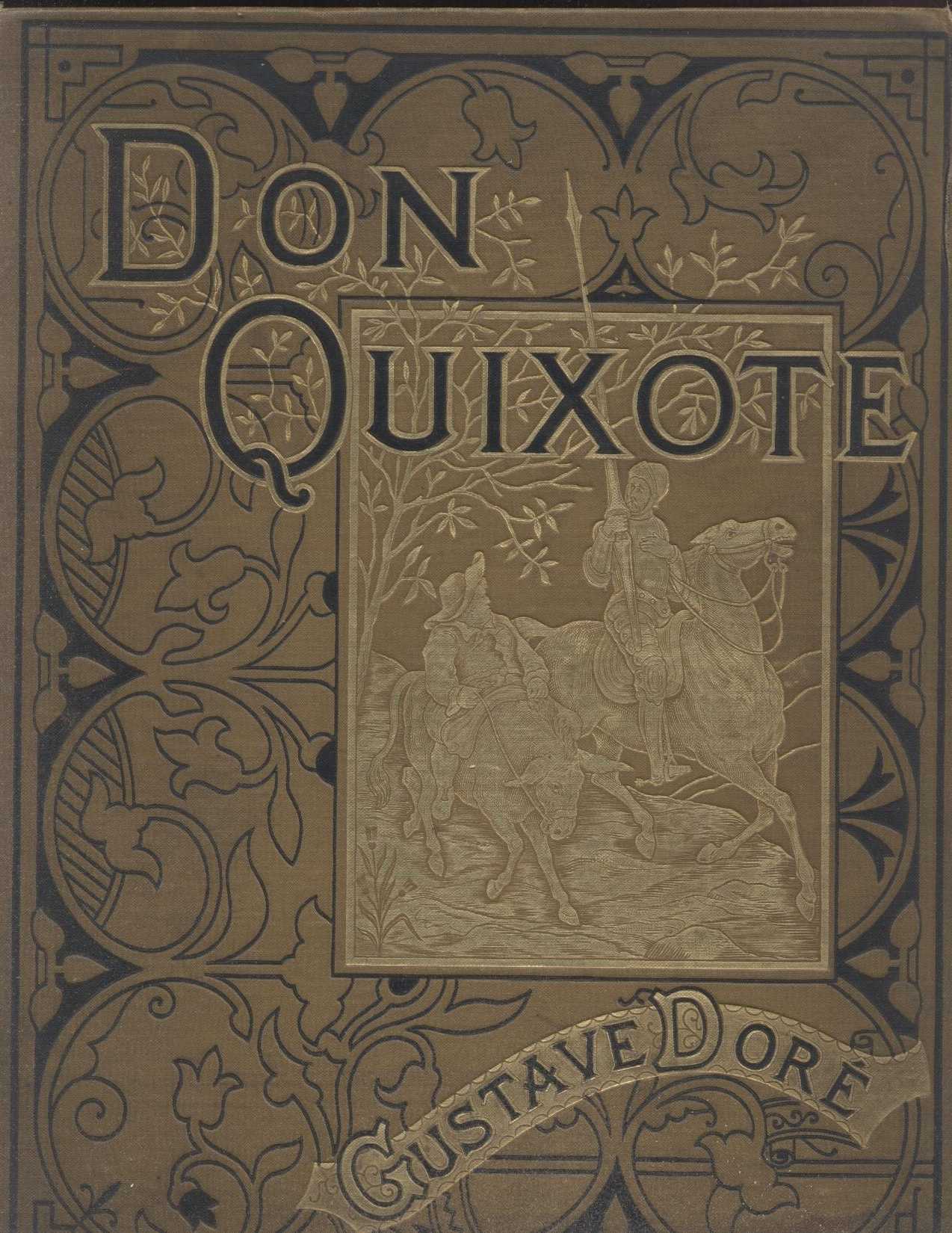
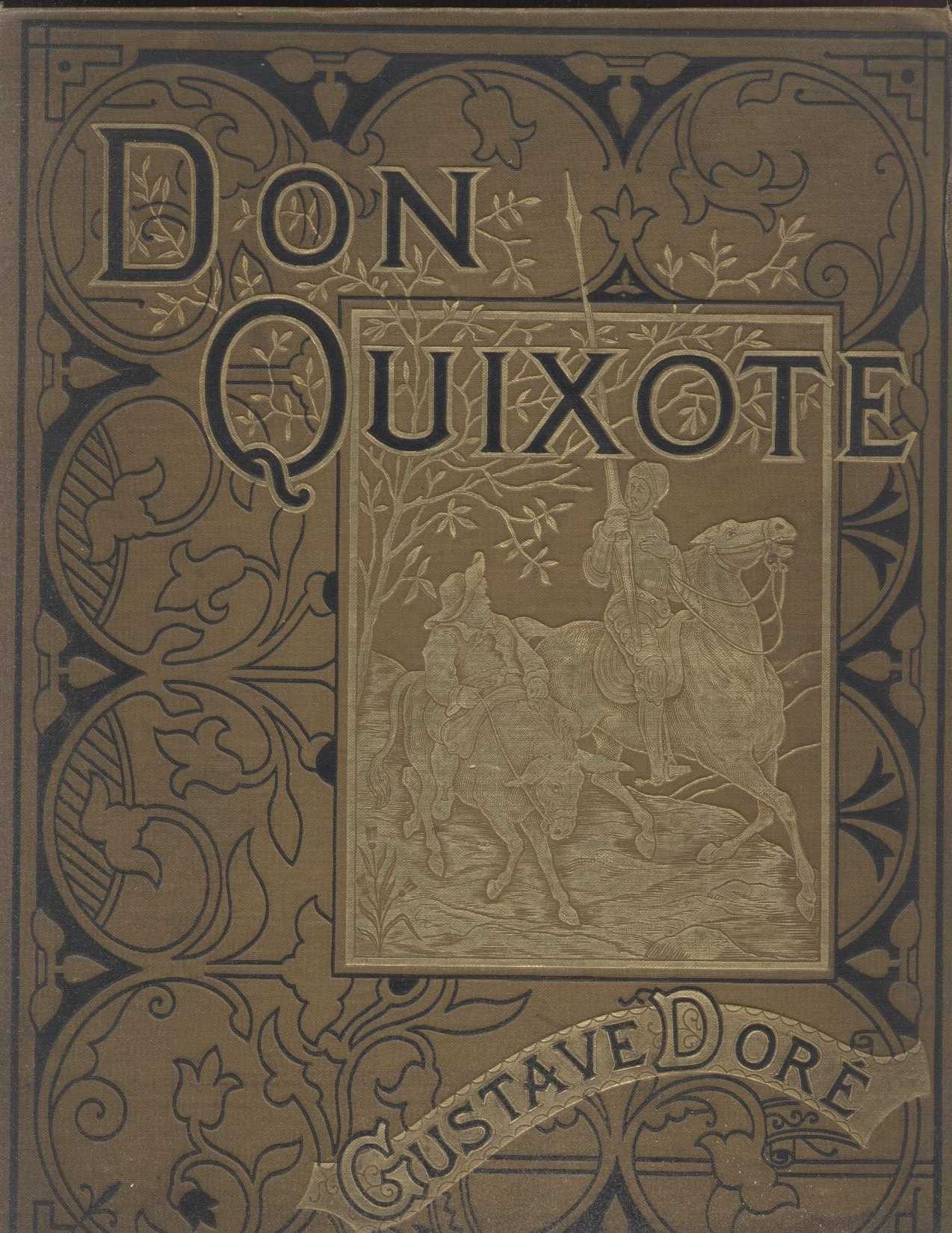
The History of Don Quixote, Volume 2, Part 33
1605
The History of Don Quixote, Volume 2, Part 33
1605
Translated by John Ormsby
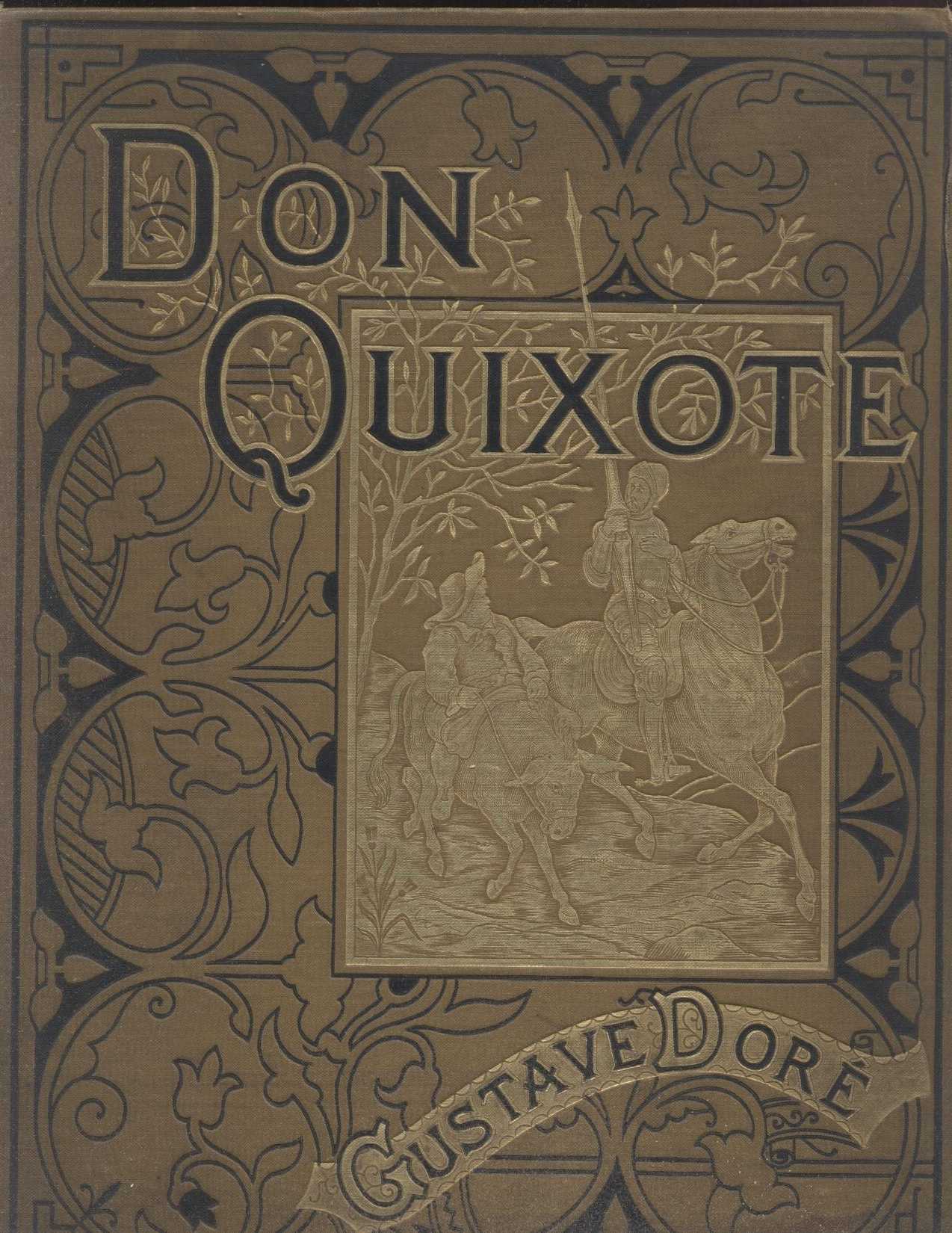
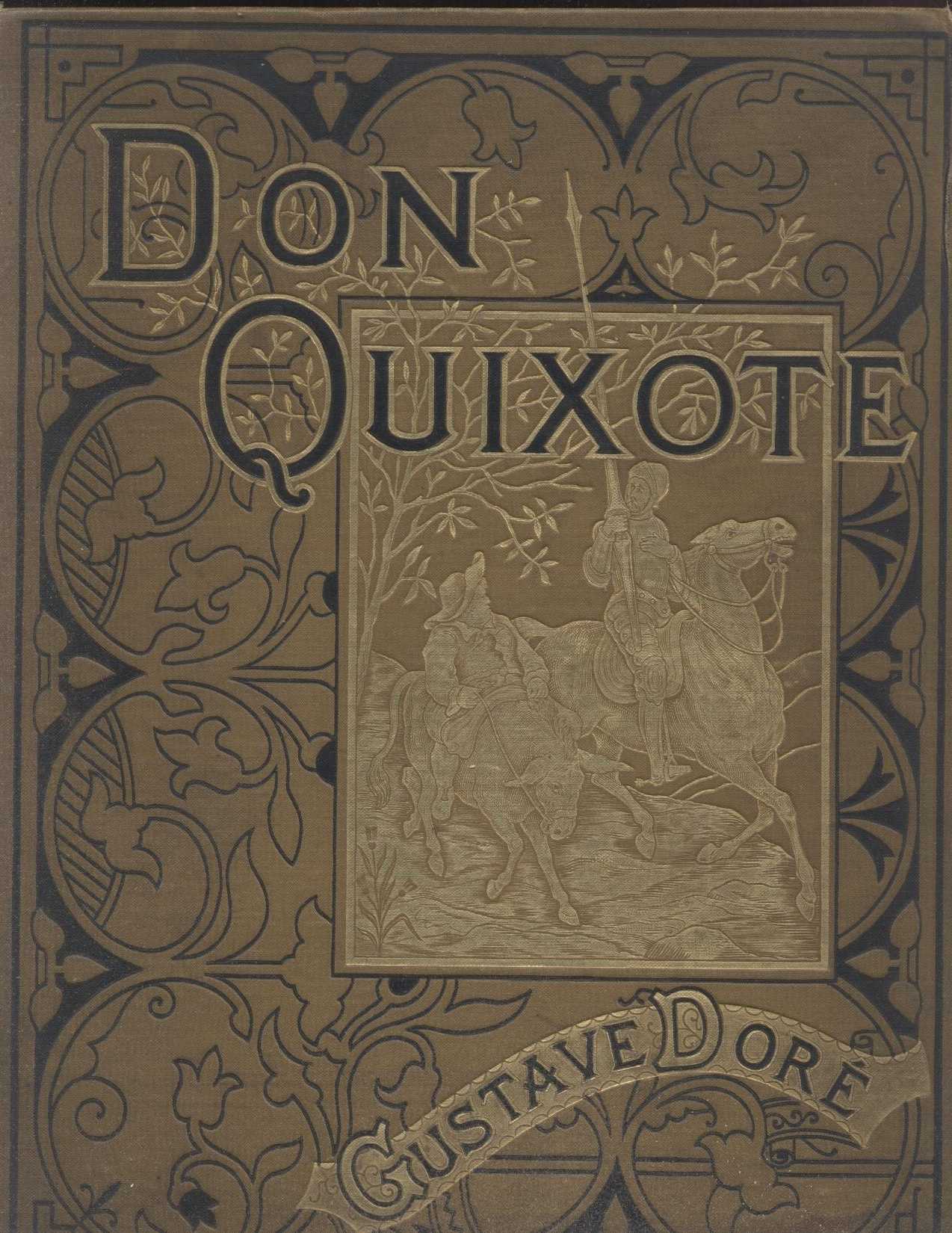
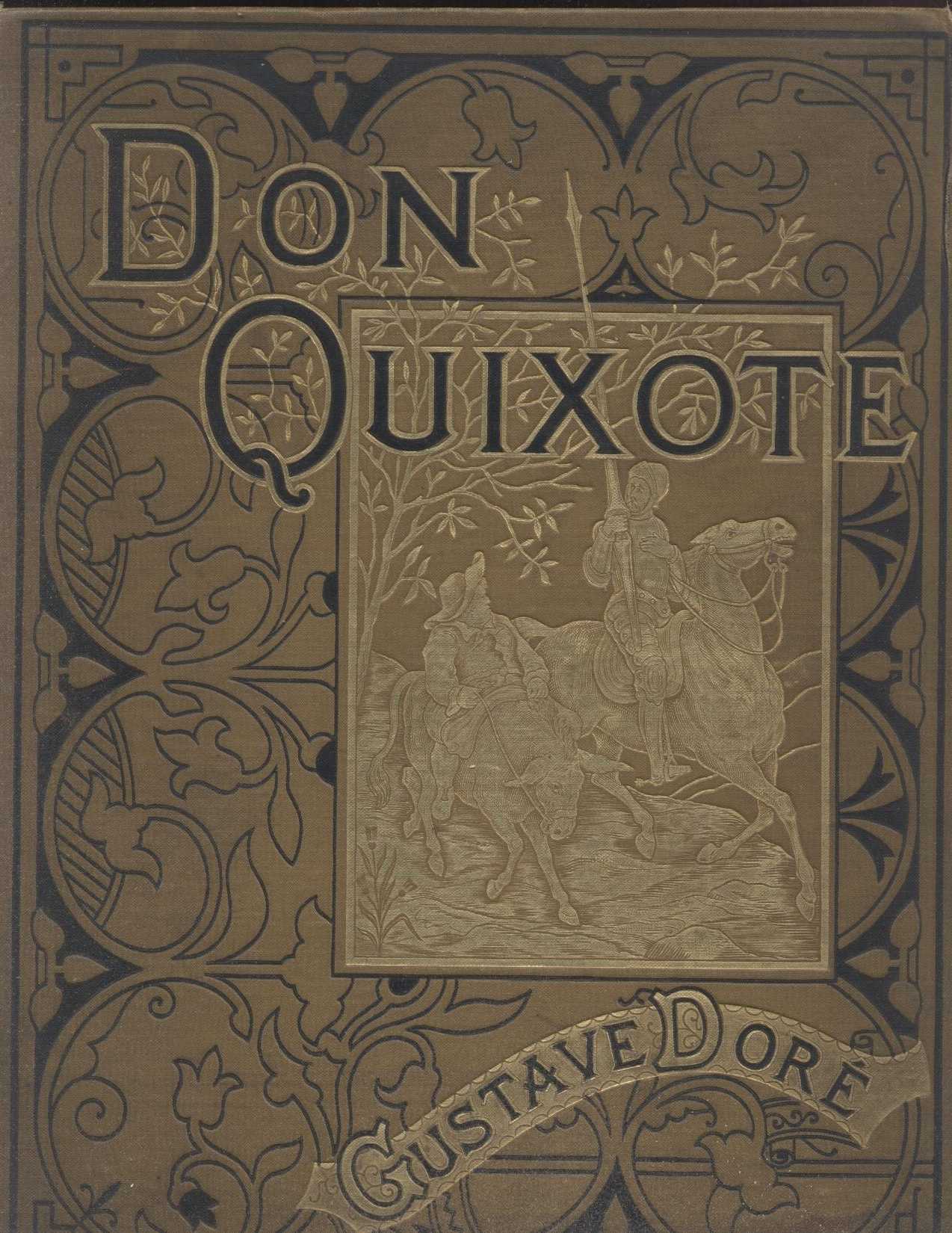
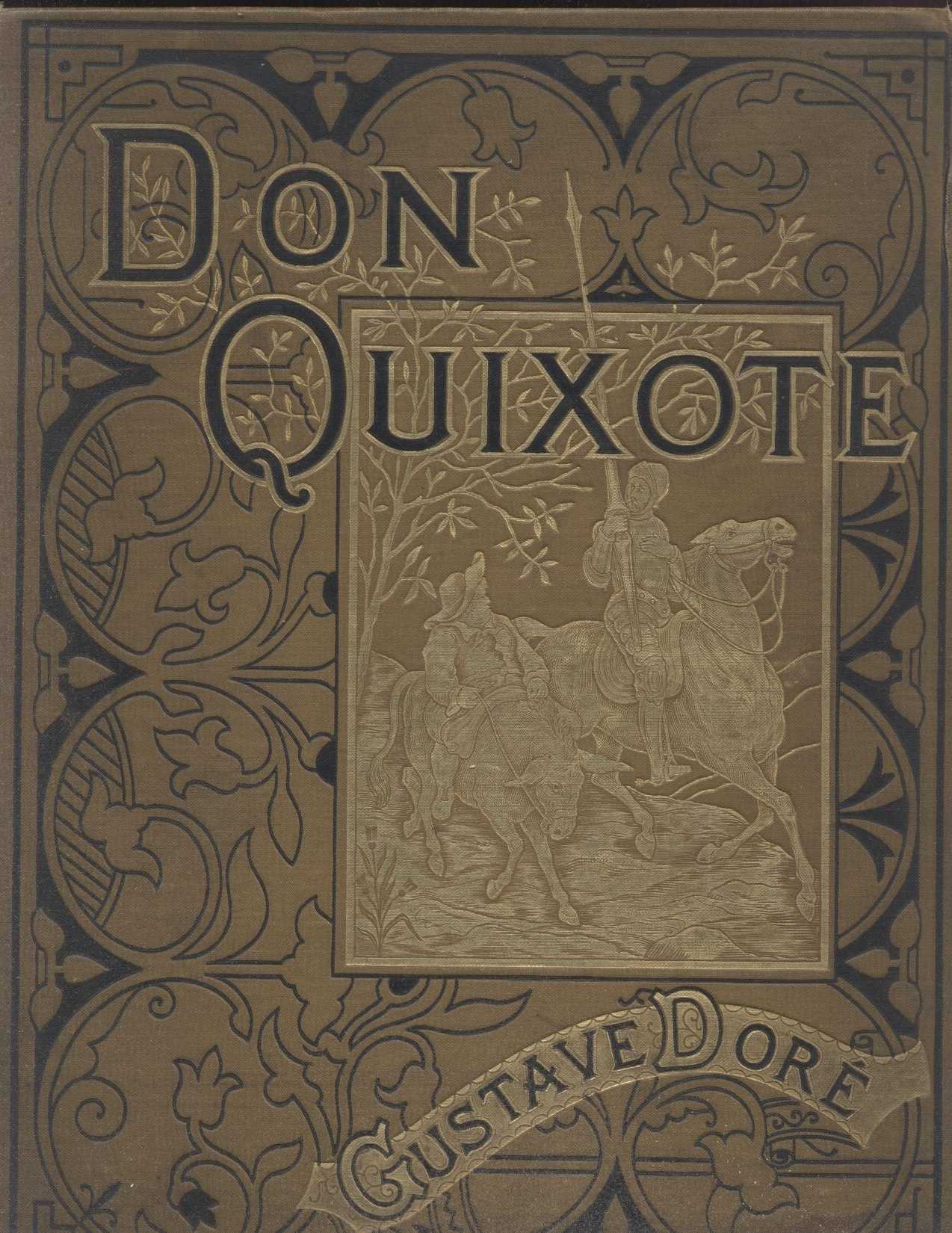
Sancho Panza, the illiterate farmer who once begged his master to let him leave the knight's service, now sits in judgment over an island. The Duke and Duchess have granted him governance of Barataria as part of an elaborate joke, and the cases are arriving fast. A man claims his brother stole their inheritance. A disguised damsel pleads her case. The absurdity would be hilarious if the stakes were not so real: real people, real disputes, real lives hanging on the rulings of a man who cannot read the laws he supposedly upholds. Yet in this chapter, Sancho's peasant wisdom cuts through the pretensions of authority with devastating simplicity. He is a fraud, of course. The whole thing is a setup, a noble amusement at the expense of a simple man. But beneath the comedy lies something subversive: what if the fool sees what the wise cannot? Sancho longs for his donkey, his home, his simple life. The chapter captures the central tragedy of Don Quixote itself, transposed into comic key: a man out of his element, surrounded by people playing games with his integrity, trying to remain himself in a world that insists on making him something else.
Editions
Link to this book
Add a free, dofollow link to Lex on your blog, forum, syllabus, or reading list.

<a href="https://lex-books.com/book/the-history-of-don-quixote-volume-2-part-33-30ab6e7a-68b8-4230-a7ea-ba8278b45cd0"><img src="https://lex-books.com/badges/read-on-lex.svg" alt="Read The History of Don Quixote, Volume 2, Part 33 by Miguel de Cervantes Saavedra free on Lex" width="160" height="40"></a>[](https://lex-books.com/book/the-history-of-don-quixote-volume-2-part-33-30ab6e7a-68b8-4230-a7ea-ba8278b45cd0)[url=https://lex-books.com/book/the-history-of-don-quixote-volume-2-part-33-30ab6e7a-68b8-4230-a7ea-ba8278b45cd0][img]https://lex-books.com/badges/read-on-lex.svg[/img][/url]Read The History of Don Quixote, Volume 2, Part 33 by Miguel de Cervantes Saavedra free on Lex: https://lex-books.com/book/the-history-of-don-quixote-volume-2-part-33-30ab6e7a-68b8-4230-a7ea-ba8278b45cd0Cite this book
Reading this edition for a paper or guide? Copy a citation.
Saavedra, Miguel de Cervantes. The History of Don Quixote, Volume 2, Part 33. Lex, lex-books.com/book/the-history-of-don-quixote-volume-2-part-33-30ab6e7a-68b8-4230-a7ea-ba8278b45cd0.Saavedra, M. D. C. (1605). The History of Don Quixote, Volume 2, Part 33. Lex. https://lex-books.com/book/the-history-of-don-quixote-volume-2-part-33-30ab6e7a-68b8-4230-a7ea-ba8278b45cd0Saavedra, Miguel de Cervantes. The History of Don Quixote, Volume 2, Part 33. Lex. https://lex-books.com/book/the-history-of-don-quixote-volume-2-part-33-30ab6e7a-68b8-4230-a7ea-ba8278b45cd0.