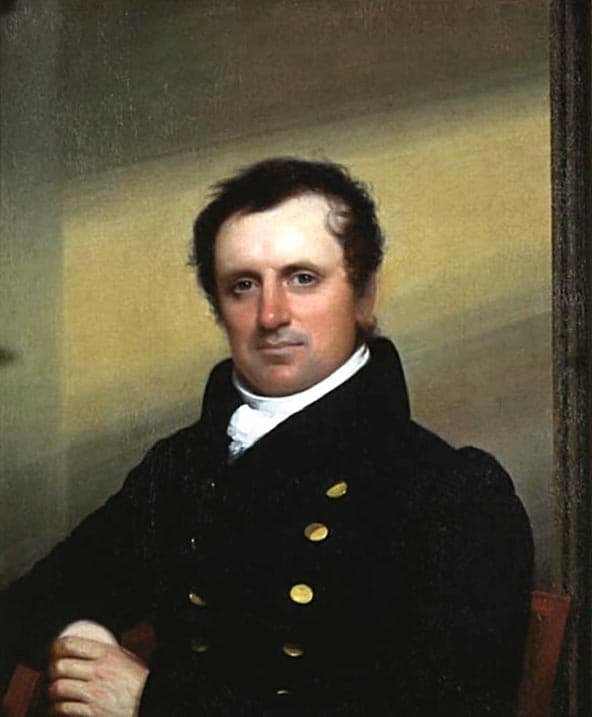
James Fenimore Cooper
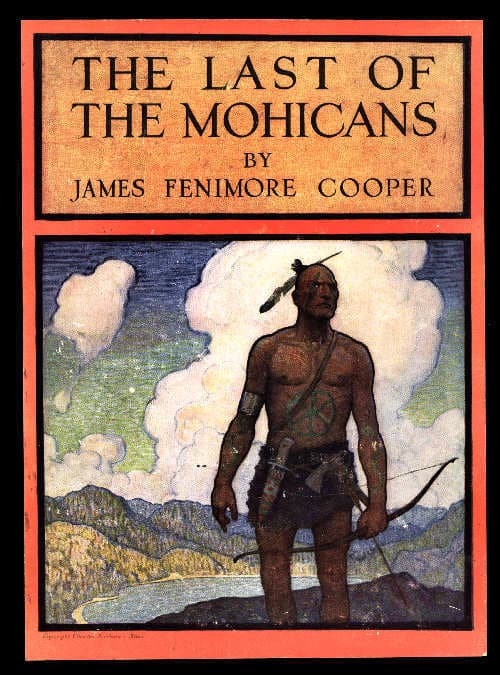
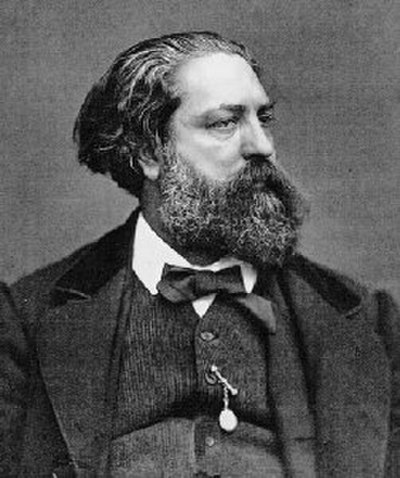
James Fenimore Cooper was a prominent American novelist of the early 19th century, celebrated for his historical romances that vividly depicted colonial and indigenous life from the 17th to the 19th centuries. Born in Cooperstown, New York, a town founded by his father, he spent much of his youth there and later returned to live out his final years. Cooper's literary career began with the publication of 'The Spy' in 1821, a novel set during the American Revolutionary War that garnered significant attention. He is best known for the 'Leatherstocking Tales,' a series of five novels featuring the iconic frontiersman Natty Bumppo, which include 'The Last of the Mohicans,' often hailed as his masterpiece. These works not only contributed to the development of American literature but also explored themes of nature, civilization, and the American identity. Cooper's influence extended beyond fiction; he wrote extensively on naval subjects, earning respect among naval historians, though he faced criticism from some contemporaries for his portrayals. His writings aimed to counter European biases and promote a distinct American culture, making him a pivotal figure in the establishment of an American literary tradition. Through his adventurous narratives and complex characters, Cooper helped shape the perception of the American frontier and its historical significance, leaving a lasting legacy in American literature that continues to be studied and appreciated today.
Famous Quotes
View all 20 quotes“History, like love, is so apt to surround her heroes with an atmosphere of imaginary brightness.””
“All greatness of character is dependent on individuality. The man who has no other existence than that which he partakes in common with all around him, will never have any other than an existence of mediocrity.””
“Then as to churches, they are good, I suppose, else wouldn't good men uphold' em. But they are not altogether necessary. They call 'em the temples of the Lord; but, Judith, the whole 'arth is a temple of the Lord to such as have the right mind. Neither forts nor churches make people happier of themselves. Moreover, all is contradiction in the settlements, while all is concord in the woods. Forts and churches almost always go together, and yet they're downright contradictions; churches being for peace, and forts for war. No, no--give me the strong places of the wilderness, which is the trees, and the churches, too, which are arbors raised by the hand of nature.””
Books from the author










Link to this page
Add a free, dofollow link to Lex on your blog, forum, syllabus, or reading list.

<a href="https://lex-books.com/author/james-fenimore-cooper"><img src="https://lex-books.com/badges/read-on-lex.svg" alt="James Fenimore Cooper on Lex" width="160" height="40"></a>[](https://lex-books.com/author/james-fenimore-cooper)[url=https://lex-books.com/author/james-fenimore-cooper][img]https://lex-books.com/badges/read-on-lex.svg[/img][/url]James Fenimore Cooper on Lex: https://lex-books.com/author/james-fenimore-cooper