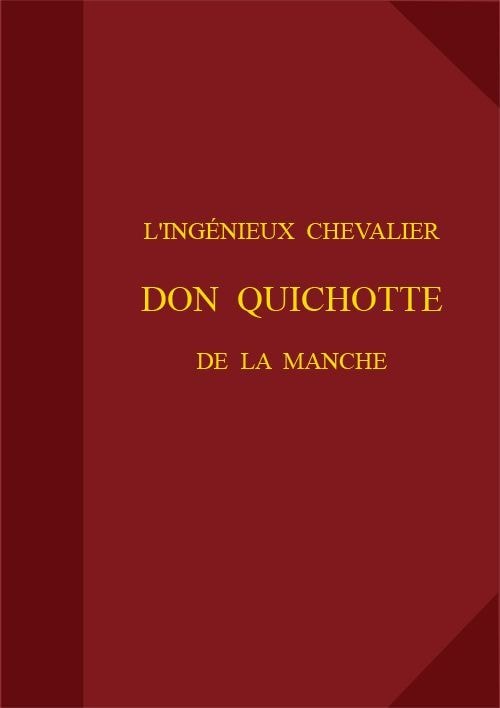
L'ingénieux Chevalier Don Quichotte De La Manche
1605
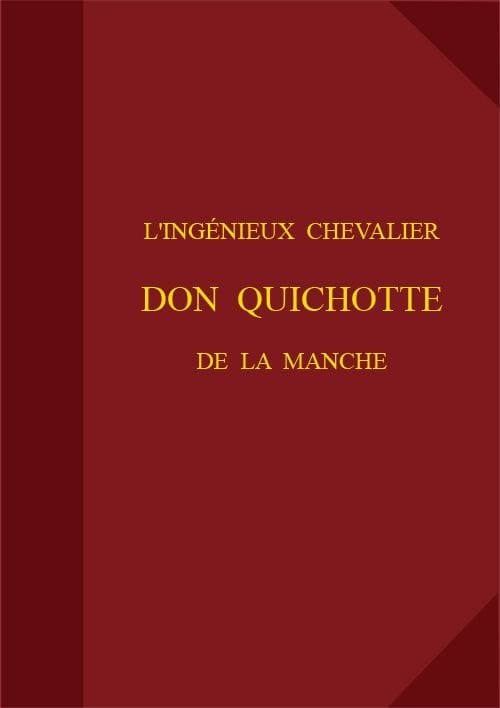
L'ingénieux Chevalier Don Quichotte De La Manche
1605
Translated by Charles Furne
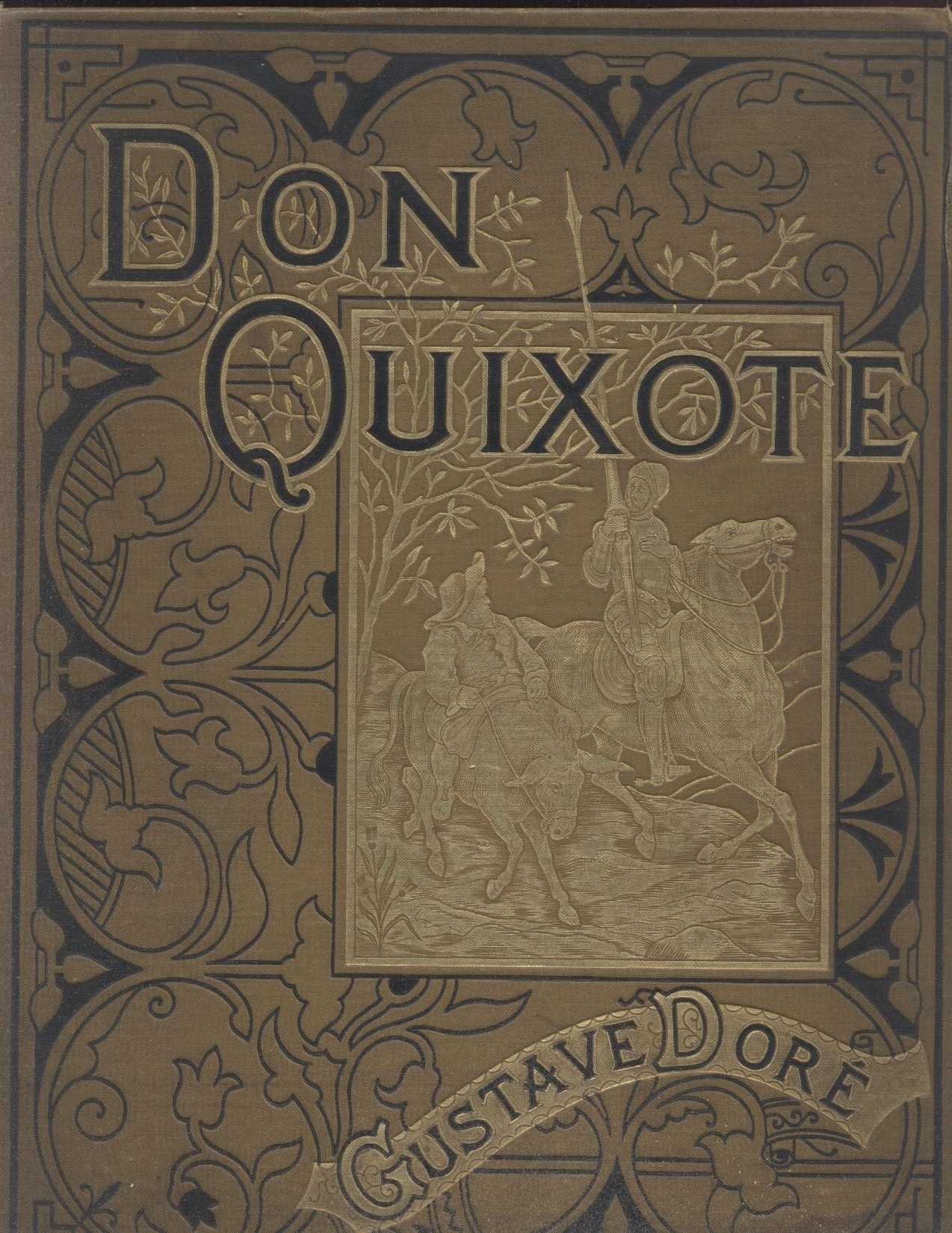
Cervantes did something no one had done before: he wrote a novel about a man who loses himself in books so completely that he remakes reality to match his fantasies. Don Quixote, a middle-aged gentleman from La Mancha, reads so many chivalric romances that he decides to become a knight-errant himself. He polishes an ancient suit of armor, renames his dying horse Rocinante, and rides out into the Spanish countryside to battle giants (which are actually windmills) and rescue damsels (who want nothing to do with him). His long-suffering squire, Sancho Panza, trails behind, a farmer more fact than fiction, who grounds his master's delusions in practical reality even as he becomes increasingly invested in the impossible dream. Four centuries later, the novel endures because it captures something essential about being human: the need to believe in grand meanings, to act heroically, even when the world insists there is nothing to save. It is a comedy about madness, but also a tragedy about what happens when the stories we love become indistinguishable from the world we see. Anyone who has ever believed in something foolish will find themselves here.
Editions
X-Ray
“I know who I am and who I may be, if I choose.””
— Miguel de Cervantes Saavedra
“I want you to see me naked and performing one or two dozen mad acts, which will take me less than half an hour, because if you have seen them with your own eyes, you can safely swear to any others you might wish to add.””
— Miguel de Cervantes Saavedra
“En un lugar de la Mancha de cuyo nombre no quiero acordarme...””
— Miguel de Cervantes Saavedra
“¿Qué gigantes?””
— Miguel de Cervantes Saavedra
“La razón de la sinrazón que a mi razón se hace, de tal manera mi razón enflaquece, que con razón me quejo de la vuestra fermosura. Y también cuando””
— Miguel de Cervantes Saavedra
“-Mira, Sancho, por el mesmo que denantes juraste te juro - dijo don Quijote - que tienes el más corto entendimiento que tiene ni tuvo escudero en el mundo. ¿Que es posible que en cuanto ha que andas conmigo no has echado de ver que todas las cosas de los caballeros andantes parecen quimeras, necedades y desatinos, y que son todas hechas al revés? Y no porque sea ello ansí, sino porque andan entre nosotros siempre una caterva de encantadores, que todas nuestras cosas mudan y truecan, y les vuelven según su gusto, y según tienen la gana de favorecernos o destruirnos; y así, eso que a ti te parece bacía de barbero, me parece a mí el yelmo de Mambrino, y a otro le parecerá otra cosa.””
— Miguel de Cervantes Saavedra
“Tú, con tu señor a acuestas; y yo, encima de ti, citando el oficio para que Dios me echó al mundo. (Don Quijote)””
— Miguel de Cervantes Saavedra
“Thy false promise, and my certain misfortune, do carry me to such a place, as from thence thou shalt sooner receive news of my death than reasons of my just complaints. Thou hast disdained me, O ingrate! for one that hath more, but not for one that is worth more than I am; but if virtue were a treasure of estimation, I would not emulate other men’s fortunes, nor weep thus for mine own misfortunes. That which thy beauty erected, thy works have overthrown; by it I deemed thee to be an angel, and by these I certainly know thee to be but a woman. Rest in peace, O causer of my war! and let Heaven work so that thy spouse’s deceits remain still concealed, to the end thou mayst not repent what thou didst, and I be constrained to take revenge of that I desire not.””
— Miguel de Cervantes Saavedra
“Everyone is the son of his works.””
— Miguel de Cervantes Saavedra
Link to this book
Add a free, dofollow link to Lex on your blog, forum, syllabus, or reading list.

<a href="https://lex-books.com/book/l-ing-nieux-chevalier-don-quichotte-de-la-manche-0222c743-7a68-45d1-ab82-64364e49ca46"><img src="https://lex-books.com/badges/read-on-lex.svg" alt="Read L'ingénieux Chevalier Don Quichotte De La Manche by Miguel de Cervantes Saavedra free on Lex" width="160" height="40"></a>[](https://lex-books.com/book/l-ing-nieux-chevalier-don-quichotte-de-la-manche-0222c743-7a68-45d1-ab82-64364e49ca46)[url=https://lex-books.com/book/l-ing-nieux-chevalier-don-quichotte-de-la-manche-0222c743-7a68-45d1-ab82-64364e49ca46][img]https://lex-books.com/badges/read-on-lex.svg[/img][/url]Read L'ingénieux Chevalier Don Quichotte De La Manche by Miguel de Cervantes Saavedra free on Lex: https://lex-books.com/book/l-ing-nieux-chevalier-don-quichotte-de-la-manche-0222c743-7a68-45d1-ab82-64364e49ca46Cite this book
Reading this edition for a paper or guide? Copy a citation.
Saavedra, Miguel de Cervantes. L'ingénieux Chevalier Don Quichotte De La Manche. Lex, lex-books.com/book/l-ing-nieux-chevalier-don-quichotte-de-la-manche-0222c743-7a68-45d1-ab82-64364e49ca46.Saavedra, M. D. C. (1605). L'ingénieux Chevalier Don Quichotte De La Manche. Lex. https://lex-books.com/book/l-ing-nieux-chevalier-don-quichotte-de-la-manche-0222c743-7a68-45d1-ab82-64364e49ca46Saavedra, Miguel de Cervantes. L'ingénieux Chevalier Don Quichotte De La Manche. Lex. https://lex-books.com/book/l-ing-nieux-chevalier-don-quichotte-de-la-manche-0222c743-7a68-45d1-ab82-64364e49ca46.