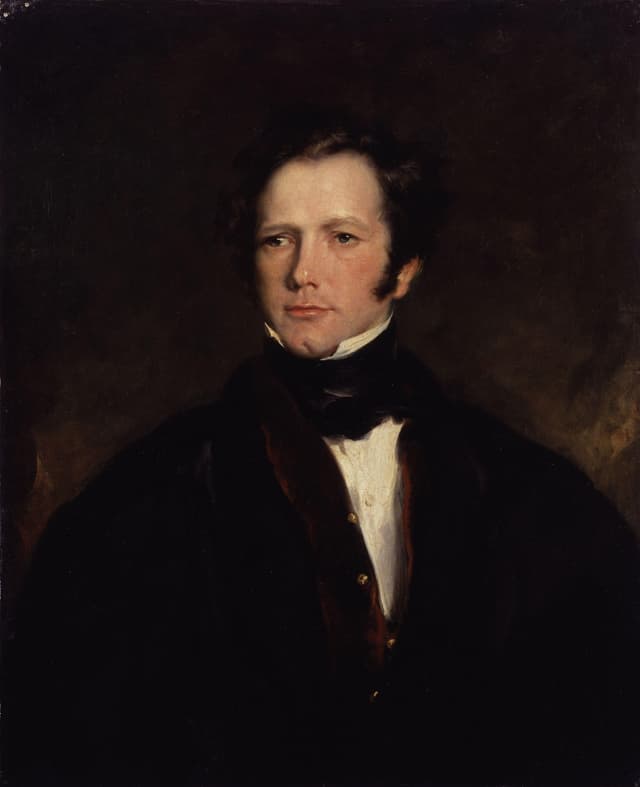
Frederick Marryat
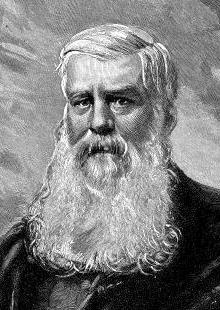
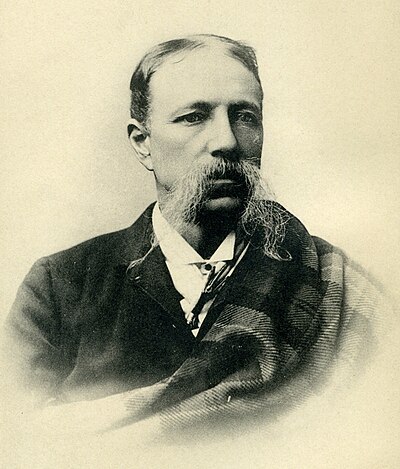
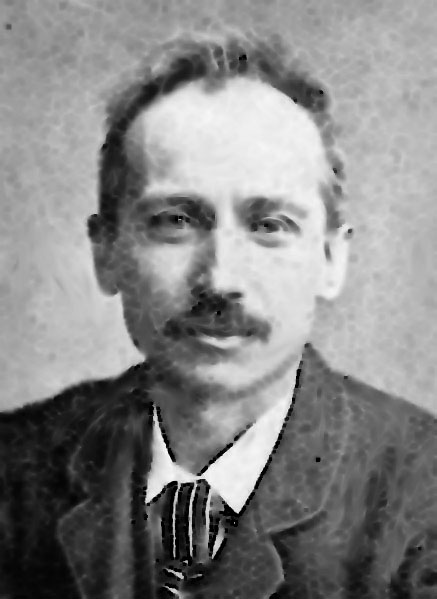
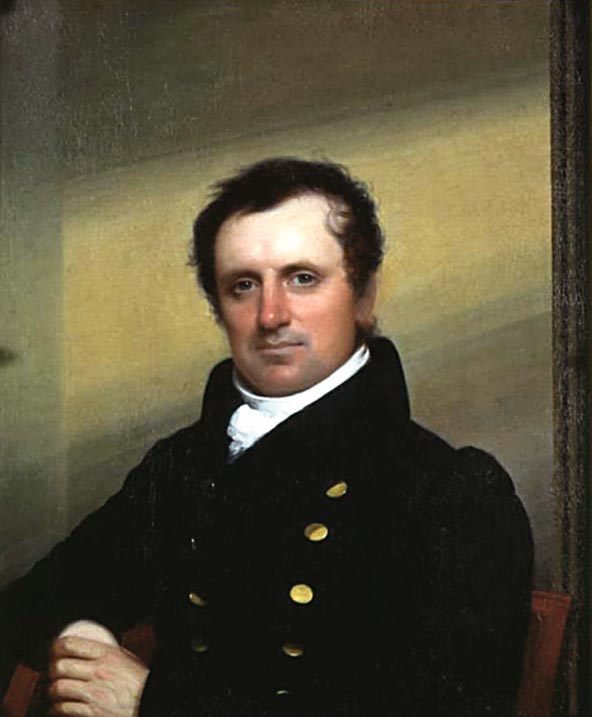
Frederick Marryat was a Royal Navy officer and a pioneering figure in nautical fiction. His experiences at sea informed much of his writing, particularly in his semi-autobiographical novel, Mr Midshipman Easy (1836), which captures the adventures and challenges faced by a young naval officer. Marryat's ability to blend thrilling maritime tales with authentic naval life set a precedent for future authors in the genre. He also wrote The Children of the New Forest (1847), a beloved children's novel that reflects his storytelling prowess and understanding of youth. In addition to his literary contributions, Marryat made significant advancements in maritime communication with the development of Marryat's Code, a system of flag signaling that became widely adopted. His works not only entertained but also provided insights into naval life, influencing both literature and maritime practices. Marryat's legacy endures as a foundational figure in nautical literature, whose narratives continue to inspire and inform the genre.
Famous Quotes
View all 19 quotes“They say that the British cannot fix anything properly without a dinner, but I’m sure the Americans can fix nothing without a drink. If you meet, you drink; if you part, you drink; if you make acquaintance, you drink; if you close a bargain, you drink; they quarrel in their drink, and they make it up with a drink. They drink, because it is hot; they drink, because it is cold. If successful in elections, they drink and rejoice; if not, they drink and swear;”
“credulity and superstition are close friends””
“Horses, and all animals indeed, know that there is no place like home; it is a pity that men who consider themselves much wiser, have not the same consideration,””
Books from the author
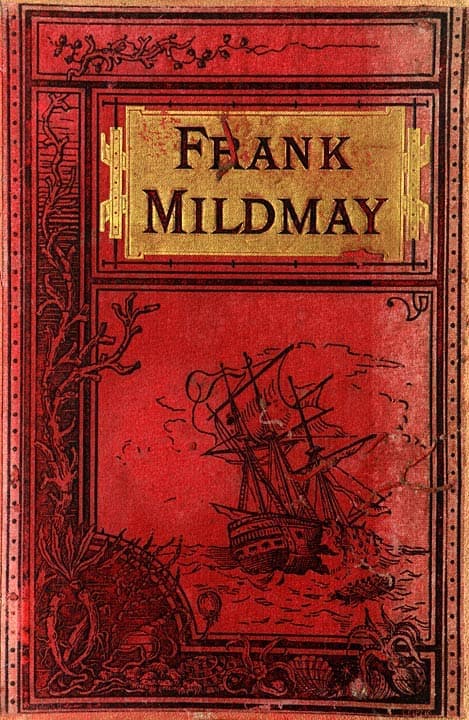
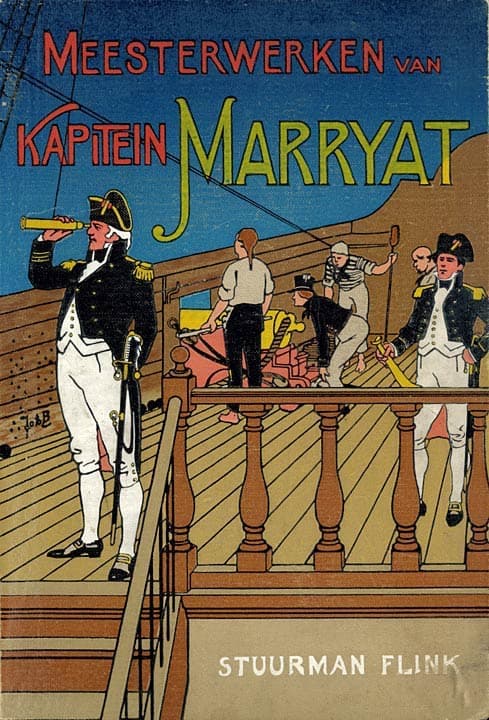
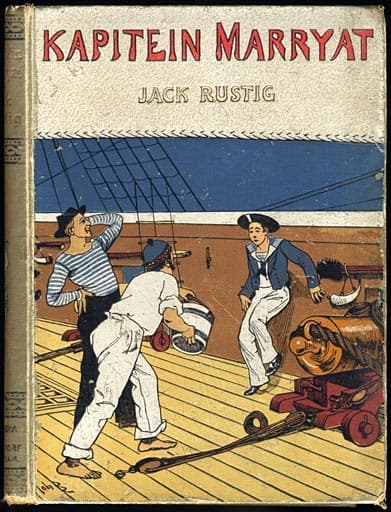


Link to this page
Add a free, dofollow link to Lex on your blog, forum, syllabus, or reading list.

<a href="https://lex-books.com/author/frederick-marryat"><img src="https://lex-books.com/badges/read-on-lex.svg" alt="Frederick Marryat on Lex" width="160" height="40"></a>[](https://lex-books.com/author/frederick-marryat)[url=https://lex-books.com/author/frederick-marryat][img]https://lex-books.com/badges/read-on-lex.svg[/img][/url]Frederick Marryat on Lex: https://lex-books.com/author/frederick-marryat