The History of Don Quixote, Volume 2, Part 39
1605
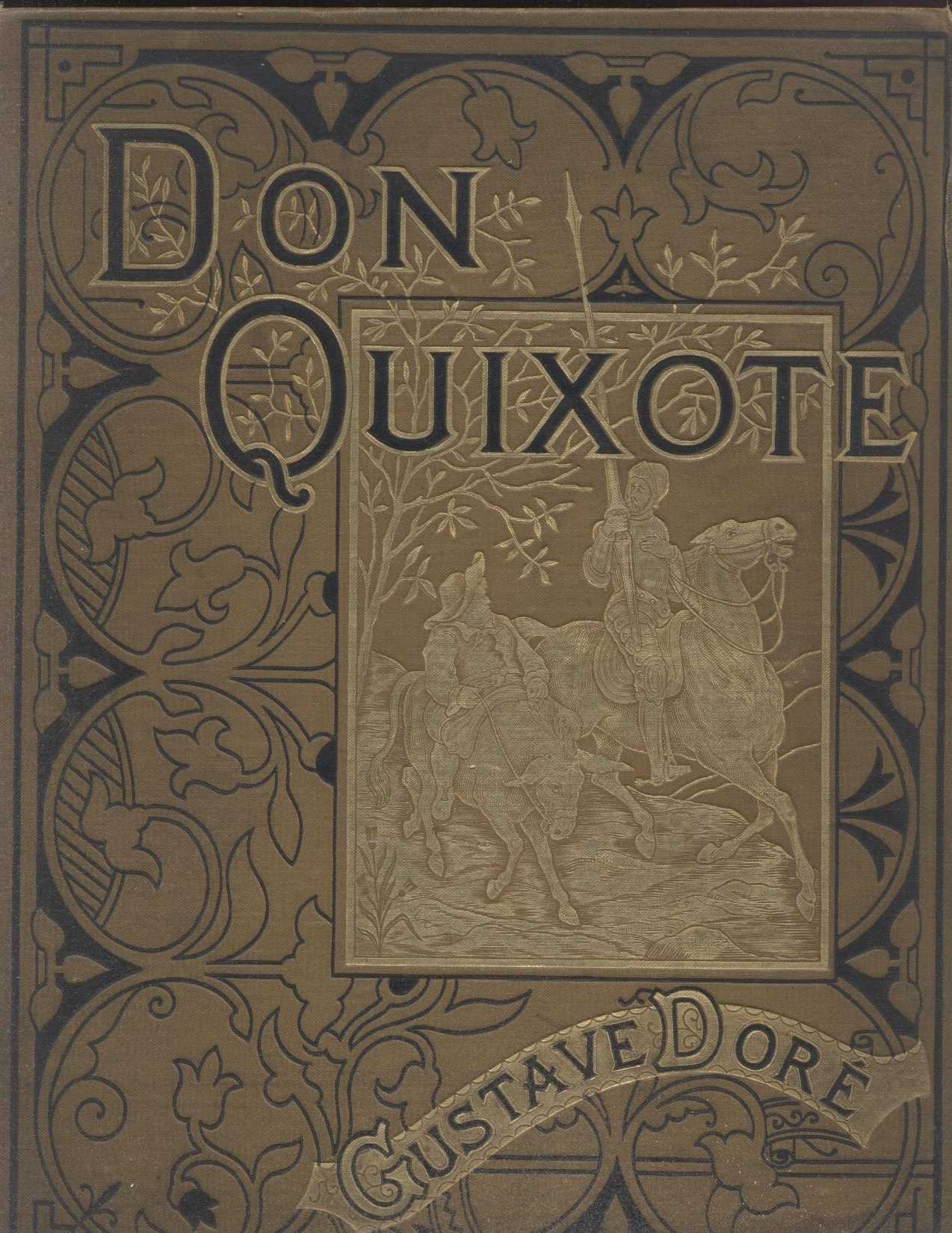
The History of Don Quixote, Volume 2, Part 39
1605
Translated by John Ormsby
This pivotal chapter finds Don Quixote and Sancho drawn to Barcelona's waterfront, where the knight's fantasy collides with the brutal machinery of actual naval warfare. A comic misunderstanding leaves Sancho at the mercy of galley crew who toss him about like a sack of onions, while Don Quixote busily convinces himself this too must be some knightly trial. The narrative darkens with the appearance of Ana Felix, a captured young Moor whose hidden Christian identity emerges through her tragic tale, one more reflection of the novel's obsession with performed selves and concealed truths. Then arrives the Knight of the White Moon, a mysterious challenger whose superior swordsmanship humbles Don Quixote on the beach. This defeat strikes at the novel's heart: the aging knight finally meets an opponent whose reality he cannot deny, whose lance proves more convincing than any windmill. What follows is Cervantes at his most devastating, interrogating not just the knight's delusions but the nature of belief itself, what we choose to see, what we force ourselves to believe, and the moment when the gap between dream and world becomes unbearable.
Editions
Link to this book
Add a free, dofollow link to Lex on your blog, forum, syllabus, or reading list.

<a href="https://lex-books.com/book/the-history-of-don-quixote-volume-2-part-39-0d63a4d4-3e3f-4114-b6bb-cf84c02e60e7"><img src="https://lex-books.com/badges/read-on-lex.svg" alt="Read The History of Don Quixote, Volume 2, Part 39 by Miguel de Cervantes Saavedra free on Lex" width="160" height="40"></a>[](https://lex-books.com/book/the-history-of-don-quixote-volume-2-part-39-0d63a4d4-3e3f-4114-b6bb-cf84c02e60e7)[url=https://lex-books.com/book/the-history-of-don-quixote-volume-2-part-39-0d63a4d4-3e3f-4114-b6bb-cf84c02e60e7][img]https://lex-books.com/badges/read-on-lex.svg[/img][/url]Read The History of Don Quixote, Volume 2, Part 39 by Miguel de Cervantes Saavedra free on Lex: https://lex-books.com/book/the-history-of-don-quixote-volume-2-part-39-0d63a4d4-3e3f-4114-b6bb-cf84c02e60e7Cite this book
Reading this edition for a paper or guide? Copy a citation.
Saavedra, Miguel de Cervantes. The History of Don Quixote, Volume 2, Part 39. Lex, lex-books.com/book/the-history-of-don-quixote-volume-2-part-39-0d63a4d4-3e3f-4114-b6bb-cf84c02e60e7.Saavedra, M. D. C. (1605). The History of Don Quixote, Volume 2, Part 39. Lex. https://lex-books.com/book/the-history-of-don-quixote-volume-2-part-39-0d63a4d4-3e3f-4114-b6bb-cf84c02e60e7Saavedra, Miguel de Cervantes. The History of Don Quixote, Volume 2, Part 39. Lex. https://lex-books.com/book/the-history-of-don-quixote-volume-2-part-39-0d63a4d4-3e3f-4114-b6bb-cf84c02e60e7.