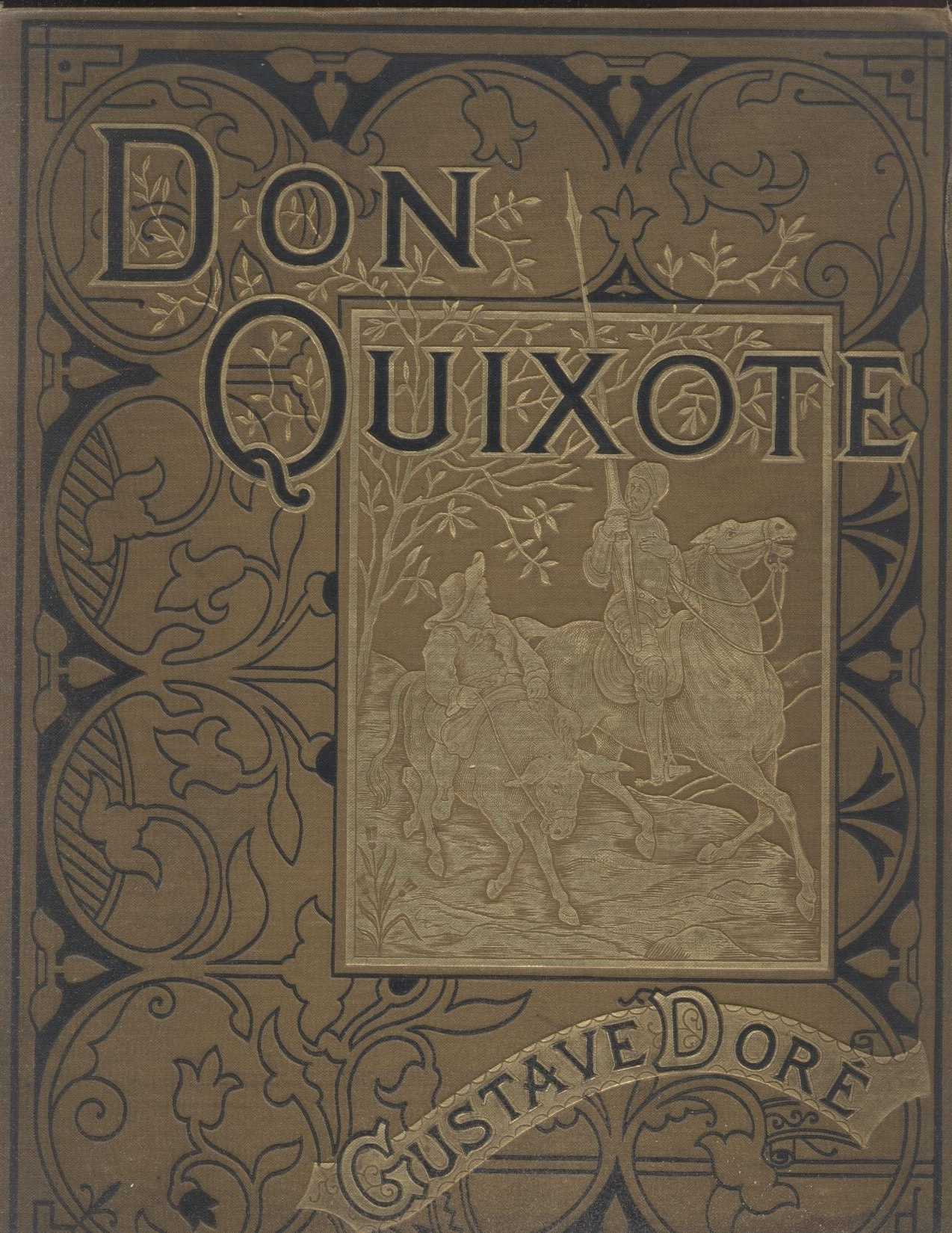
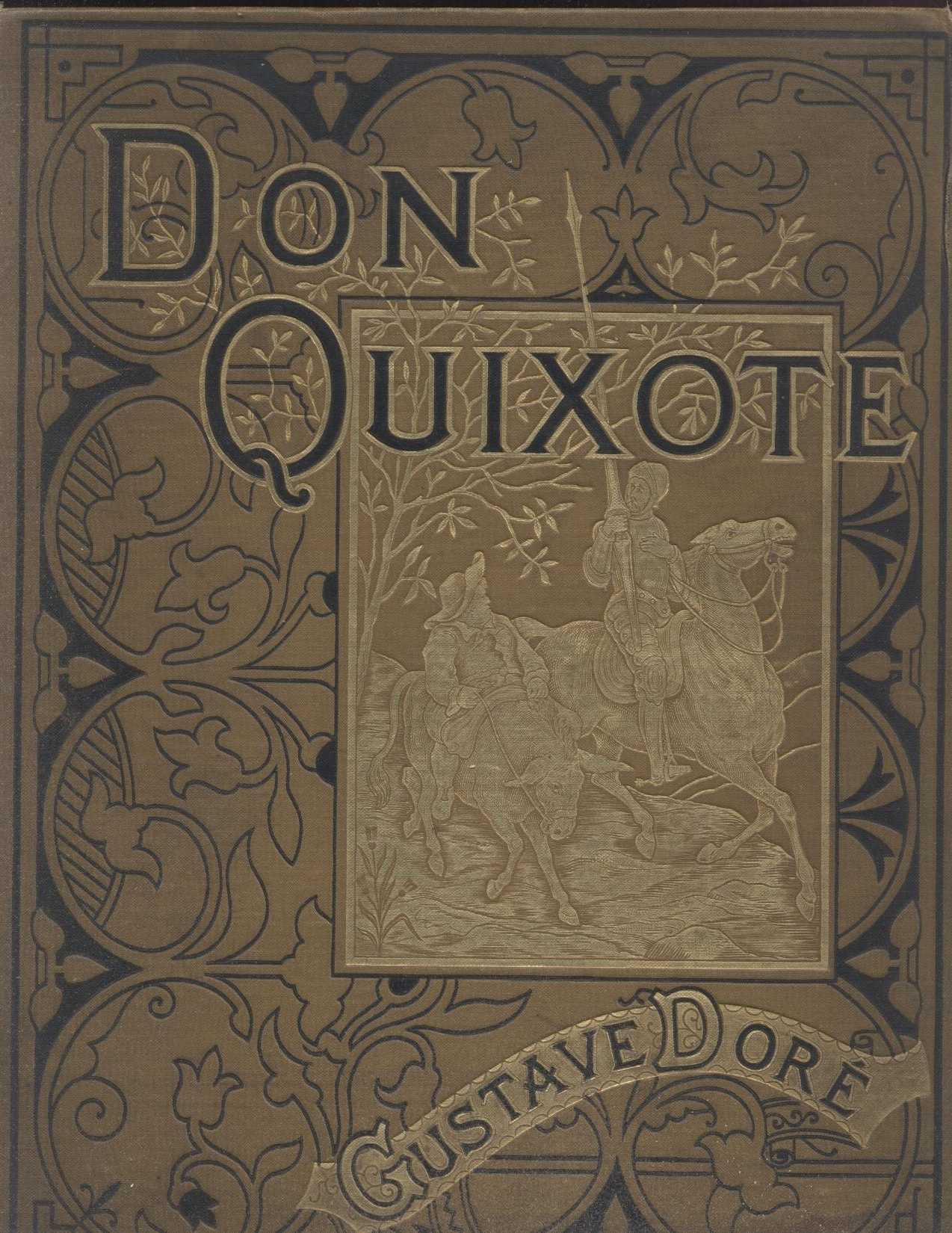
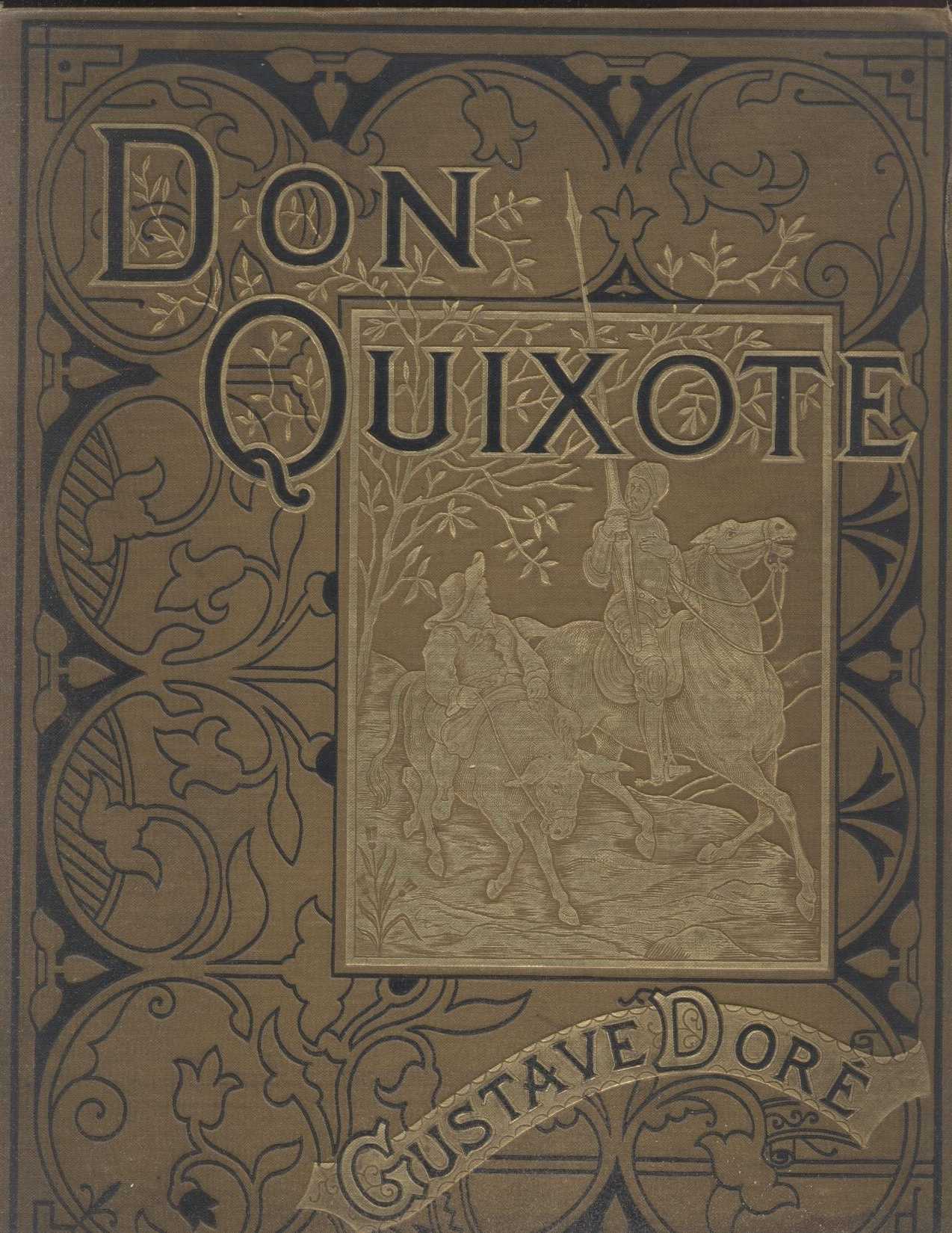
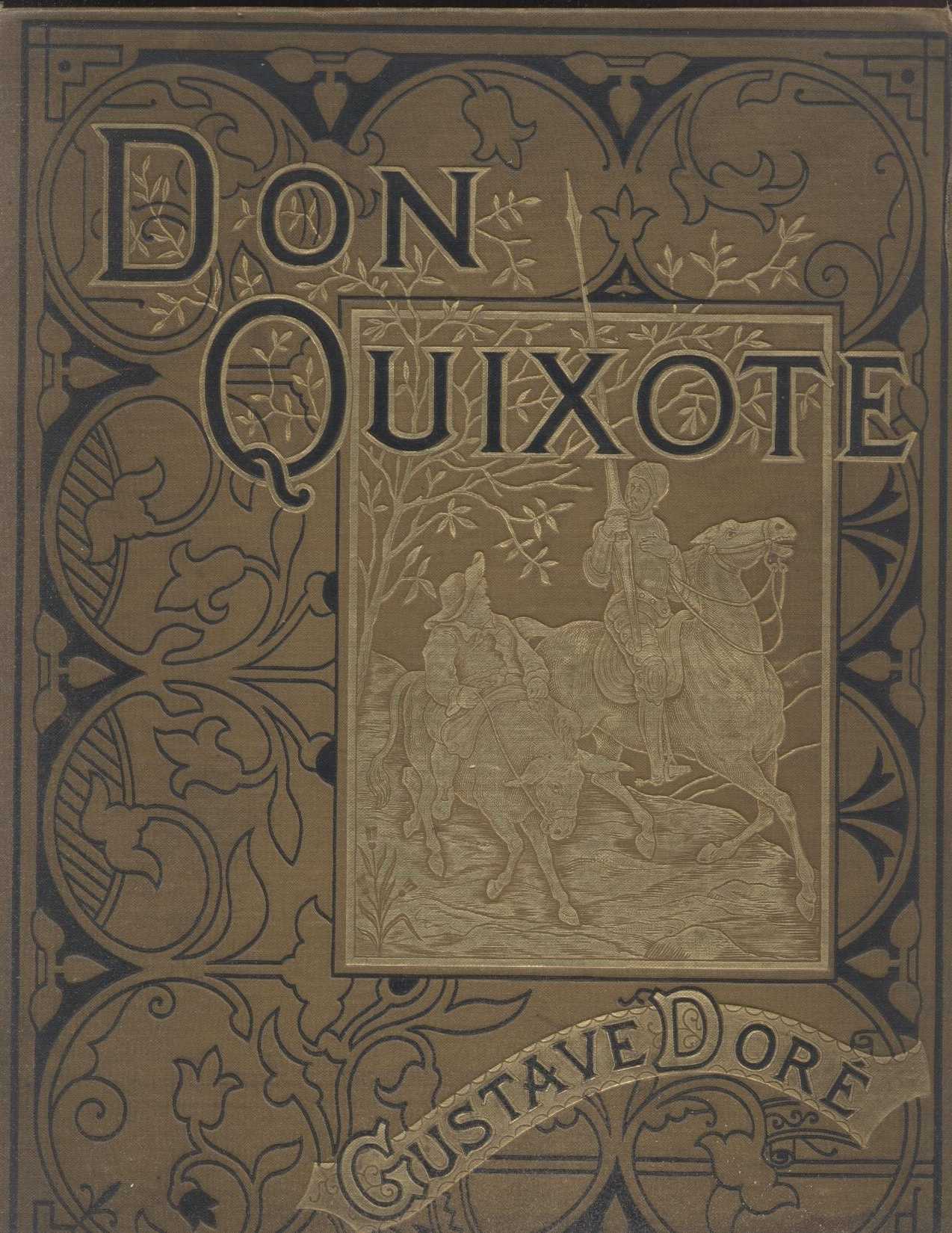
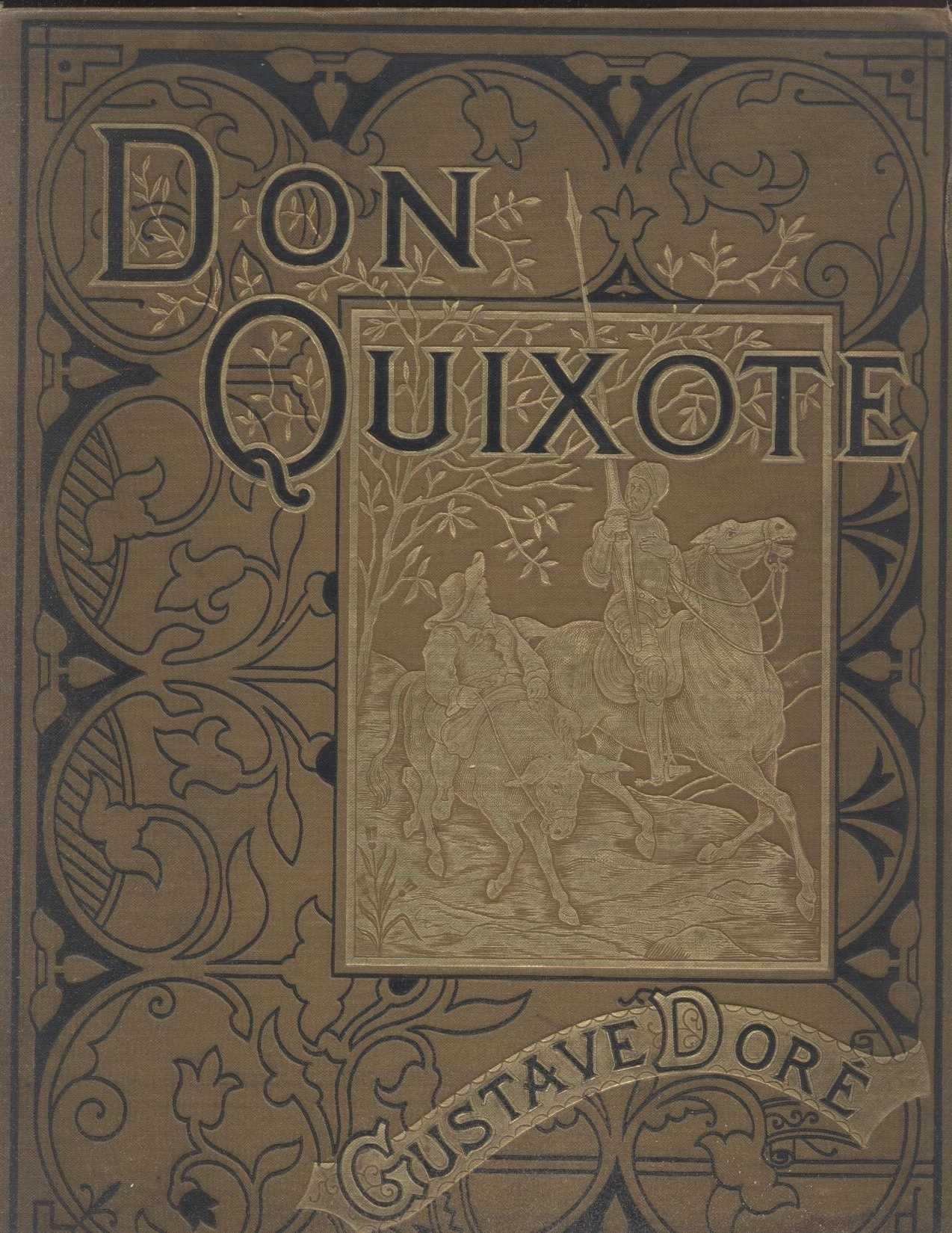
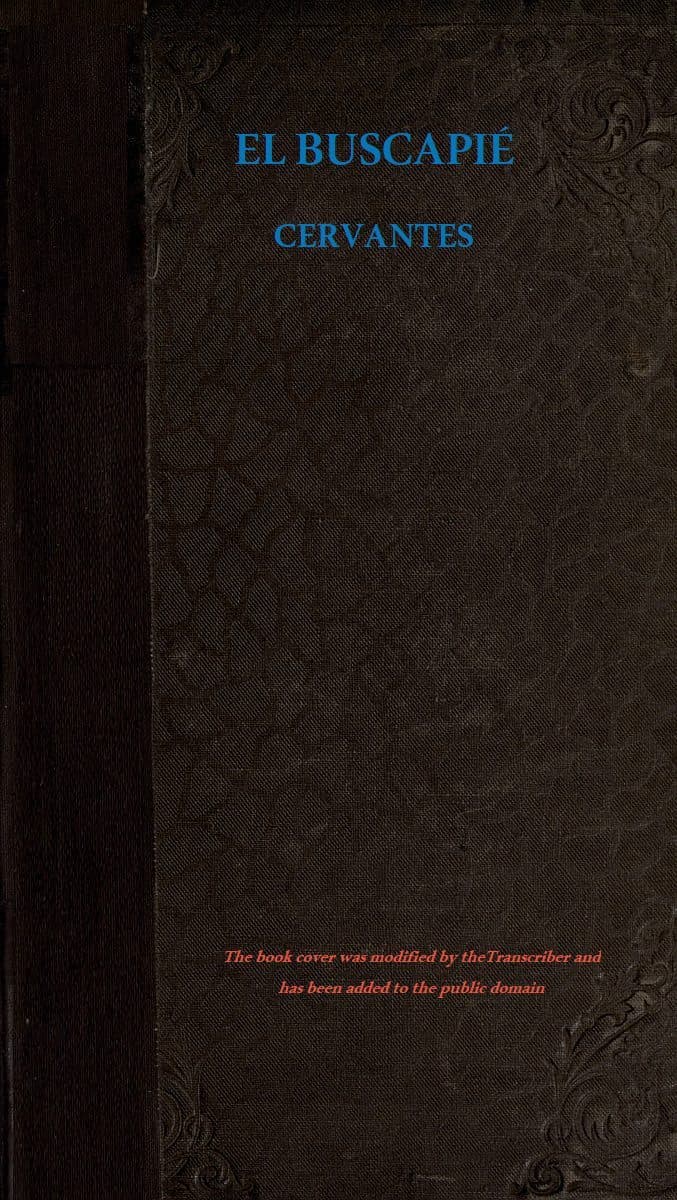
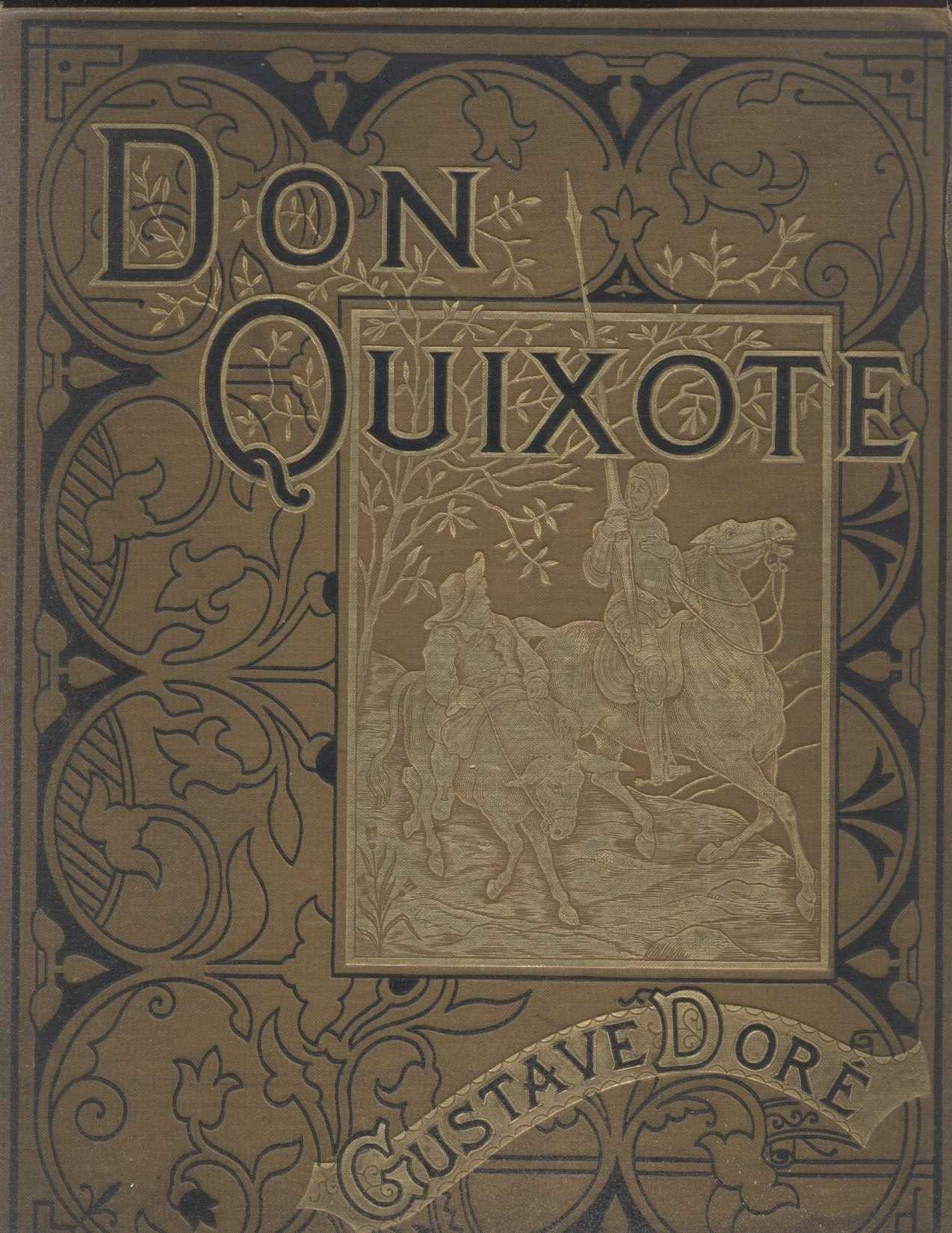
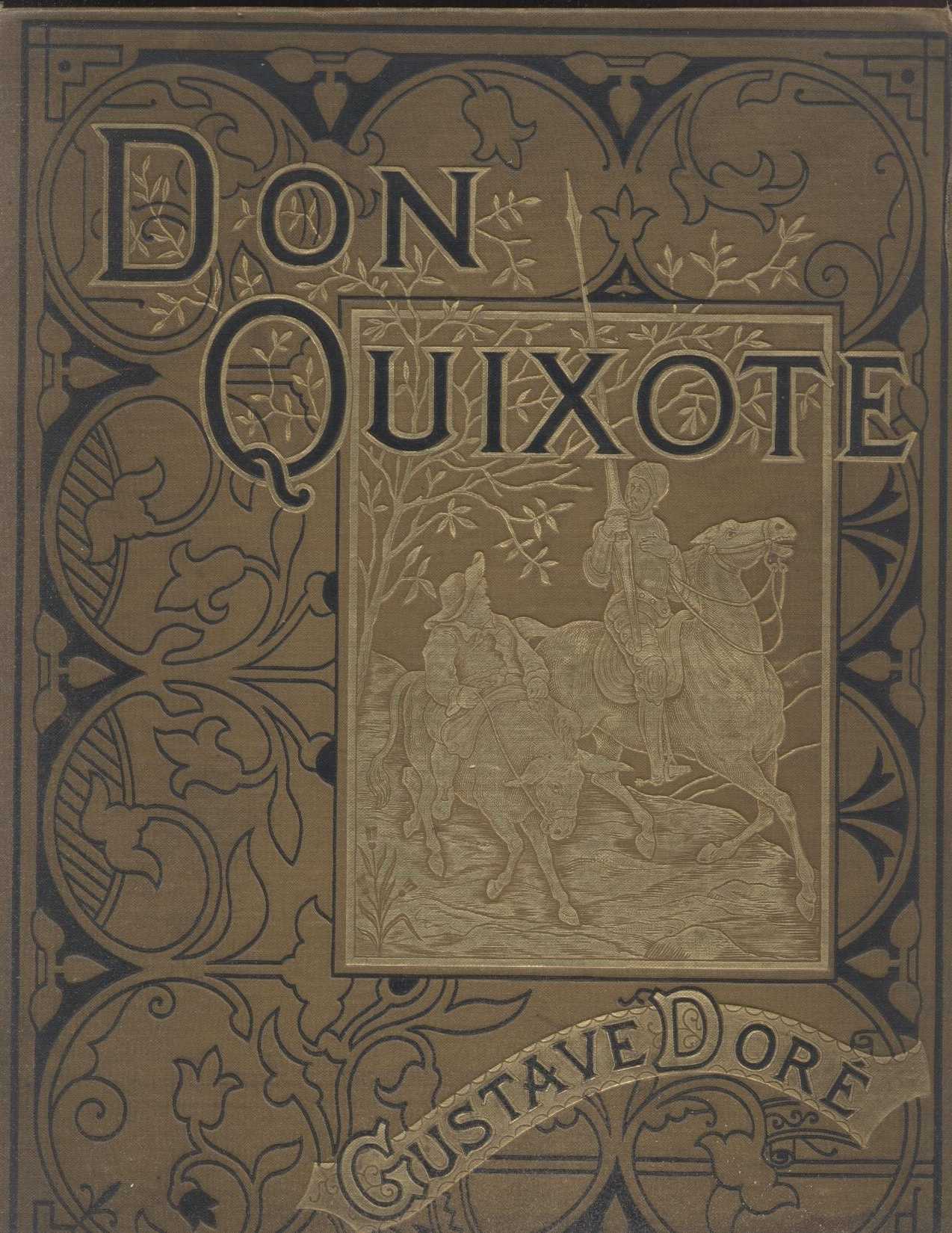
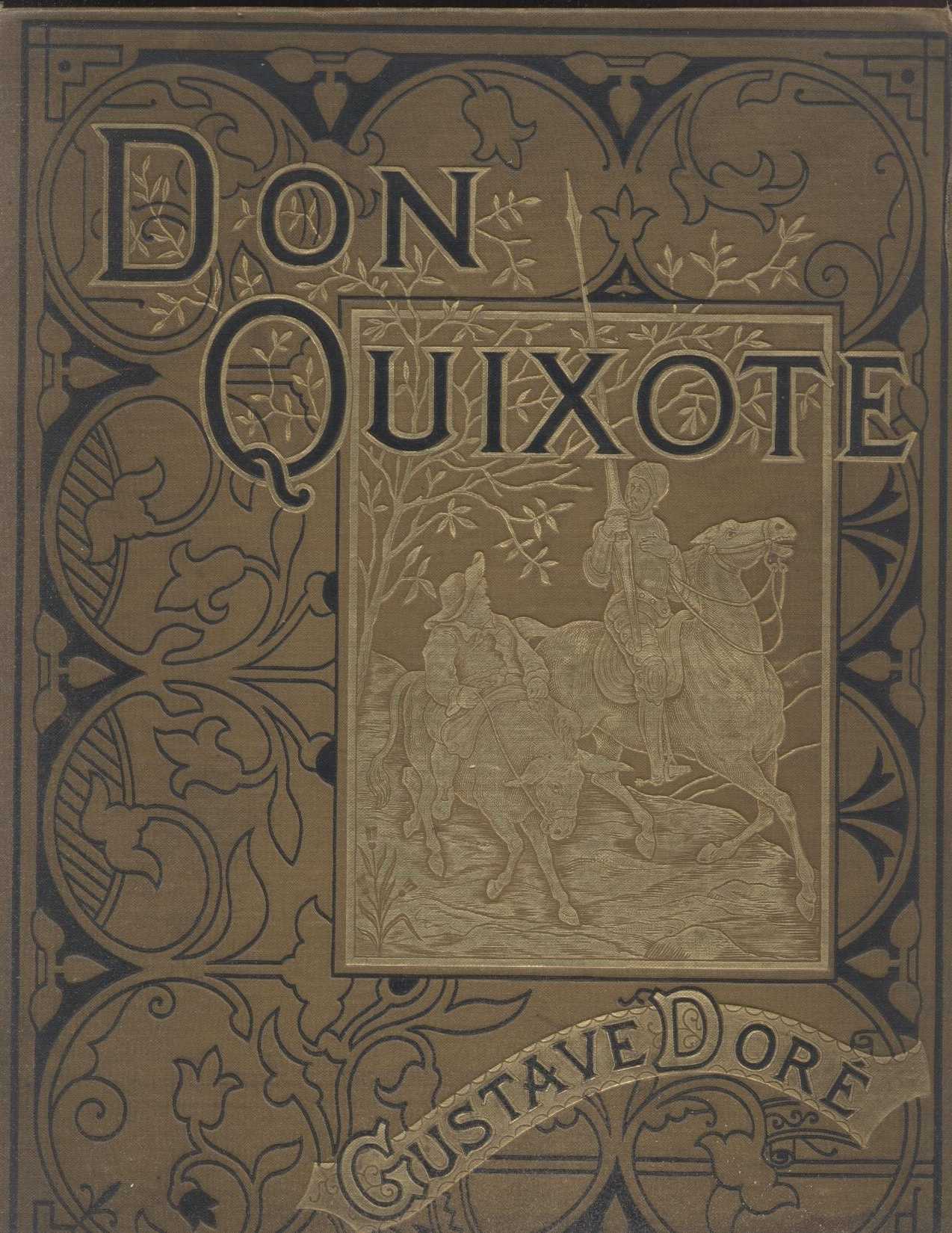
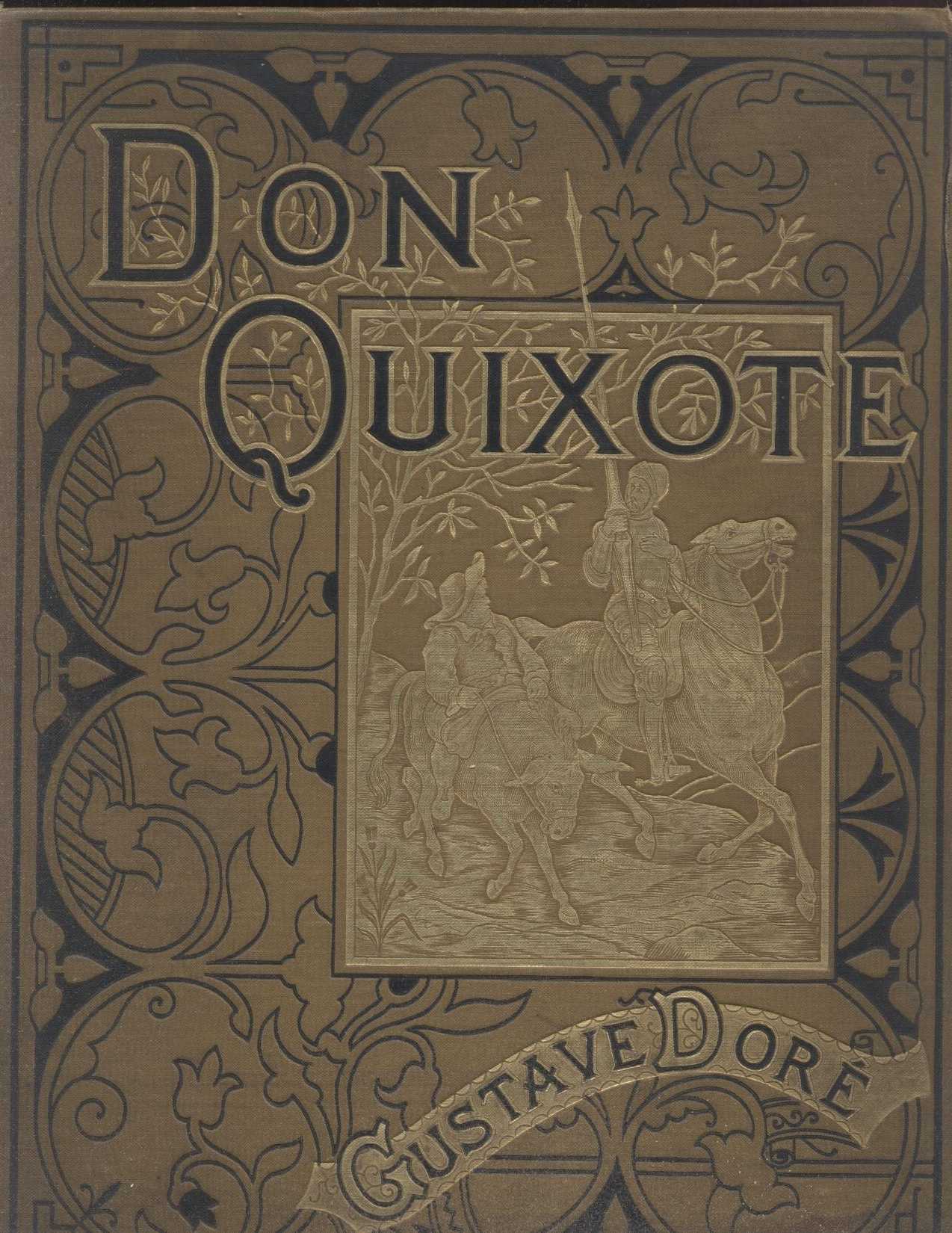
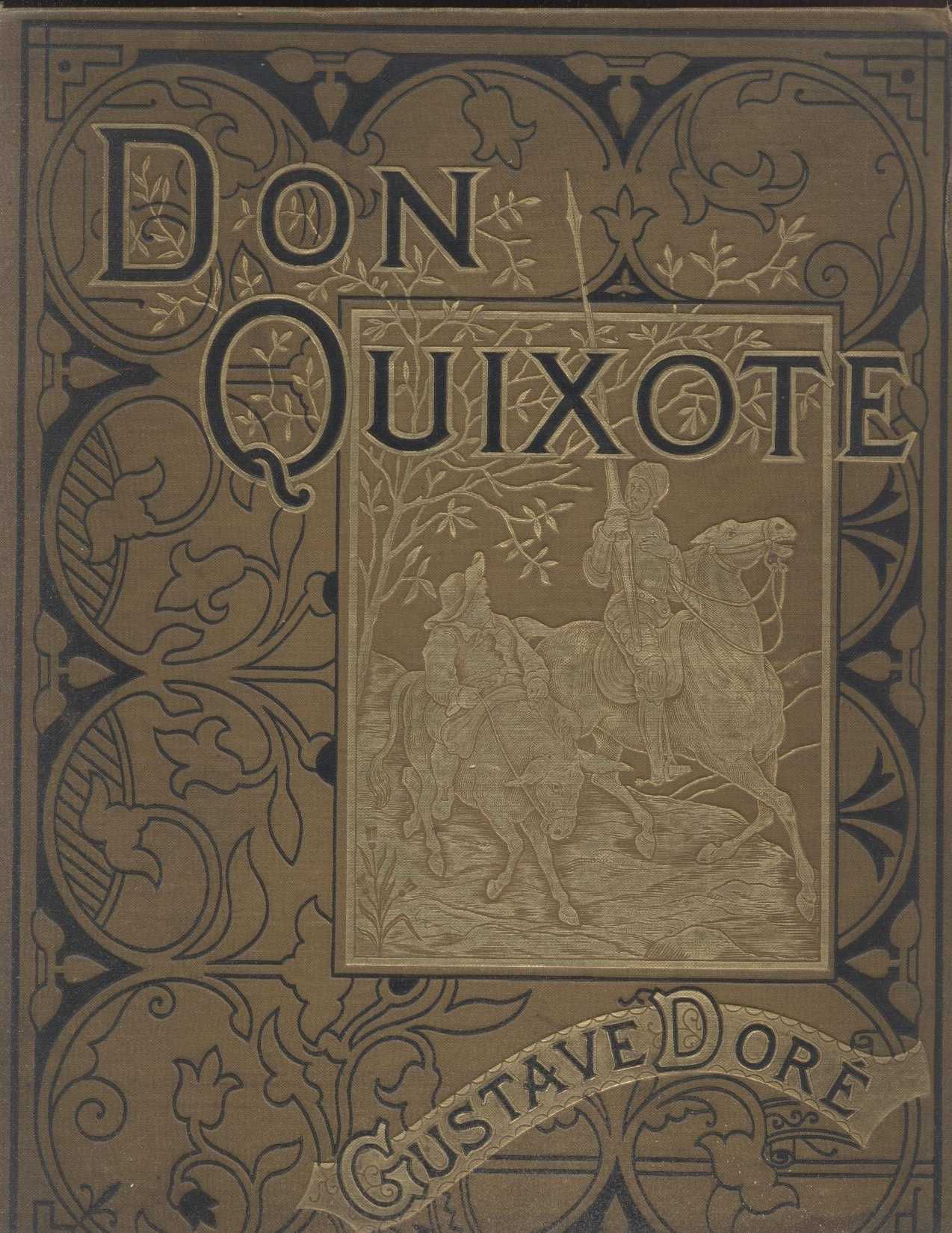
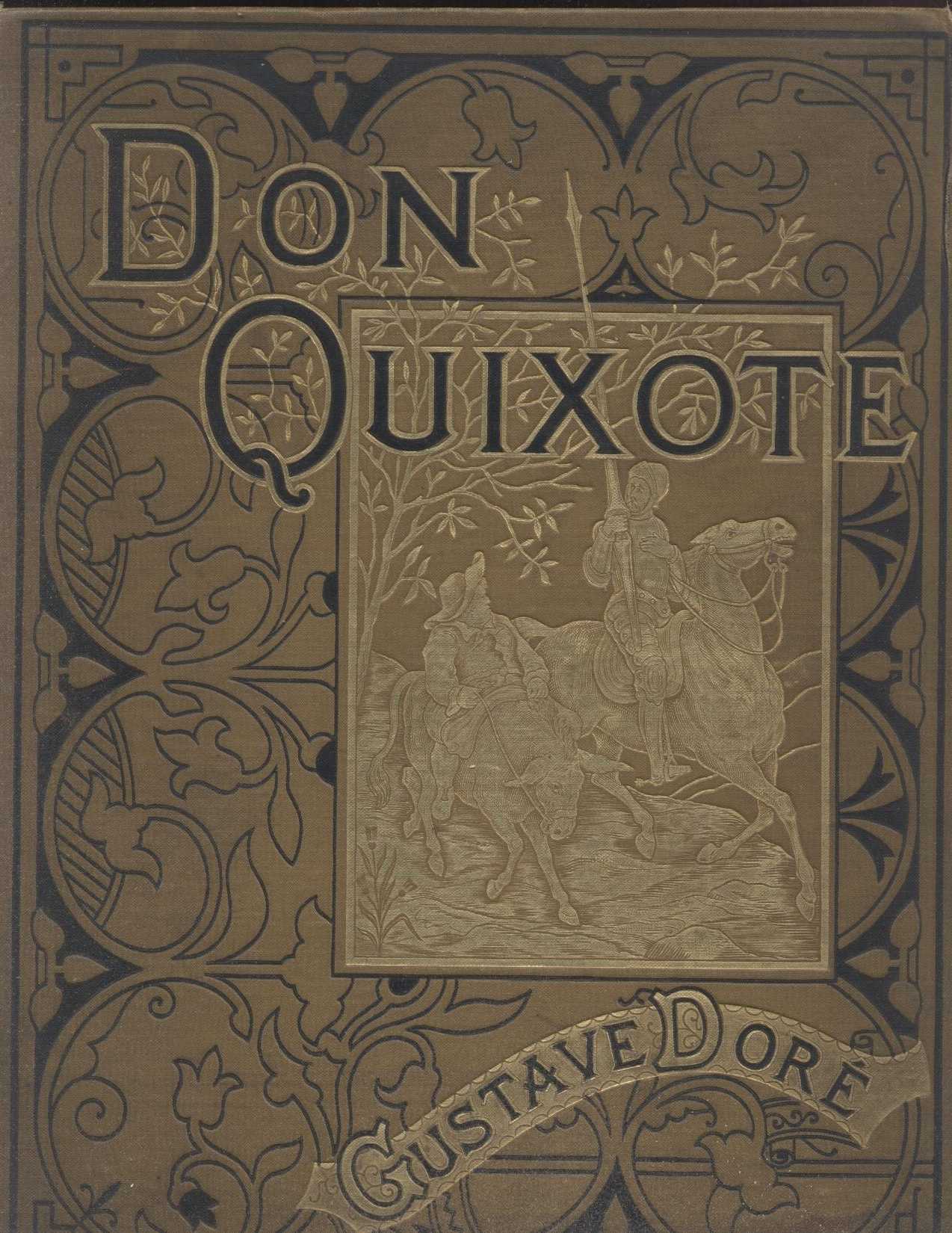
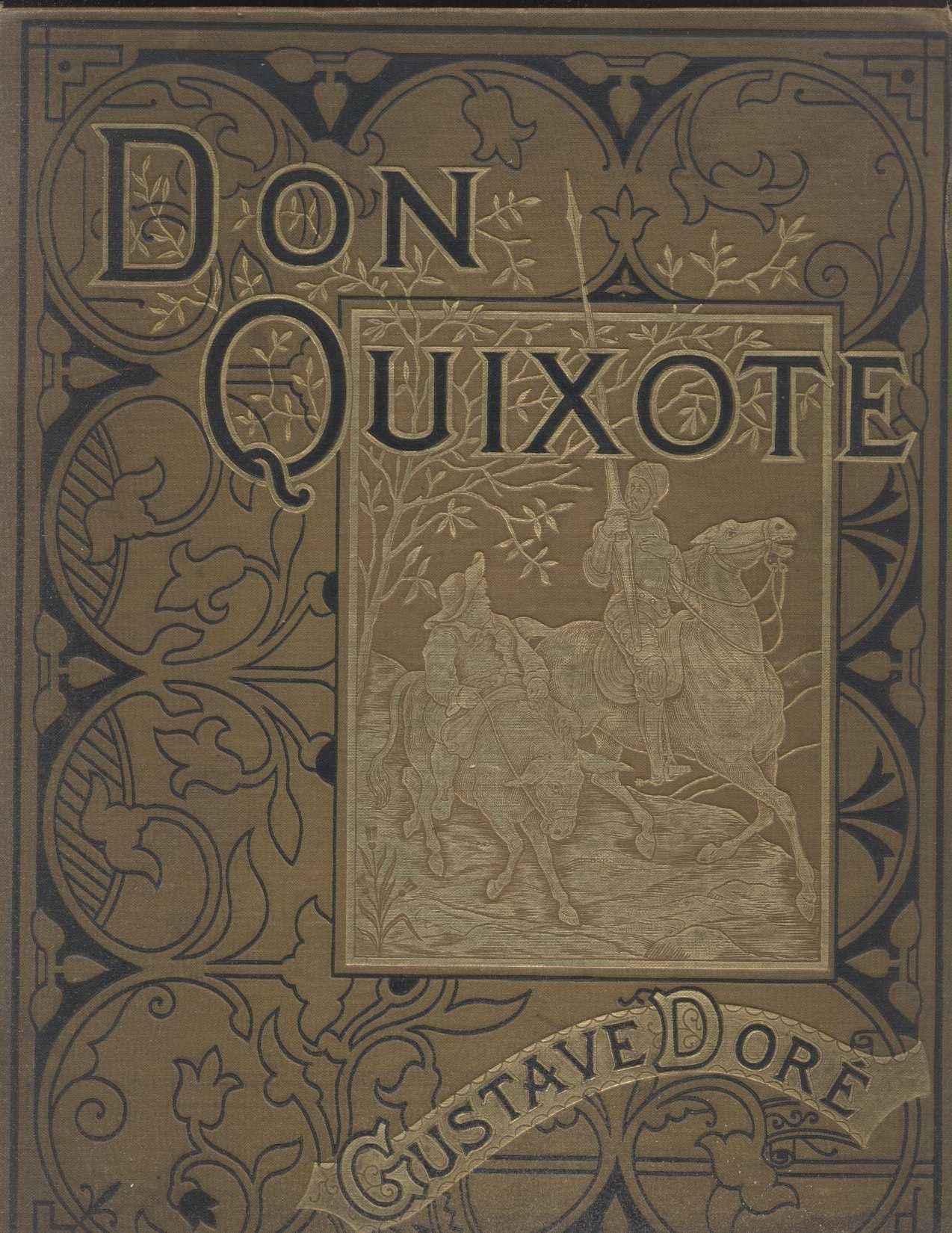
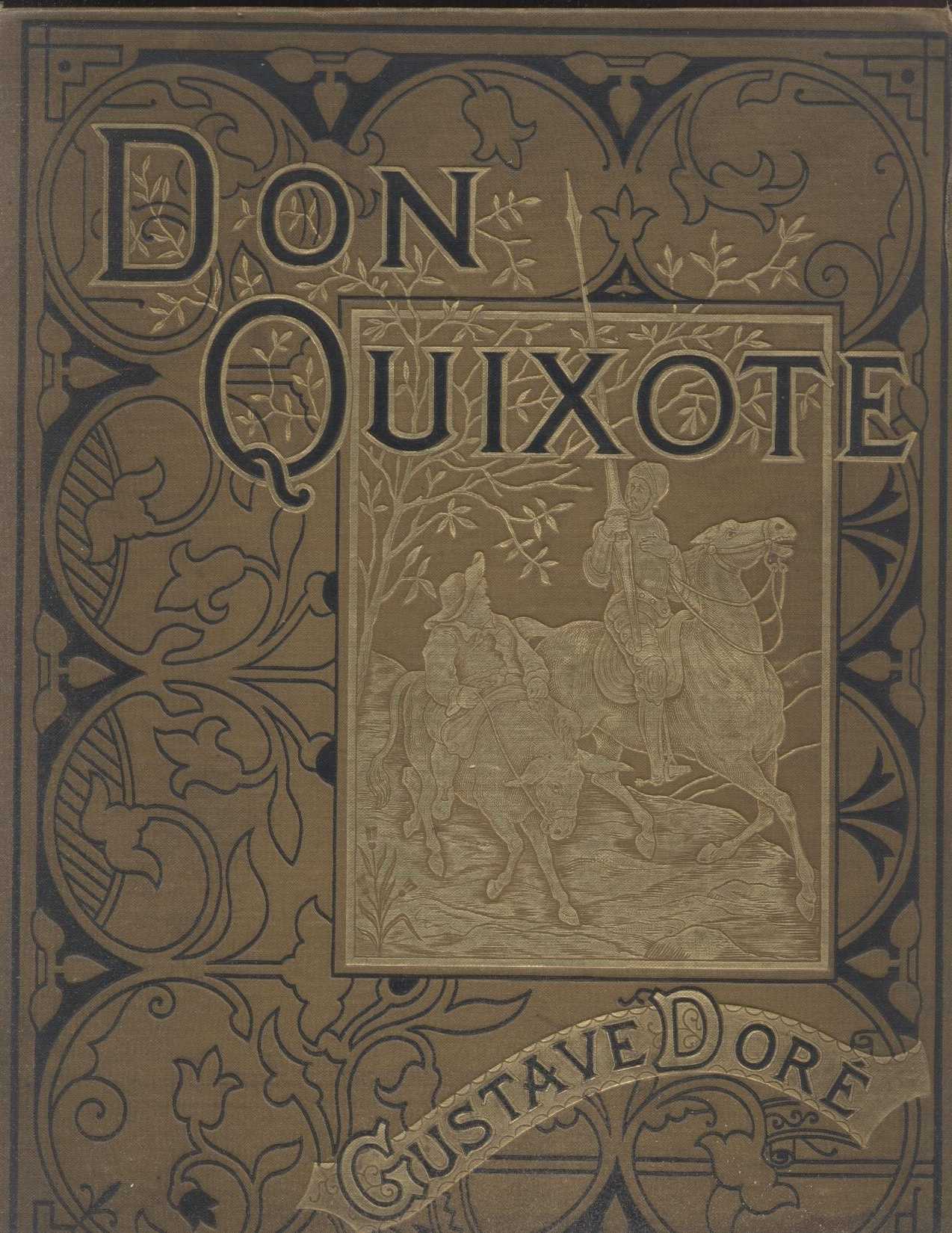
The Exemplary Novels of Cervantes
1613
The Exemplary Novels of Cervantes
1613
Translated by Walter K. (Walter Keating) Kelly
Published in 1613, just years before his death, Cervantes' collection of twelve short stories invented a literary form. These 'exemplary' tales, meant to teach through example, rewrote the rules of narrative fiction, blending comedy with tragedy, realism with romance, and sharp social satire with genuine emotional depth. Here you'll find picaresque adventures of Seville's underbelly, tragic explorations of honor and betrayal among the nobility, and witty deceptions that flip social hierarchies on their heads. Cervantes populates these stories with gypsy girls, jealous old husbands, clever servants, noblemen passing as commoners, and a man who believes he's made of glass. Each tale operates as a psychological prism, refracting the anxieties of Golden Age Spain, class rigidity, the volatile politics of honor, the performative nature of love, through characters whose desires and deceits feel startlingly modern. This is Cervantes unbound from the epic proportions of Don Quixote, proving his mastery scales down as elegantly as it scales up.
Editions
X-Ray
“Parece que los gitanos y gitanas solamente nacieron en el mundo para ser ladrones: nacen de padres ladrones, críanse con ladrones, estudian para ladrones y, finalmente, salen con ser ladrones corrientes y molientes a todo ruedo; y la gana del hurtar y el hurtar son en ellos como acidentes inseparables, que no se quitan sino con la muerte””
— Miguel de Cervantes Saavedra
Link to this book
Add a free, dofollow link to Lex on your blog, forum, syllabus, or reading list.

<a href="https://lex-books.com/book/the-exemplary-novels-of-cervantes-f1e52204-c951-4937-9e28-05343b1ad2ad"><img src="https://lex-books.com/badges/read-on-lex.svg" alt="Read The Exemplary Novels of Cervantes by Miguel de Cervantes Saavedra free on Lex" width="160" height="40"></a>[](https://lex-books.com/book/the-exemplary-novels-of-cervantes-f1e52204-c951-4937-9e28-05343b1ad2ad)[url=https://lex-books.com/book/the-exemplary-novels-of-cervantes-f1e52204-c951-4937-9e28-05343b1ad2ad][img]https://lex-books.com/badges/read-on-lex.svg[/img][/url]Read The Exemplary Novels of Cervantes by Miguel de Cervantes Saavedra free on Lex: https://lex-books.com/book/the-exemplary-novels-of-cervantes-f1e52204-c951-4937-9e28-05343b1ad2adCite this book
Reading this edition for a paper or guide? Copy a citation.
Saavedra, Miguel de Cervantes. The Exemplary Novels of Cervantes. Lex, lex-books.com/book/the-exemplary-novels-of-cervantes-f1e52204-c951-4937-9e28-05343b1ad2ad.Saavedra, M. D. C. (1613). The Exemplary Novels of Cervantes. Lex. https://lex-books.com/book/the-exemplary-novels-of-cervantes-f1e52204-c951-4937-9e28-05343b1ad2adSaavedra, Miguel de Cervantes. The Exemplary Novels of Cervantes. Lex. https://lex-books.com/book/the-exemplary-novels-of-cervantes-f1e52204-c951-4937-9e28-05343b1ad2ad.