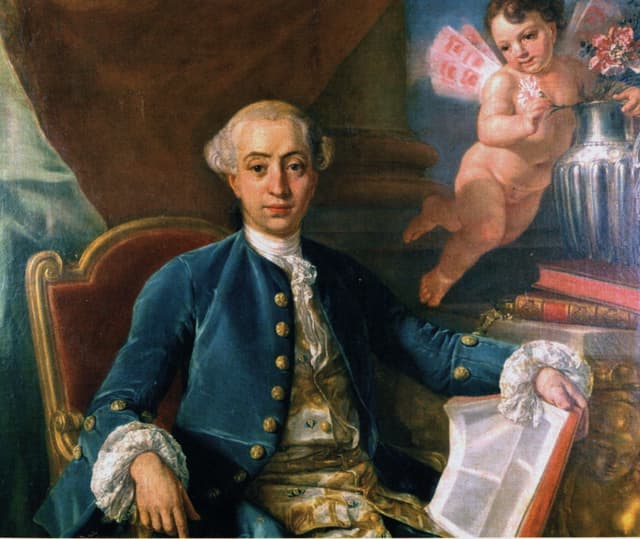
Giacomo Casanova
Giacomo Casanova was an Italian adventurer and writer, renowned for his captivating autobiography, Histoire de ma vie, which offers a vivid portrayal of 18th-century European social life. Born in the Republic of Venice to a family of actors, he initially pursued a career in law and the Catholic Church but quickly abandoned these paths in favor of a more adventurous lifestyle. Casanova became a gambler, violinist, and confidence trickster, often leveraging his charm and wit to navigate the courts and salons of Europe. His escapades included a daring escape from the Piombi prison and the successful advocacy for a state lottery in France, showcasing his ability to blend intellect with audacity. Casanova's literary significance lies not only in his autobiographical work but also in his unique perspective on the era's customs and norms. His encounters with influential figures such as Voltaire, Goethe, and Mozart enriched his narrative, making it a valuable historical document. Through his writings, he explored themes of love, adventure, and the complexities of human relationships, establishing himself as a figure of intrigue and controversy. Today, Casanova's legacy endures as a symbol of the libertine spirit and the art of storytelling, with his name synonymous with romantic escapades and a life lived to the fullest.
Famous Quotes
View all 19 quotes“Be the flame, not the moth.””
“one who makes no mistakes makes nothing””
“If you have not done things worthy of being written about, at least write things worthy of being read.””
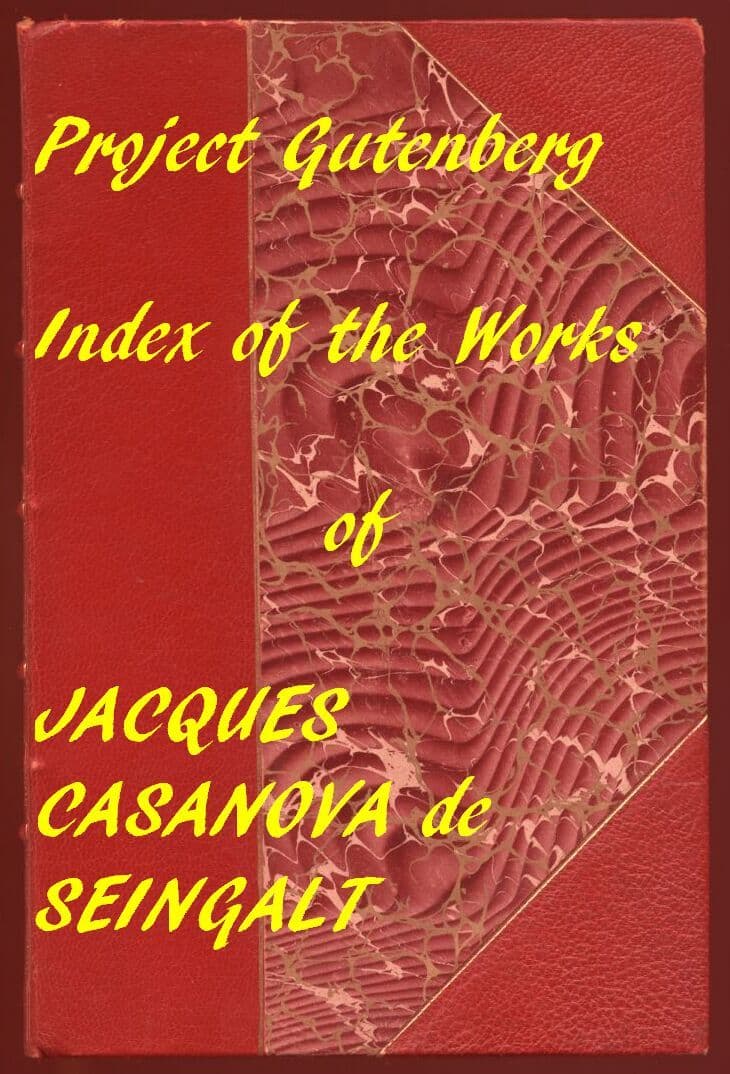
Books from the author

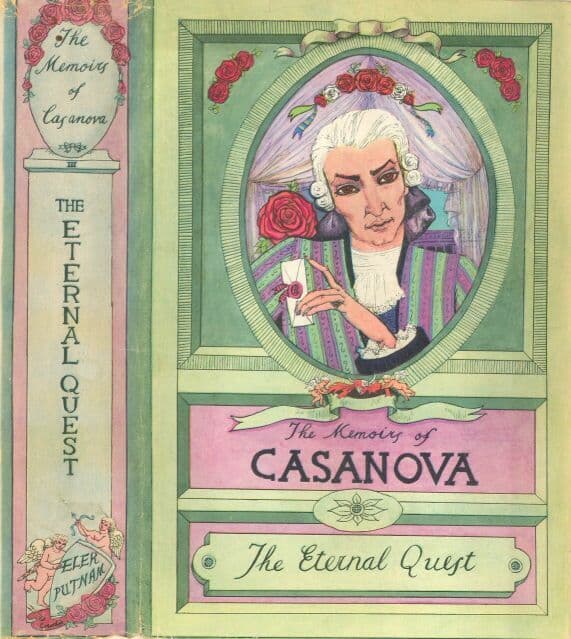
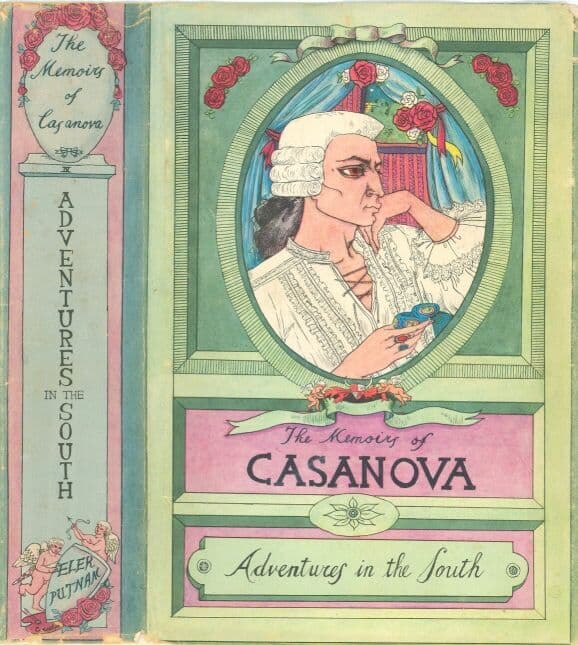
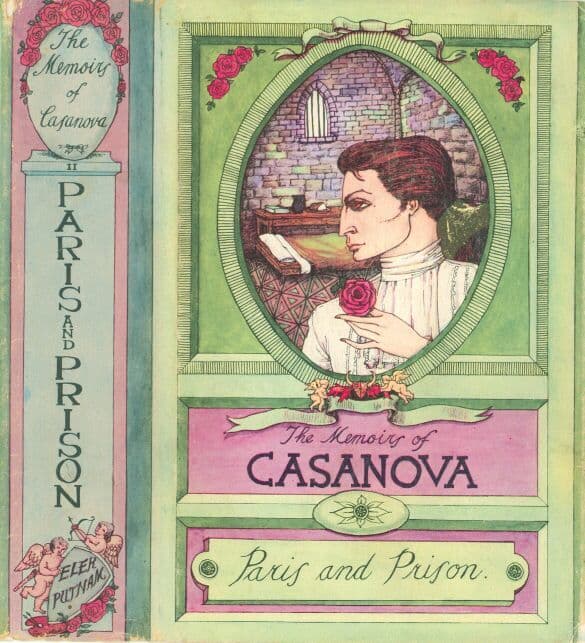



Link to this page
Add a free, dofollow link to Lex on your blog, forum, syllabus, or reading list.

<a href="https://lex-books.com/author/giacomo-casanova"><img src="https://lex-books.com/badges/read-on-lex.svg" alt="Giacomo Casanova on Lex" width="160" height="40"></a>[](https://lex-books.com/author/giacomo-casanova)[url=https://lex-books.com/author/giacomo-casanova][img]https://lex-books.com/badges/read-on-lex.svg[/img][/url]Giacomo Casanova on Lex: https://lex-books.com/author/giacomo-casanova