Lex

Browse

All GenresBookshelvesFree BooksFree Audiobooks

Company

About usJobsShare with friendsAffiliates

Legal

Terms of ServicePrivacy Policy

Contact

Supportgeneral@lex-books.com(215) 703-8277

© 2026 LexBooks, Inc. All rights reserved.

Daniel Defoe

Daniel Defoe

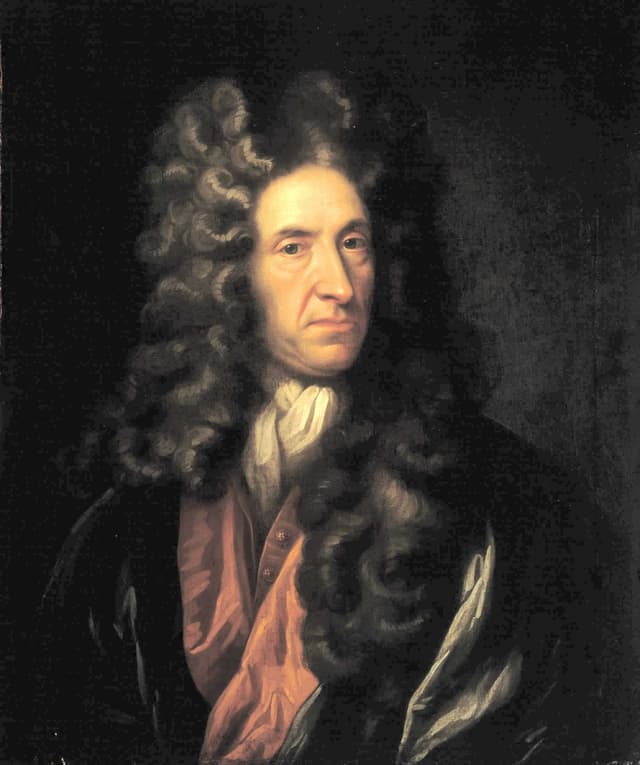
Daniel Defoe was an English writer, merchant, and spy, best known for his groundbreaking novel, Robinson Crusoe, published in 1719. Often regarded as one of the earliest proponents of the English novel, Defoe played a crucial role in popularizing the form alongside contemporaries like Aphra Behn and Samuel Richardson. His works extended beyond fiction; he was a prolific writer of political tracts and essays, often engaging with the pressing issues of his time. Defoe's bold ideas frequently put him at odds with authorities, leading to periods of imprisonment due to his controversial views and writings. Defoe's literary significance lies not only in his narrative style and character development but also in his ability to weave social commentary into his narratives. His exploration of individualism, survival, and the human condition in Robinson Crusoe has left an indelible mark on literature, influencing countless writers and shaping the adventure genre. His legacy endures as a pioneer of the novel form, whose works continue to be studied for their innovative approach to storytelling and their reflection of early 18th-century society.

Wikipedia

Daniel Defoe was an English writer, merchant and spy. He is most famous for his novel Robinson Crusoe, was published in...

Written by Lex AI

Famous Quotes

View all 96 quotes

“He told me it was for men of desperate fortunes on one hand, or of aspiring, superior fortune on the other, who when abroad upon adventures, to rise by enterprize, and make themselves famous in undertakings of a nature out of the common road; that these things were all either too far above me, or to far below me; that mine was the middle state, or what might be called the upper station of low life, which he had found by long experience was the best state in the world, the most suited to human happiness, not exposed to the miseries of hardships, the labour and sufferings of the mechanick part of mankind, and not embarrassed with the pride, luxury, ambition, and envy of the upper part of mankind. He told me I might judge of the happiness of this state by this one thing, viz. that this was the state of life which all other people envied, that kings had frequently lamented the miserable consequences of being born to great things, and wished they had been placed in the middle of the two extremes, between the mean and the great; that the wise man gave his testimony to this as the just standard of true felicity, when he prayed to have neither poverty or riches.He bid me observe it, and I should always find, that the calamities of life were shared among the upper and lower part of mankind; but that the middle station had the fewest disasters, and was not exposed to so many vicissitudes as the higher or lower part of mankind; nay, they were so subjected to so many distempers and uneasiness, either of body or mind, as those were who, by vicious living, luxury, and extravagancies on one hand, and by hard labour, want of necessaries, and mean or insufficient diet on the other hand, bring distempers upon themselves by the natural consequences of their way of living; that the middle station of life was calculated for all kinds of vertues and all kinds of enjoyments; that peace and plenty were the hand-maids of a middle fortune; that temperance, moderation, quietness, health, society, all agreeable diversion, and all desirable pleasures, were the blessing attending the middle station of life; that this way men went silently and smoothly thro’ the world, and comfortably out of it, not embarrassed with the labour of their hands or of the head, not sold to the life of slavery for daily bread, or harrast with perplexed circumstances, which rob the soul of peace and the body of rest; not enraged with the passion of envy, or secret burning lust of ambition for great things; but in easy circumstances sliding gently thro’ the world, and sensibly tasting the sweets of living without the bitter, feeling that they are happy and learning by every day’s experience to know it more sensibly.”

“What is this earth and sea of which I have seen so much? Whence is it produced? And what am I and all the other creatures, wild and tame, humane and brutal? Whence are we? Sure we are all made by some secret power, who formed the earth and sea, the air and sky; and who is that?Then it followed most naturally, It is God that has made it all. Well, but then it came on strangely, if God has made all these things, He guides and governs them all, and all things that concern them; for the power that could make all things must certainly have power to guide and direct them.If so, nothing can happen in the great circuit of His works, either without His knowledge or appointment.And if nothing happens without His knowledge, He knows that I am here, and am in this dreadful condition; and if nothing happens without His appointment, He has appointed all this to befall me.Nothing occurred to my thought to contradict any of these conclusions; and therefore it rested upon me with the greater force that it must need be, that God had appointed all this to befall me; that I was brought to this miserable circumstance by His direction, He having the sole power, not of me only, but of every thing that happened in the world. Immediately it followed:Why has God done this to me? What have I done to be thus used?”

“This renewed a contemplation which often had come to my thoughts in former time, when first I began to see the merciful dispositions of Heaven in the dangers we run through in this life; how wonderfully we are delivered when we know nothing of it; how when we are in a quandary, as we call it, a doubt or hesitation, whether to go this way or that way, a secret hint shall direct us this way, when we intended to go that way; nay, when sense, our own inclination, and perhaps business has called to go the other way, yet a strange impression upon the mind, from we know not what springs, and by we know not what power, shall over-rule us to go this way; and it shall afterwards appear that had we gone that way which we should have gone, and even to our imagination ought to have gone, we should have been ruined and lost. Upon these and many like reflections, I afterwards made it a certain rule with me, that whenever I found those secret hints or pressing of my mind, to doing or not doing any thing that presented, or to going this way or that way, I never failed to obey the secret dictate; though I knew no other reason for it than that such a pressure or such a hint hung upon my mind.”

“He told me it was for men of desperate fortunes on one hand, or of aspiring, superior fortune on the other, who when abroad upon adventures, to rise by enterprize, and make themselves famous in undertakings of a nature out of the common road; that these things were all either too far above me, or to far below me; that mine was the middle state, or what might be called the upper station of low life, which he had found by long experience was the best state in the world, the most suited to human happiness, not exposed to the miseries of hardships, the labour and sufferings of the mechanick part of mankind, and not embarrassed with the pride, luxury, ambition, and envy of the upper part of mankind. He told me I might judge of the happiness of this state by this one thing, viz. that this was the state of life which all other people envied, that kings had frequently lamented the miserable consequences of being born to great things, and wished they had been placed in the middle of the two extremes, between the mean and the great; that the wise man gave his testimony to this as the just standard of true felicity, when he prayed to have neither poverty or riches.He bid me observe it, and I should always find, that the calamities of life were shared among the upper and lower part of mankind; but that the middle station had the fewest disasters, and was not exposed to so many vicissitudes as the higher or lower part of mankind; nay, they were so subjected to so many distempers and uneasiness, either of body or mind, as those were who, by vicious living, luxury, and extravagancies on one hand, and by hard labour, want of necessaries, and mean or insufficient diet on the other hand, bring distempers upon themselves by the natural consequences of their way of living; that the middle station of life was calculated for all kinds of vertues and all kinds of enjoyments; that peace and plenty were the hand-maids of a middle fortune; that temperance, moderation, quietness, health, society, all agreeable diversion, and all desirable pleasures, were the blessing attending the middle station of life; that this way men went silently and smoothly thro’ the world, and comfortably out of it, not embarrassed with the labour of their hands or of the head, not sold to the life of slavery for daily bread, or harrast with perplexed circumstances, which rob the soul of peace and the body of rest; not enraged with the passion of envy, or secret burning lust of ambition for great things; but in easy circumstances sliding gently thro’ the world, and sensibly tasting the sweets of living without the bitter, feeling that they are happy and learning by every day’s experience to know it more sensibly.”

“What is this earth and sea of which I have seen so much? Whence is it produced? And what am I and all the other creatures, wild and tame, humane and brutal? Whence are we? Sure we are all made by some secret power, who formed the earth and sea, the air and sky; and who is that?Then it followed most naturally, It is God that has made it all. Well, but then it came on strangely, if God has made all these things, He guides and governs them all, and all things that concern them; for the power that could make all things must certainly have power to guide and direct them.If so, nothing can happen in the great circuit of His works, either without His knowledge or appointment.And if nothing happens without His knowledge, He knows that I am here, and am in this dreadful condition; and if nothing happens without His appointment, He has appointed all this to befall me.Nothing occurred to my thought to contradict any of these conclusions; and therefore it rested upon me with the greater force that it must need be, that God had appointed all this to befall me; that I was brought to this miserable circumstance by His direction, He having the sole power, not of me only, but of every thing that happened in the world. Immediately it followed:Why has God done this to me? What have I done to be thus used?”

“This renewed a contemplation which often had come to my thoughts in former time, when first I began to see the merciful dispositions of Heaven in the dangers we run through in this life; how wonderfully we are delivered when we know nothing of it; how when we are in a quandary, as we call it, a doubt or hesitation, whether to go this way or that way, a secret hint shall direct us this way, when we intended to go that way; nay, when sense, our own inclination, and perhaps business has called to go the other way, yet a strange impression upon the mind, from we know not what springs, and by we know not what power, shall over-rule us to go this way; and it shall afterwards appear that had we gone that way which we should have gone, and even to our imagination ought to have gone, we should have been ruined and lost. Upon these and many like reflections, I afterwards made it a certain rule with me, that whenever I found those secret hints or pressing of my mind, to doing or not doing any thing that presented, or to going this way or that way, I never failed to obey the secret dictate; though I knew no other reason for it than that such a pressure or such a hint hung upon my mind.”

Books from the author
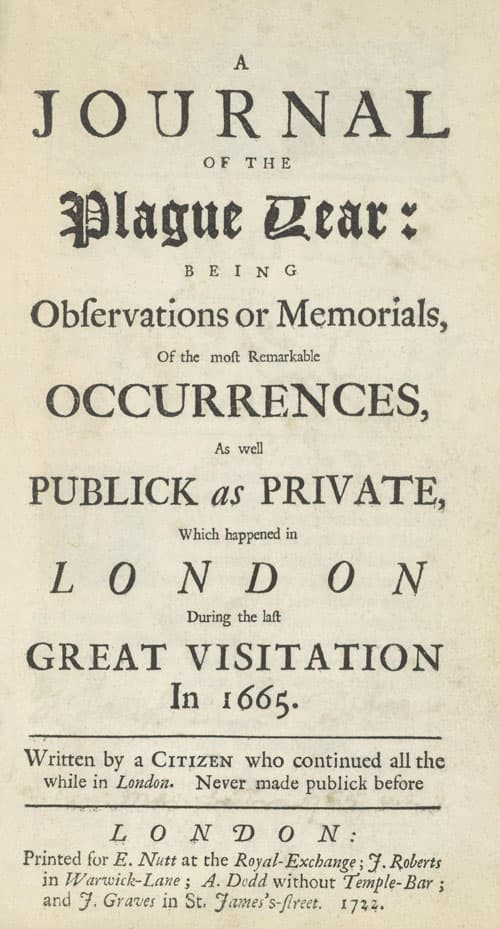
A Journal of the Plague Year
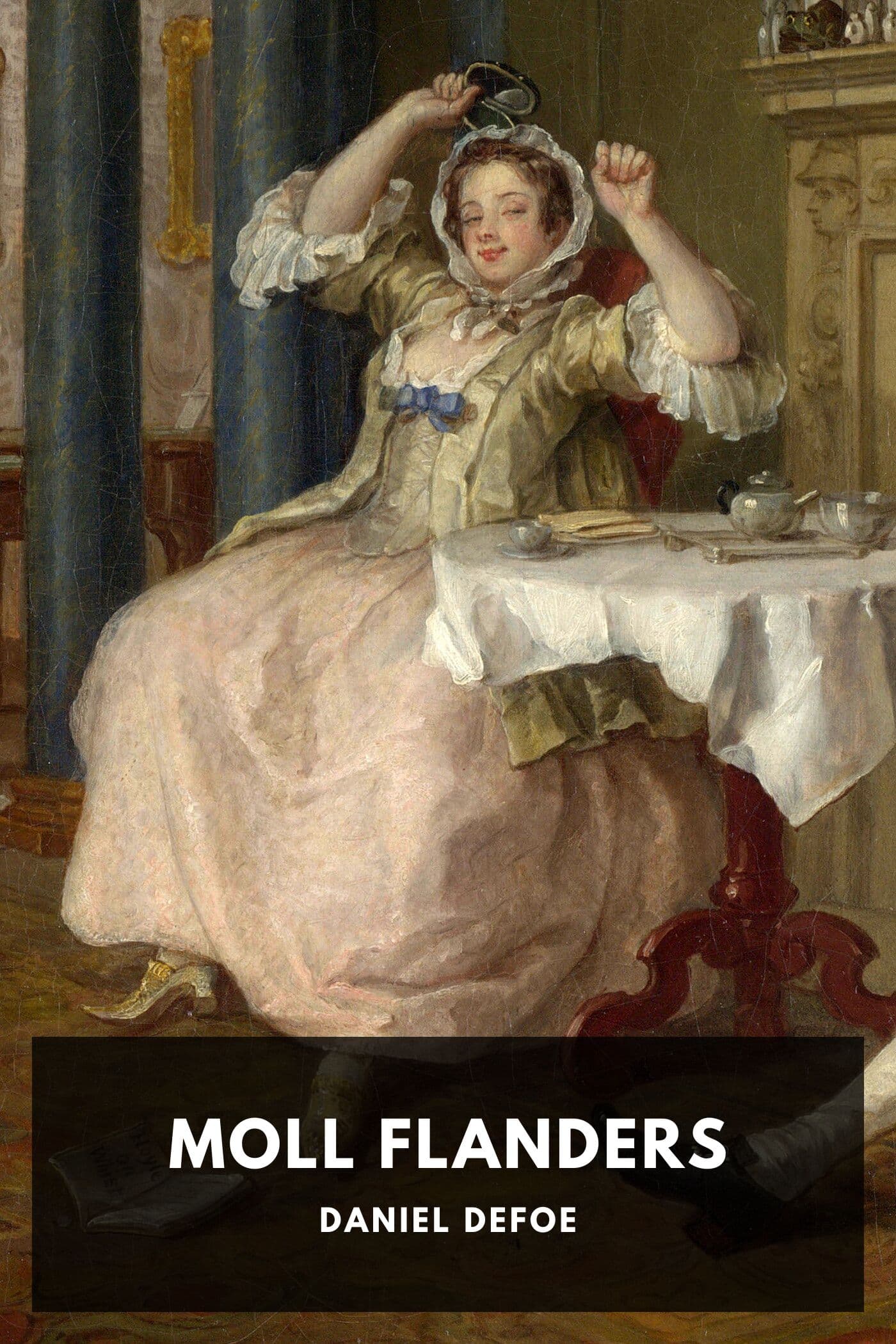
Moll Flanders
A General History of the Pyrates: From Their First Rise and Settlement in the Island of Providence, to the Present Time
The Fortunes and Misfortunes of the Famous Moll Flanders
A Journal of the Plague Year: Being Observations or Memorials of the Most Remarkable Occurrences, as Well Public as Private, Which Happened in London During the Last Great Visitation in 1665. Written by a Citizen Who Continued All the While in London
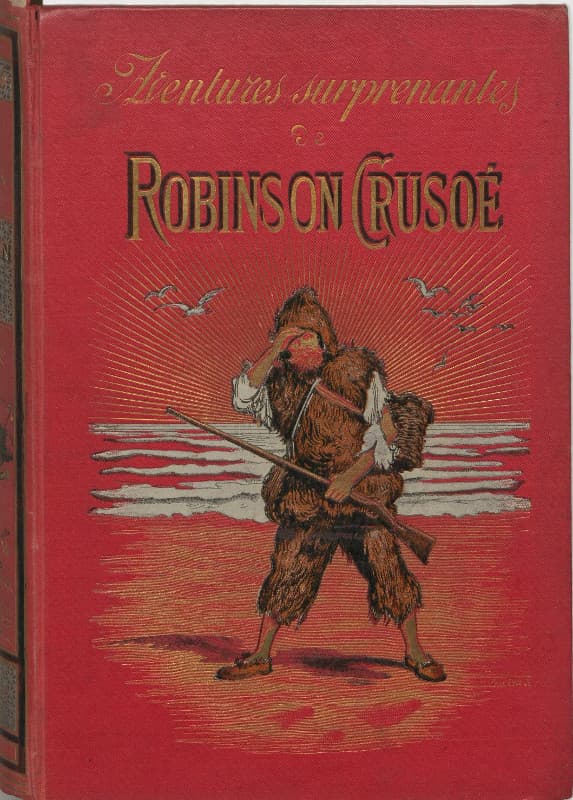
Voyages Et Aventures Surprenantes De Robinson Crusoé
The Life and Most Surprising Adventures of Robinson Crusoe, of York, Mariner (1801)

TheFortunateMistress(parts 1 ...

Daniel Defoe

The Life and Adventures of Robinson Crusoe (1808)
The Further Adventures of Robinson Crusoe
The Complete English Tradesman (1839 Ed.)
The History of the Devil, as Well Ancient as Modern: In Two Parts
An Essay upon Projects

The Life,Adventures &Piracies ofthe Famou...

Daniel Defoe

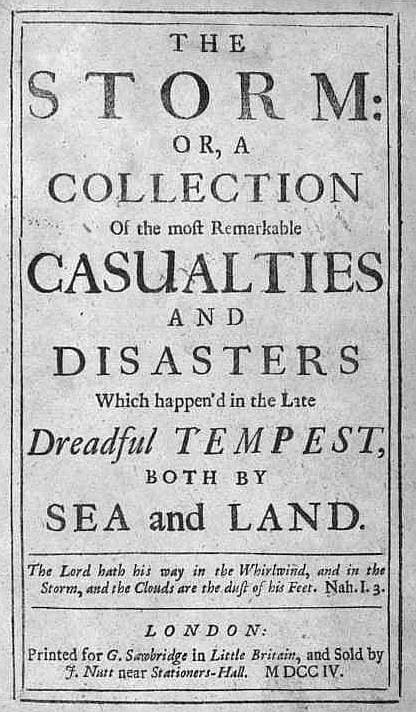
The Stormor, a Collection of the Most Remarkable Casualties and Disasters Which Happen'd in the Late Dreadful Tempest, Both by Sea and Land
Tour Through the Eastern Counties of England, 1722

The Historyof thePyrates.Vol....

1724

Daniel Defoe

A True Relation of the Apparition of One Mrs. Veal: The Next Day After Her Death, to One Mrs. Bargrave, at Canterbury, the 8th of September, 1705; Which Apparition Recommends the Perusal of Drelincourt's Book of Consolations Against the Fears of Death
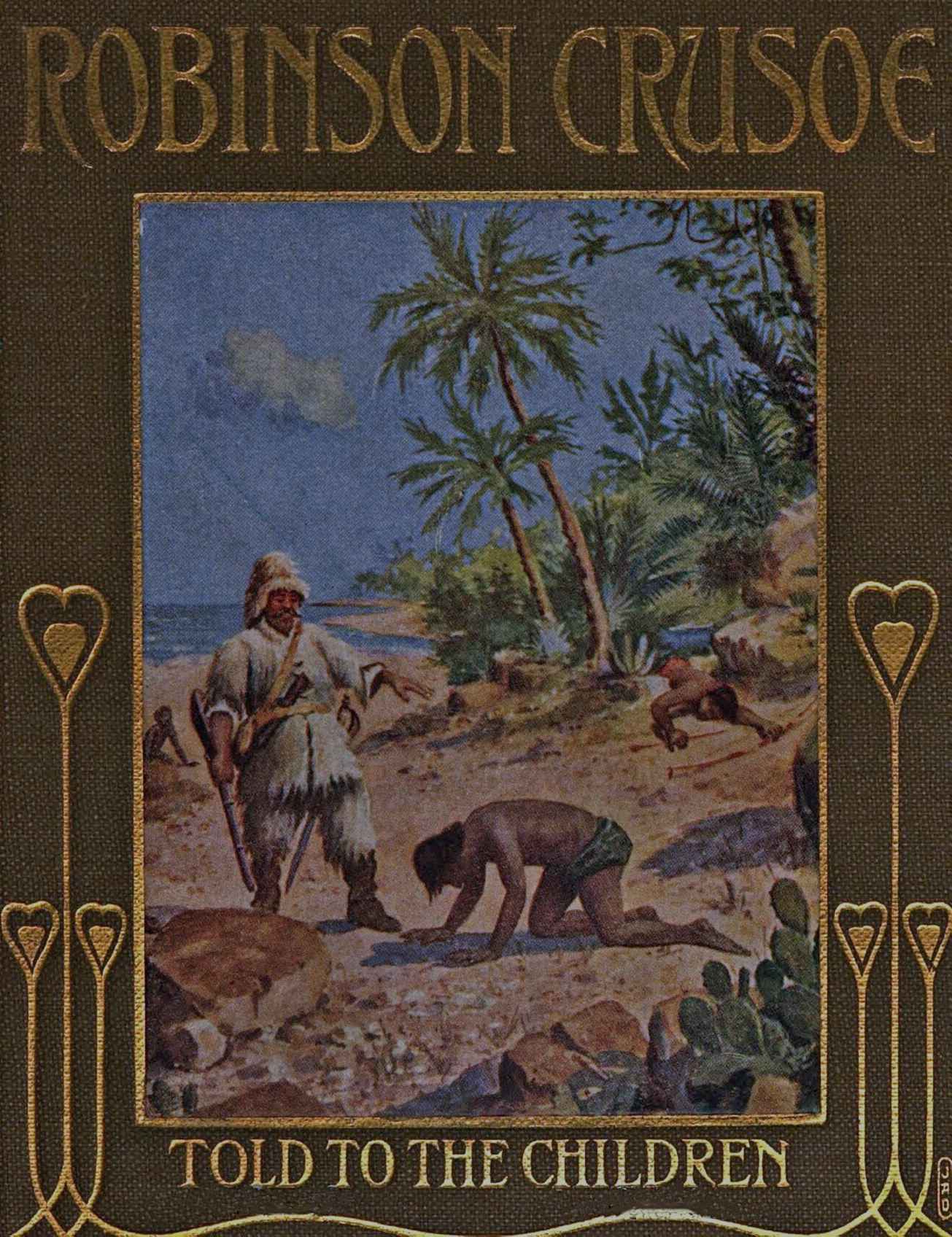
Robinson Crusoe, Told to the Children by John Lang

TheTrue-BornEnglishman:A Satire

Daniel Defoe

Robinson Crusoe — in Words of One Syllable
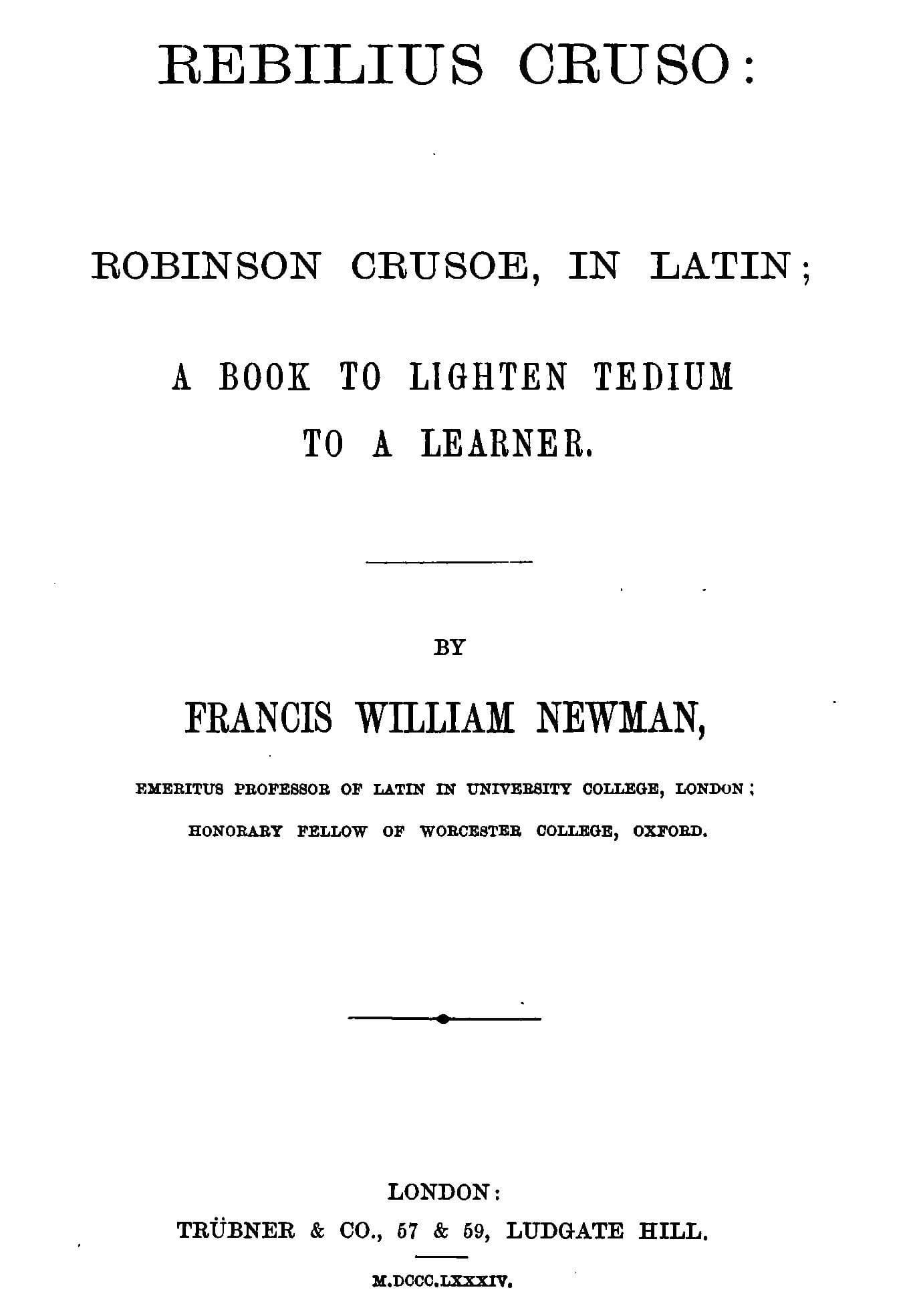
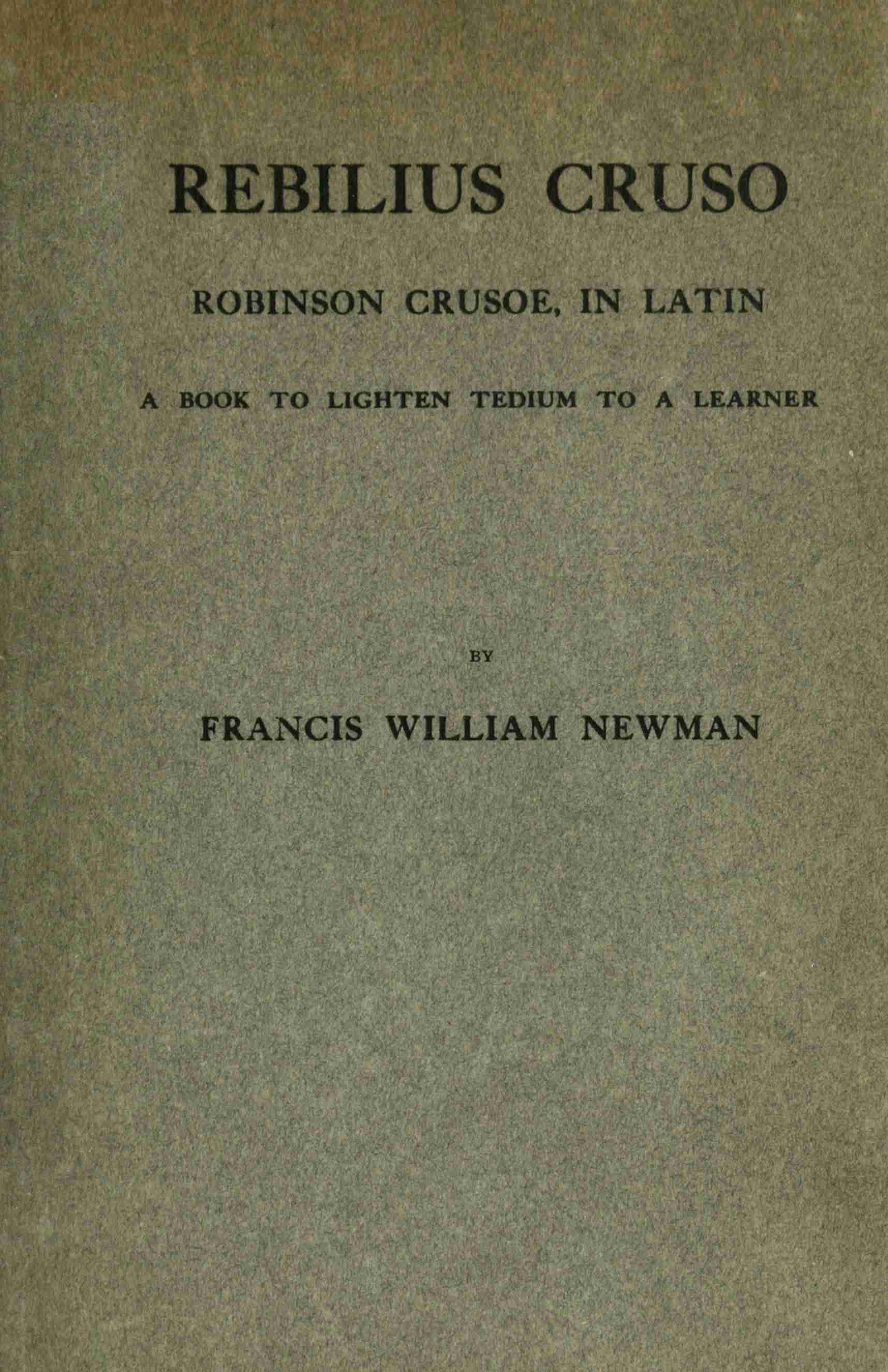
Rebilius Cruso: Robinson Crusoe, in Latin; A Book to Lighten Tedium to a Learner

The Life andAdventuresof RobinsonCrusoe of...

1719

Daniel Defoe

History of the Plague in London
A Short Narrative of the Life and Actions of His Grace John, D. of Marlborogh
Of Captain Mission

The Historyof the LifeandAdventure...

1720

Daniel Defoe

From London to Land's End: And Two Letters from the "journey Through England by a Gentleman

TheConsolidat...Or, Memoirsof Sundry...

1705

Daniel Defoe

Aventures Surprenantes De Robinson Crusoé
And What If the Pretender Should Come?or Some Considerations of the Advantages and Real Consequences of the Pretender's Possessing the Crown of Great Britain

A New VoyageRound theWorld

1725

Daniel Defoe

Robinson Crusoe's Reisen, wunderbare Abenteuer und Erlebnisse

Everybody'sBusiness isNobody'sBusiness:...

1725

Daniel Defoe

The History and Remarkable Life of the Truly Honourable Colonel Jacque, Commonly Called Colonel Jack

AtalantisMajor

1711

Daniel Defoe

The History of the Remarkable Life of John Sheppard: Containing a Particular Account of His Many Robberies and Escapes
Die Pest zu London

An AmericanRobinsonCrusoe

1719

Daniel Defoe

Het Leven En De Lotgevallen Van Robinson Crusoe, T. 1

The King ofPirates:Being anAccount o...

1719

Daniel Defoe

Dickory Cronke: The Dumb Philosopher, Or, Great Britain's Wonder
A Vindication of the Press

ReasonsAgainst theSuccessionof the Ho...

1713

Daniel Defoe

Memoirs of a Cavalier: A Military Journal of the Wars in Germany, and the Wars in England.: From the Year 1632 to the Year 1648.

RobinsonCrusoe(ii/ii)

1719

Daniel Defoe

Rebilius Crūsō: Robinson Crusoe, in Latin; A Book to Lighten Tedium to a Learner
Robinsono Kruso
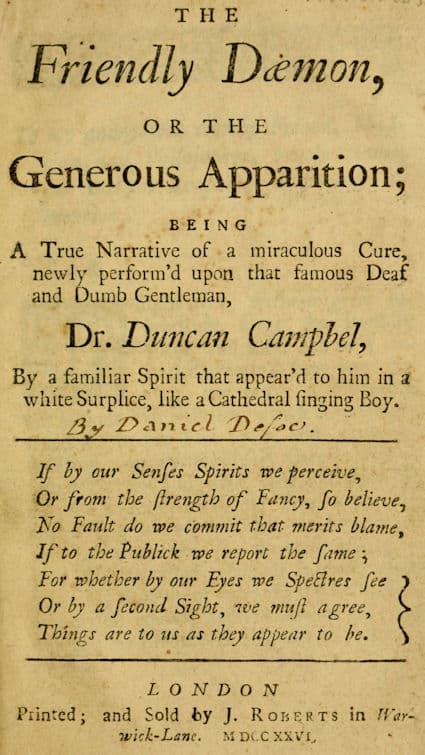
The Friendly Daemon, or the Generous Apparition: Being a True Narrative of a Miraculous Cure, Newly Perform'd Upon That Famous Deaf and Dumb Gentleman, Dr. Duncan Campbel, by a Familiar Spirit That Appear'd to Him in a White Surplice, Like a Cathedral Singing Boy
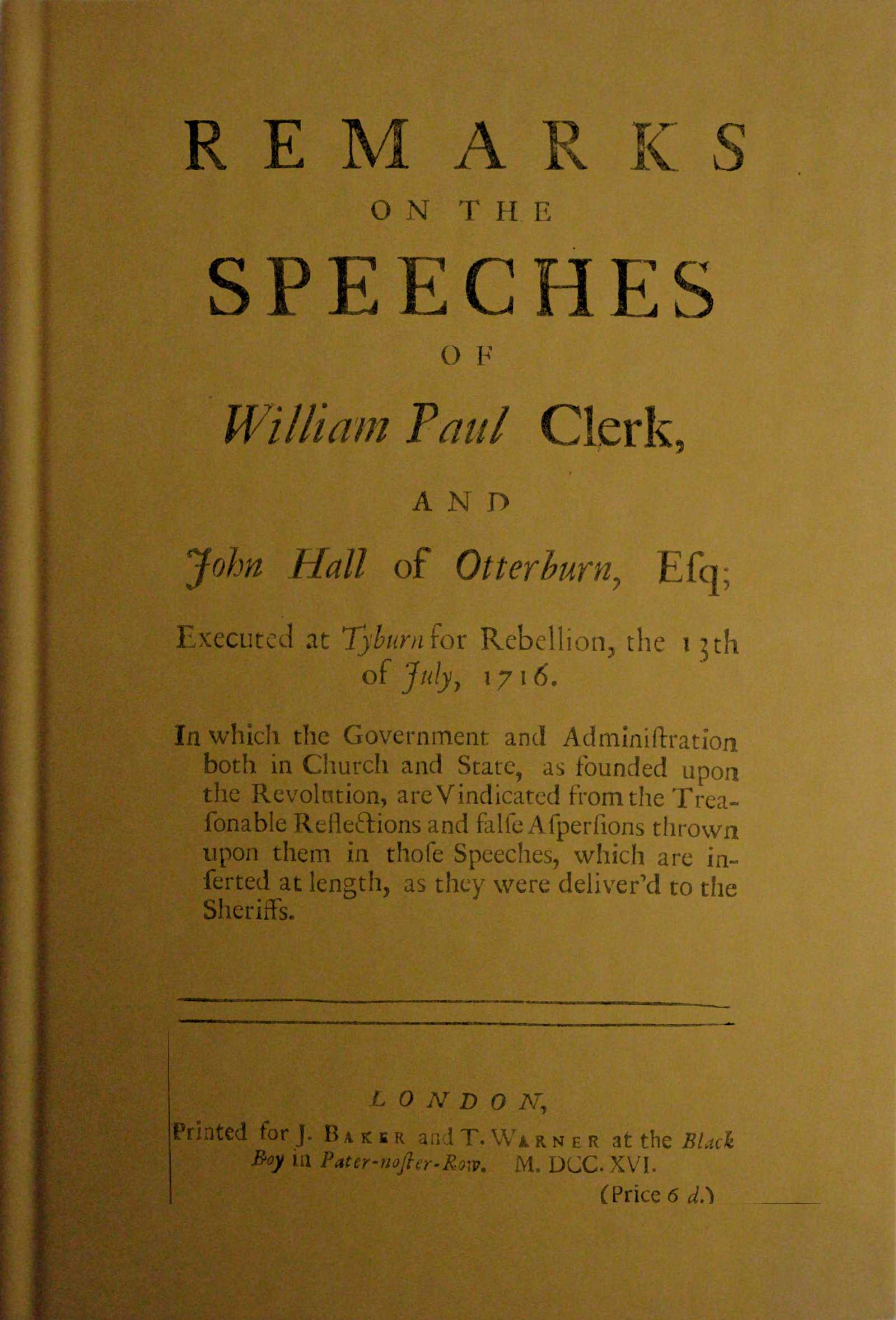
Remarks on the Speeches of William Paul Clerk, and John Hall of Otterburn, Esq: Executed at Tyburn for Rebellion, the 13th of July, 1716
Memoirs of Major Alexander Ramkins (1718)
Military Memoirs of Capt. George Carleton

RobinsonCrusoe(i/ii)

1719

Daniel Defoe

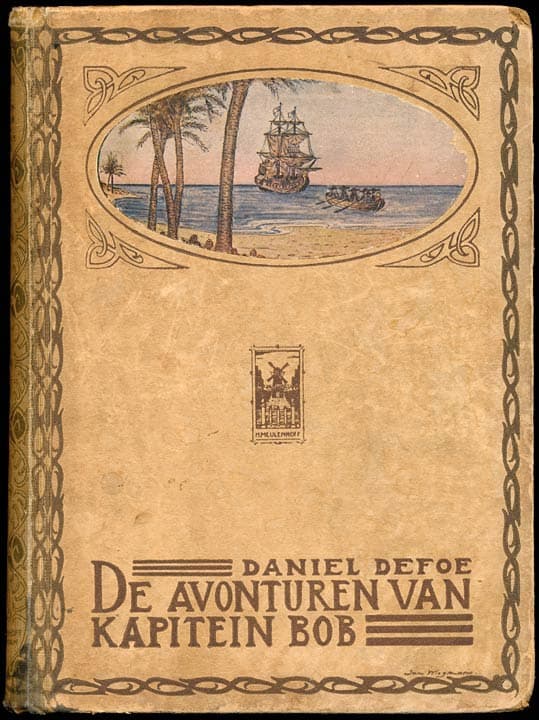
De Avonturen Van Kapitein Bob

KapteeniSingletoninseikkailut

Daniel Defoe

SecondThoughts AreBest: Or aFurther...

Daniel Defoe

The Storm.an Essay.

1704

Daniel Defoe

An Appeal toHonour andJustice,Though It...

Daniel Defoe

A Seasonable Warning and Caution Against the Insinuations of Papists and Jacobites in Favour of the Pretender: Being a Letter from an Englishman at the Court of Hanover
The Lay-Man's Sermon Upon the Late Stormheld Forth at an Honest Coffee-House-Conventicle
Augusta Triumphansor, the Way to Make London the Most Flourishing City in the Universe
Het Leven En De Lotgevallen Van Robinson Crusoe, T. 2
An Answer to a Question That Nobody Thinks of, Viz., but What If the Queen Should Die?
An Humble Proposal to the People of England, for the Increase of Their Trade, and Encouragement of Their Manufactureswhether the Present Uncertainty of Affairs Issues in Peace or War

More authors like this

right arrow
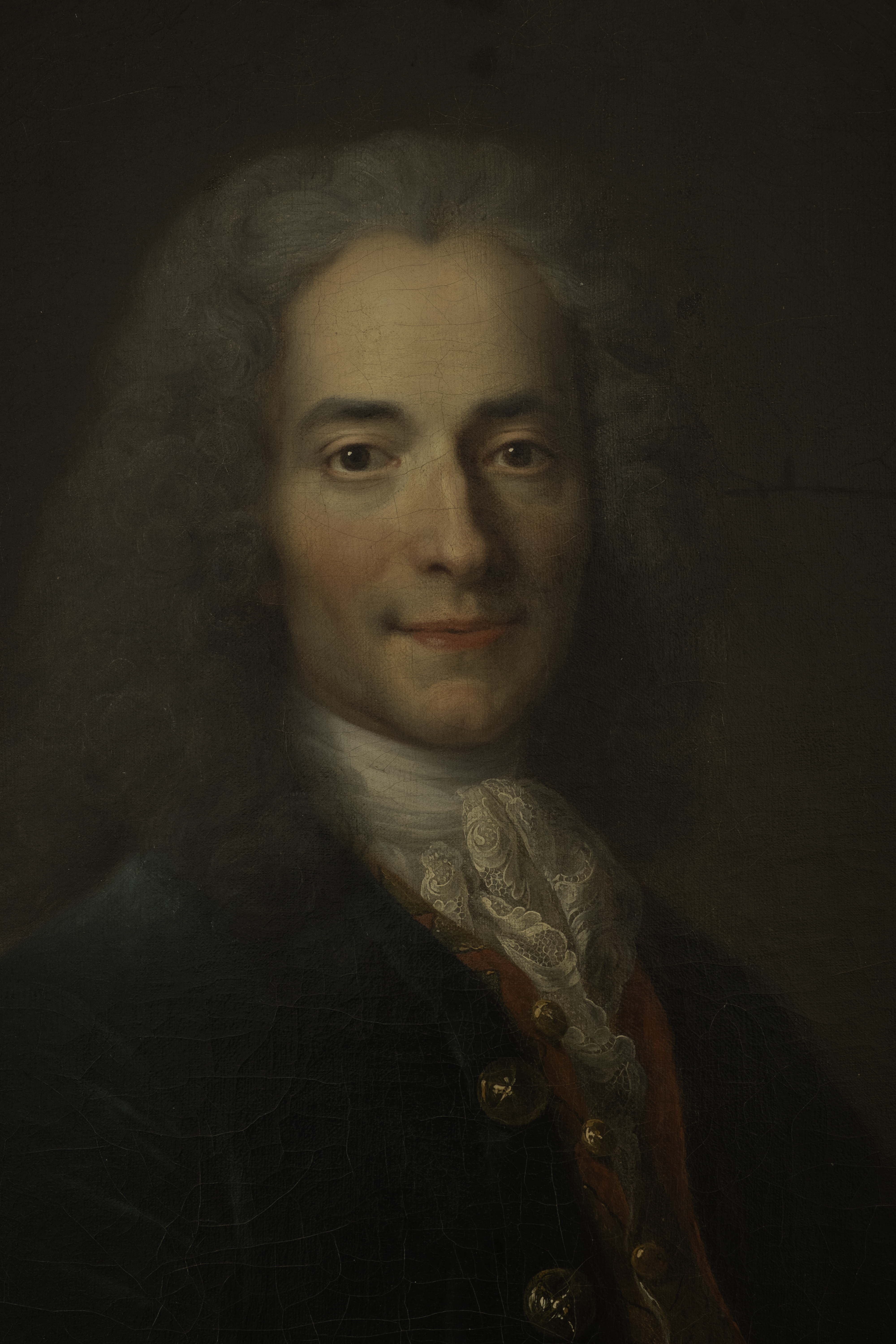
Voltaire
Voltaire
1694-1778
Miguel de Cervantes Saavedra
1547-1616
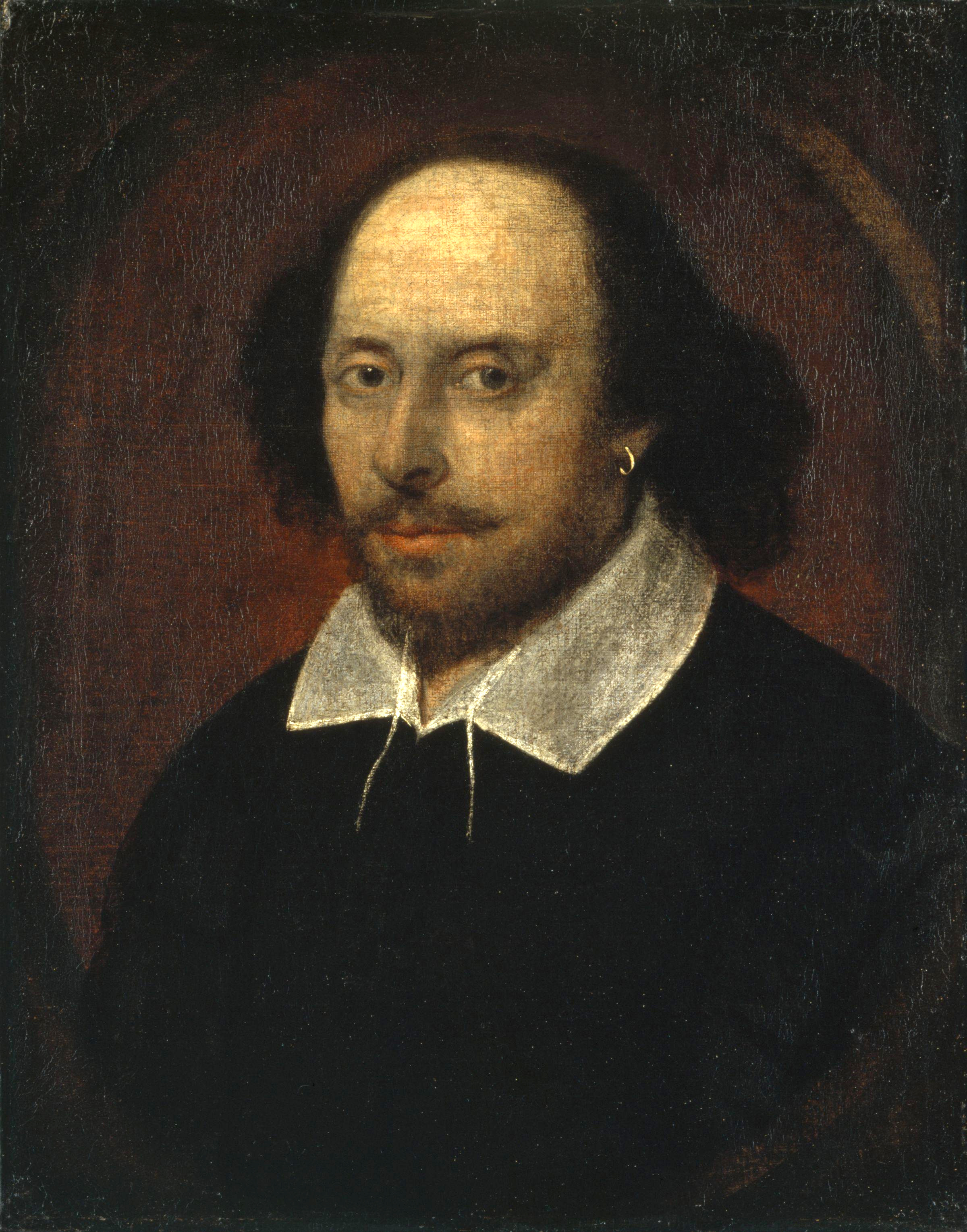
William Shakespeare
William Shakespeare
1564-1616
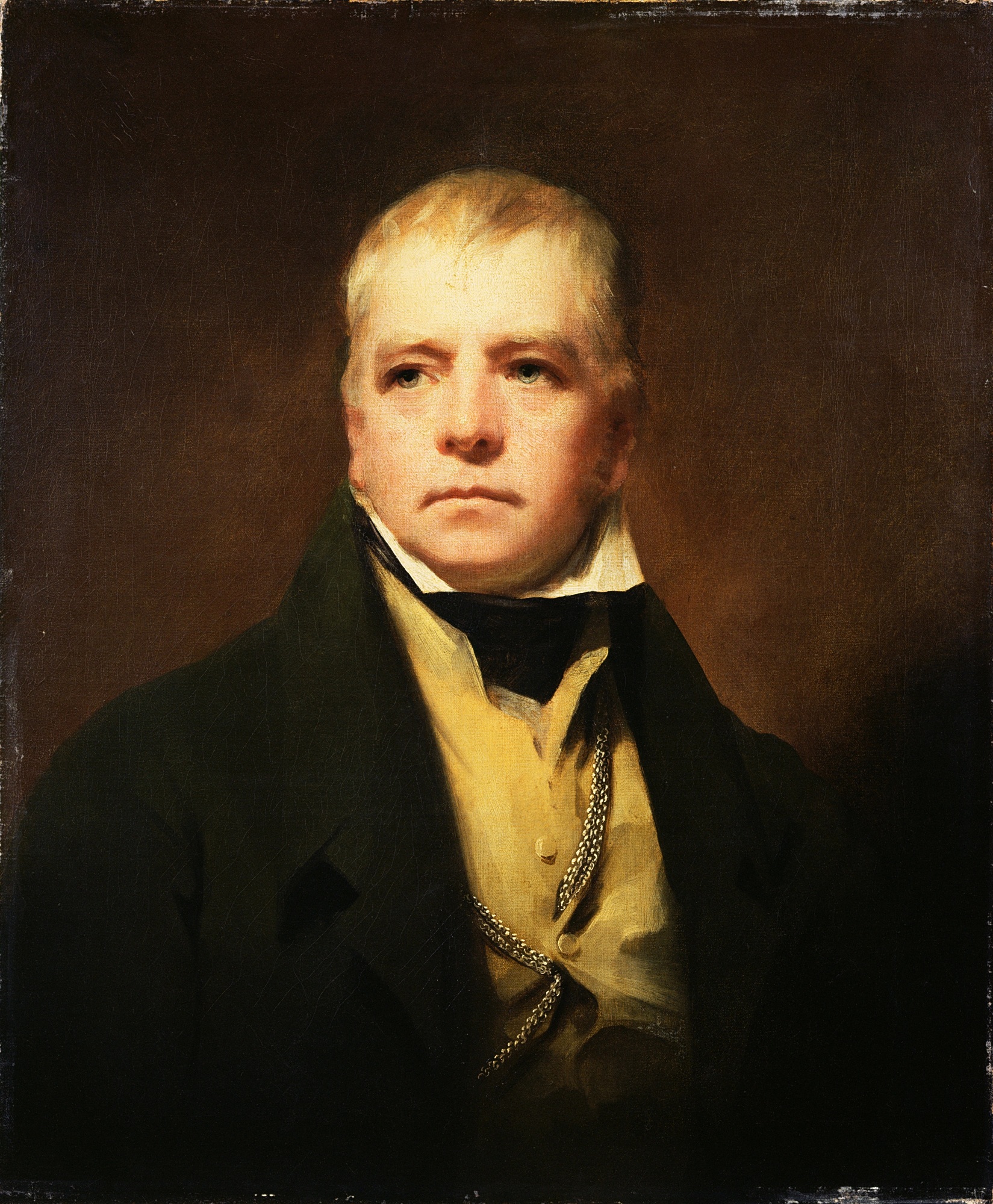
Walter Scott
Walter Scott
1771-1832
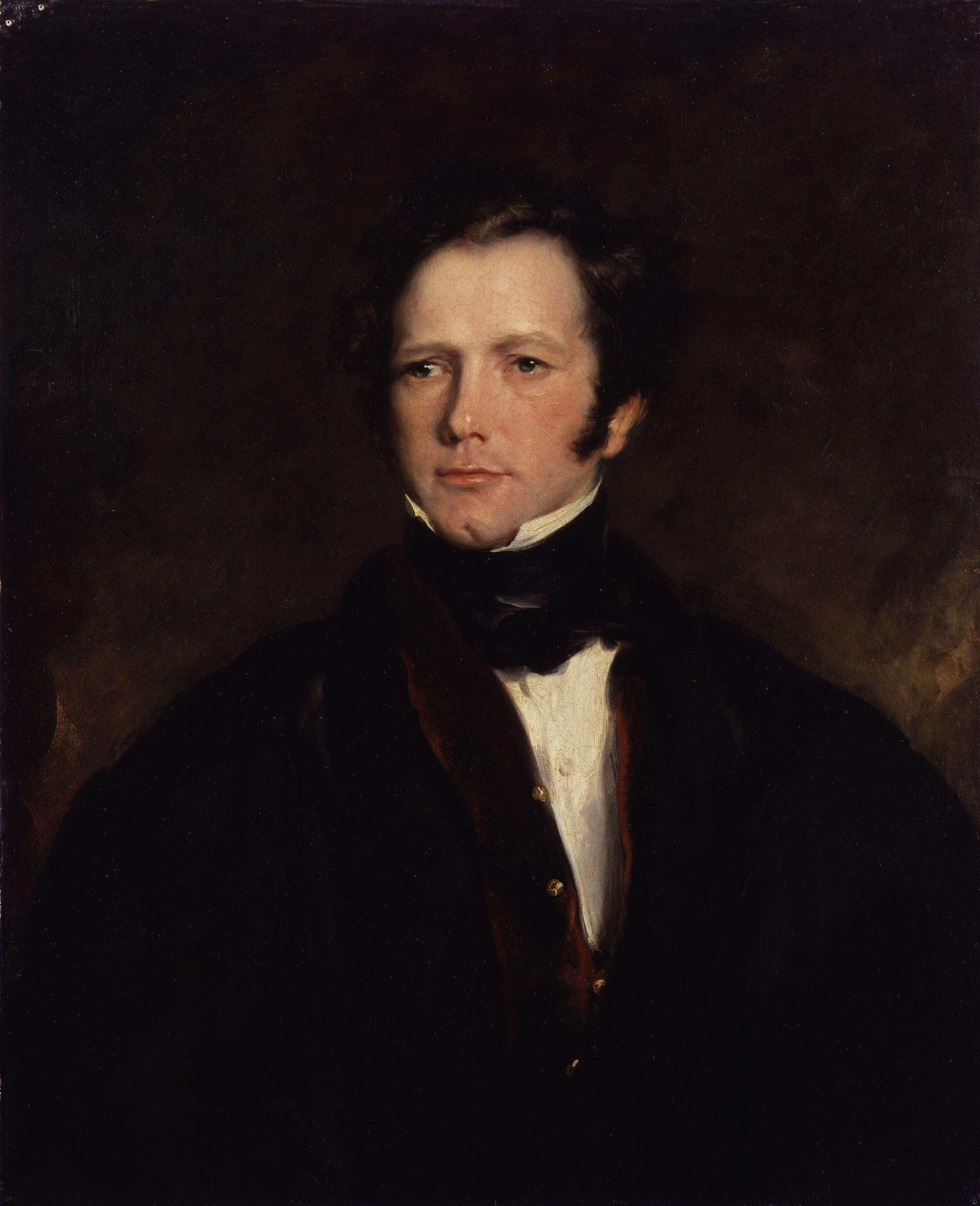
Frederick Marryat
Frederick Marryat
1792-1848
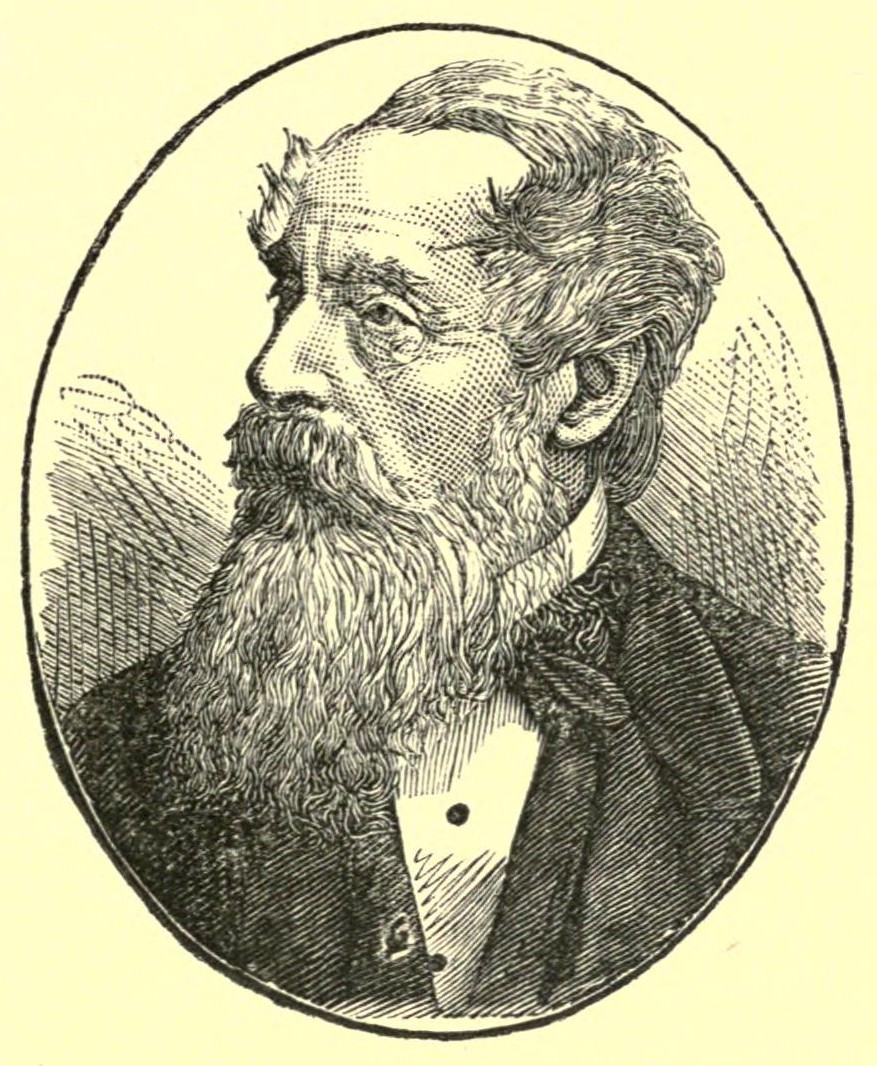
William Henry Giles Kingston
1814-1880
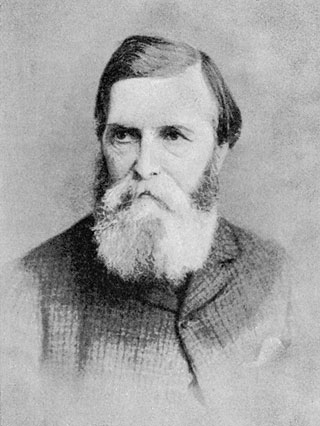
R. M. Ballantyne
R. M. Ballantyne
1825-1894
George Manville Fenn
1831-1909
G. A. Henty
G. A. Henty
1832-1902
Gordon Stables
Gordon Stables
1840-1910
William Clark Russell
1844-1911
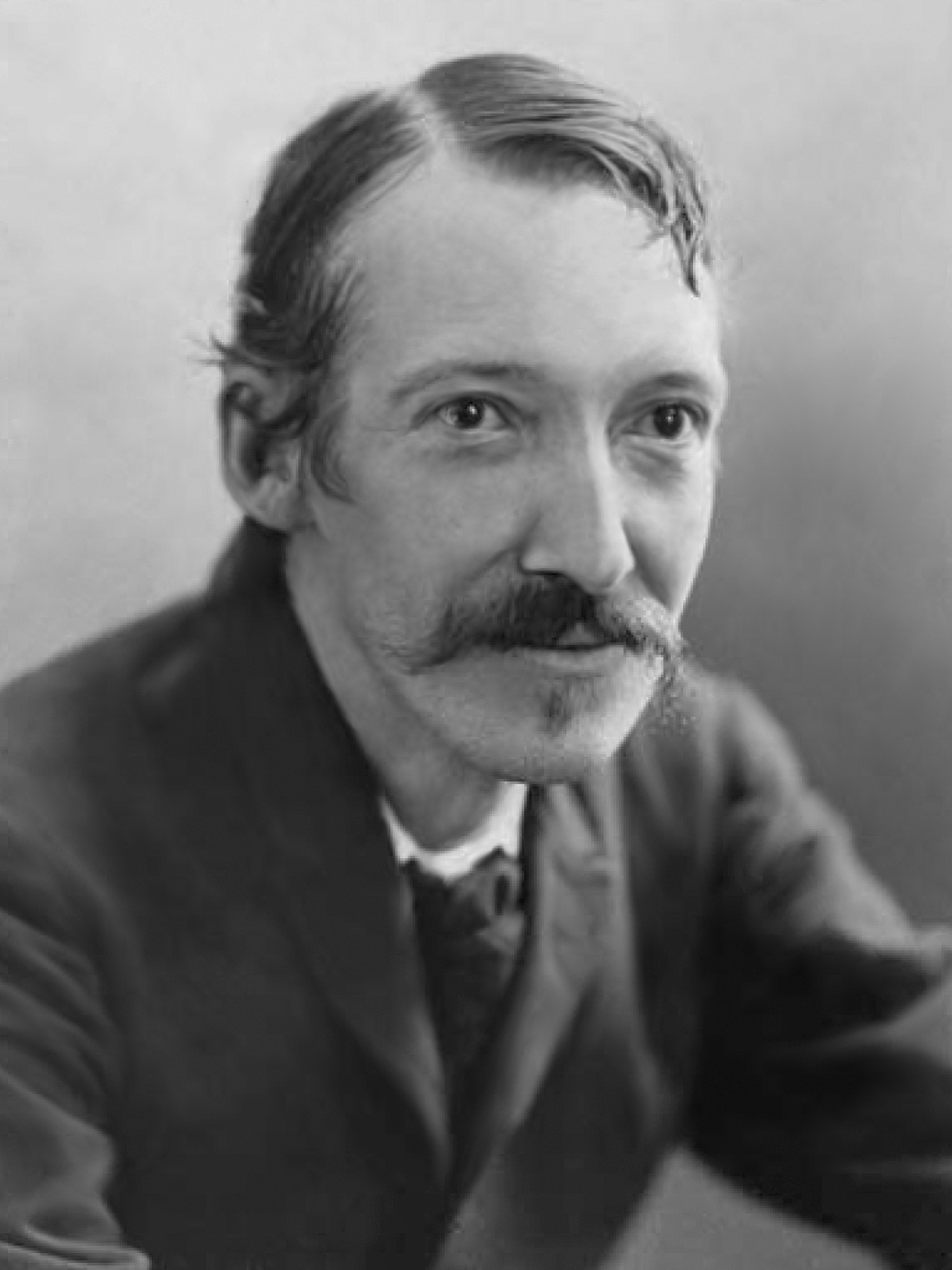
Robert Louis Stevenson
1850-1894
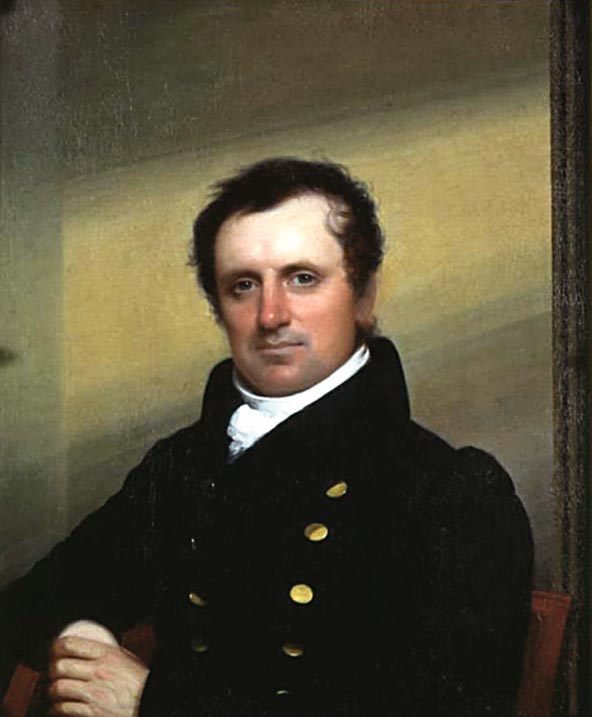
James Fenimore Cooper
1789-1851
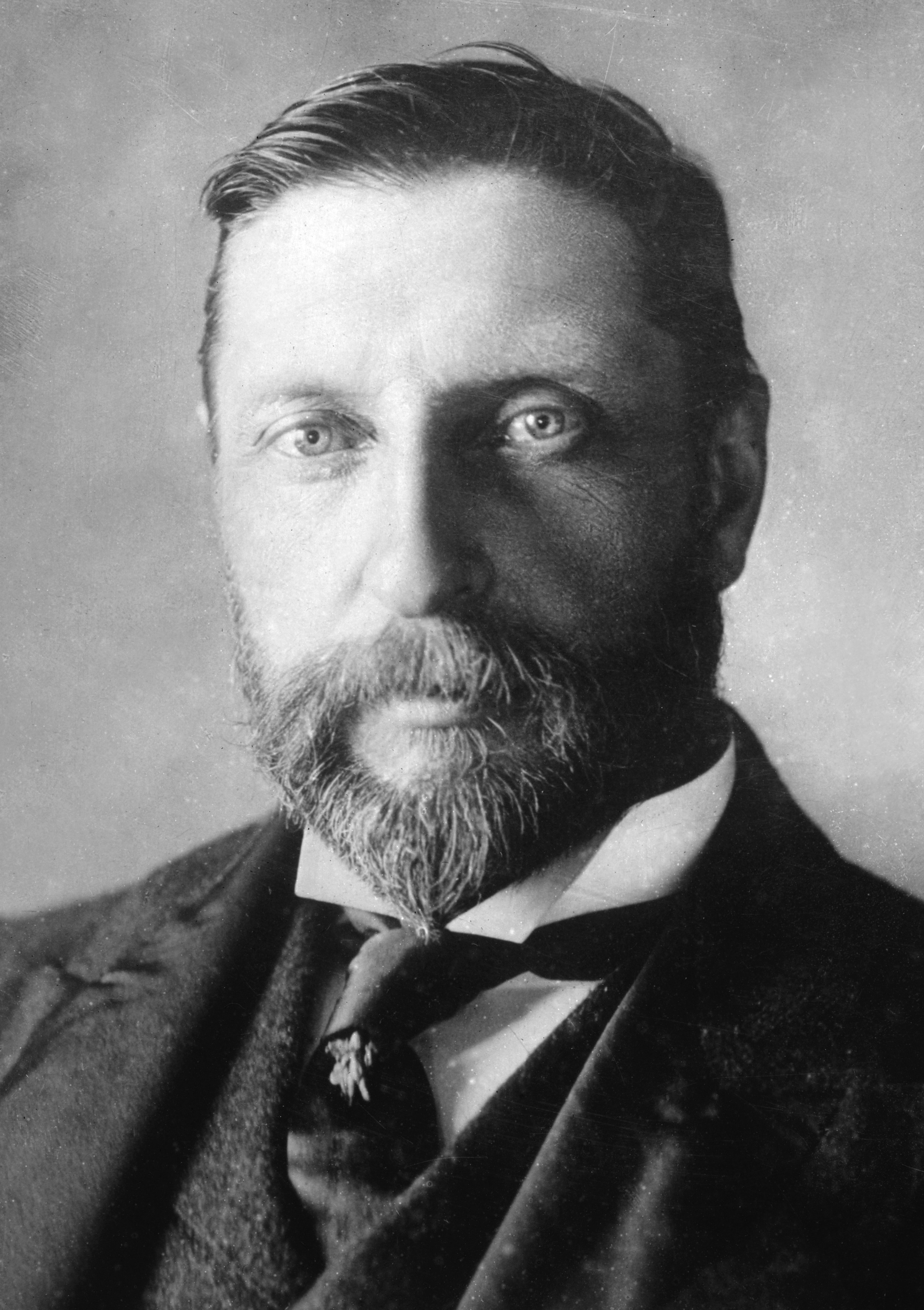
H. Rider Haggard
H. Rider Haggard
1856-1925
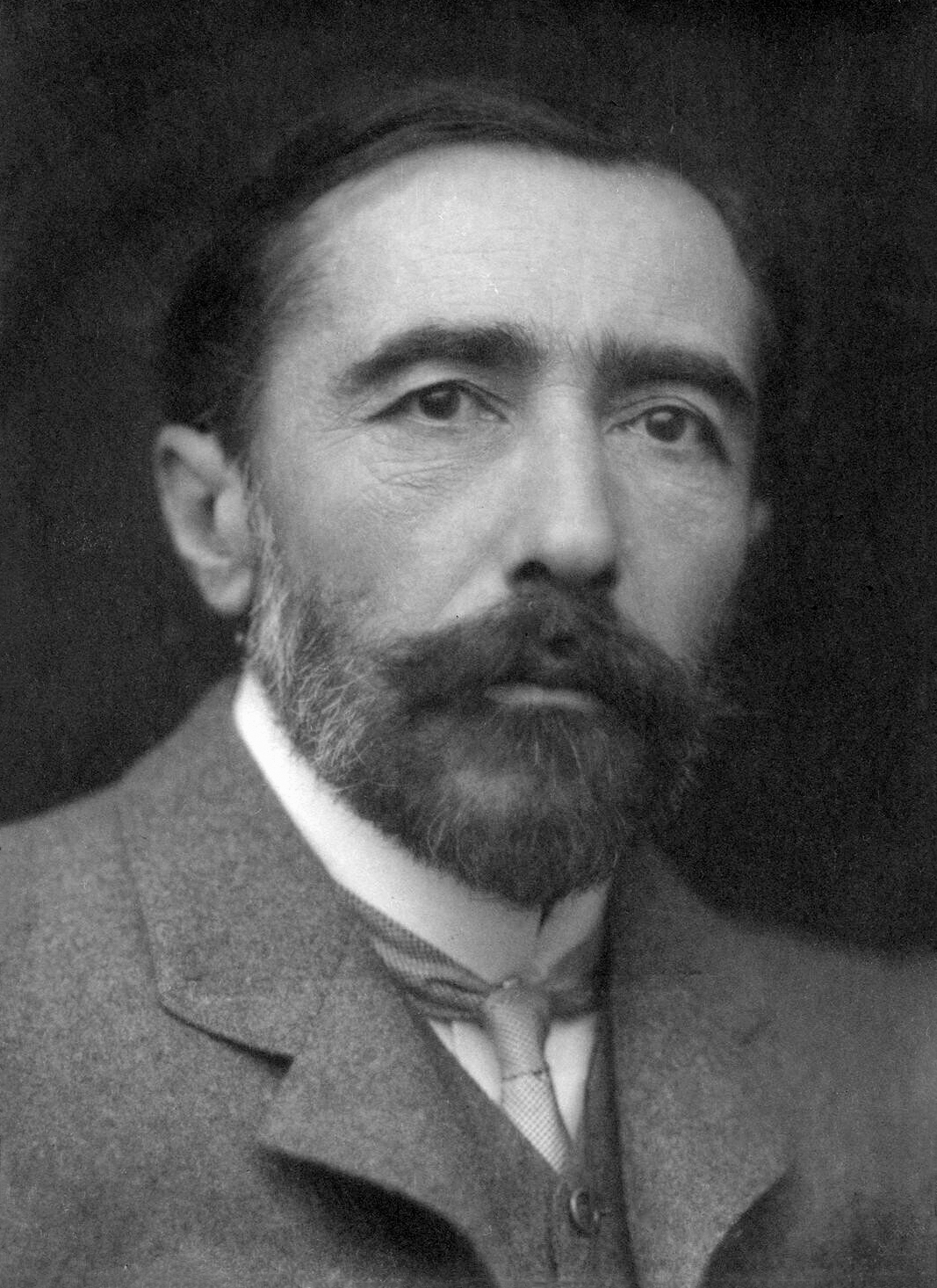
Joseph Conrad
Joseph Conrad
1857-1924
Giacomo Casanova
Giacomo Casanova
1725-1798