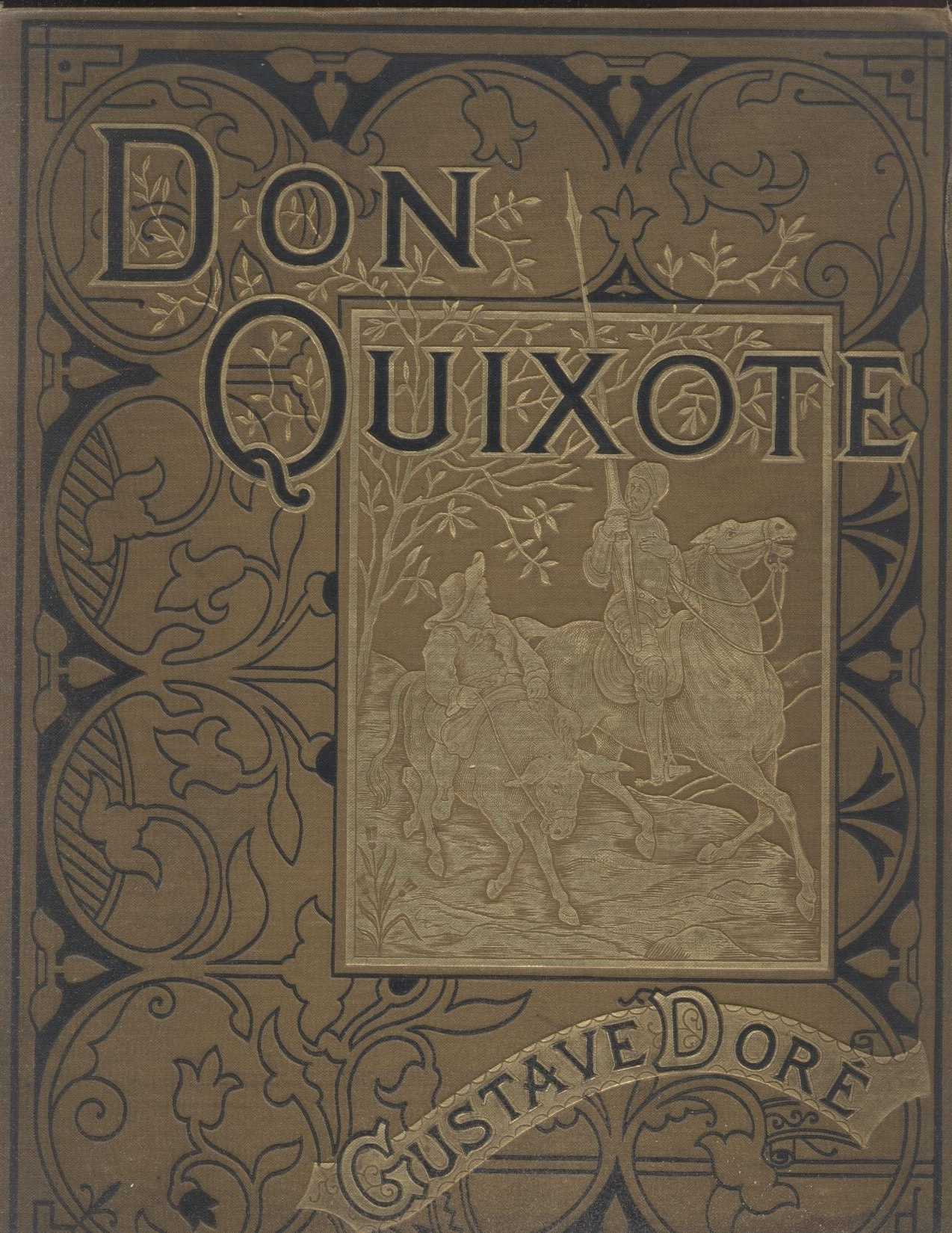
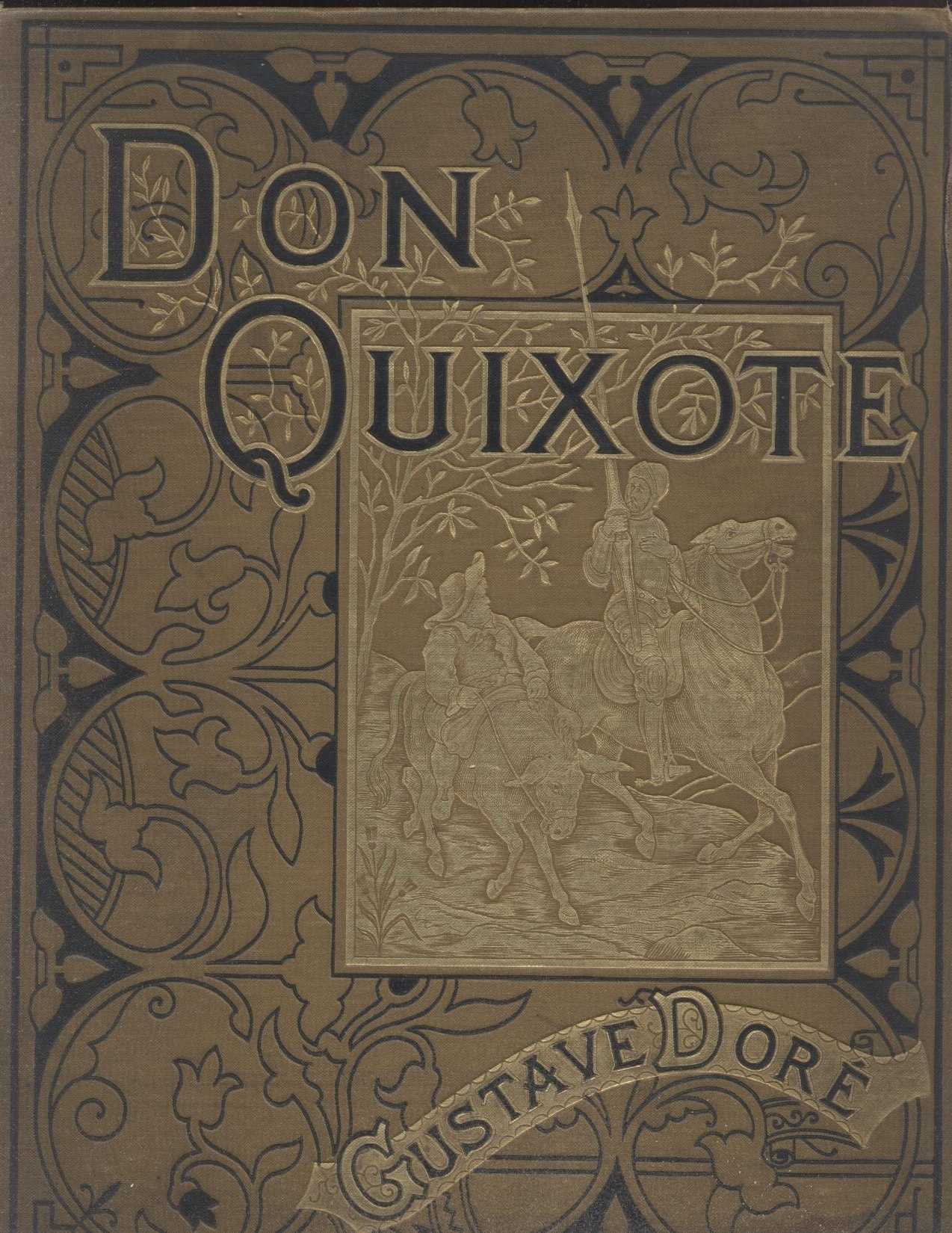
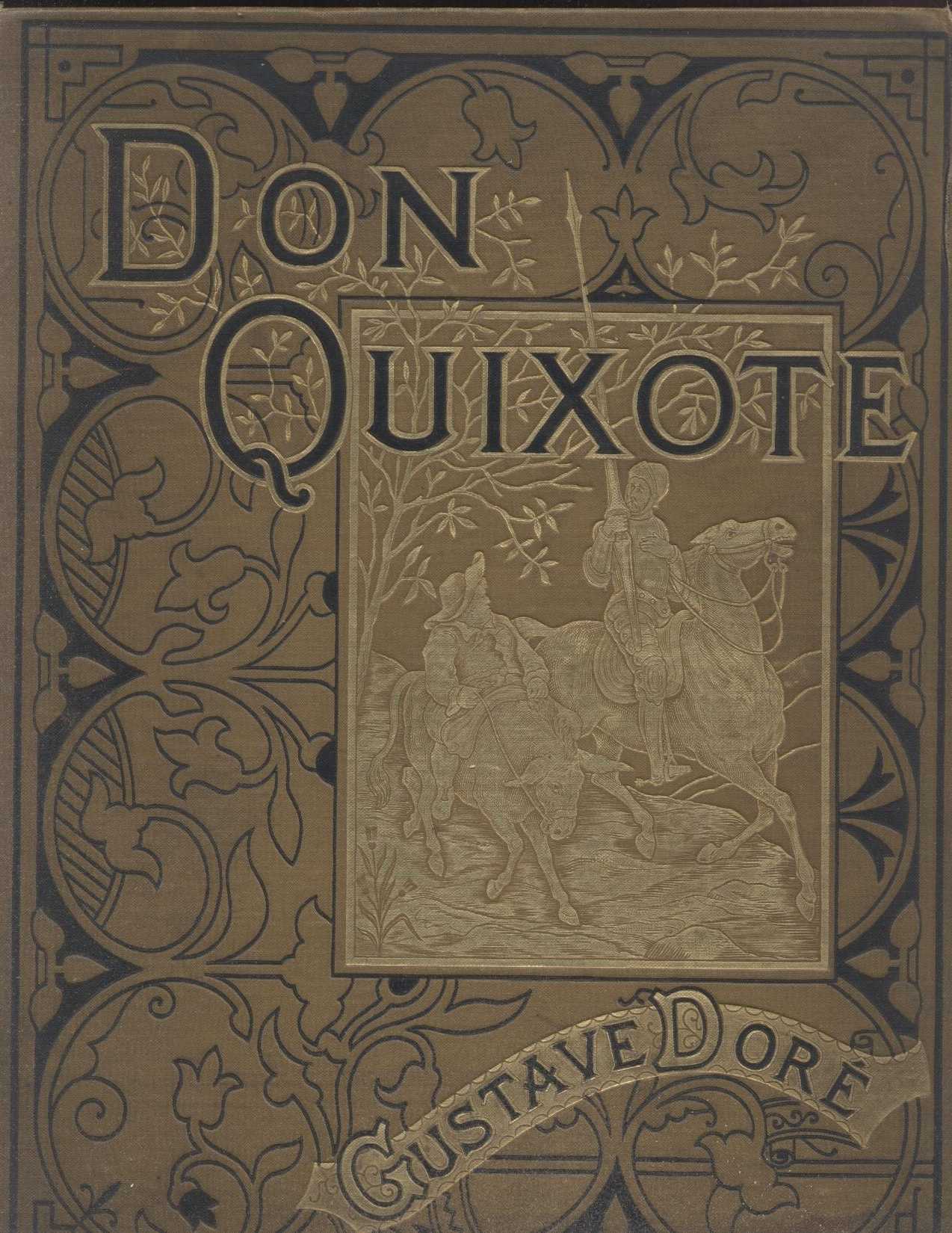
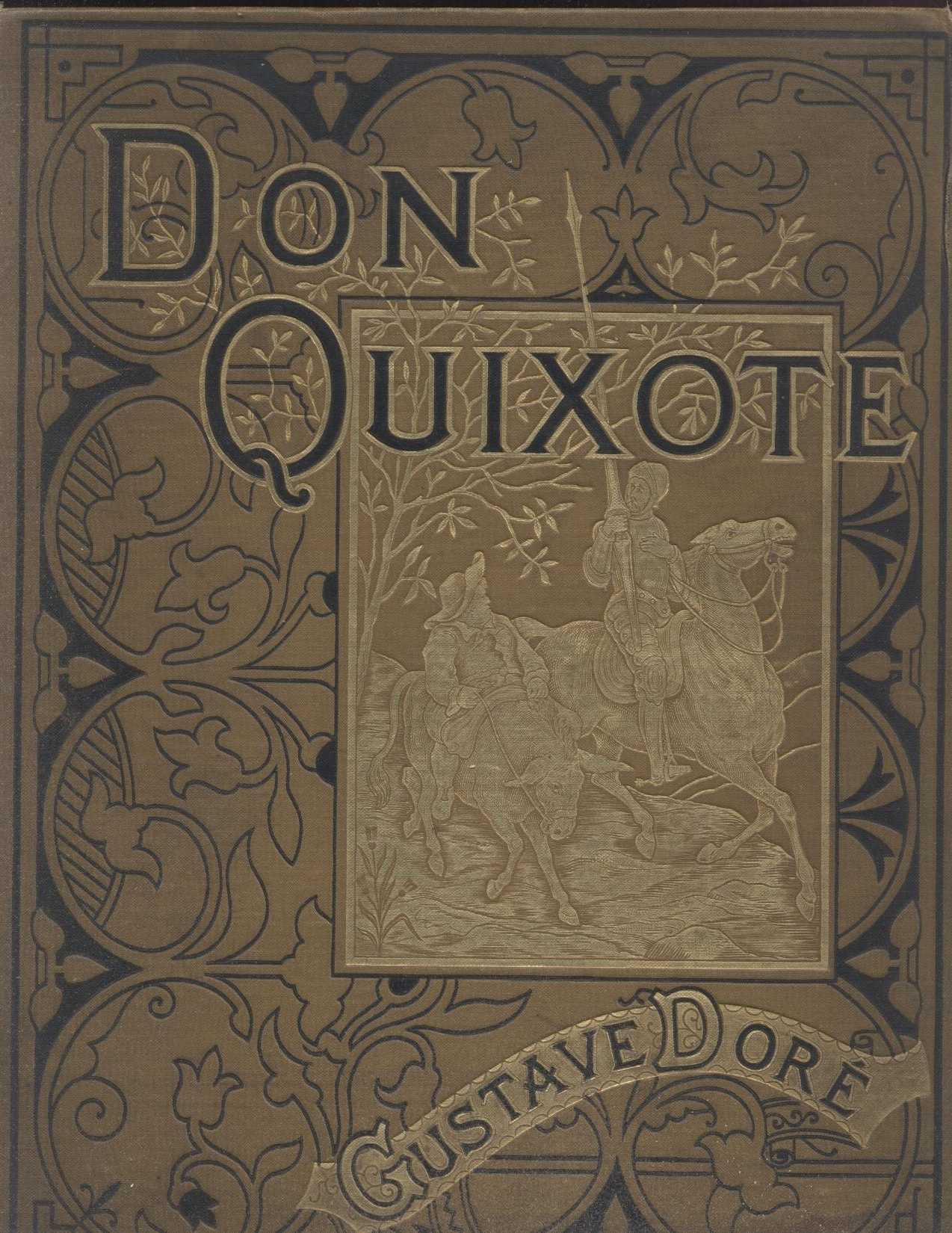
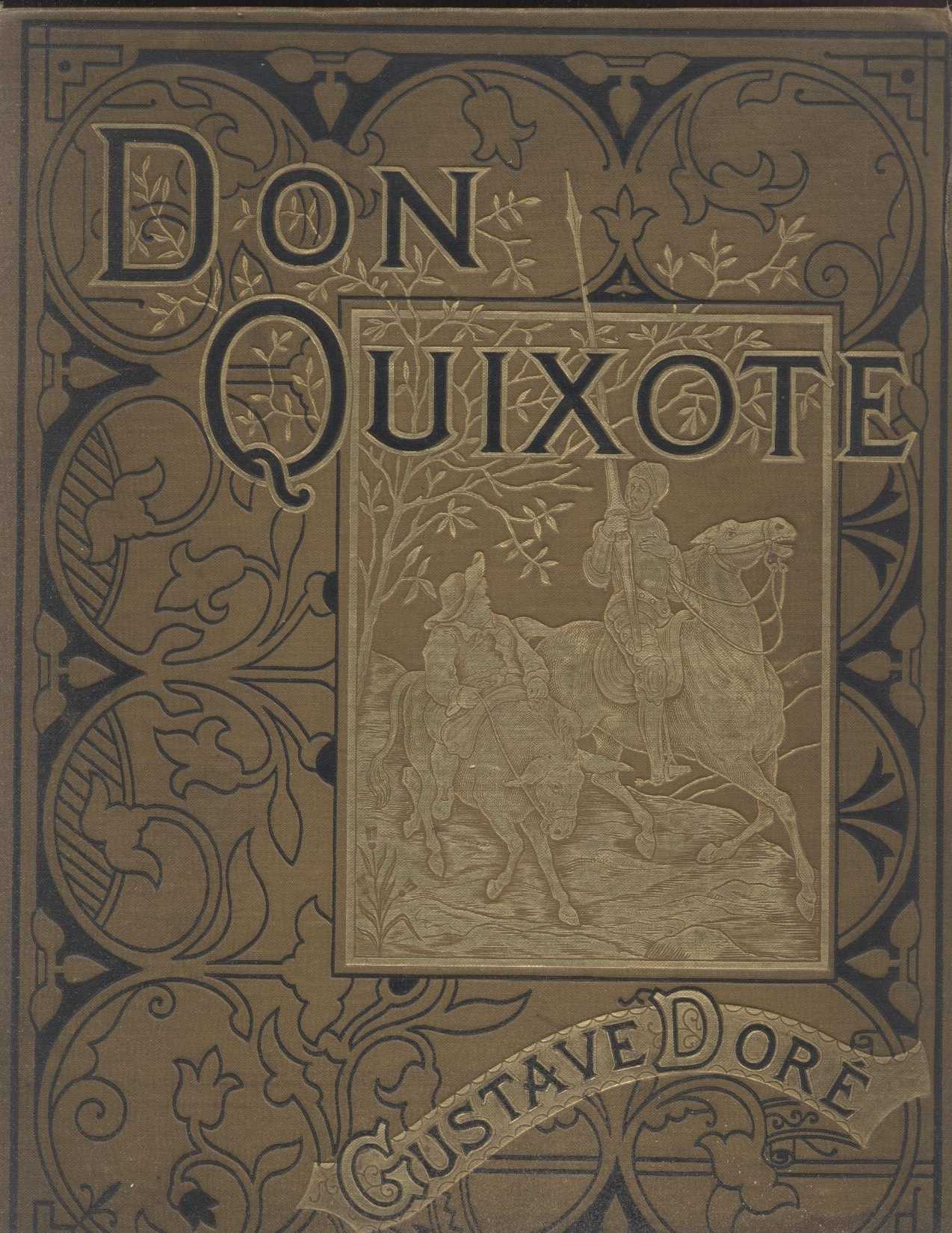
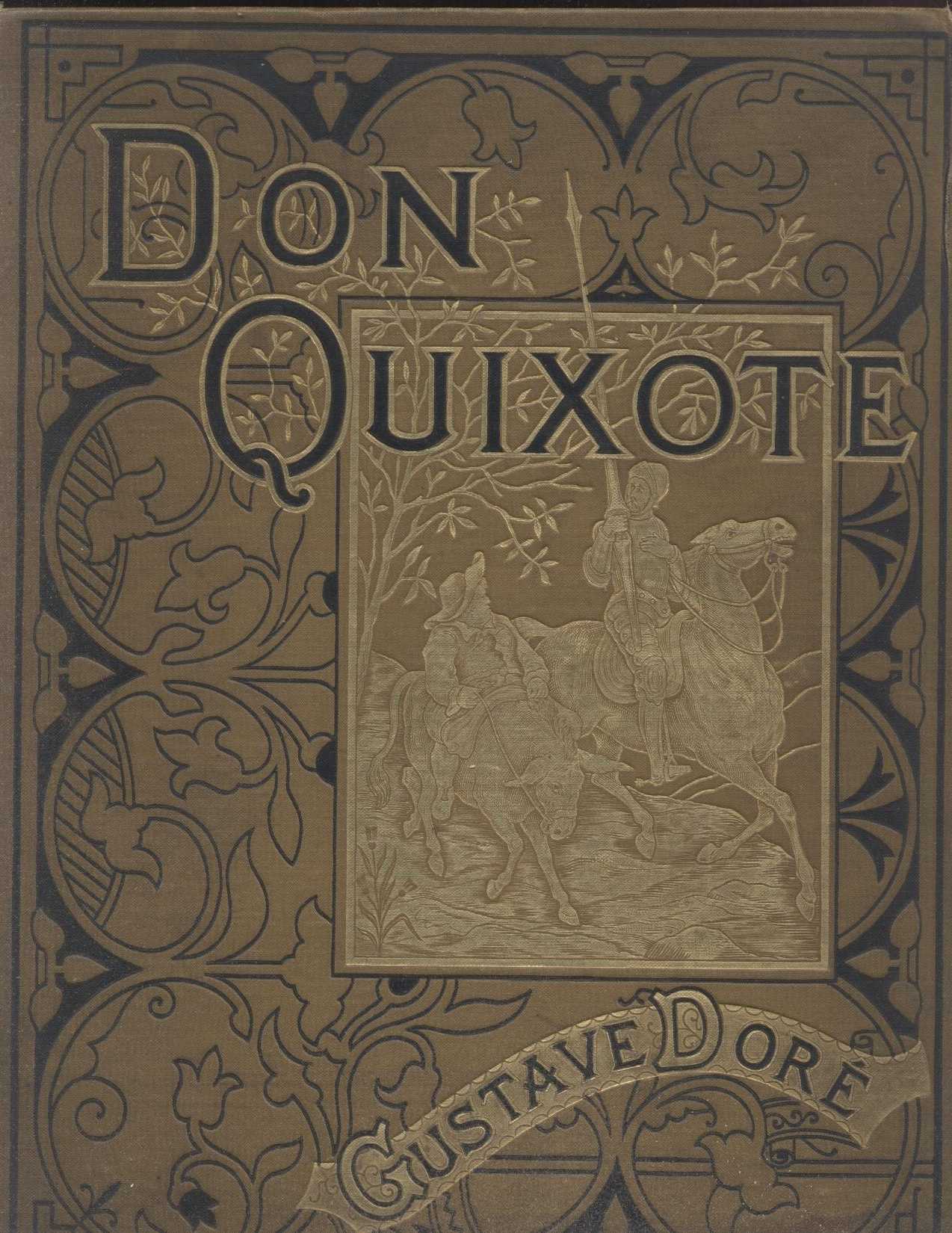
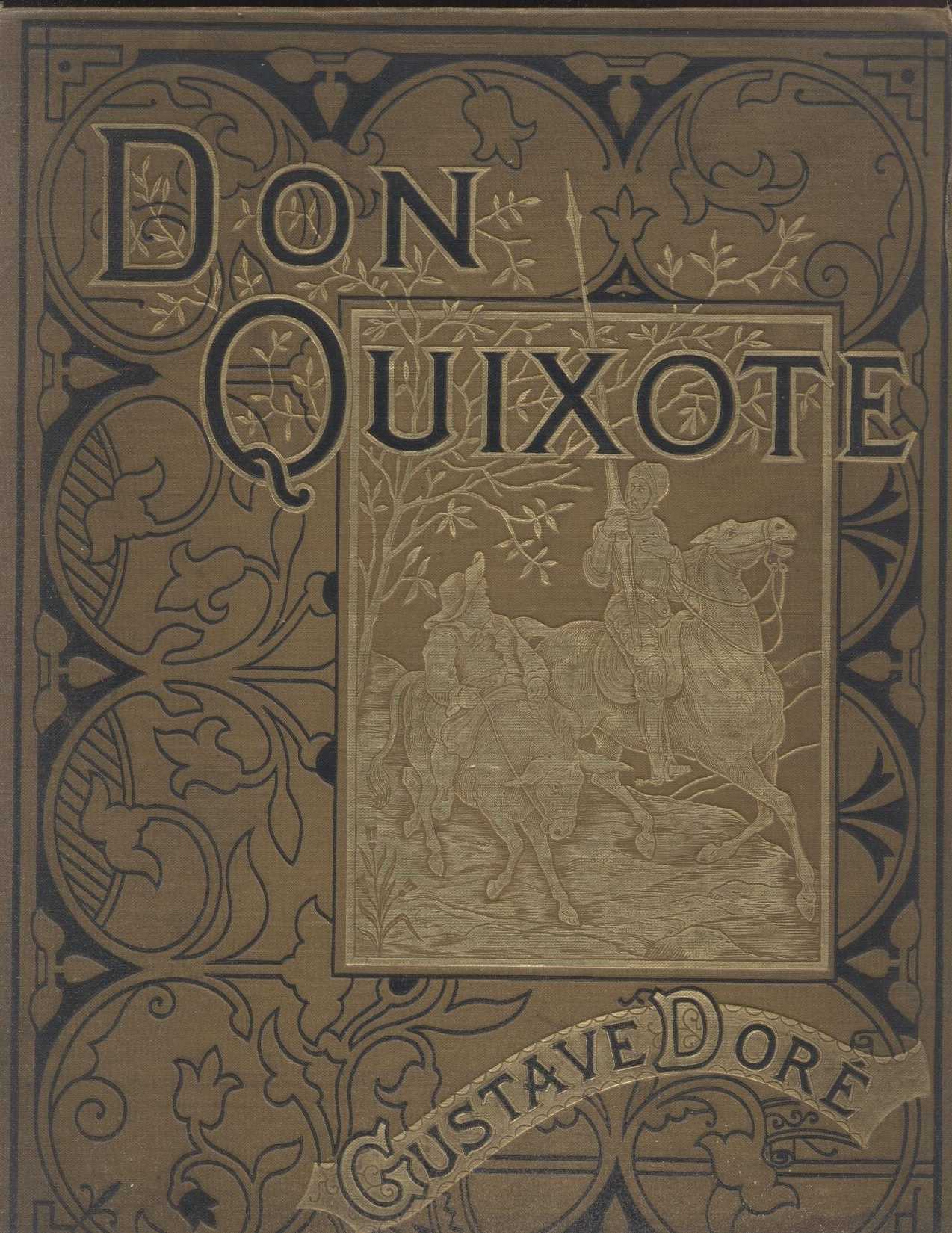
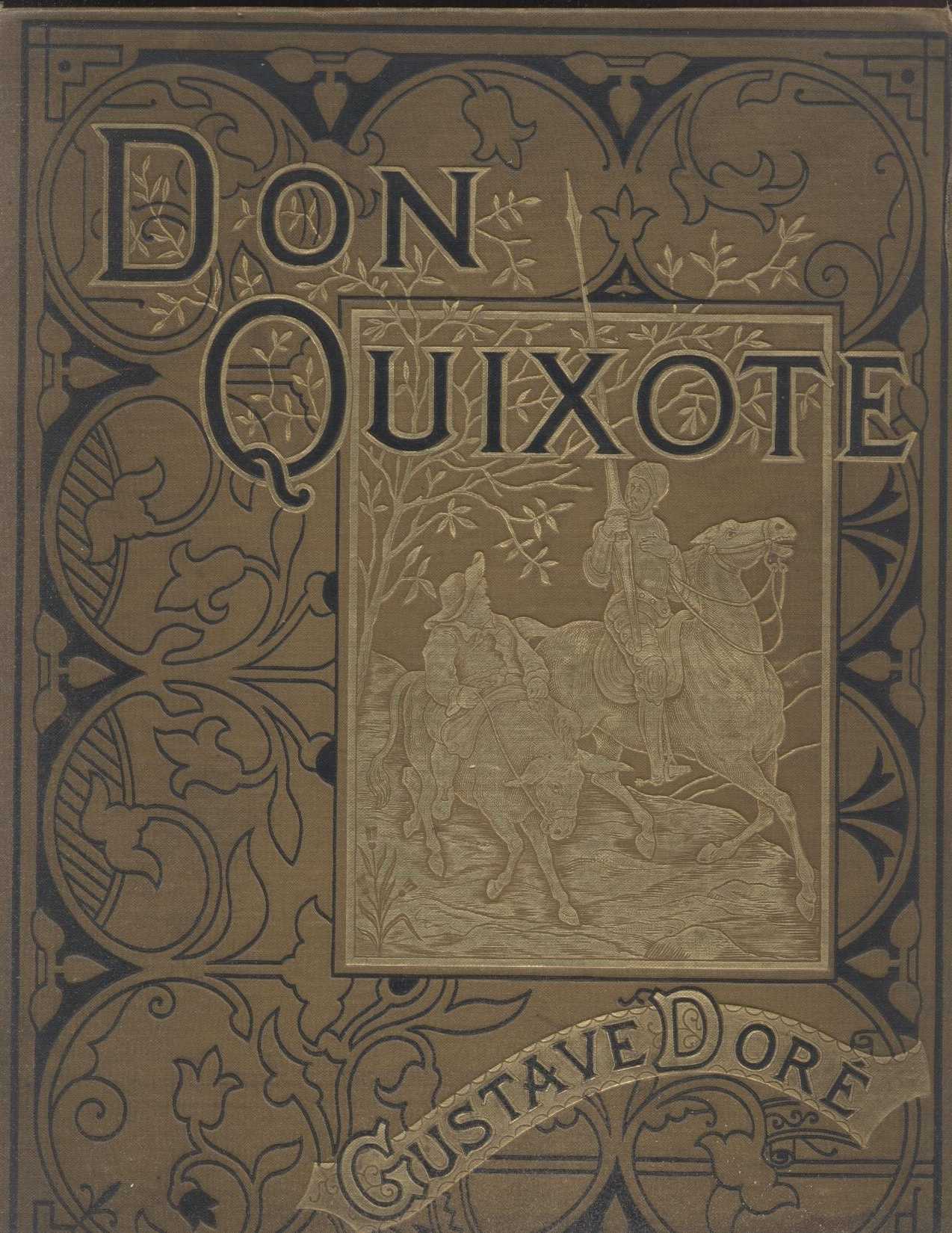
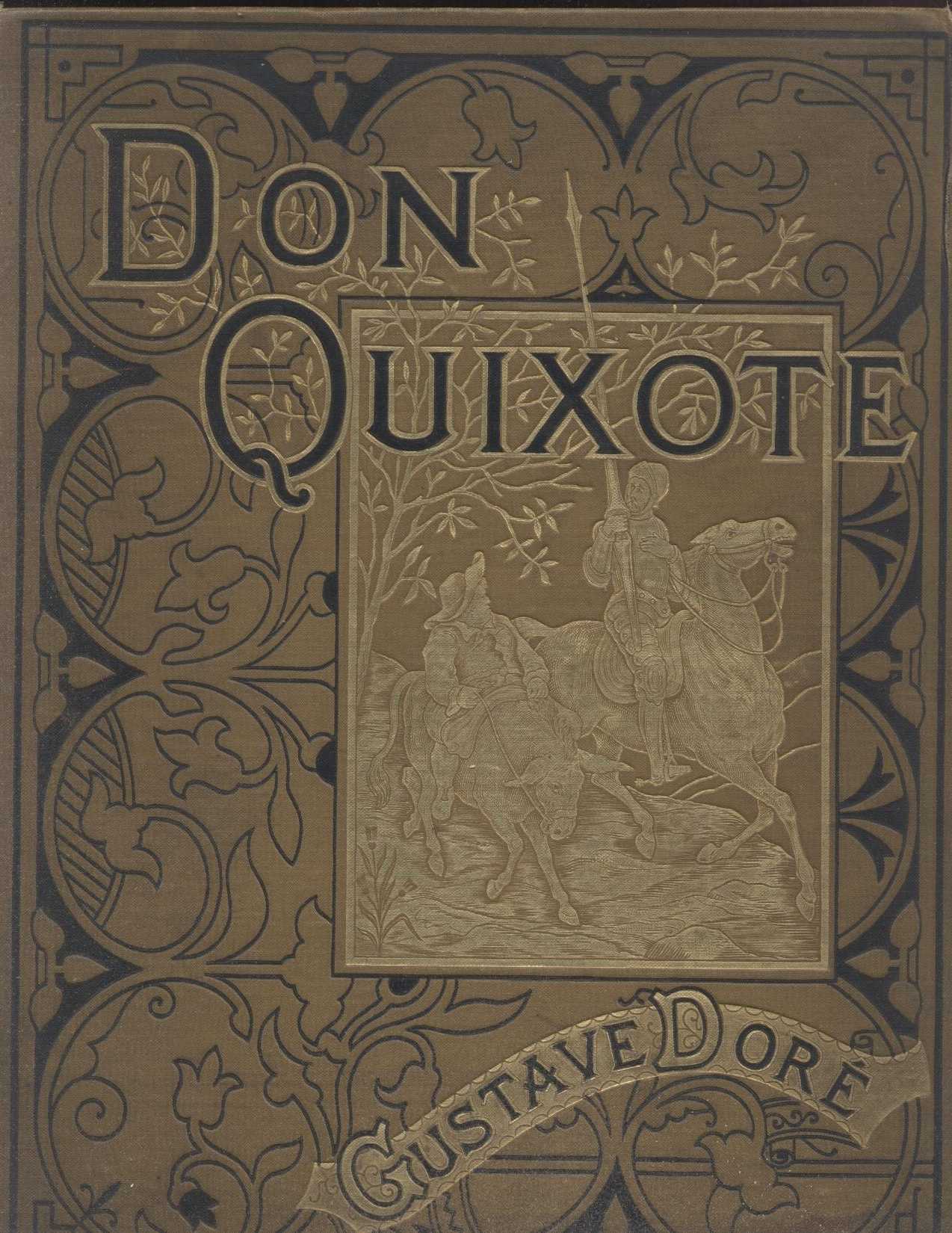
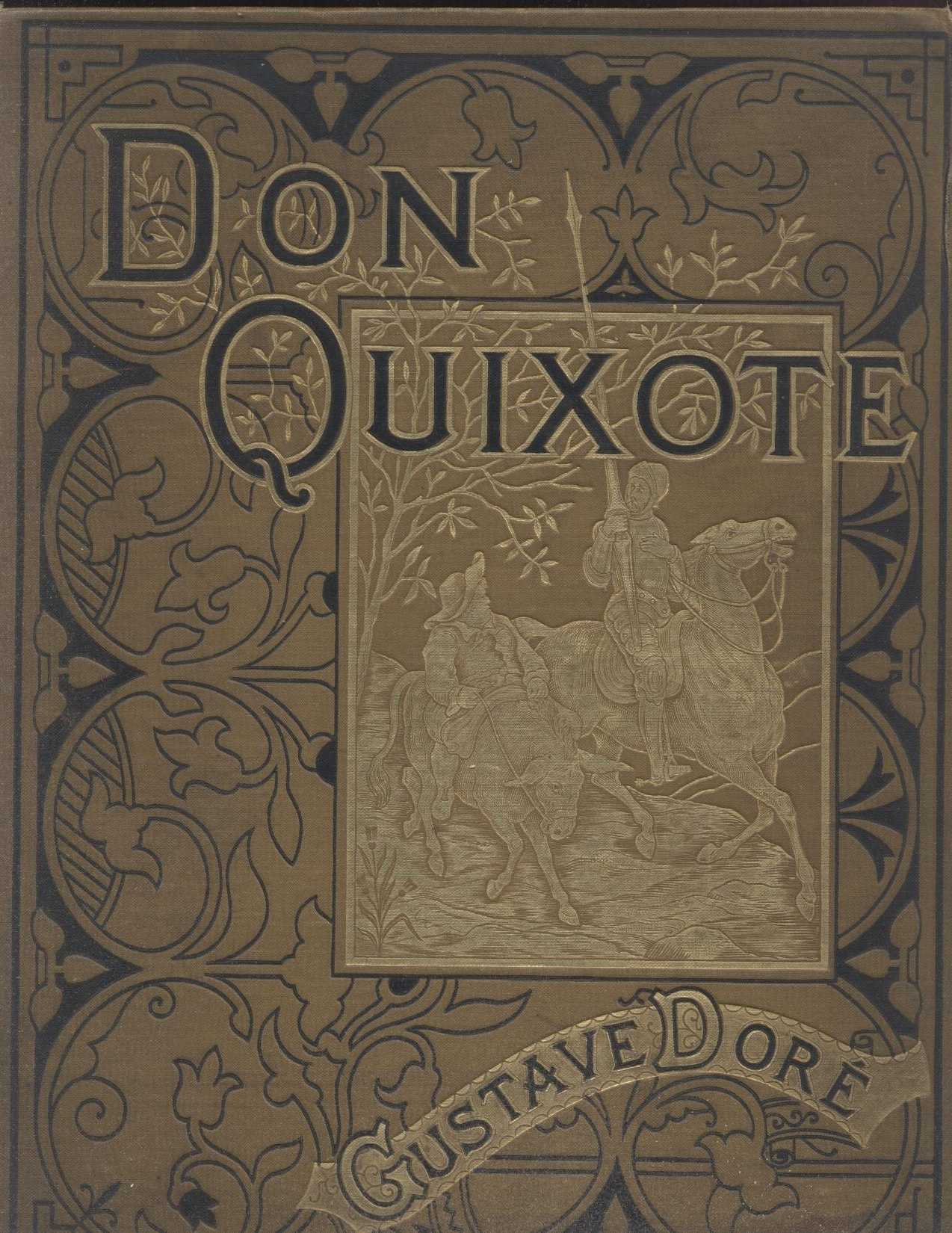
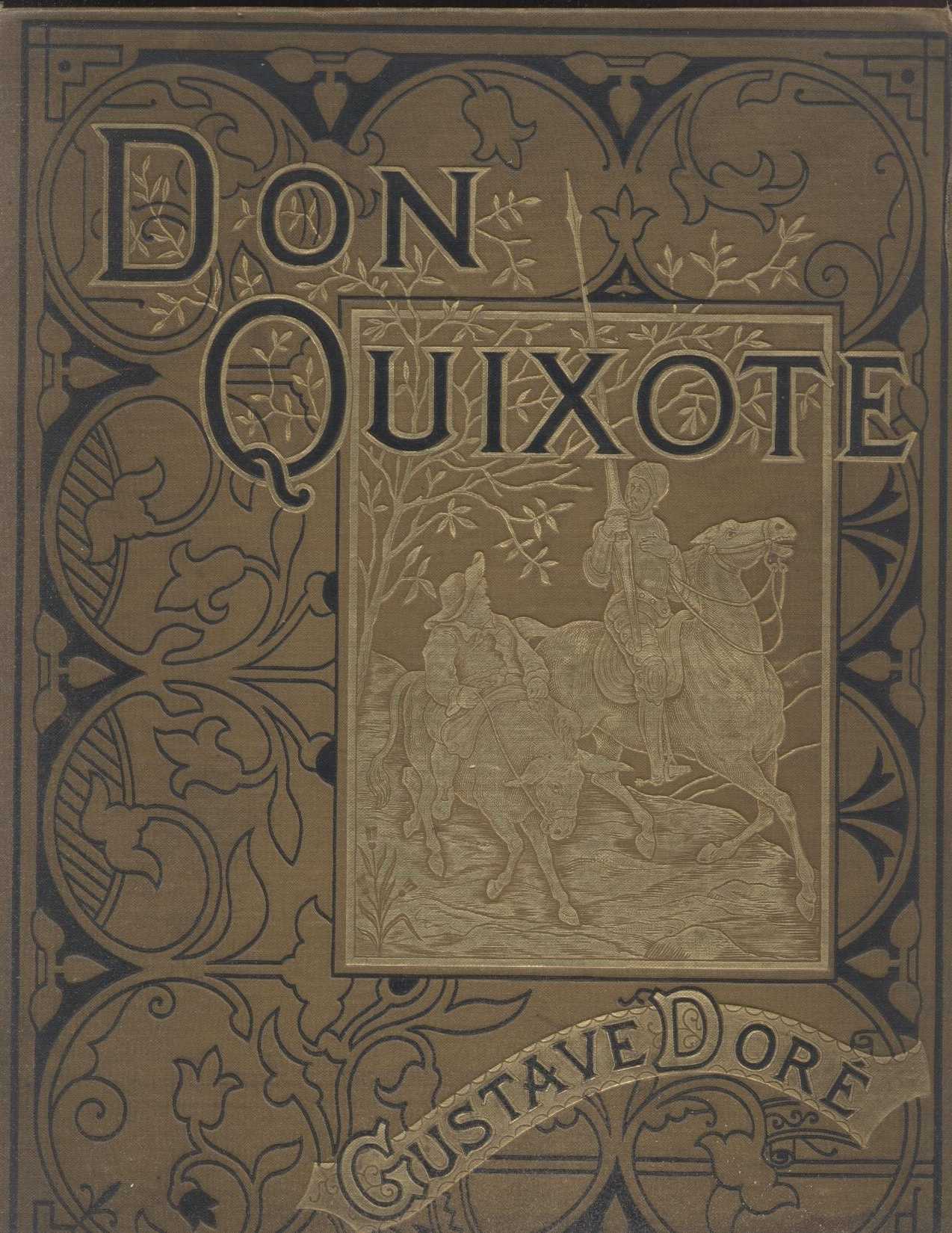
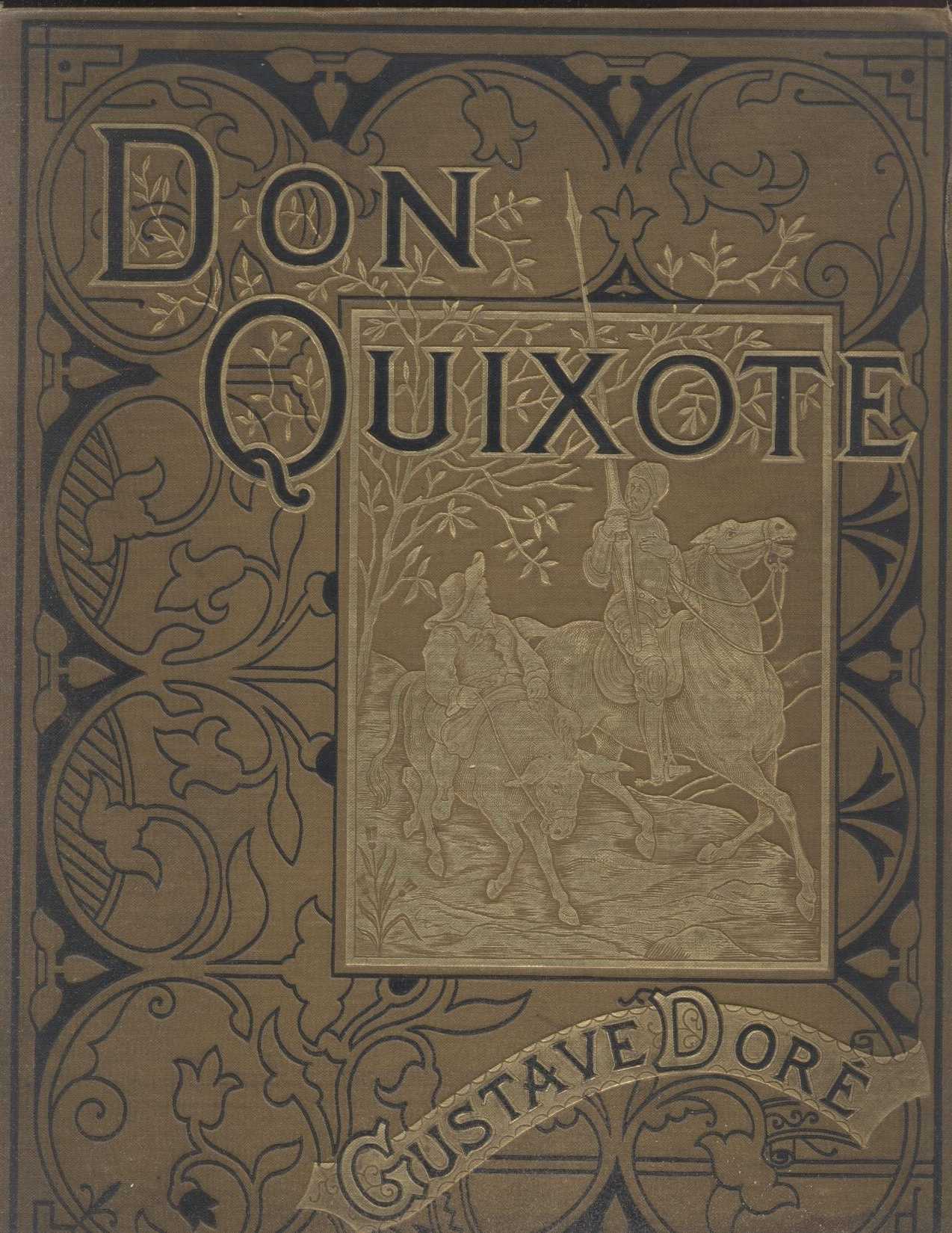
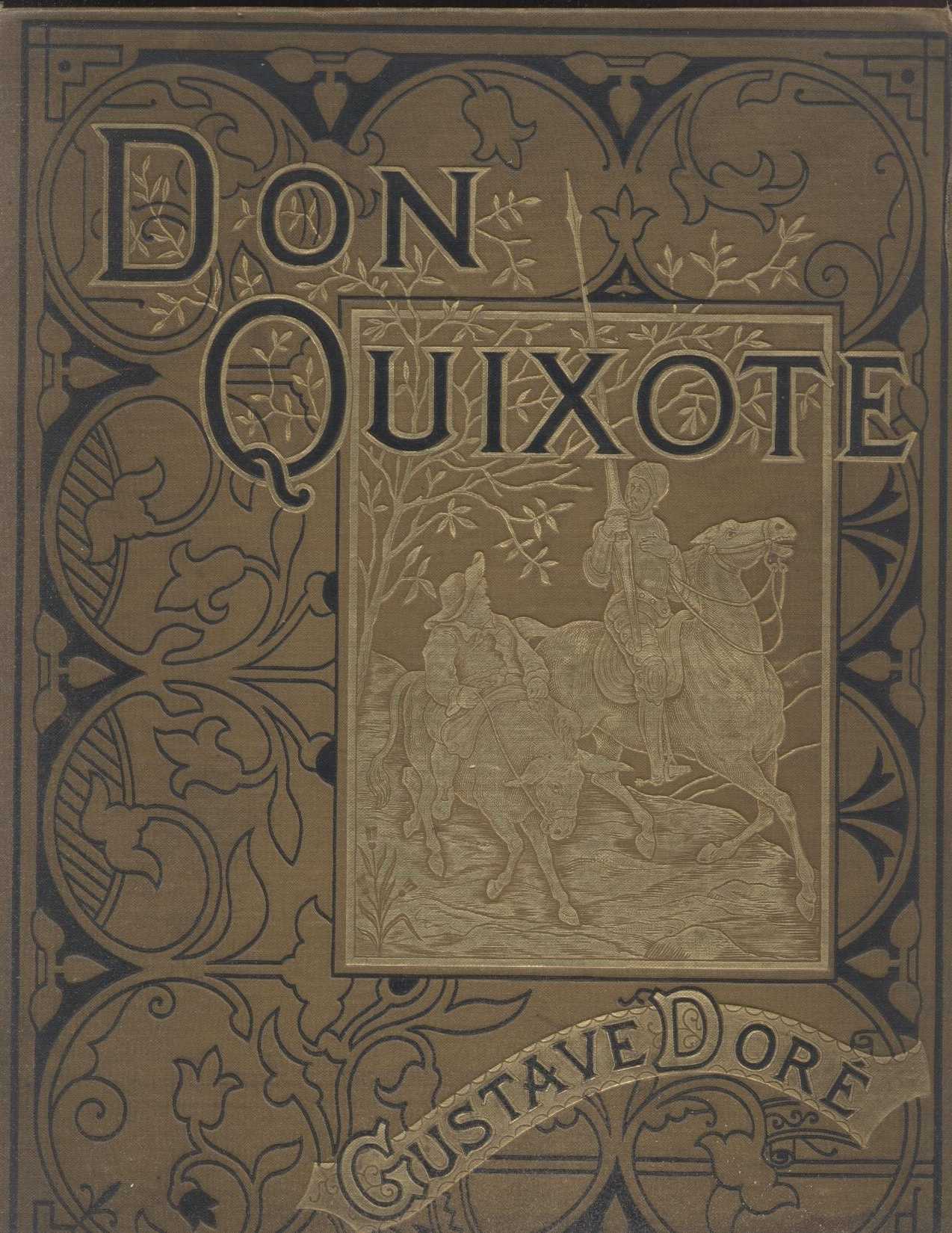
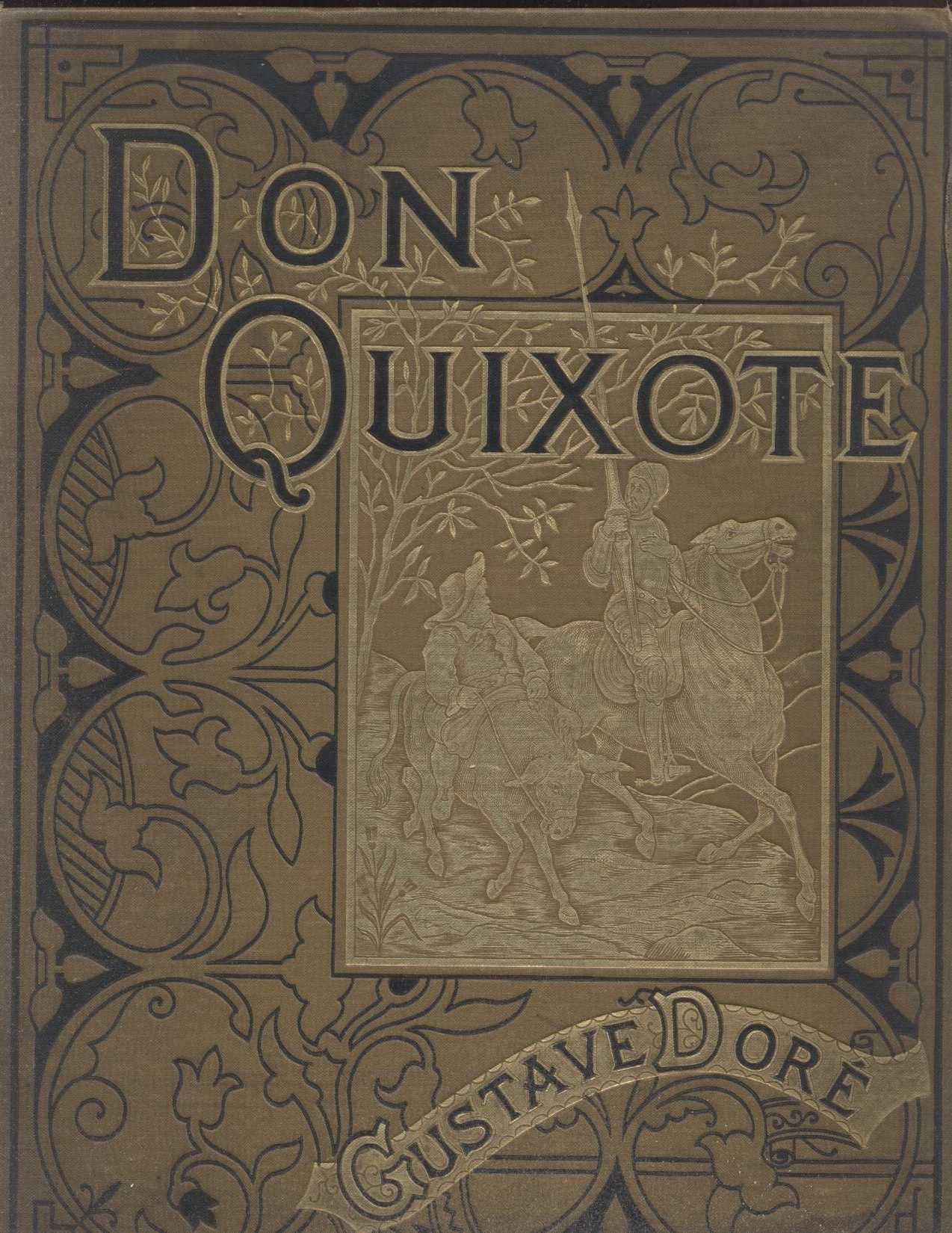
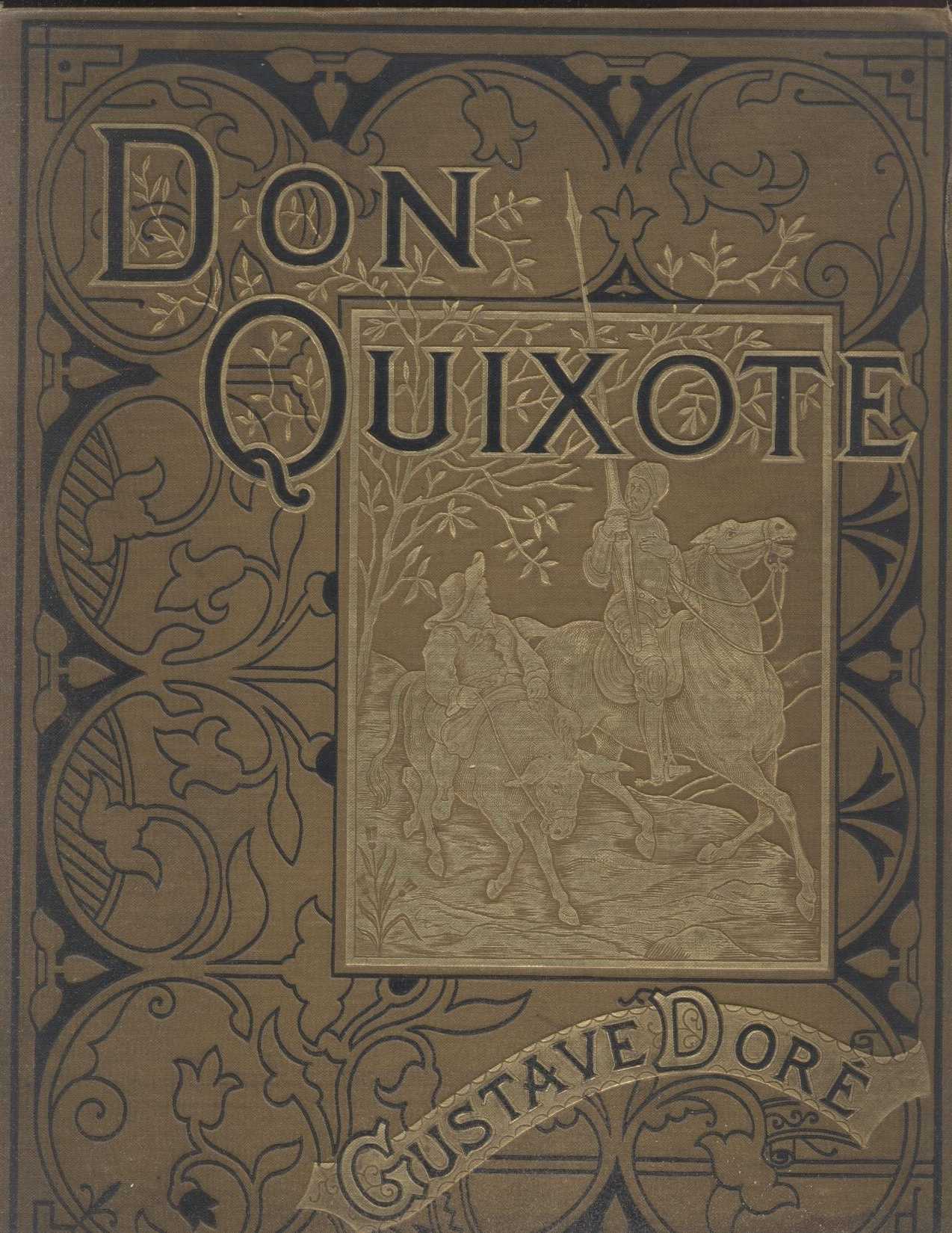
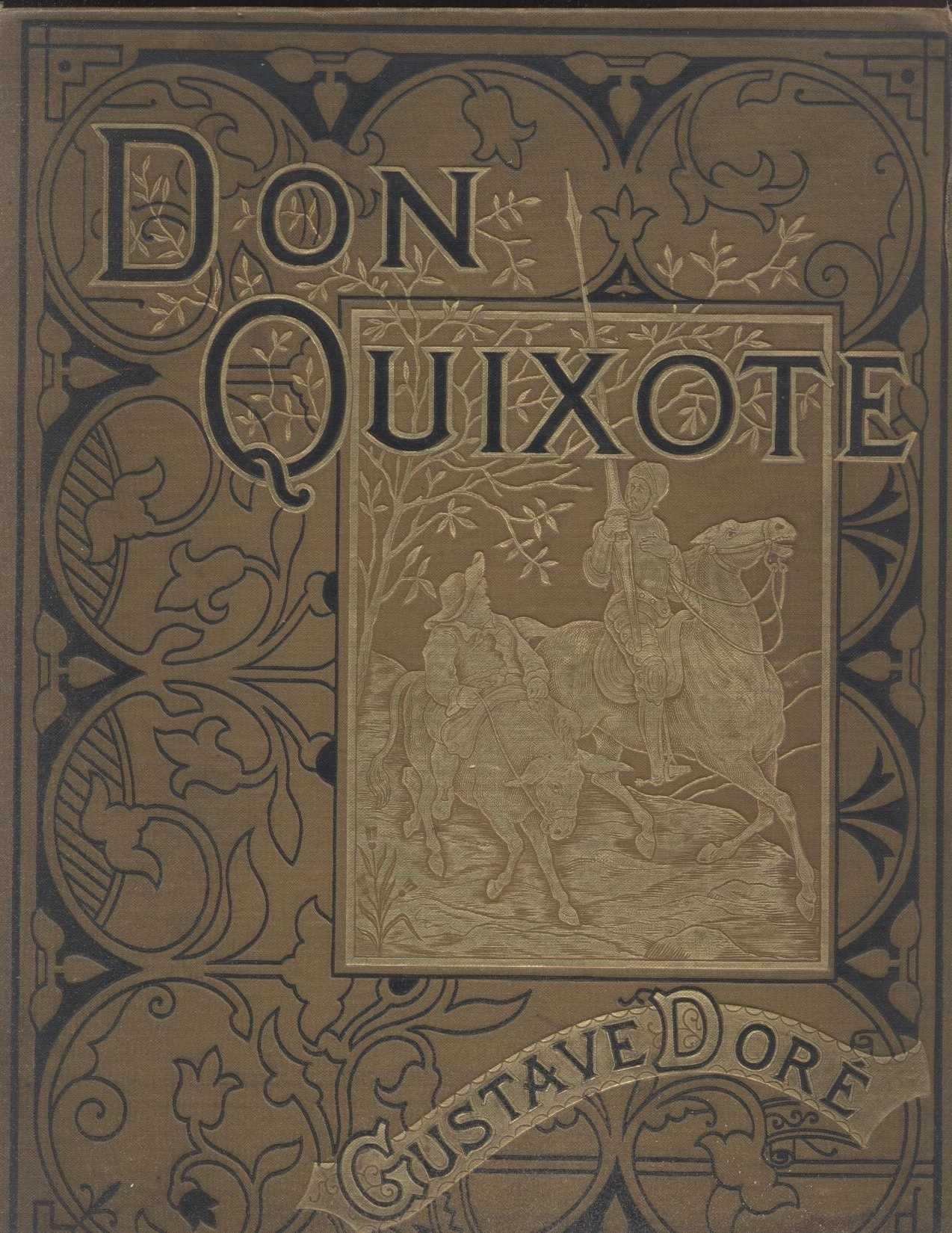
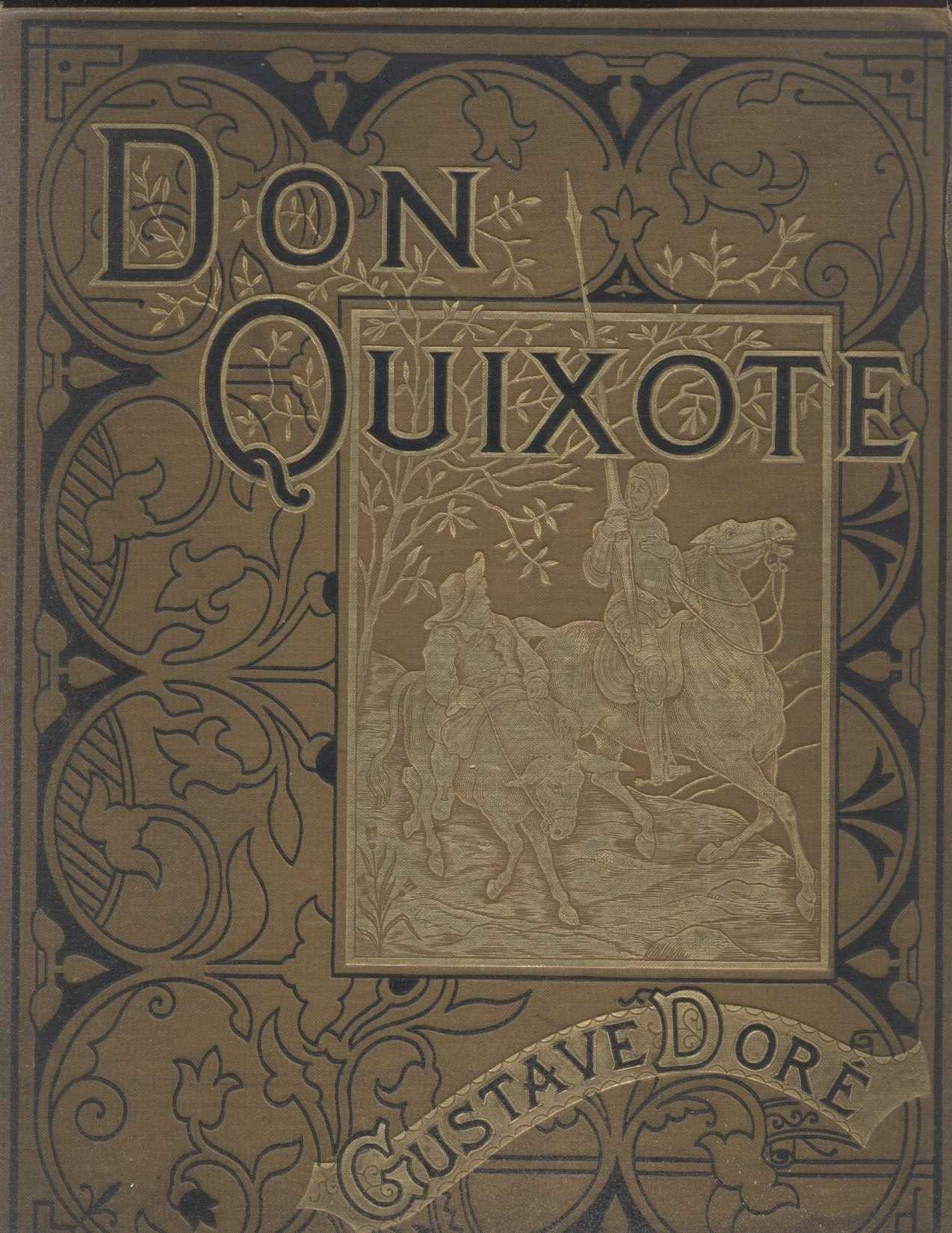
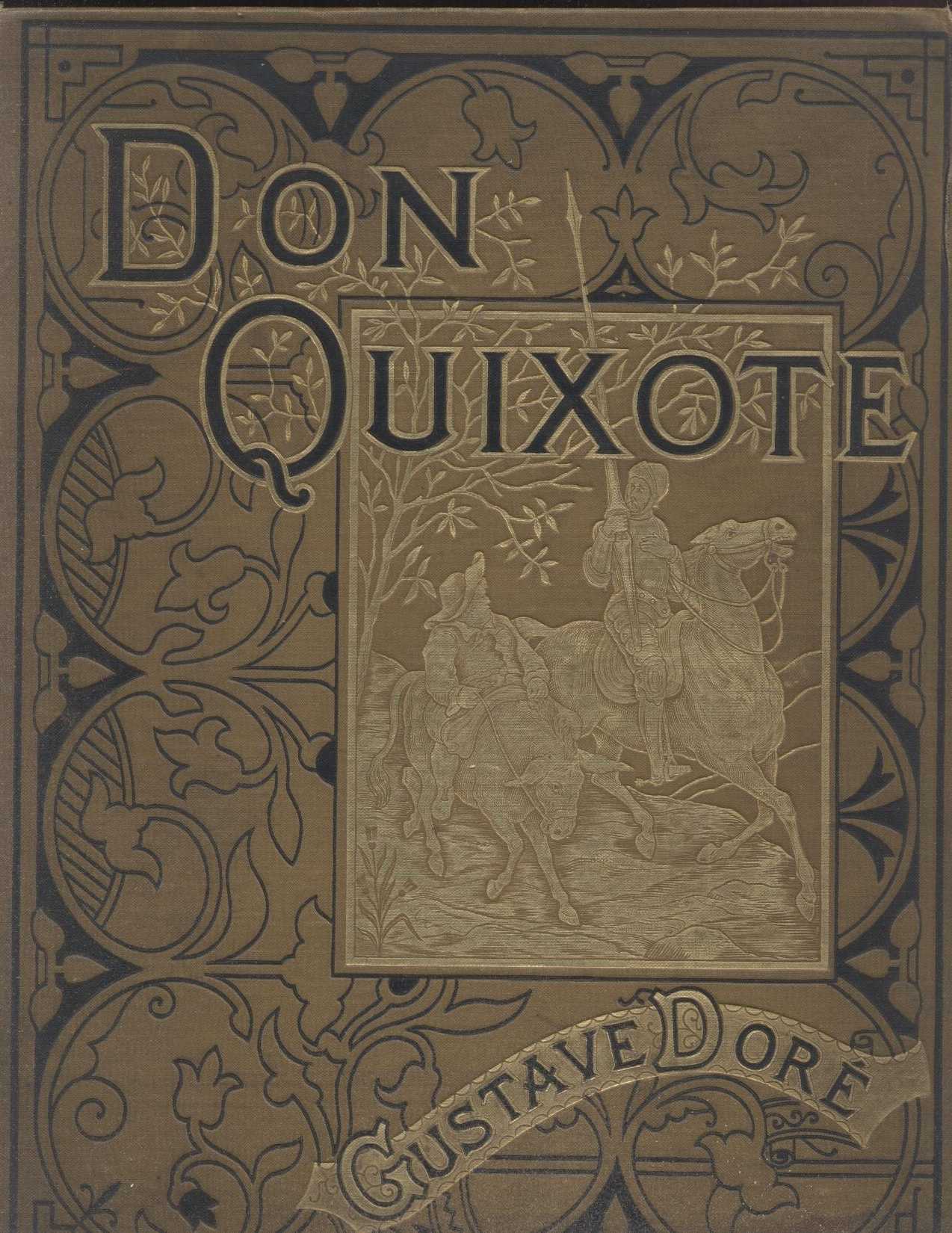
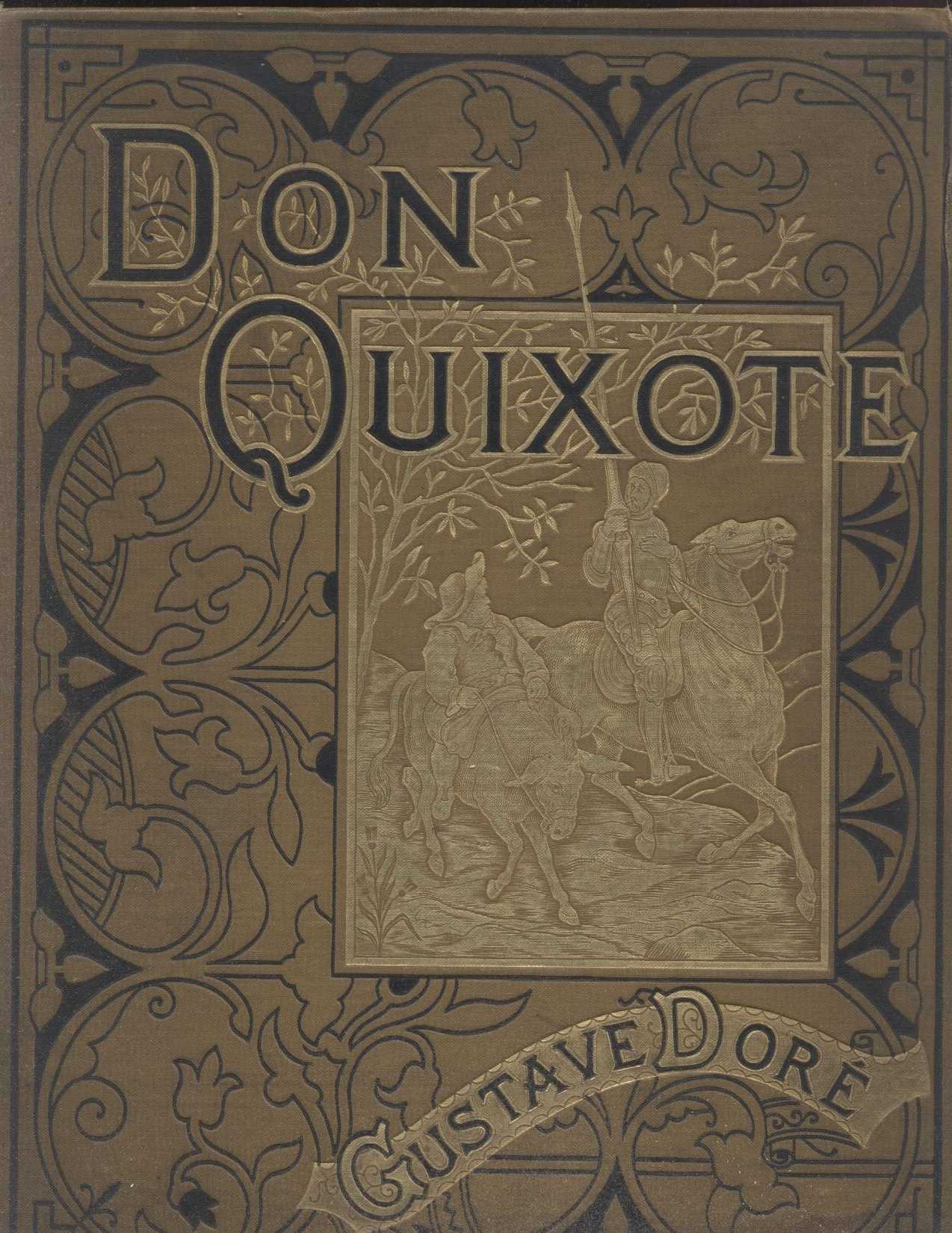
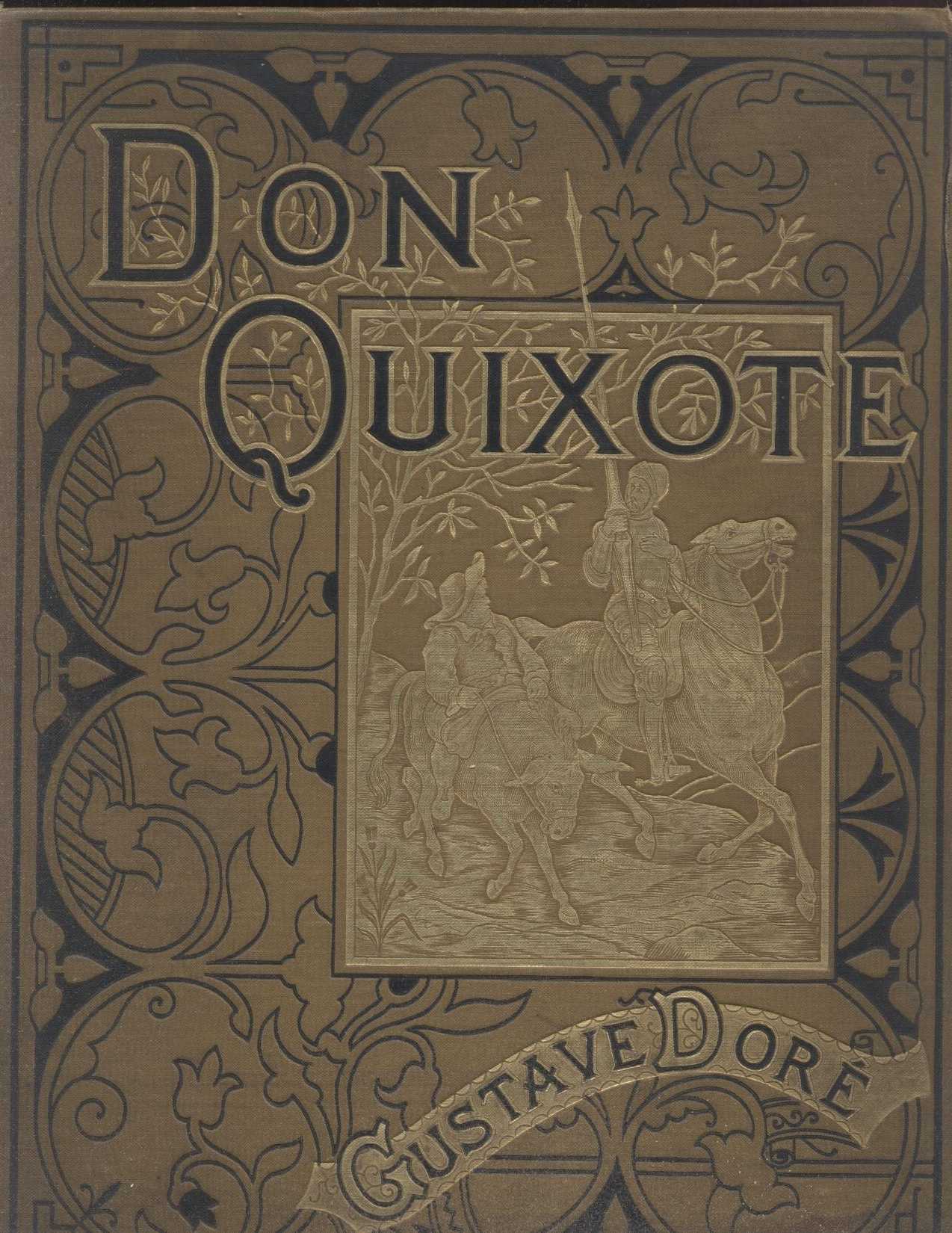
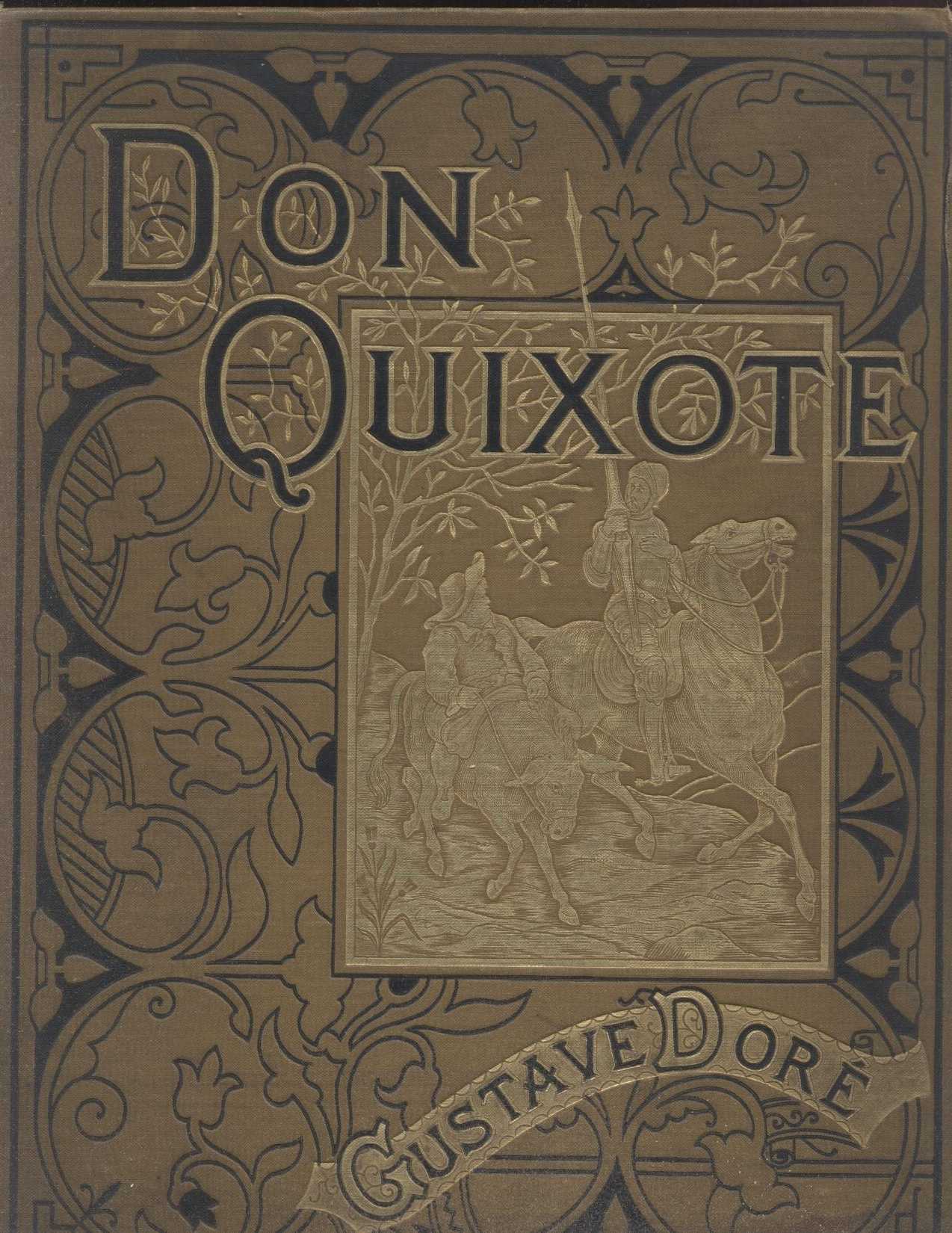
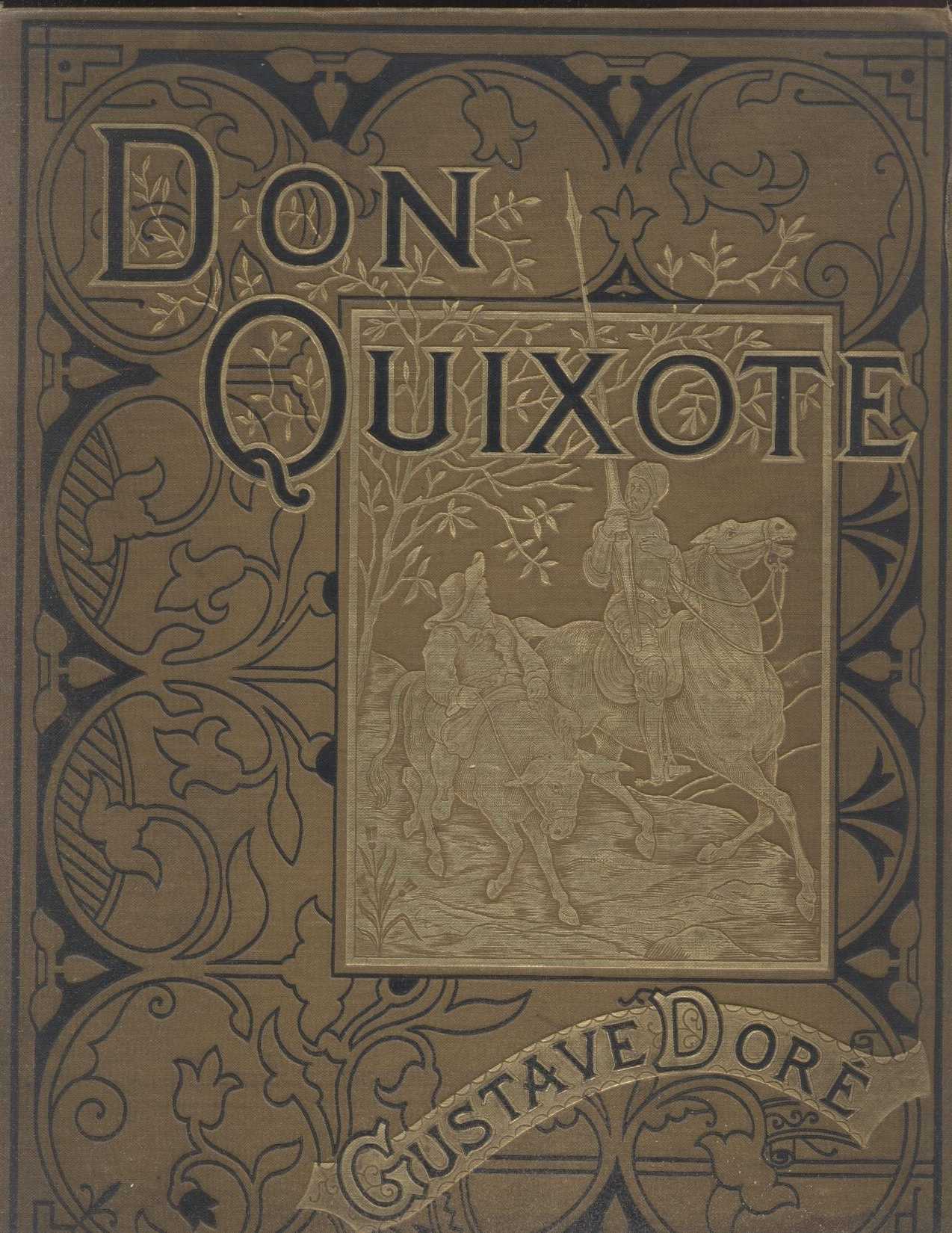
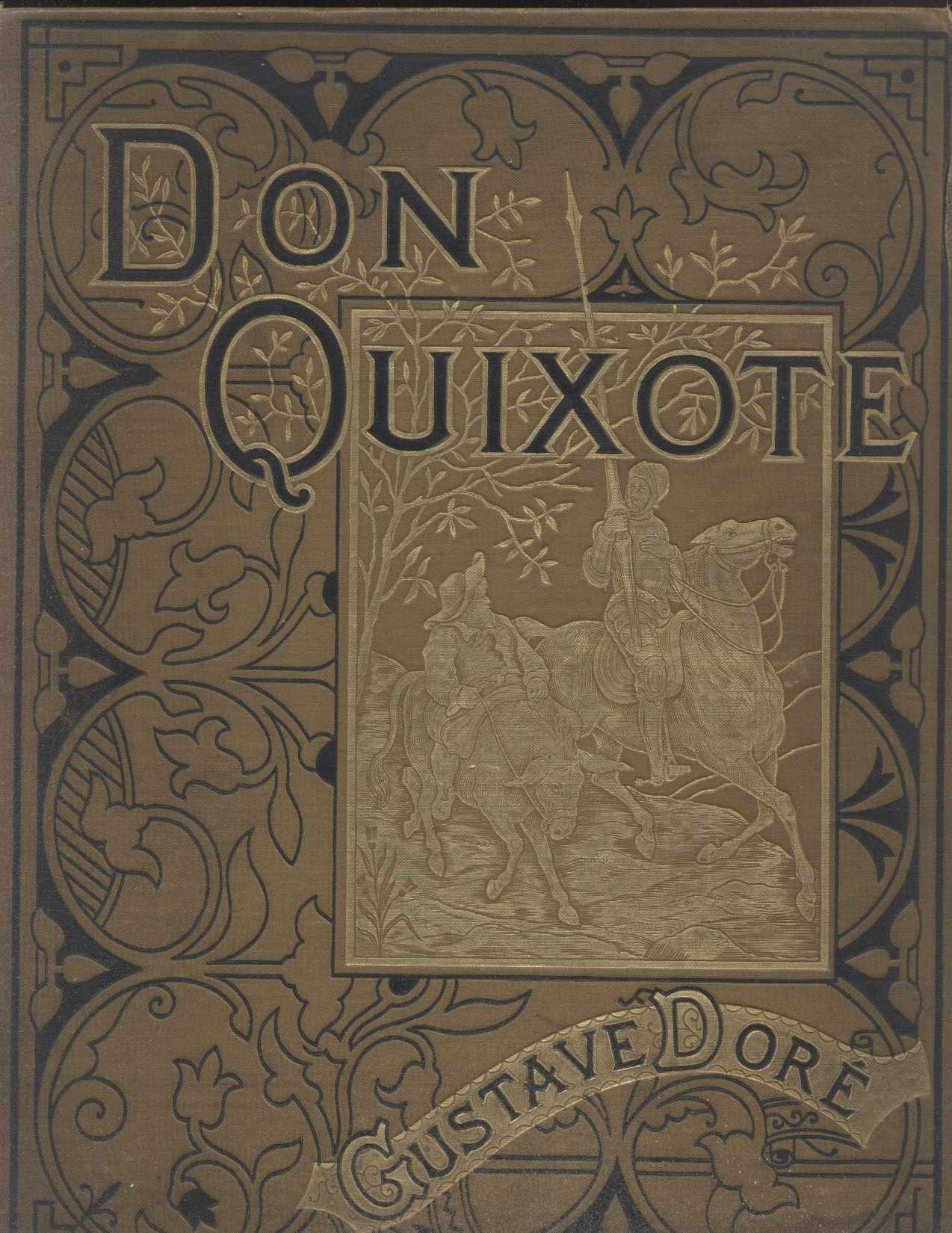
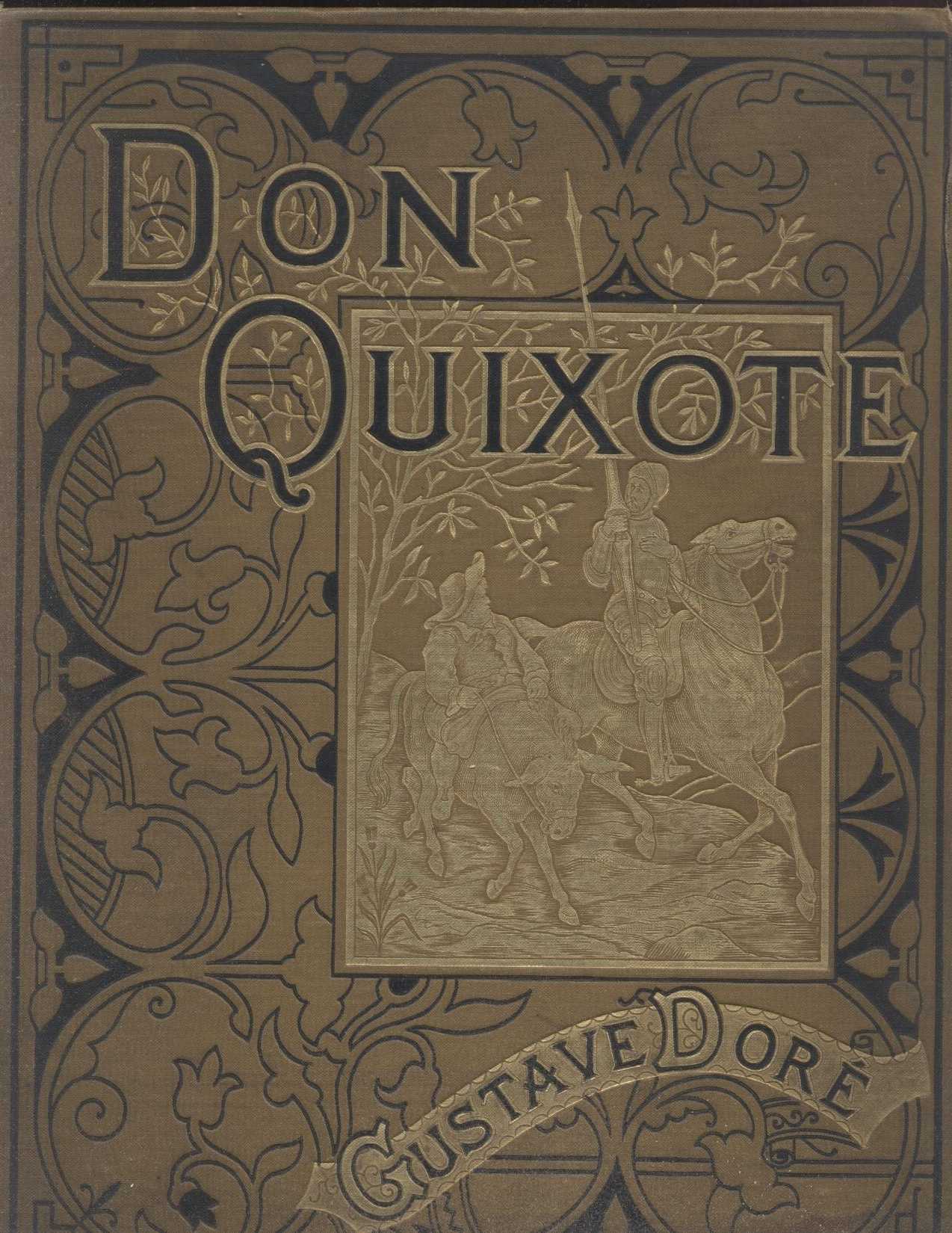
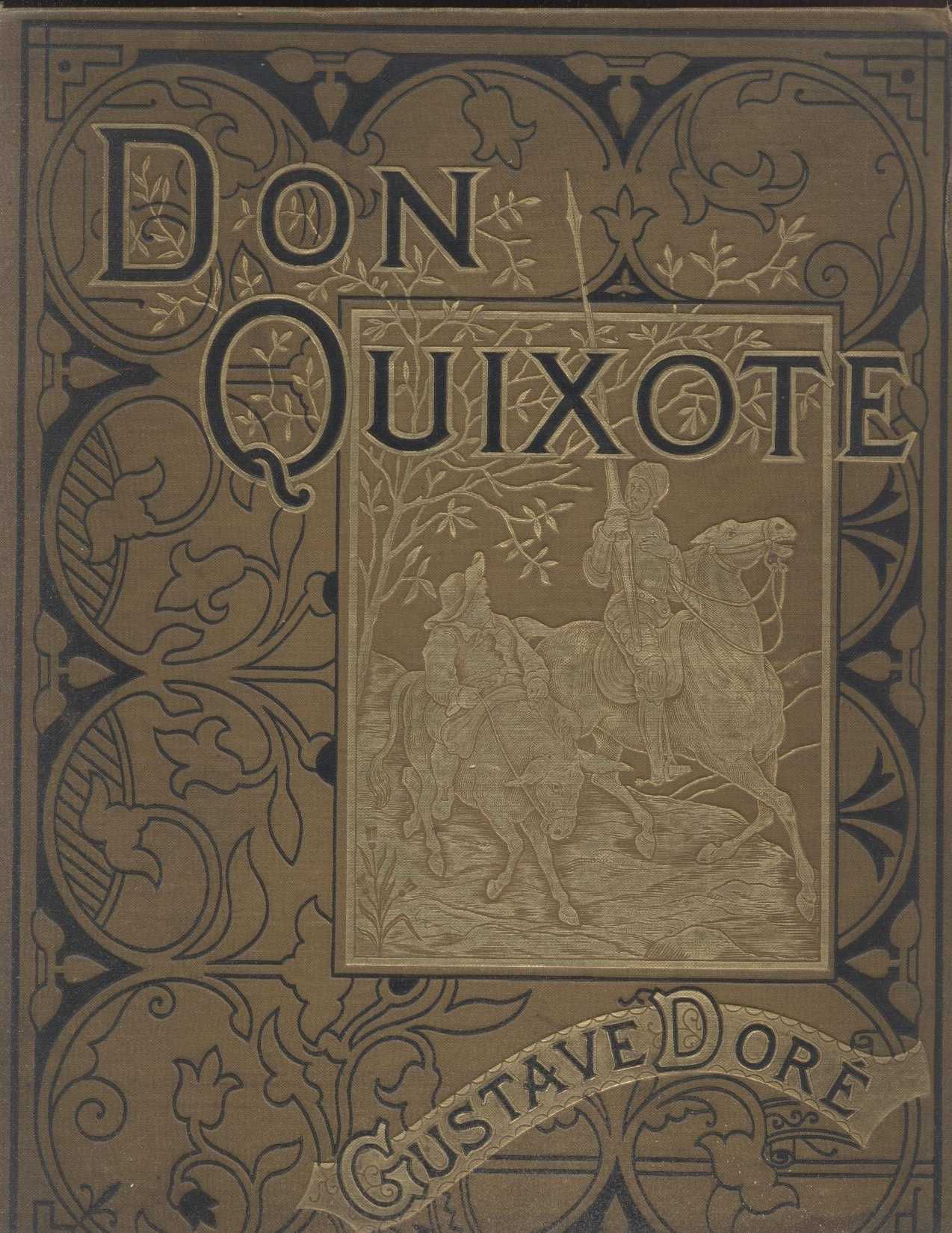
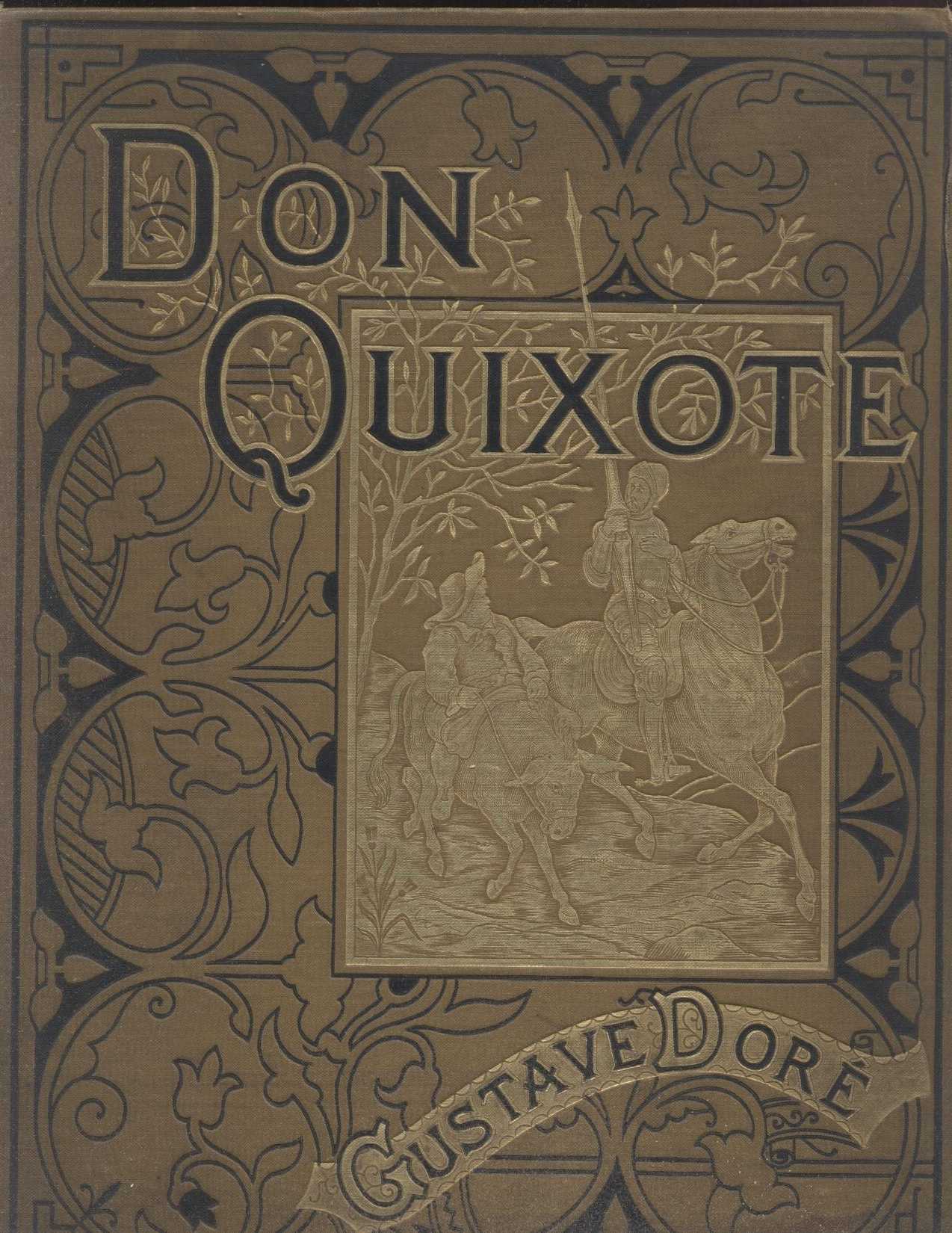
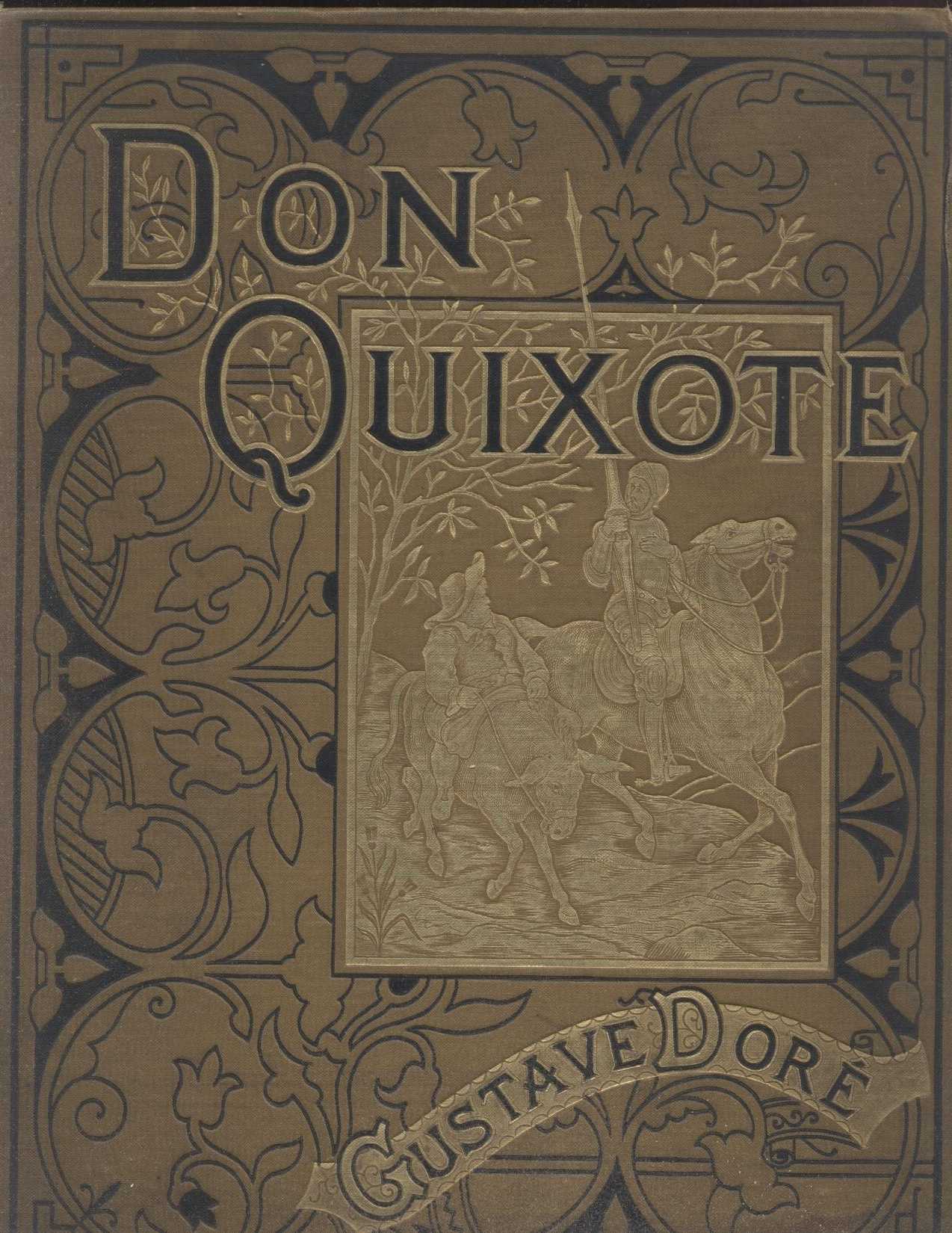
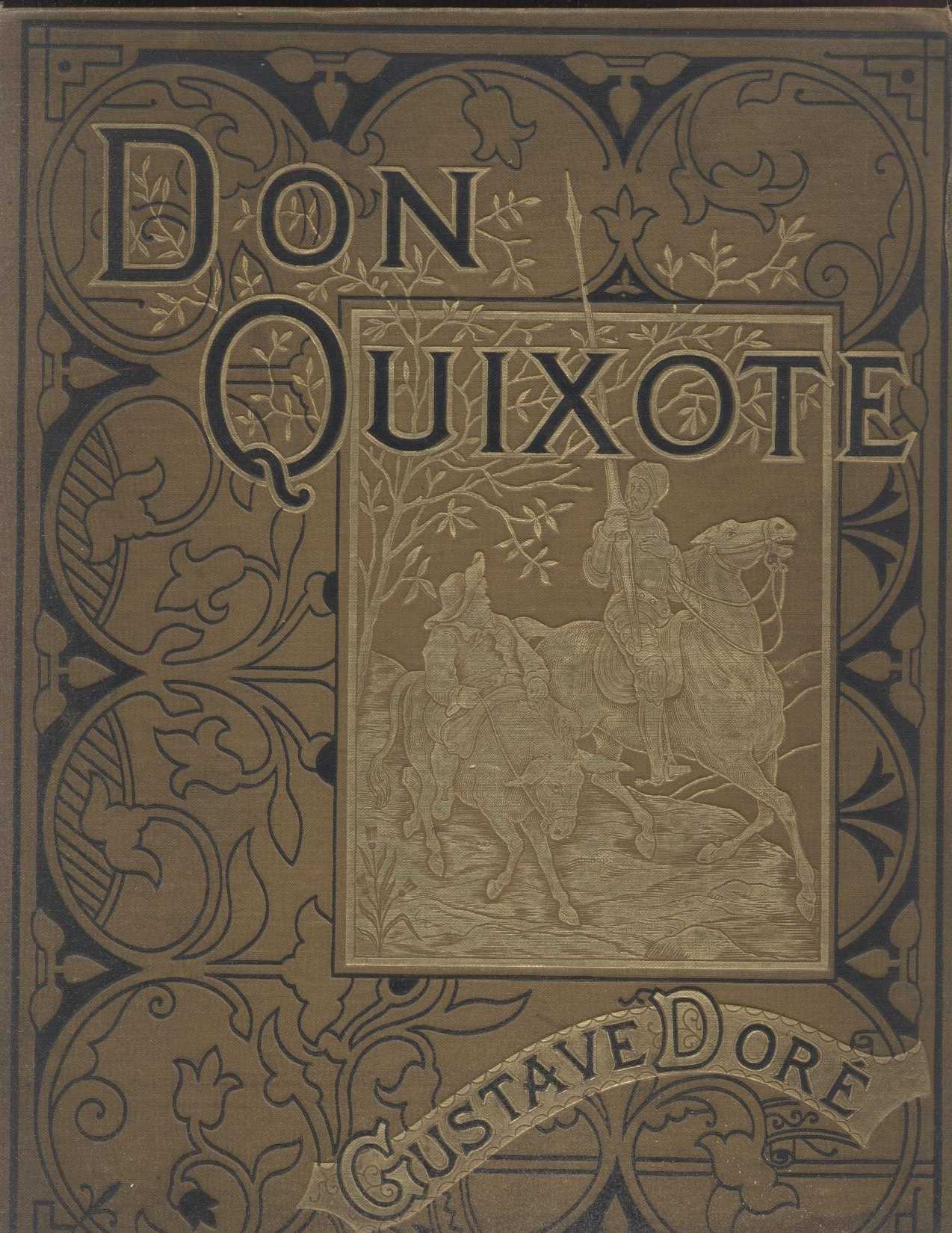
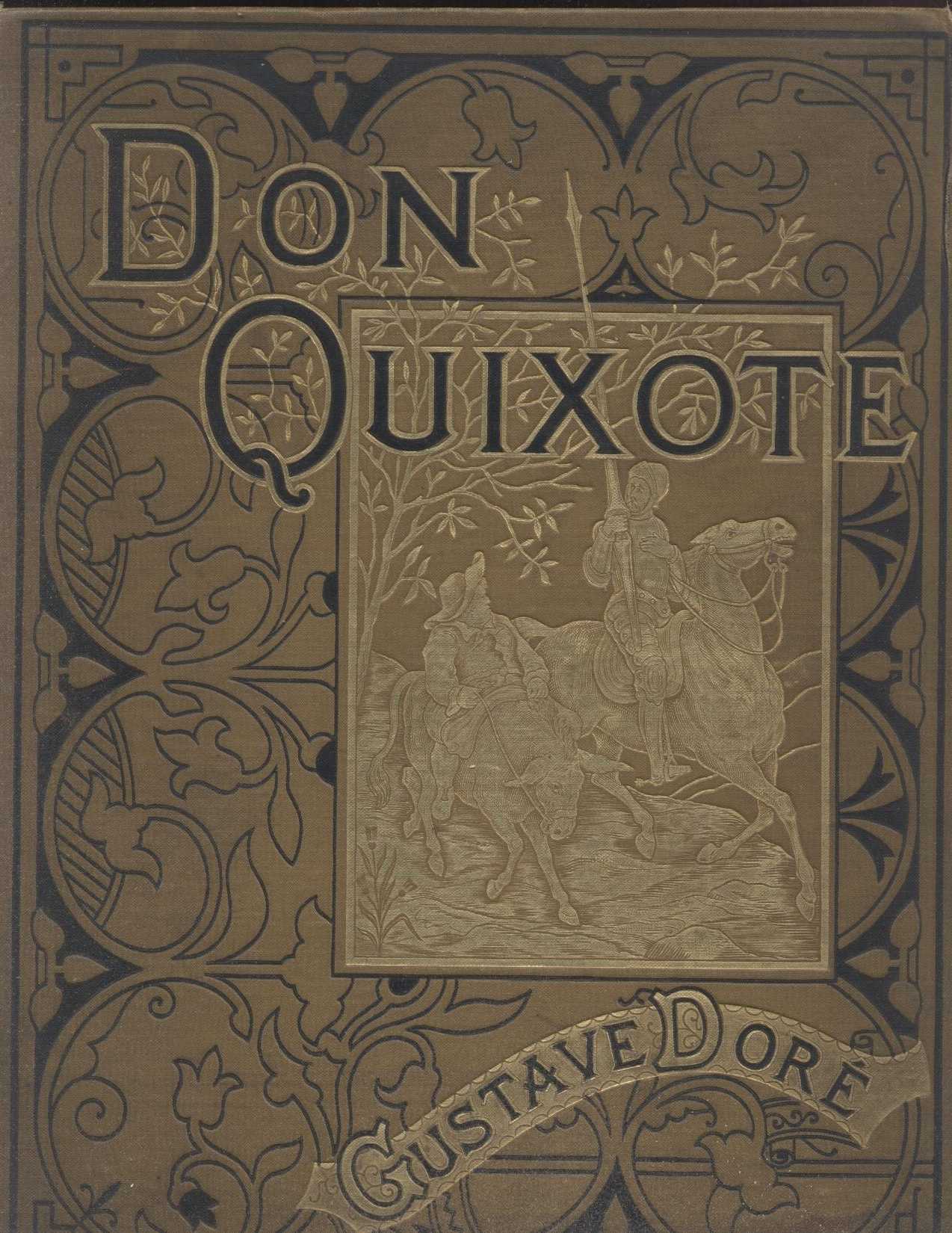
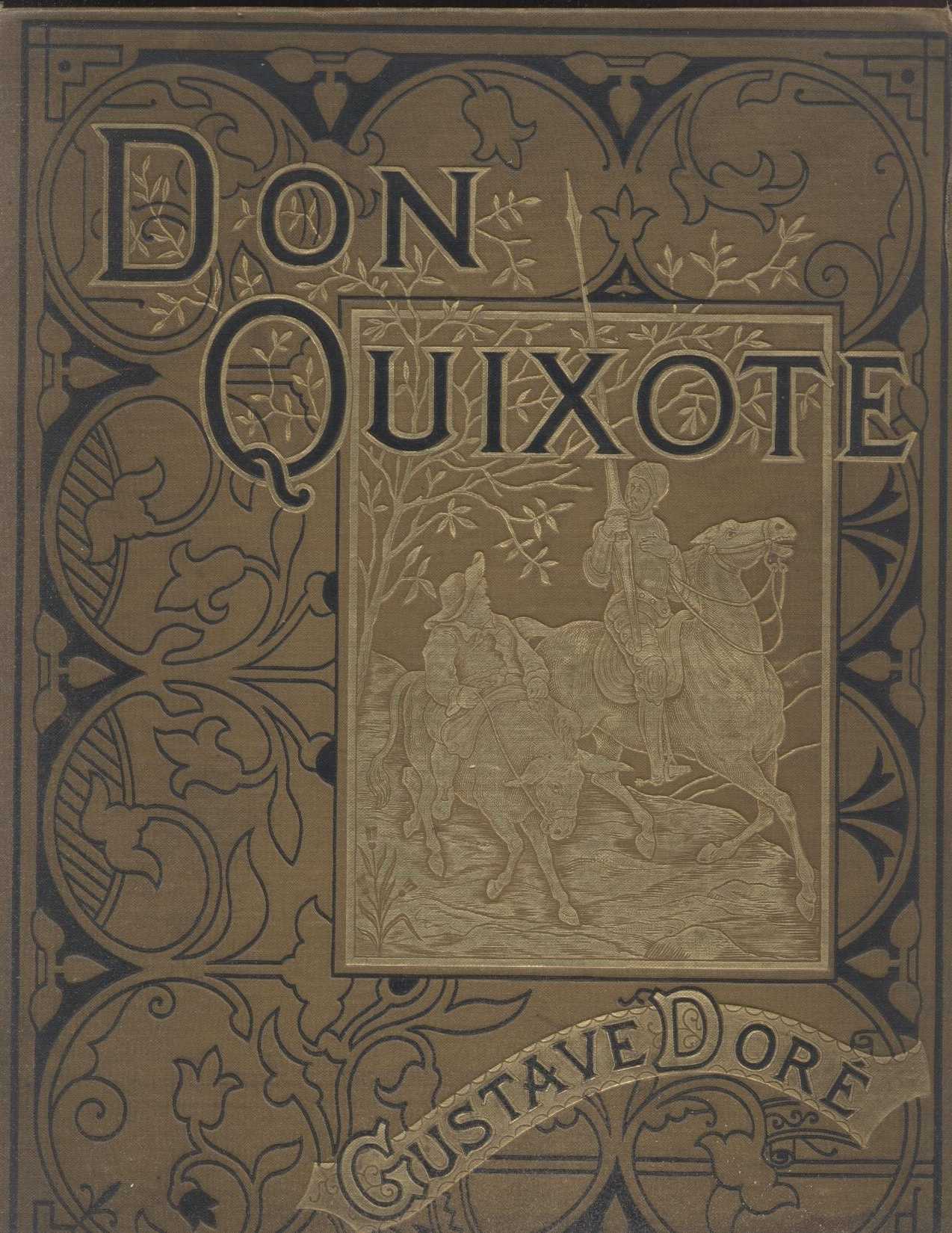
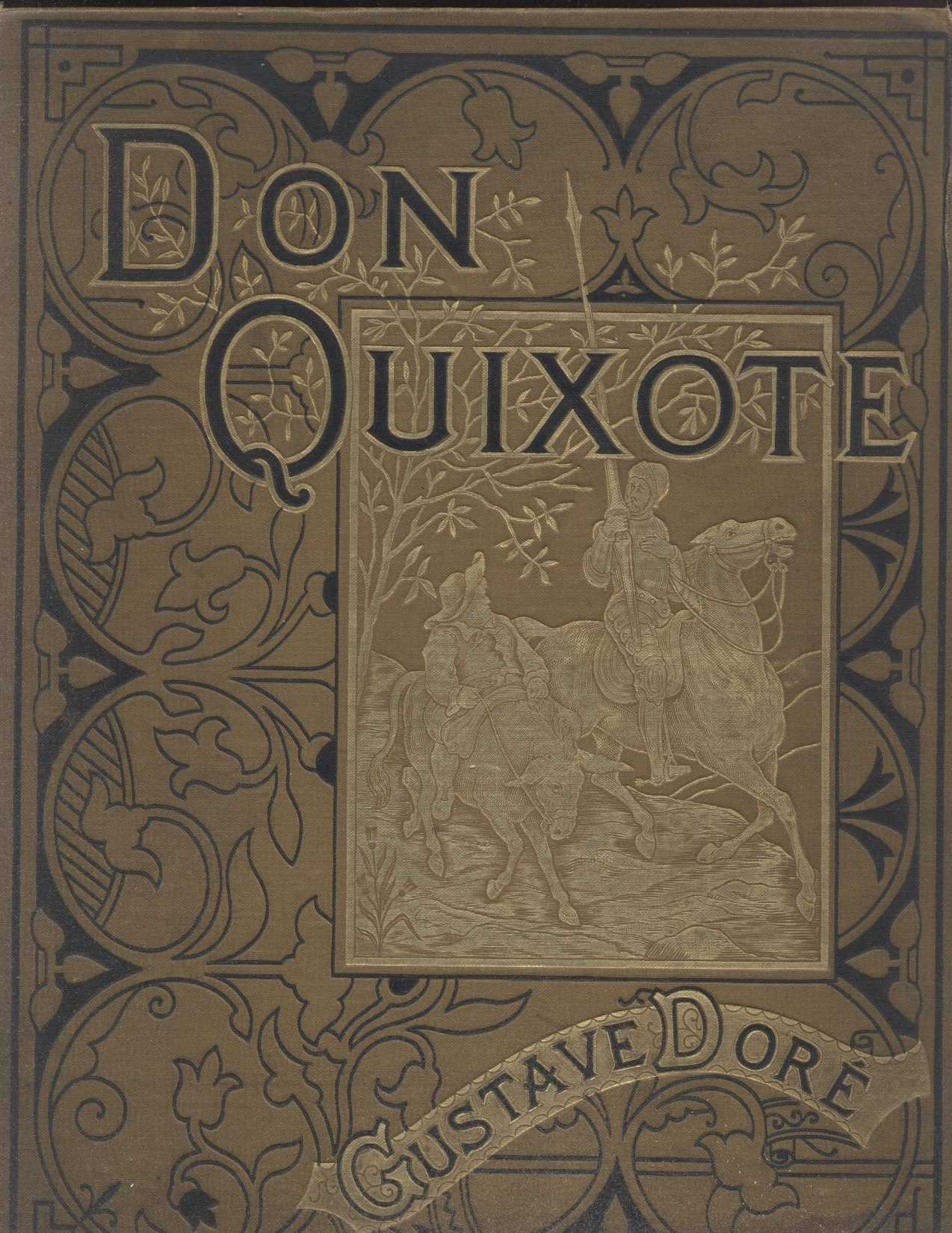
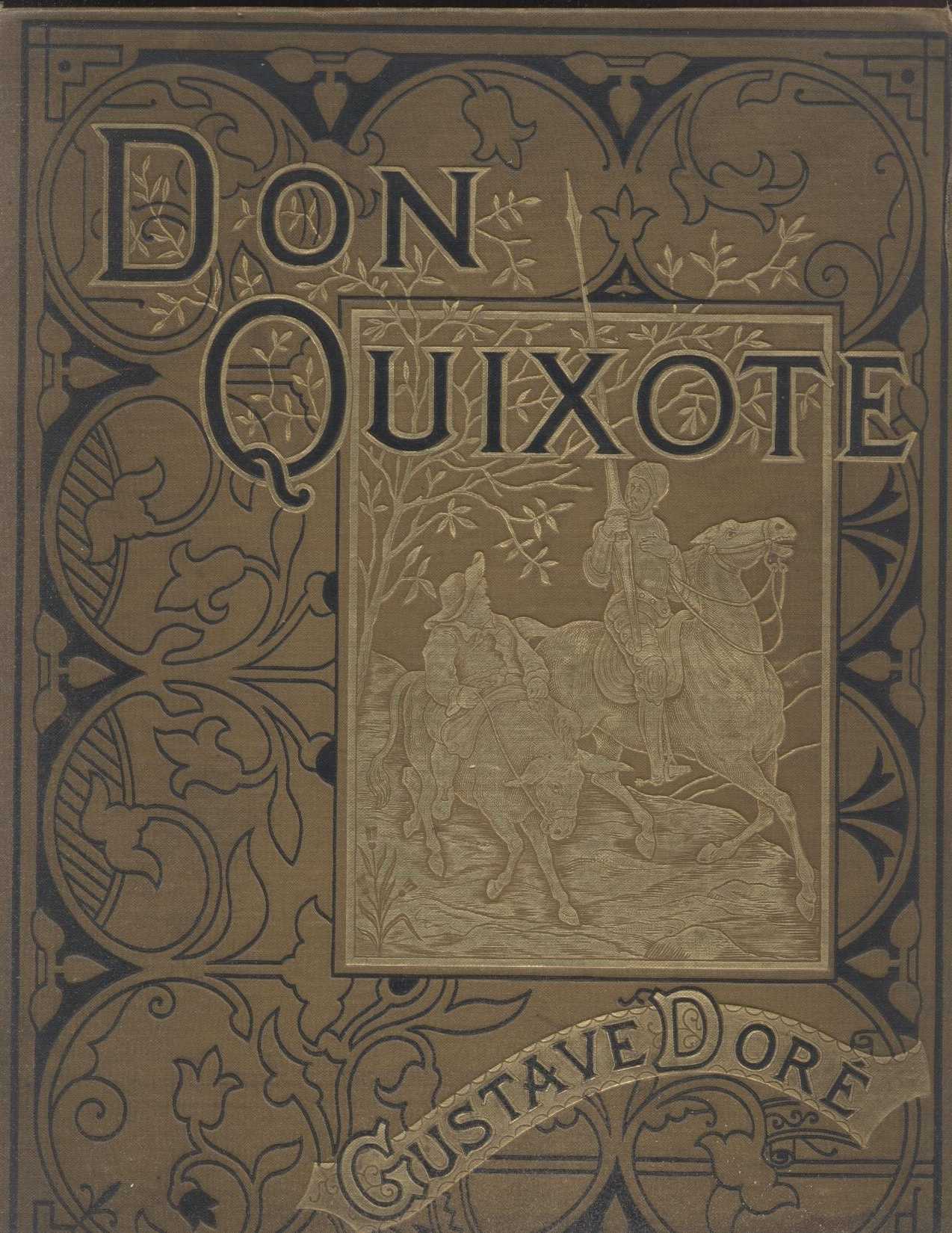
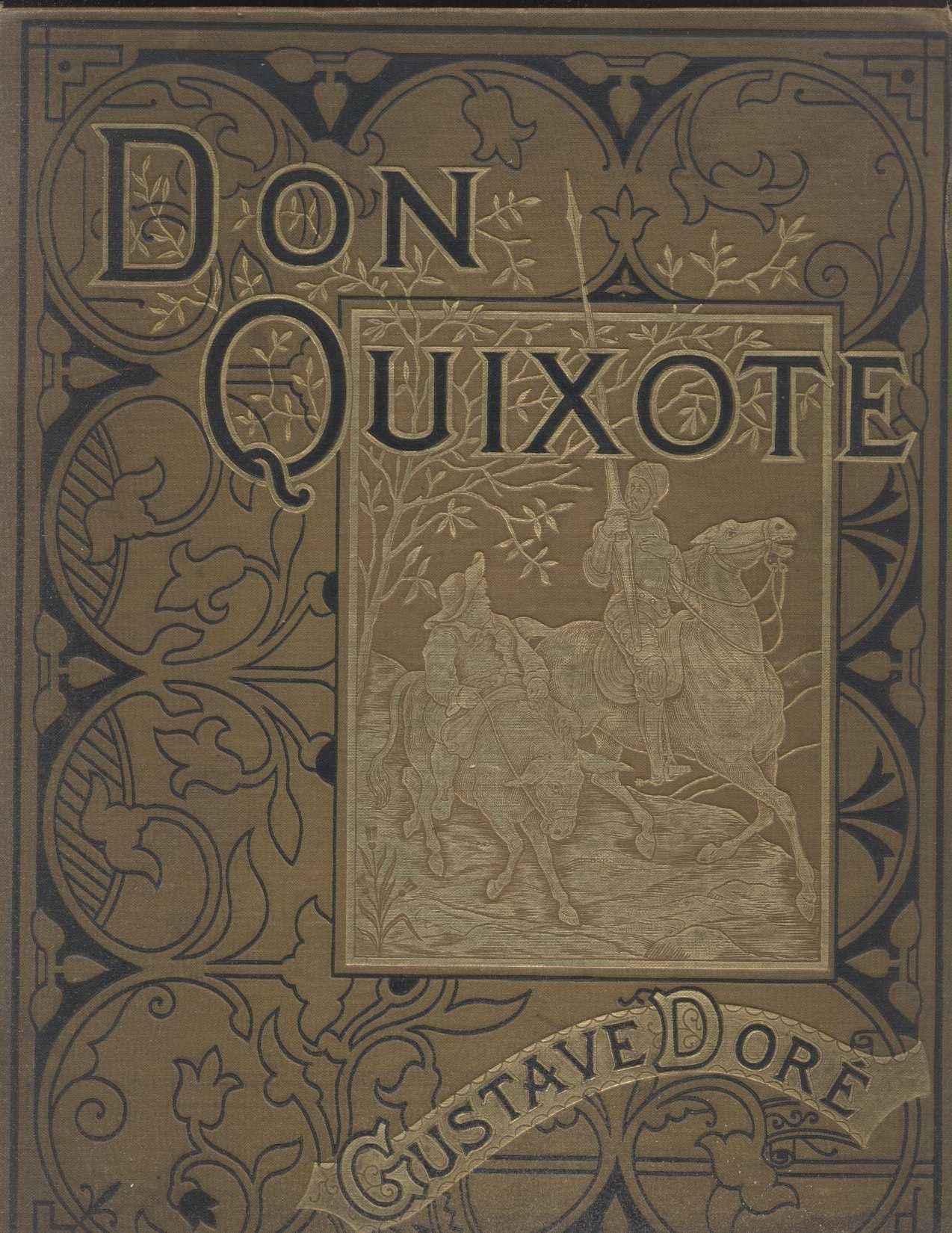
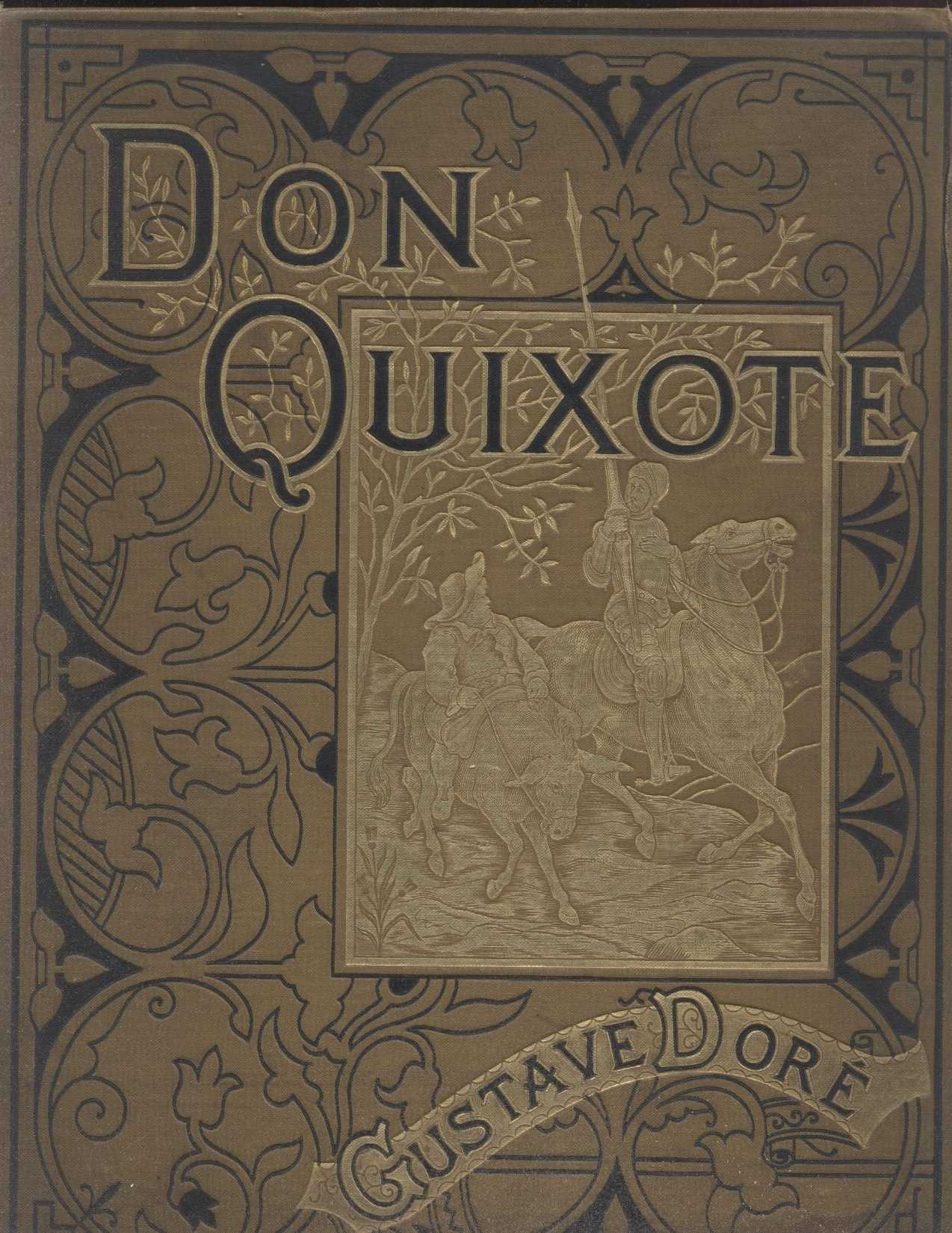
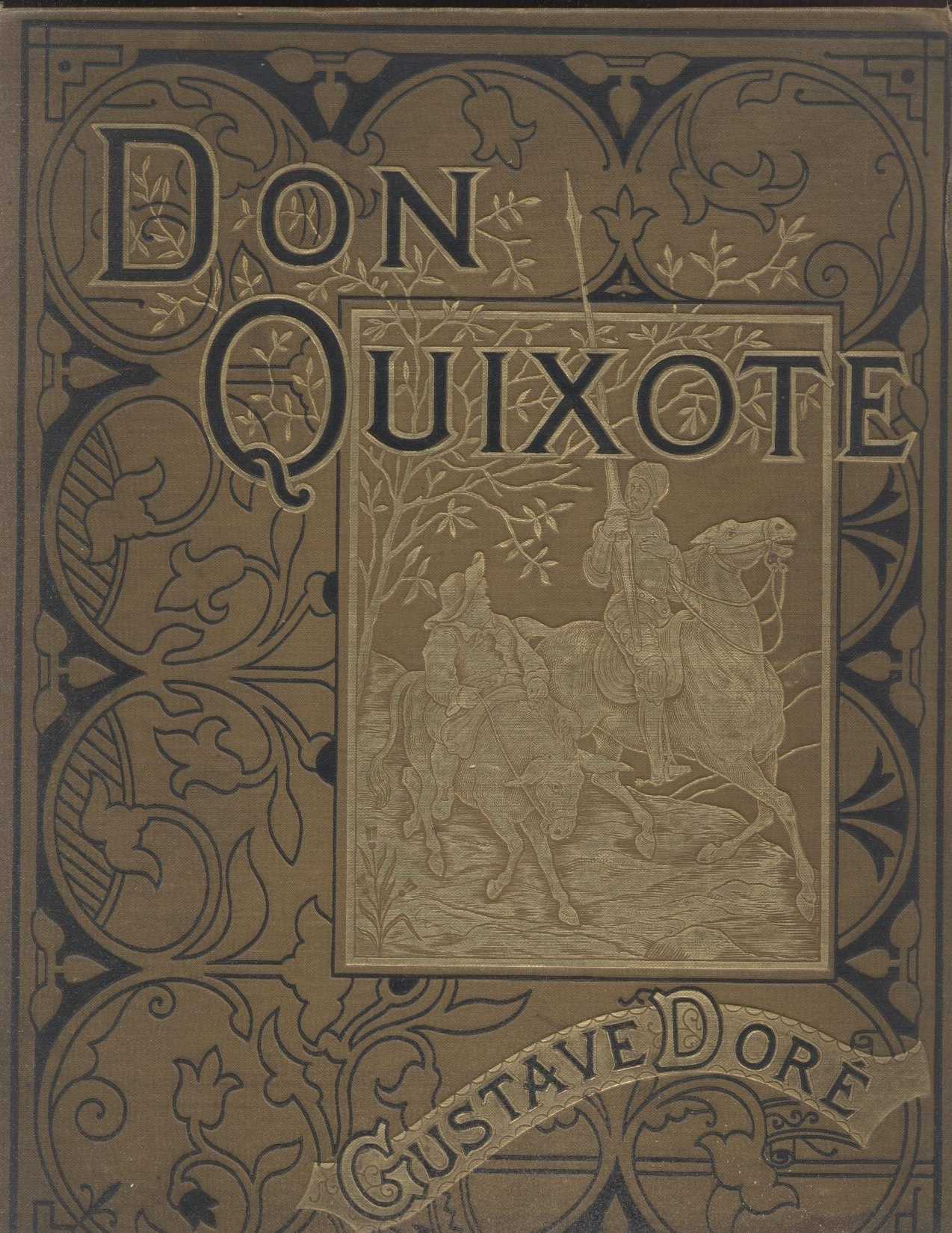
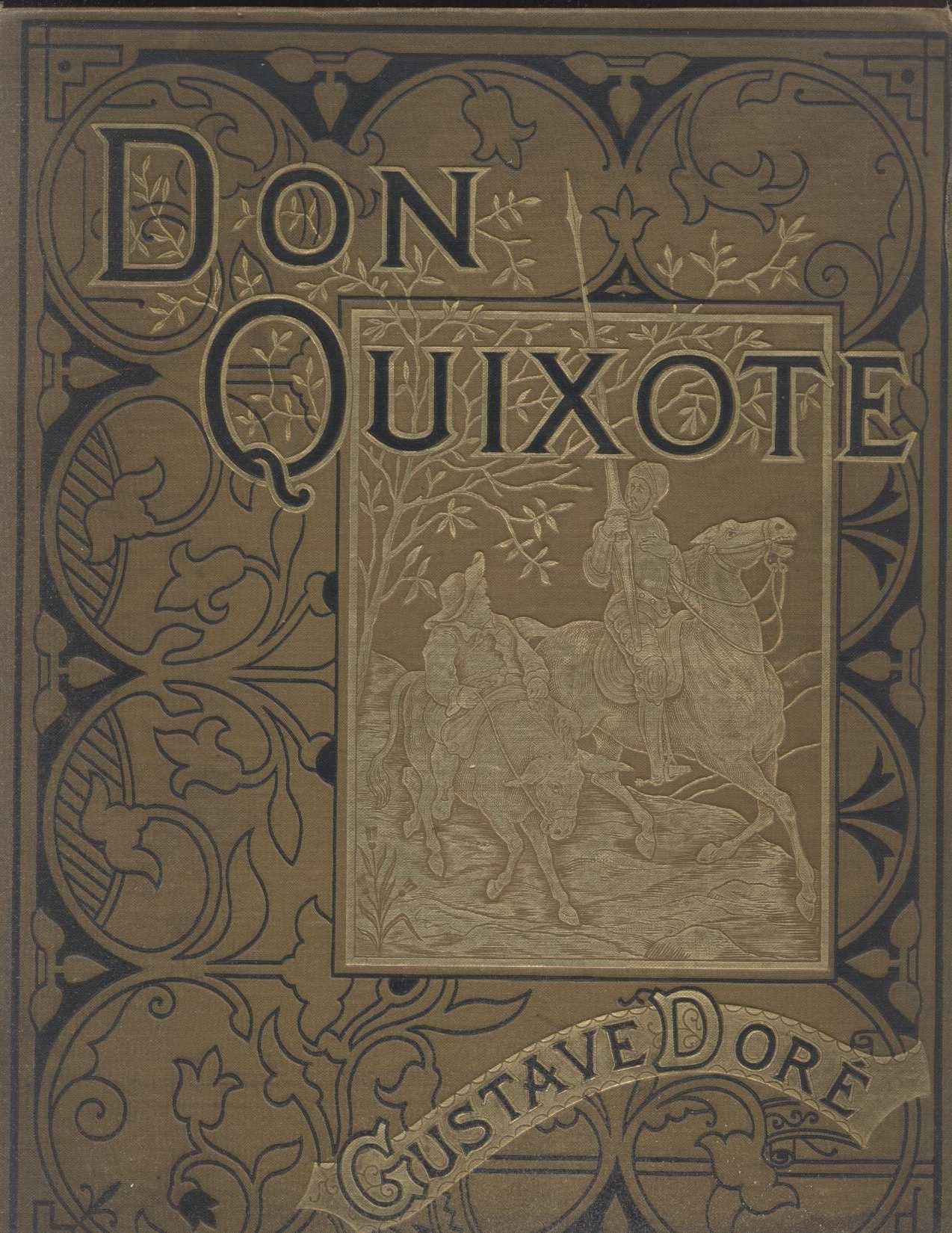
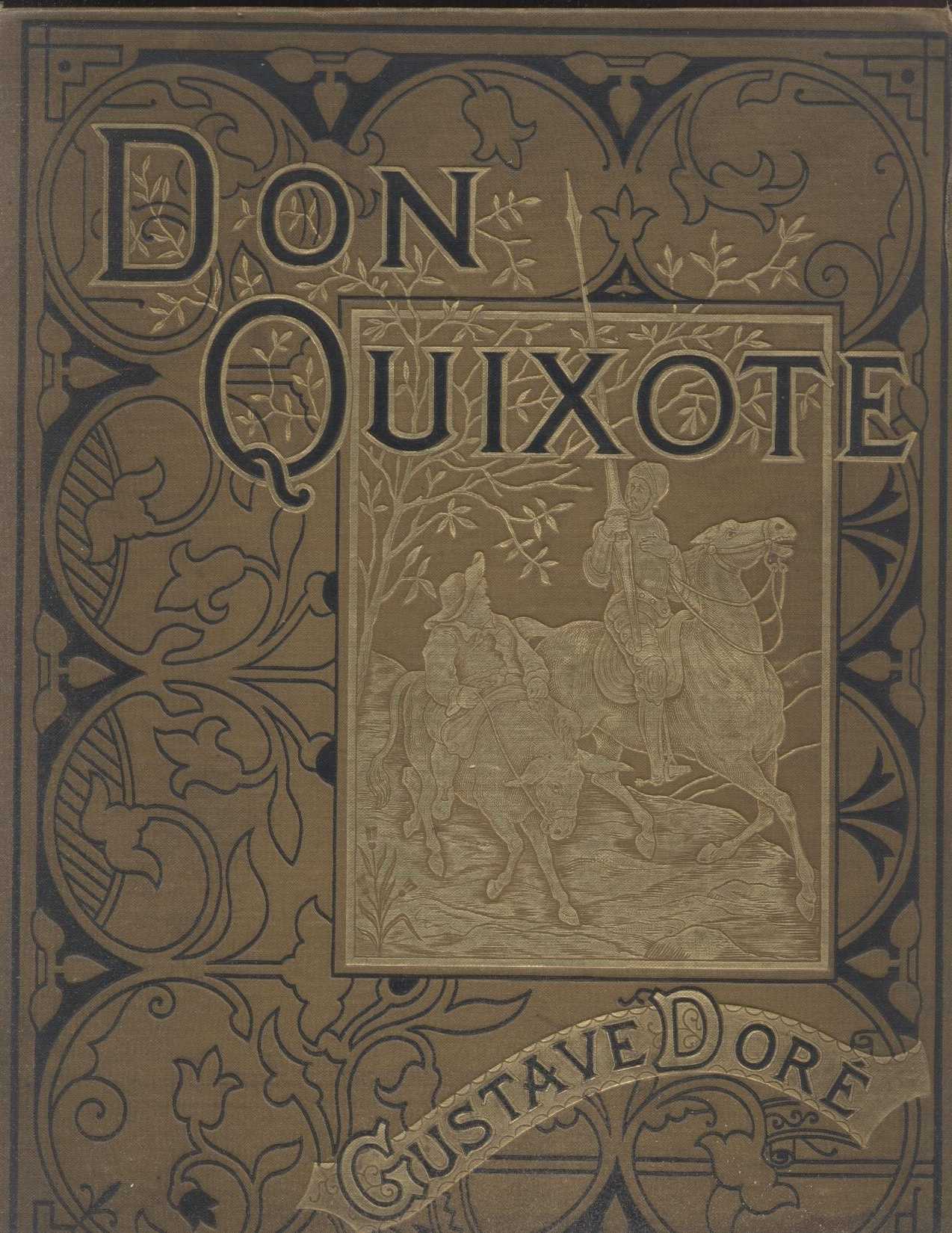
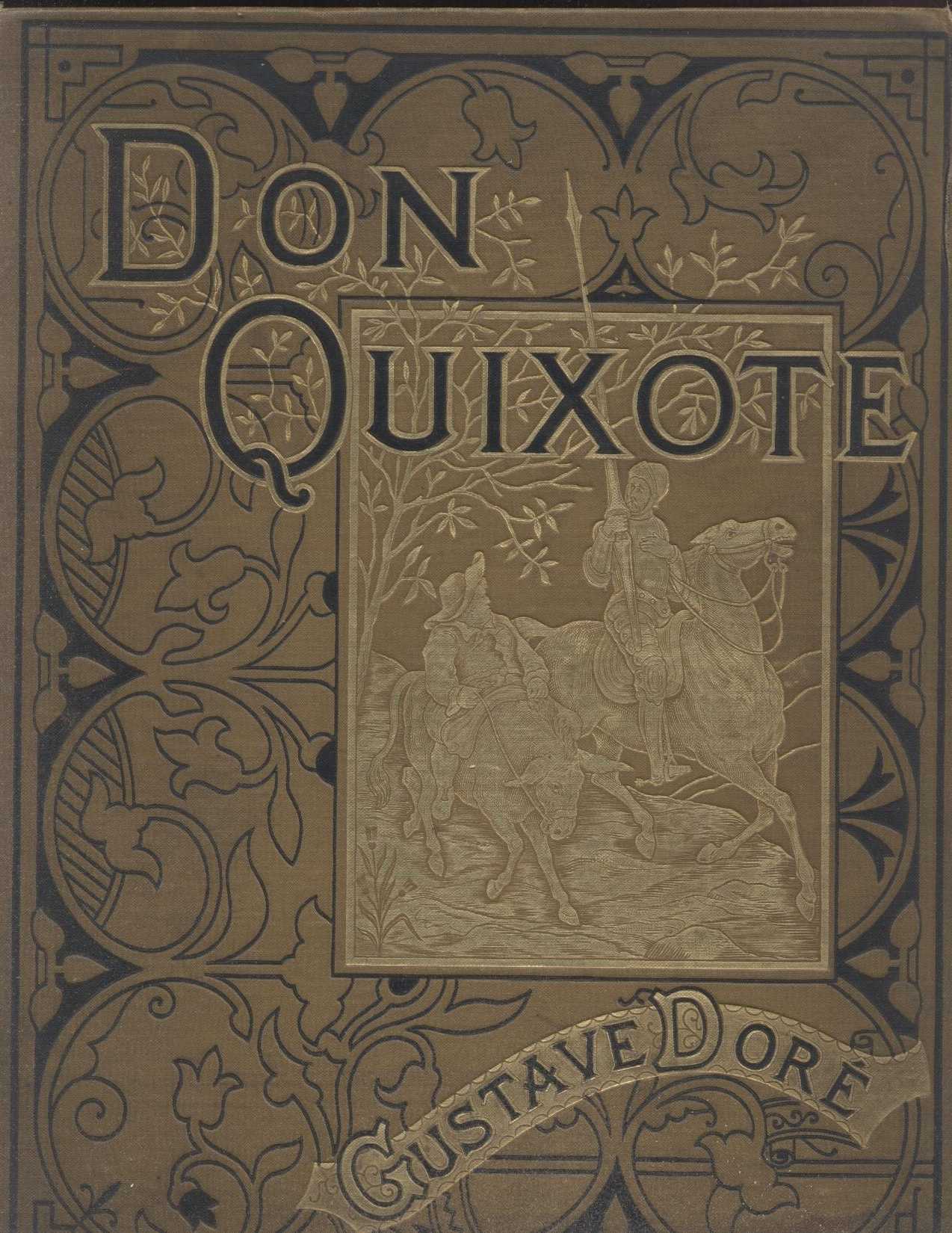
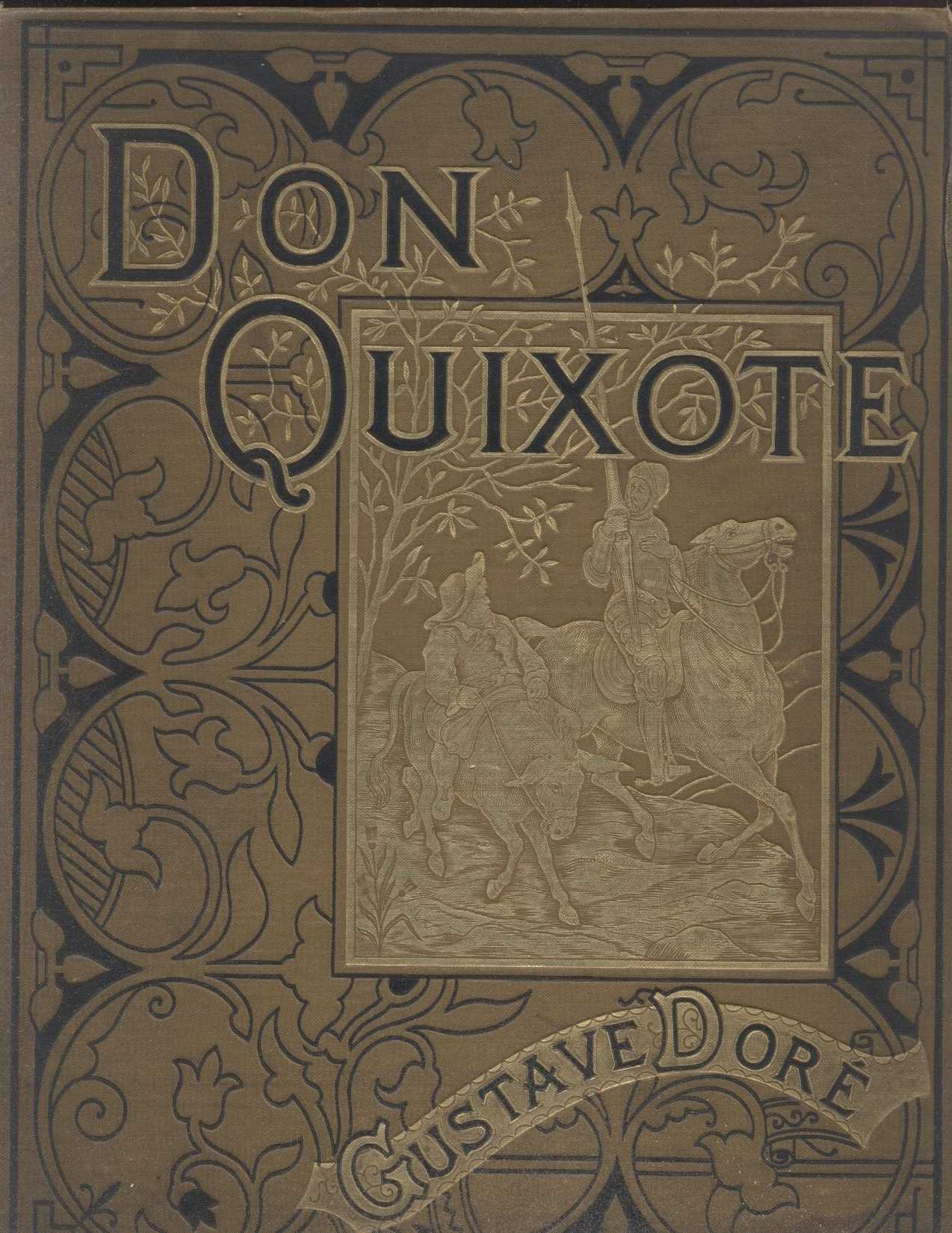
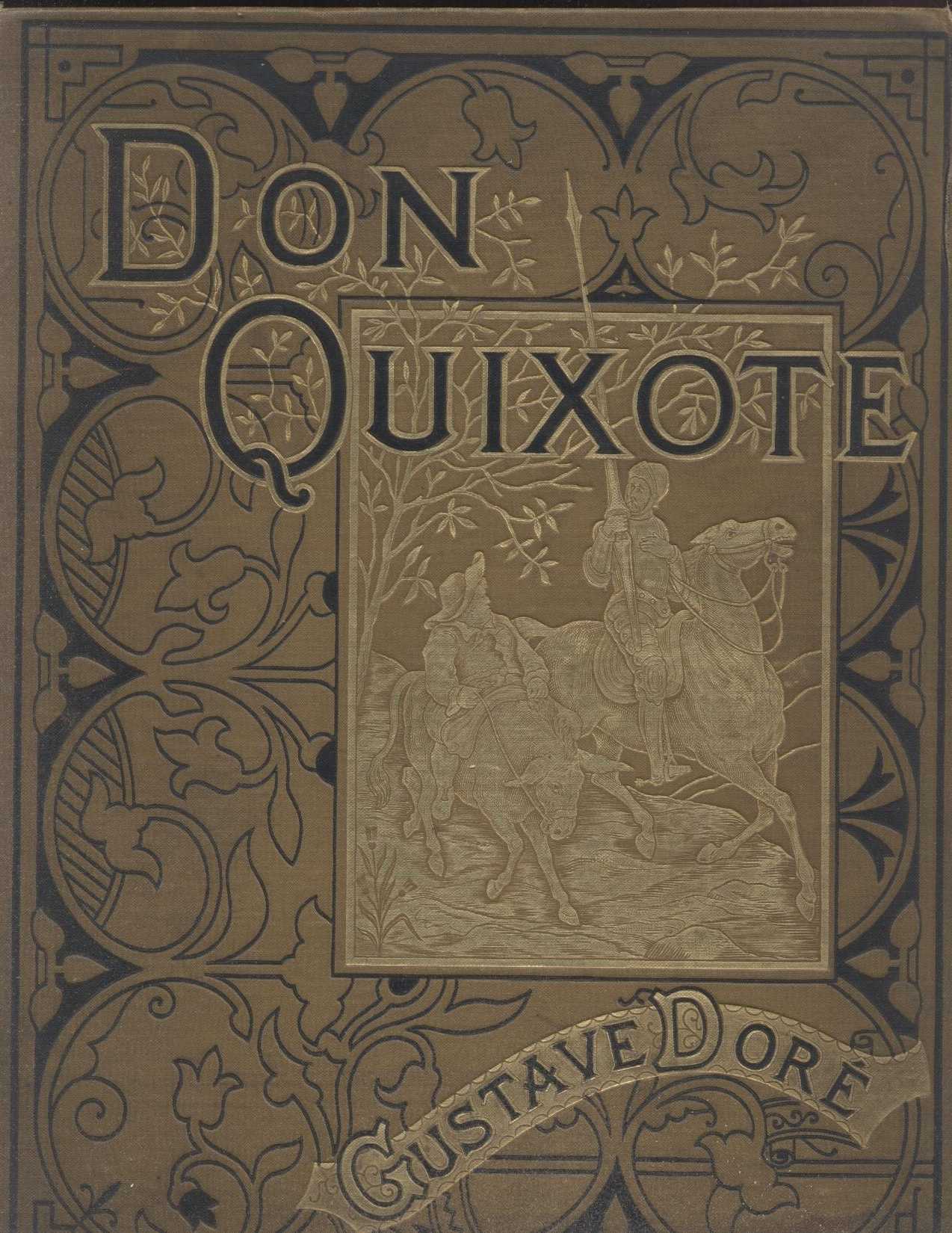
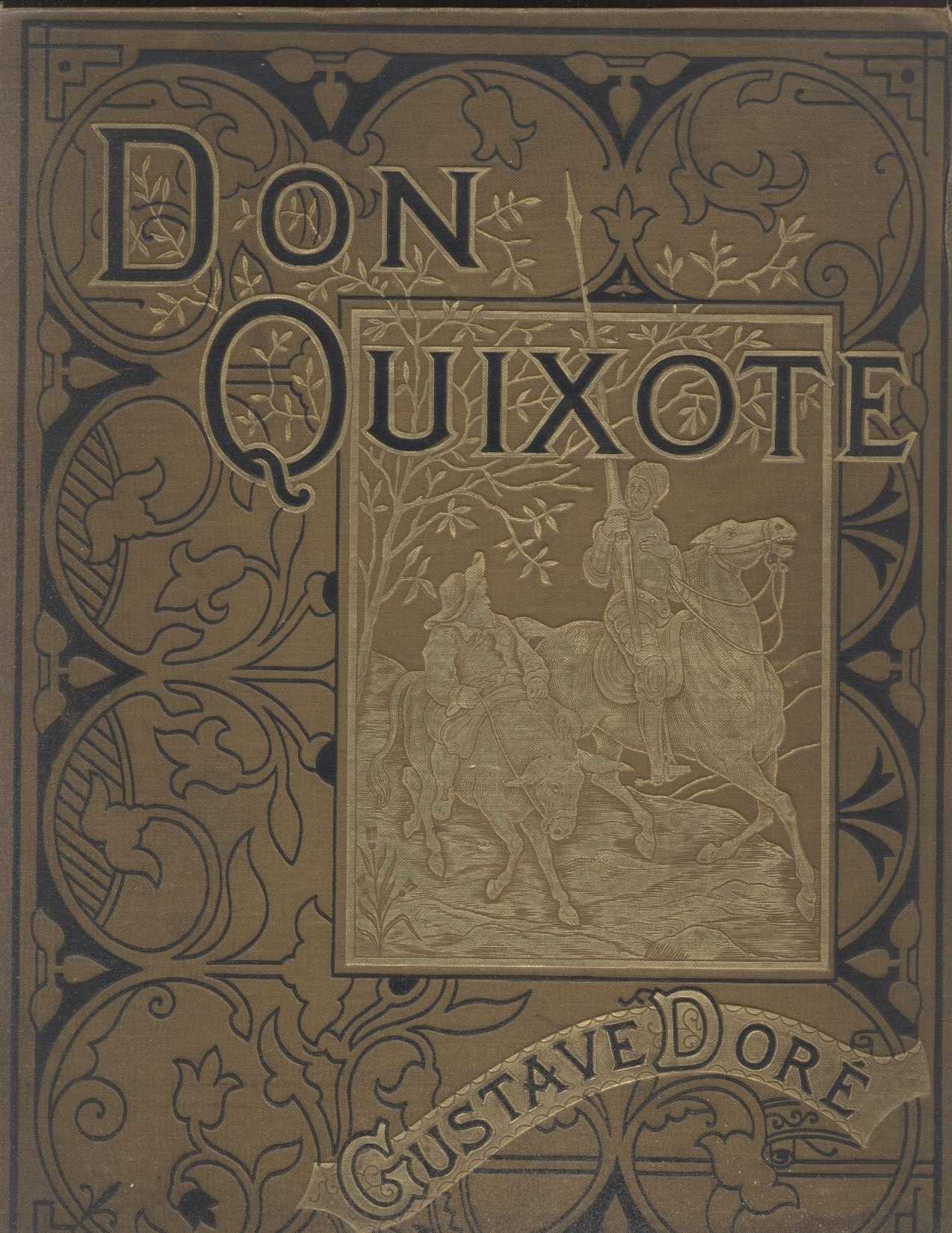
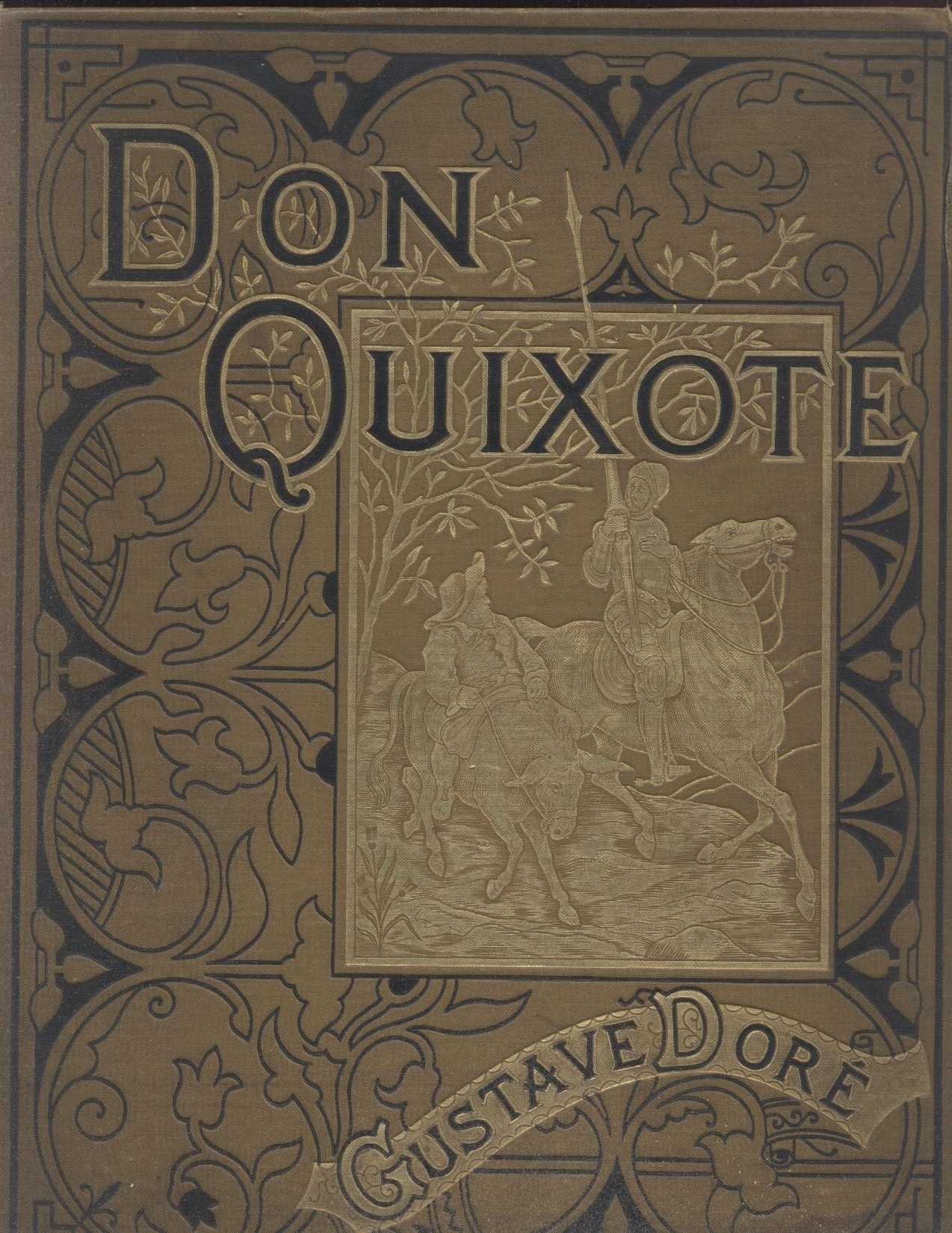
The History of Don Quixote, Volume 1, Part 02
1615
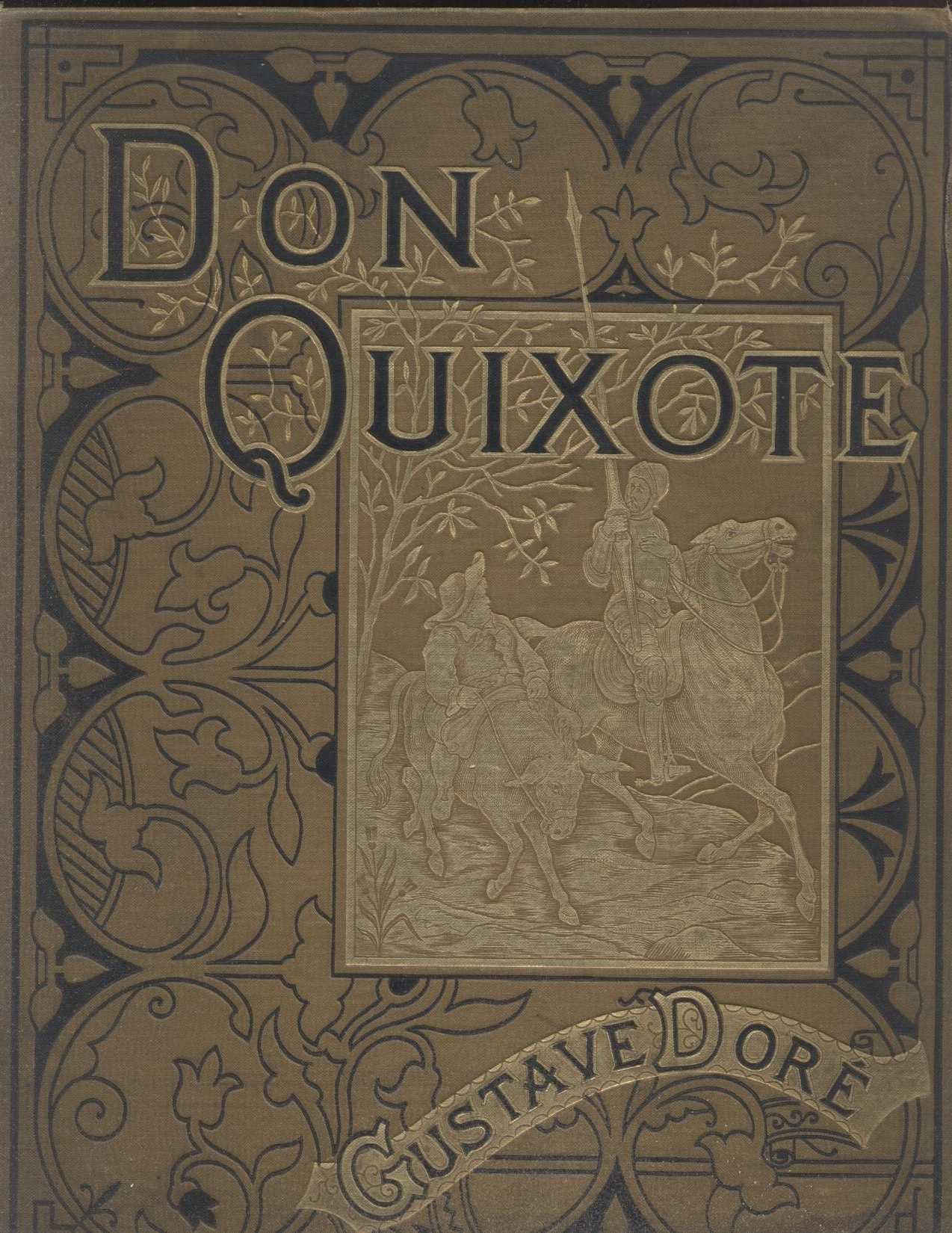
The History of Don Quixote, Volume 1, Part 02
1615
Translated by John Ormsby
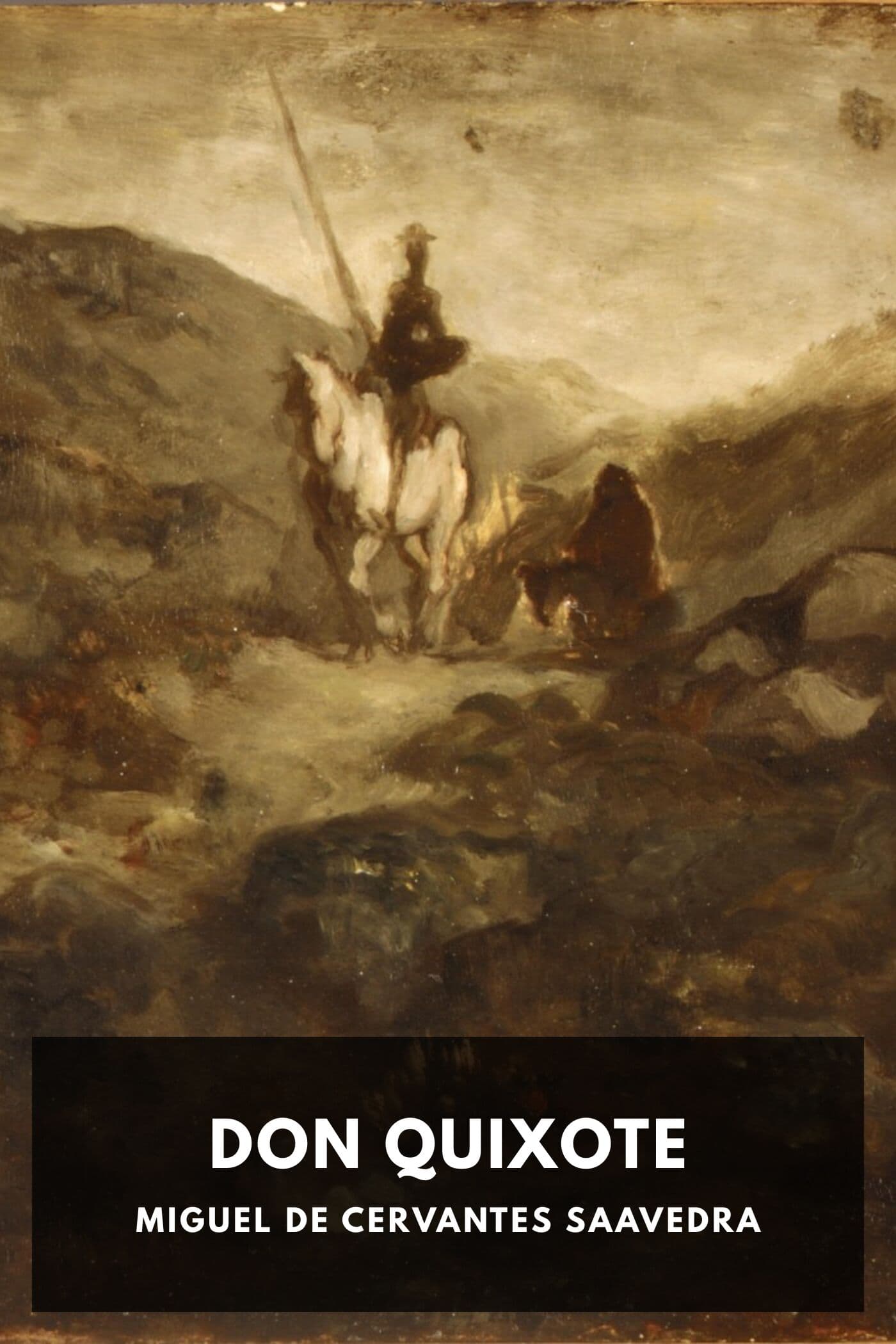
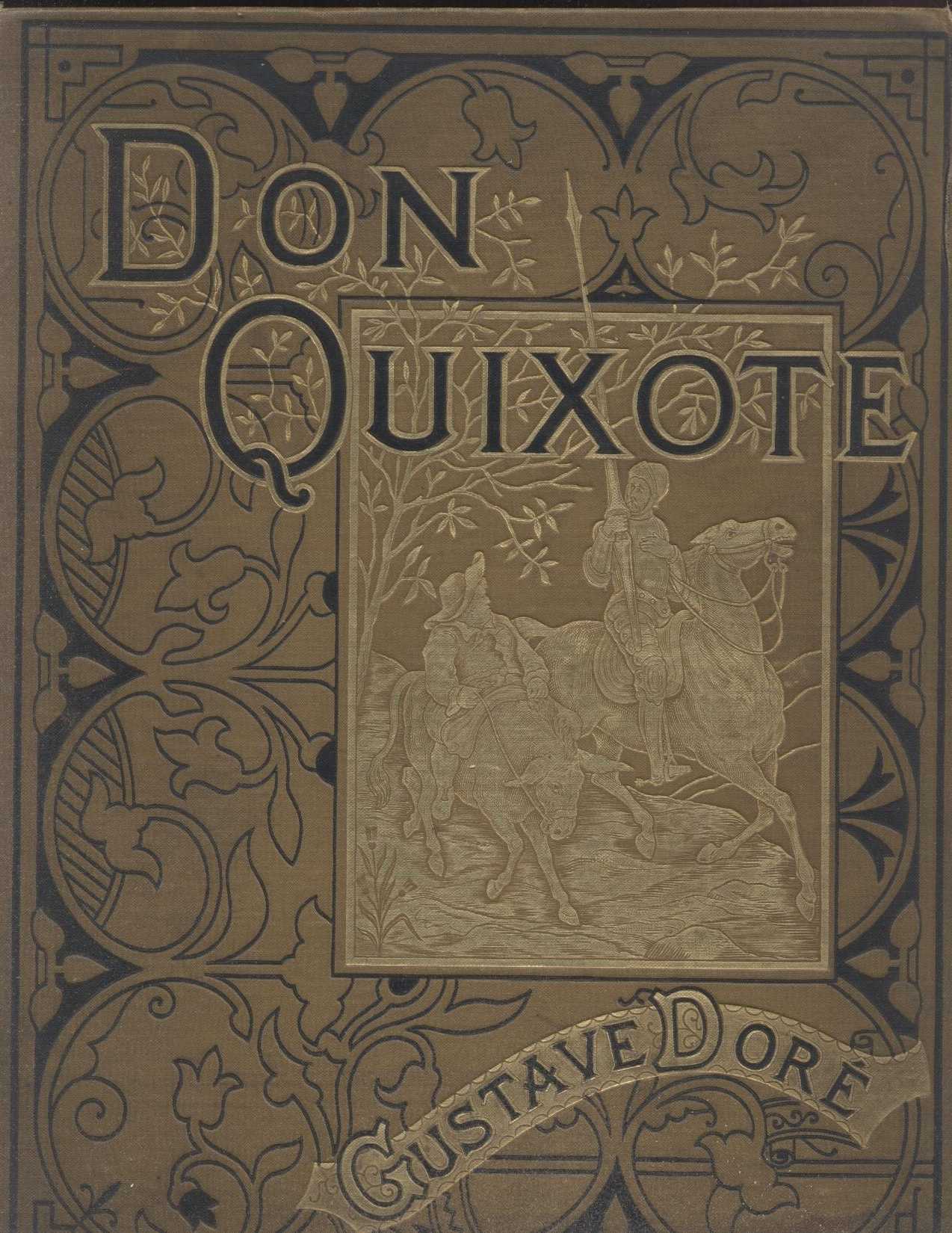
Cervantes achieved something miraculous: a book that makes you laugh at a man while simultaneously breaking your heart. Don Quixote, a rural Spanish gentleman, has lost his mind to chivalric romances so thoroughly that he believes he must become a knight-errant himself, riding forth to restore honor to a world that has forgotten it. In this section, our deluded hero receives his knighthood at a lowly inn, then immediately sets about "rescuing" a servant boy from his cruel master - only to make the boy's situation infinitely worse through his bumbling intervention. Later, he confronts a group of traders, demanding they acknowledge the beauty of his imaginary lady Dulcinea, and is soundly thrashed for his impudence. Yet despite every humiliation, every beating, every fall from his ancient horse Rocinante, Quixote returns to his fantasies more devoted than ever. This is the profound paradox at the novel's heart: the man is utterly ridiculous, yet his stubborn insistence that beauty, honor, and glory still matter feels like an accusation against a world too cynical to dream. Four centuries later, we still recognize him - the idealist who refuses to let reality win.
Editions
Link to this book
Add a free, dofollow link to Lex on your blog, forum, syllabus, or reading list.

<a href="https://lex-books.com/book/the-history-of-don-quixote-volume-1-part-02-6243b232-aed0-4bd3-8828-5c1d48b054a7"><img src="https://lex-books.com/badges/read-on-lex.svg" alt="Read The History of Don Quixote, Volume 1, Part 02 by Miguel de Cervantes Saavedra free on Lex" width="160" height="40"></a>[](https://lex-books.com/book/the-history-of-don-quixote-volume-1-part-02-6243b232-aed0-4bd3-8828-5c1d48b054a7)[url=https://lex-books.com/book/the-history-of-don-quixote-volume-1-part-02-6243b232-aed0-4bd3-8828-5c1d48b054a7][img]https://lex-books.com/badges/read-on-lex.svg[/img][/url]Read The History of Don Quixote, Volume 1, Part 02 by Miguel de Cervantes Saavedra free on Lex: https://lex-books.com/book/the-history-of-don-quixote-volume-1-part-02-6243b232-aed0-4bd3-8828-5c1d48b054a7Cite this book
Reading this edition for a paper or guide? Copy a citation.
Saavedra, Miguel de Cervantes. The History of Don Quixote, Volume 1, Part 02. Lex, lex-books.com/book/the-history-of-don-quixote-volume-1-part-02-6243b232-aed0-4bd3-8828-5c1d48b054a7.Saavedra, M. D. C. (1615). The History of Don Quixote, Volume 1, Part 02. Lex. https://lex-books.com/book/the-history-of-don-quixote-volume-1-part-02-6243b232-aed0-4bd3-8828-5c1d48b054a7Saavedra, Miguel de Cervantes. The History of Don Quixote, Volume 1, Part 02. Lex. https://lex-books.com/book/the-history-of-don-quixote-volume-1-part-02-6243b232-aed0-4bd3-8828-5c1d48b054a7.