The History of Don Quixote, Volume 2, Part 37
1605
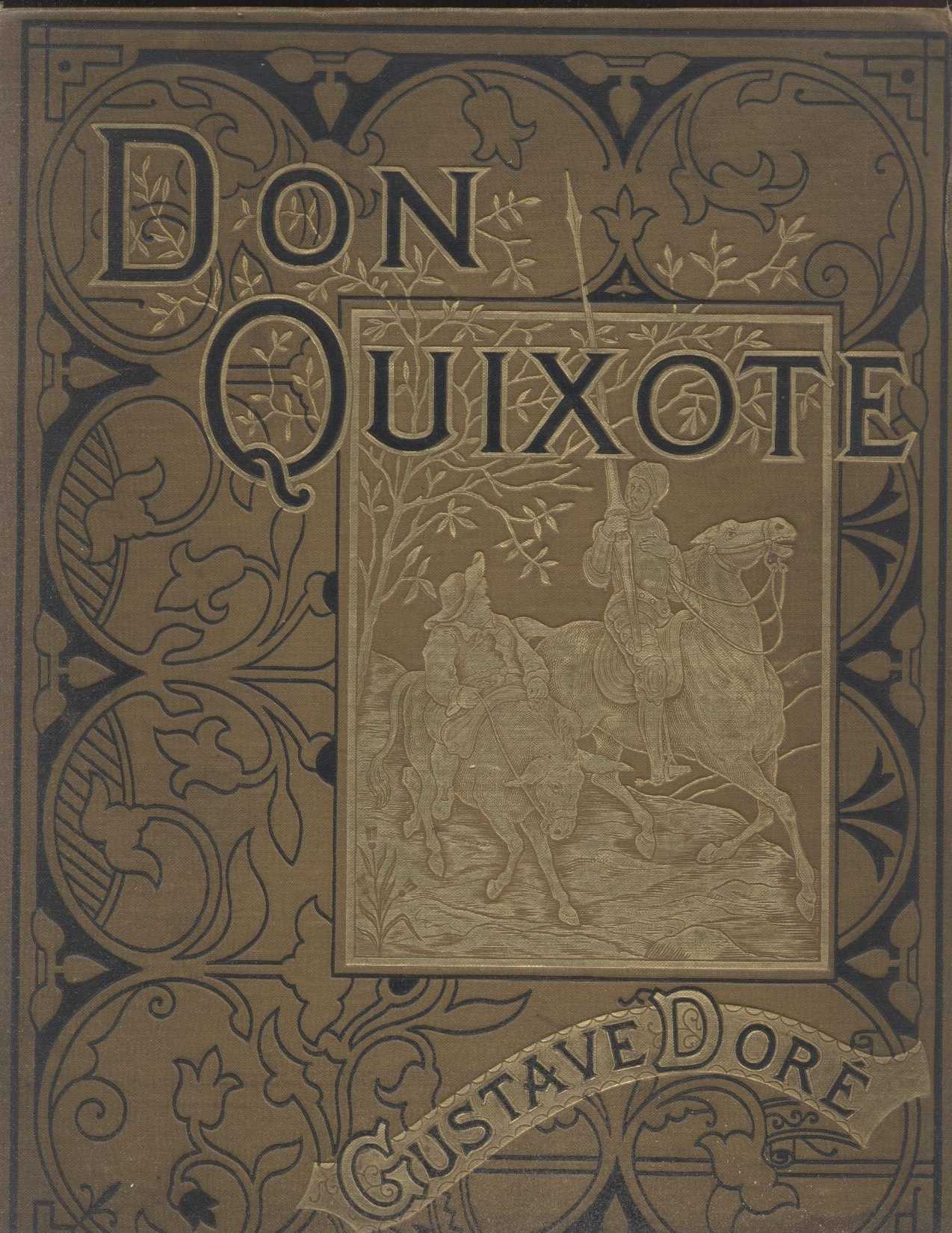
The History of Don Quixote, Volume 2, Part 37
1605
Translated by John Ormsby
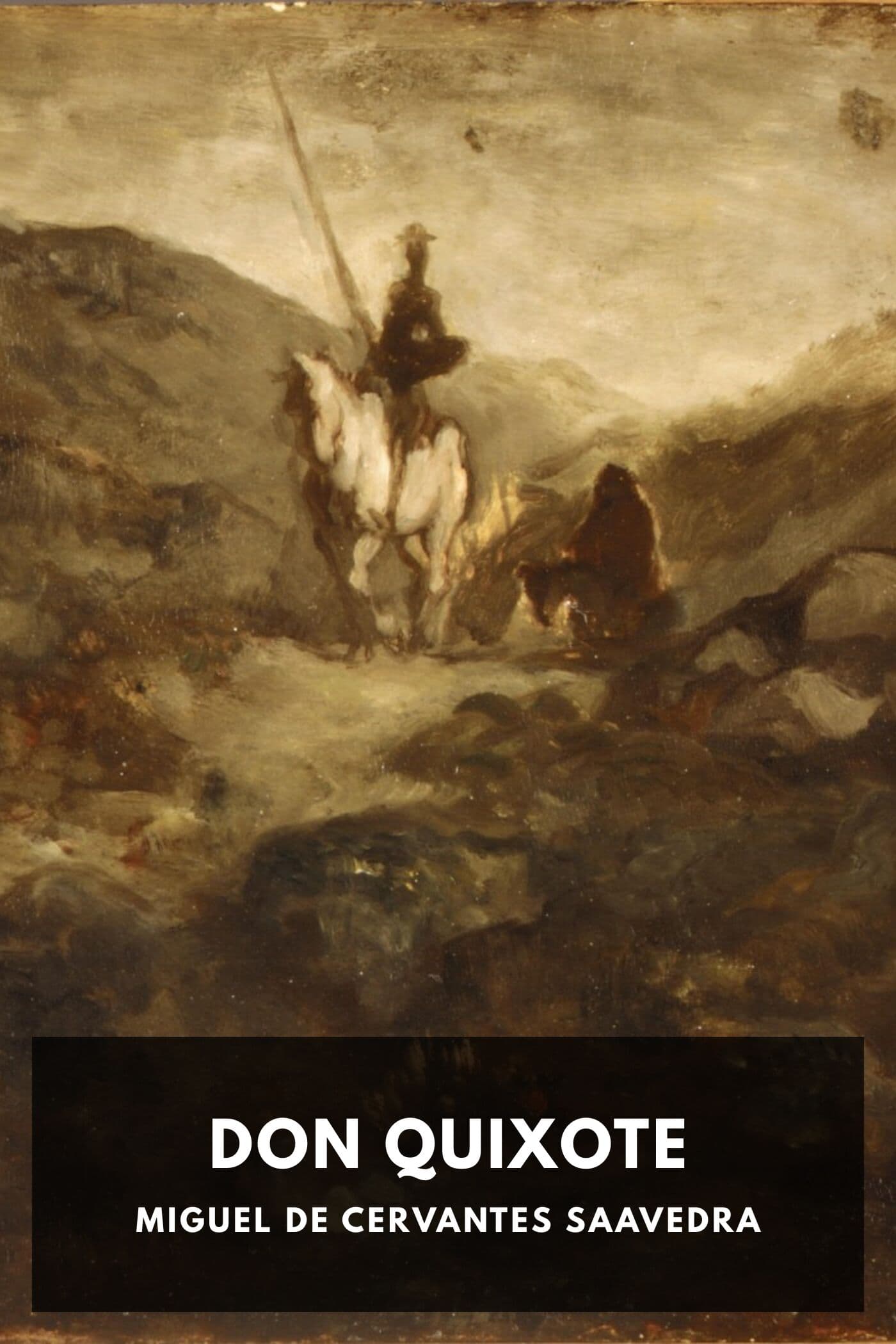
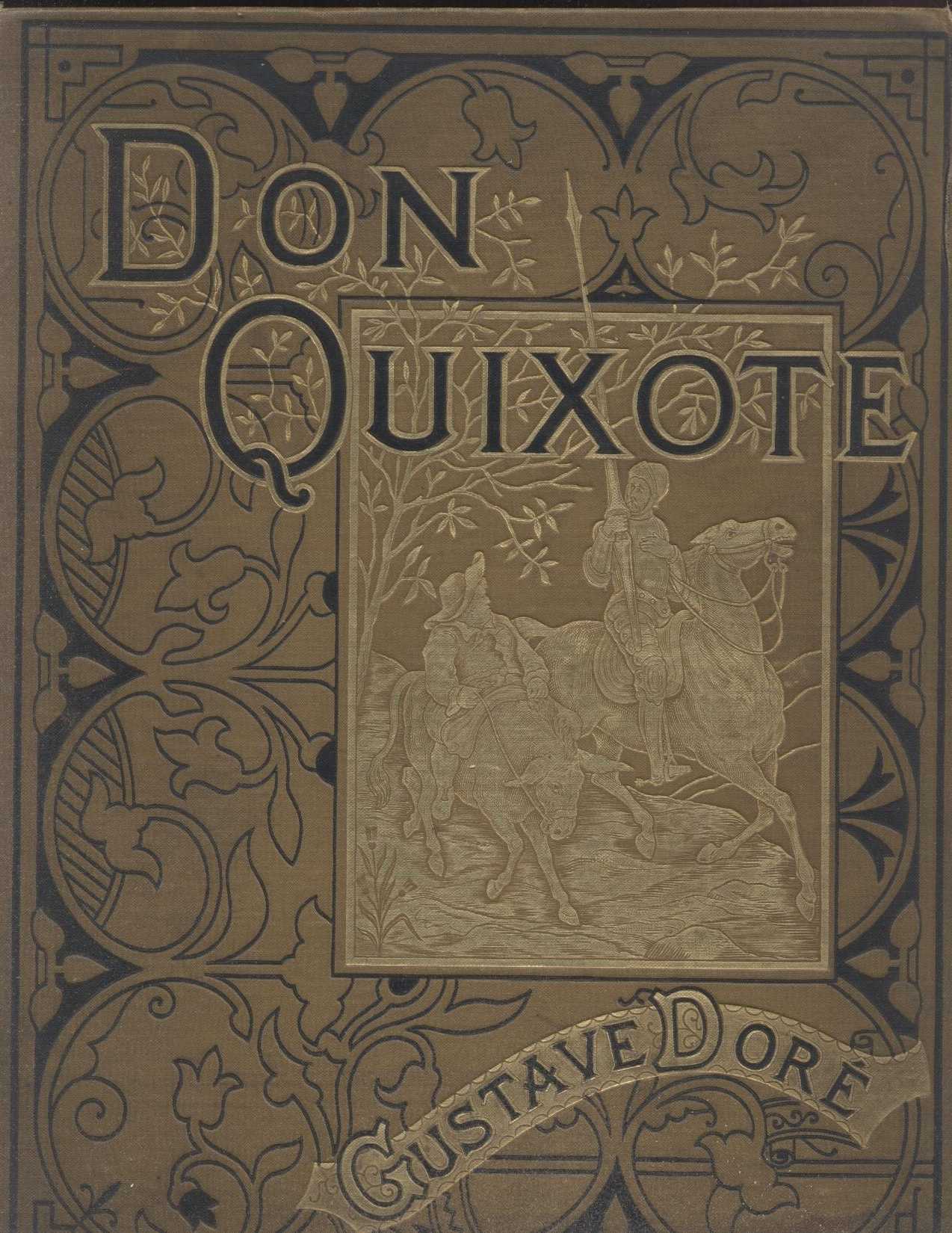
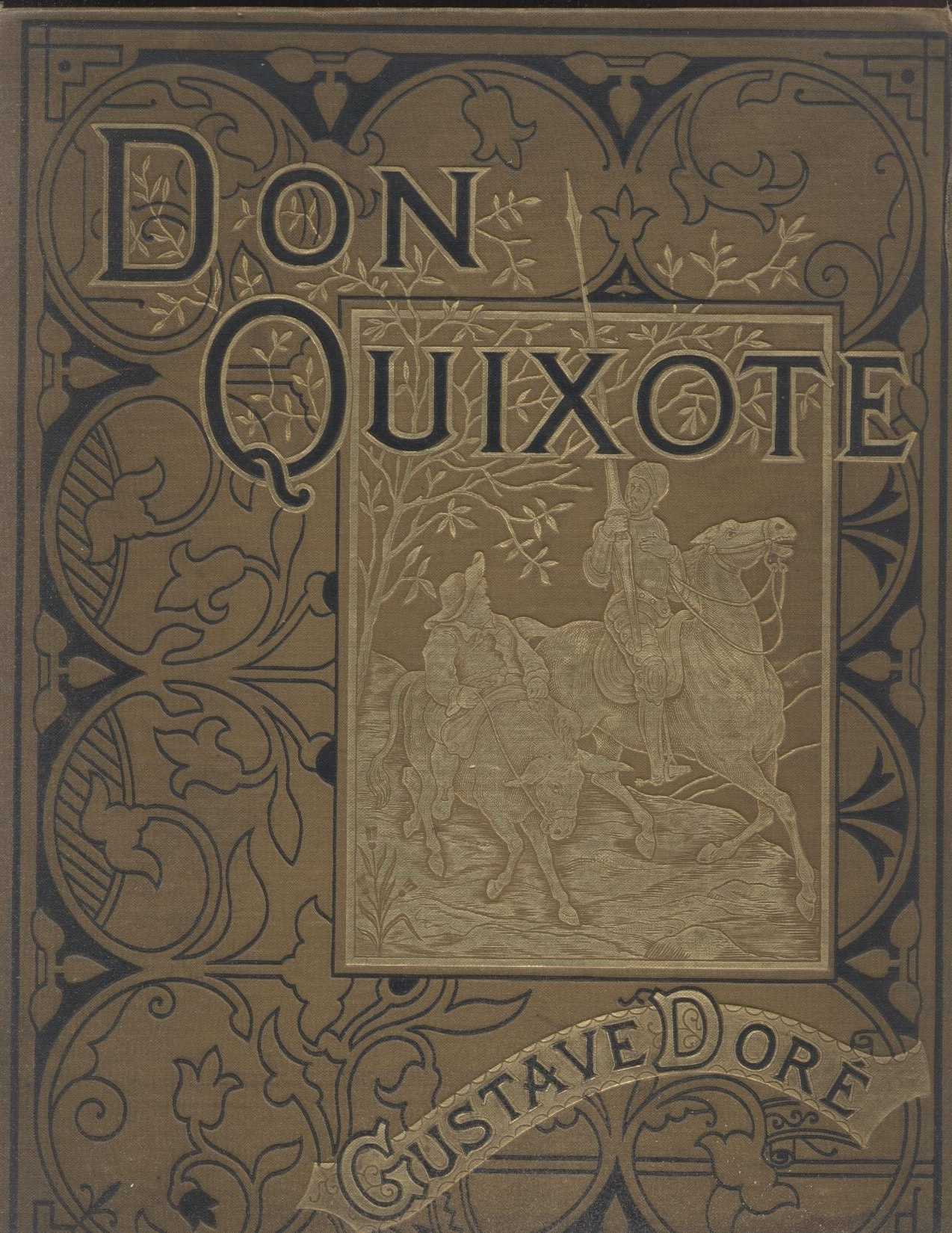
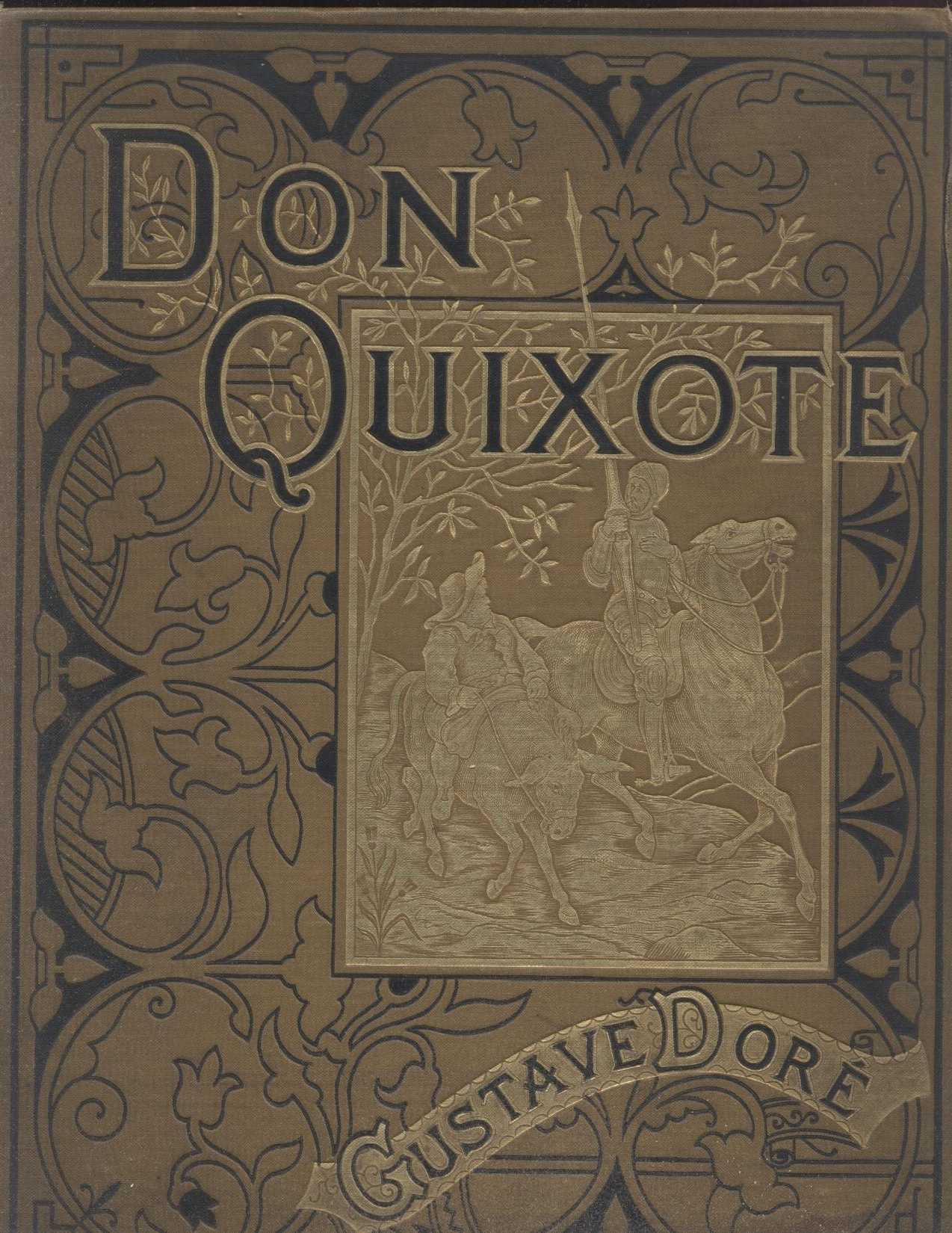
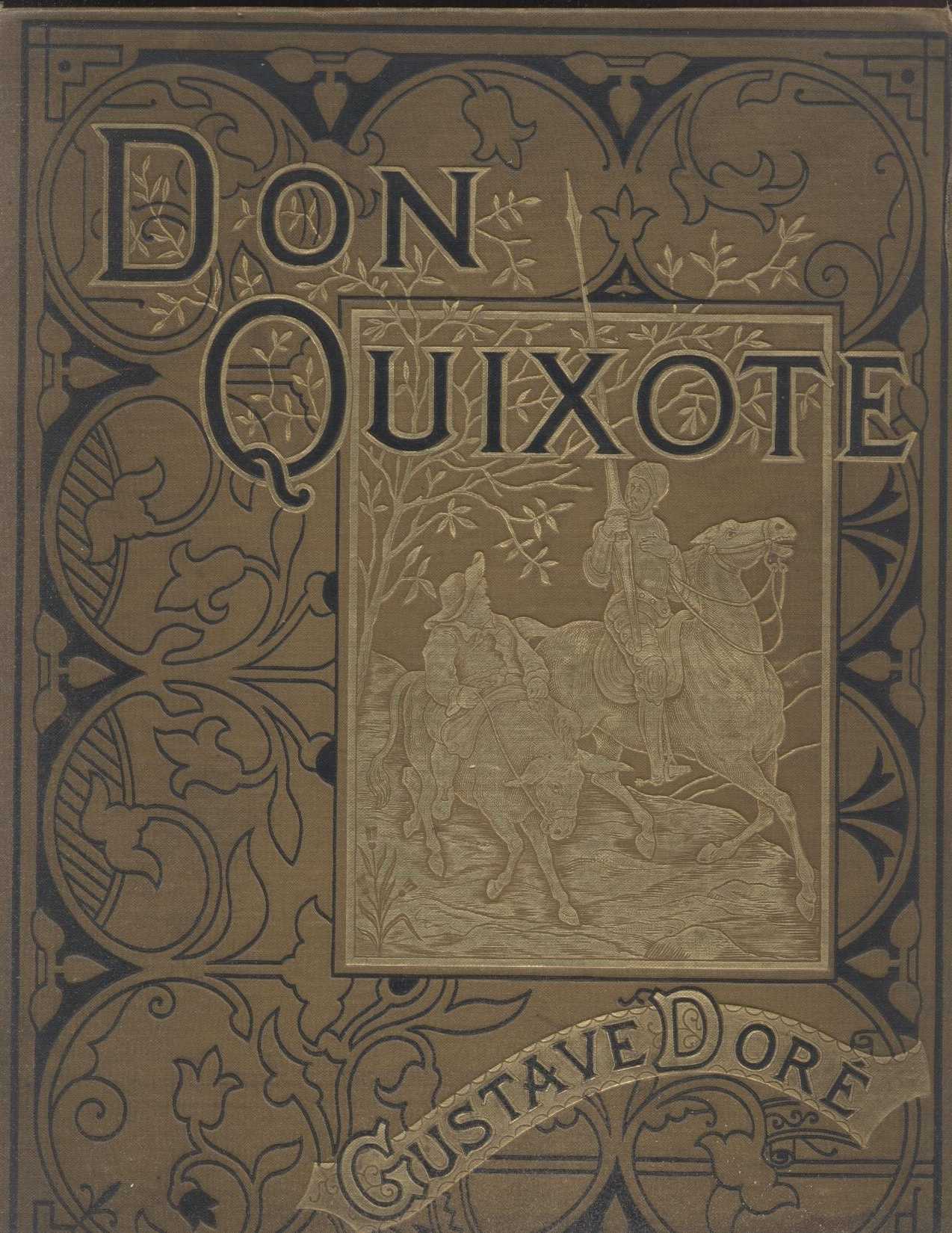
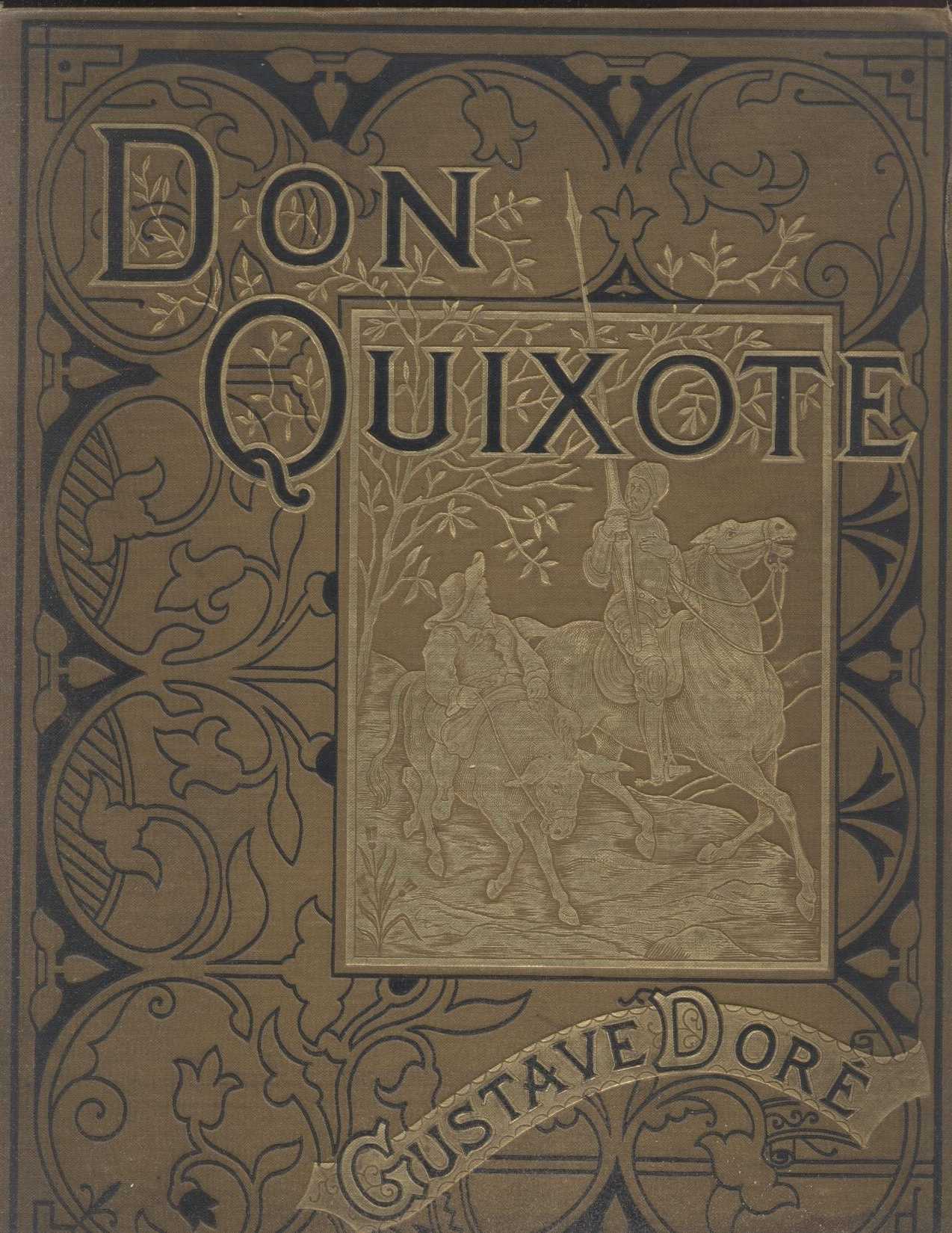
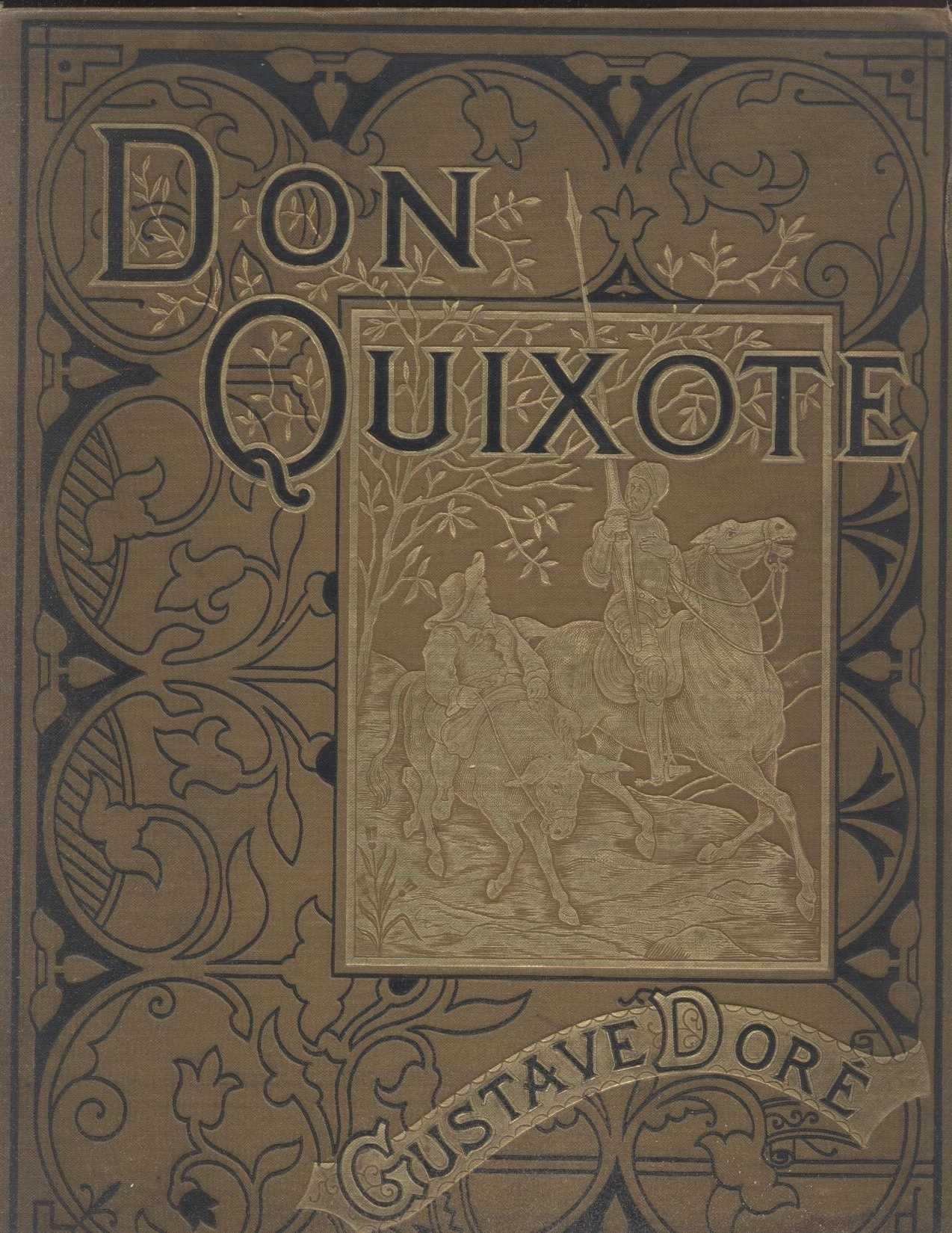
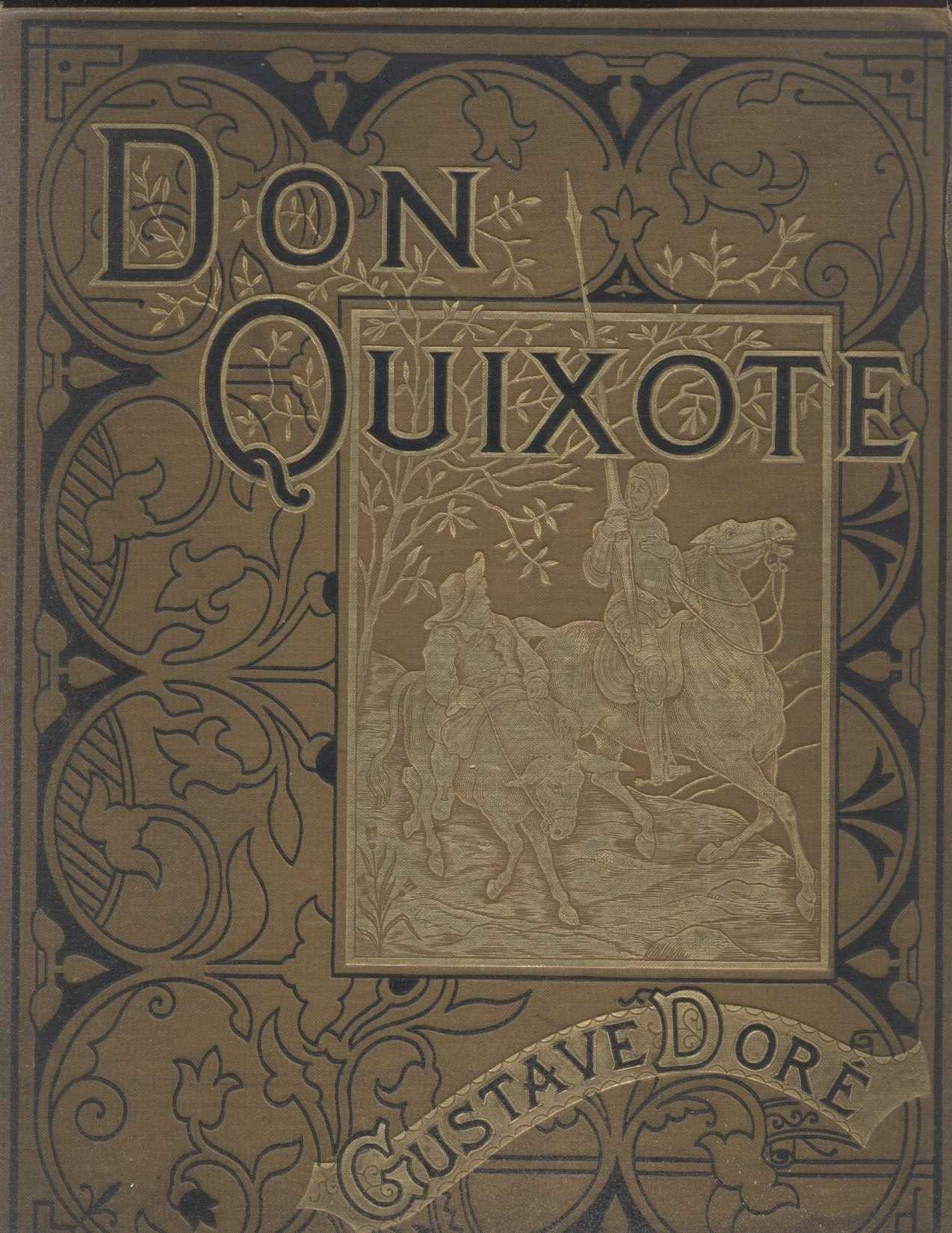
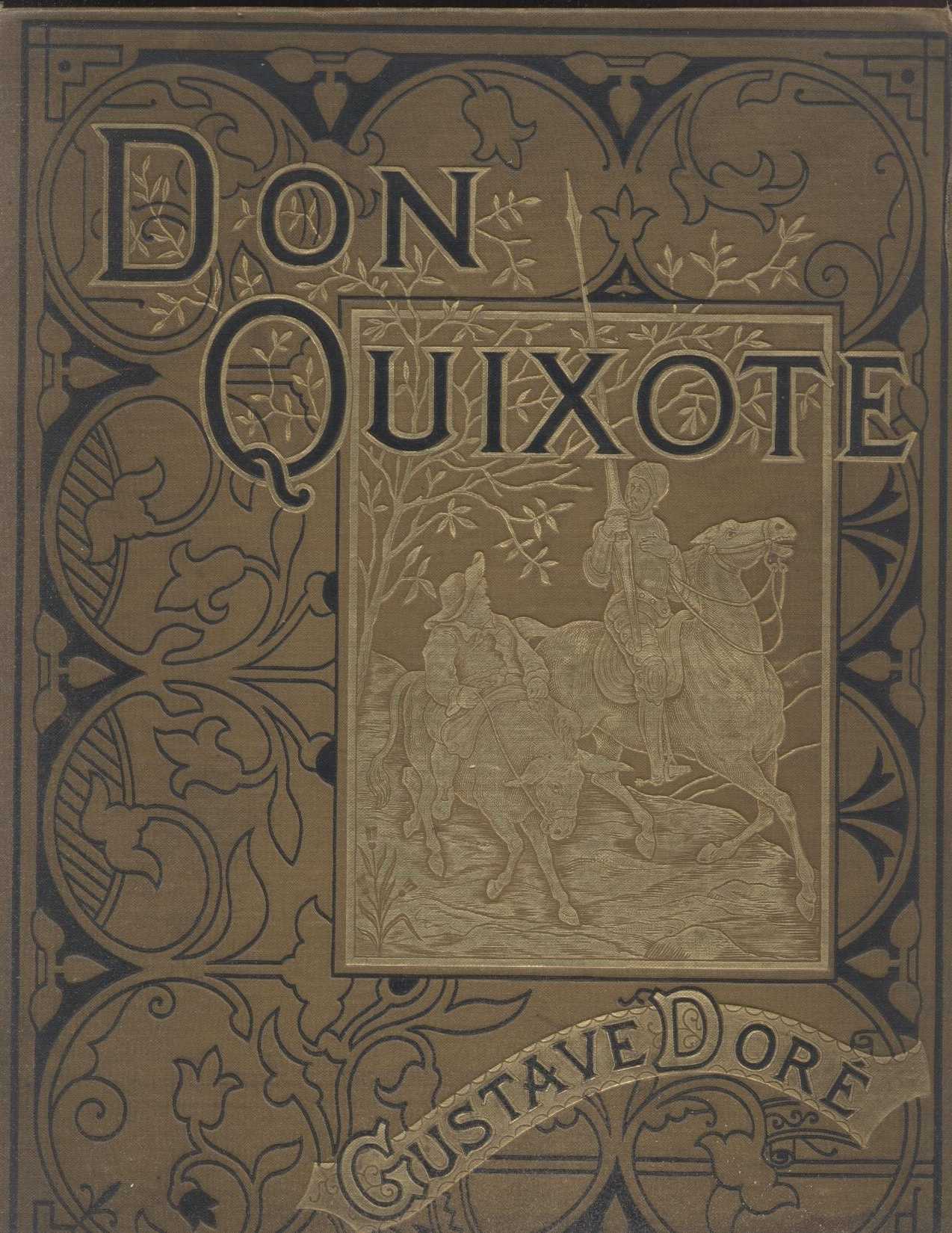
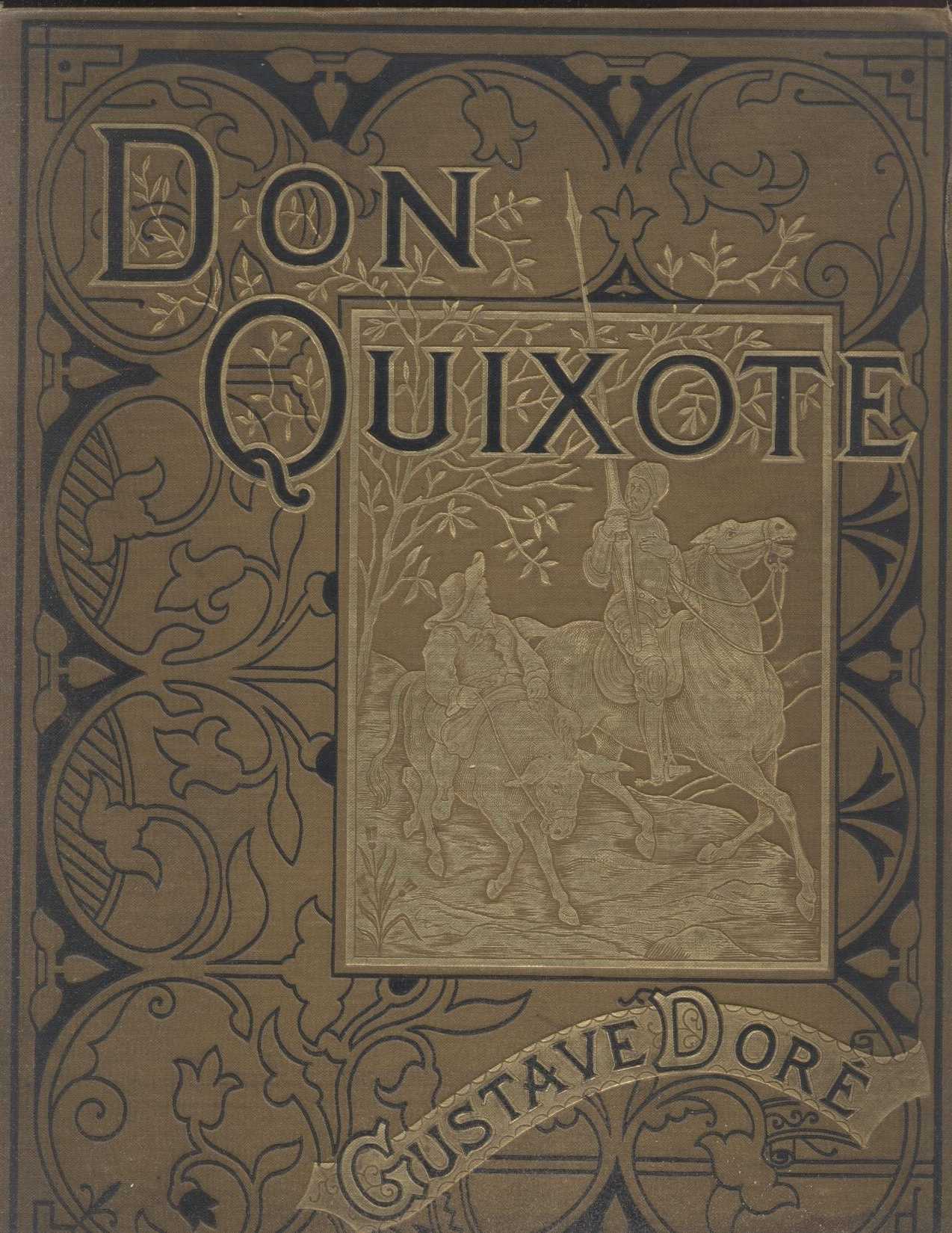
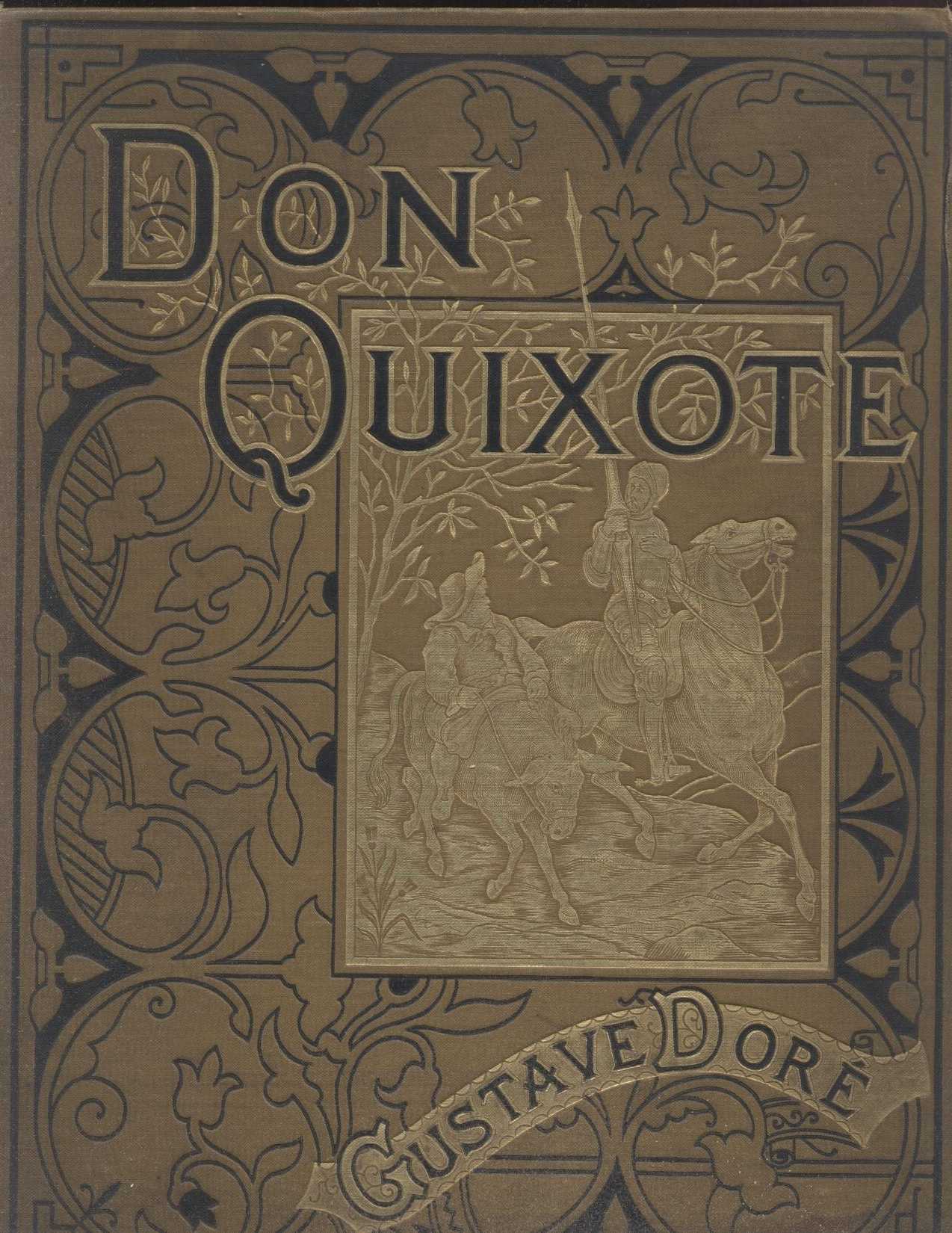
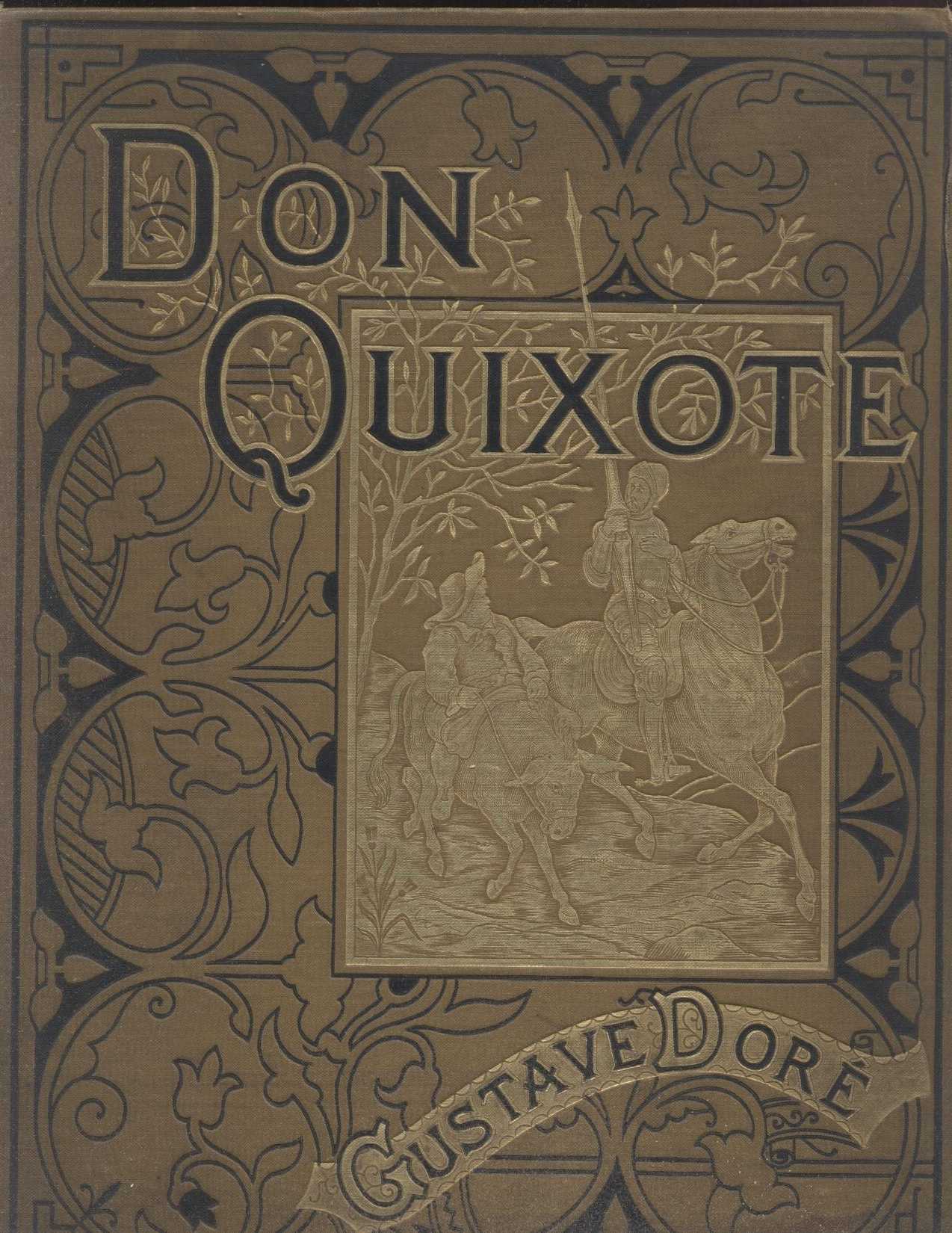
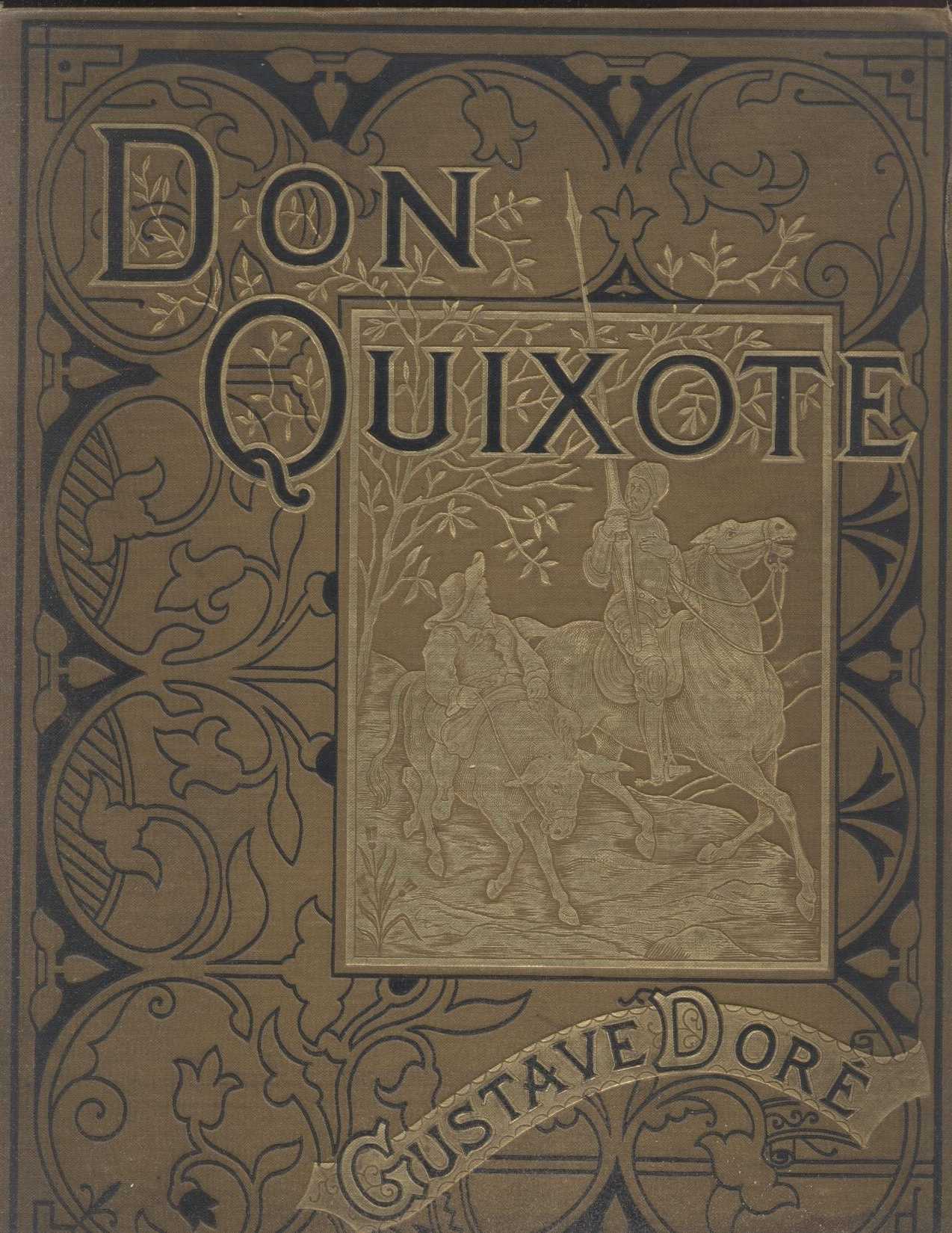
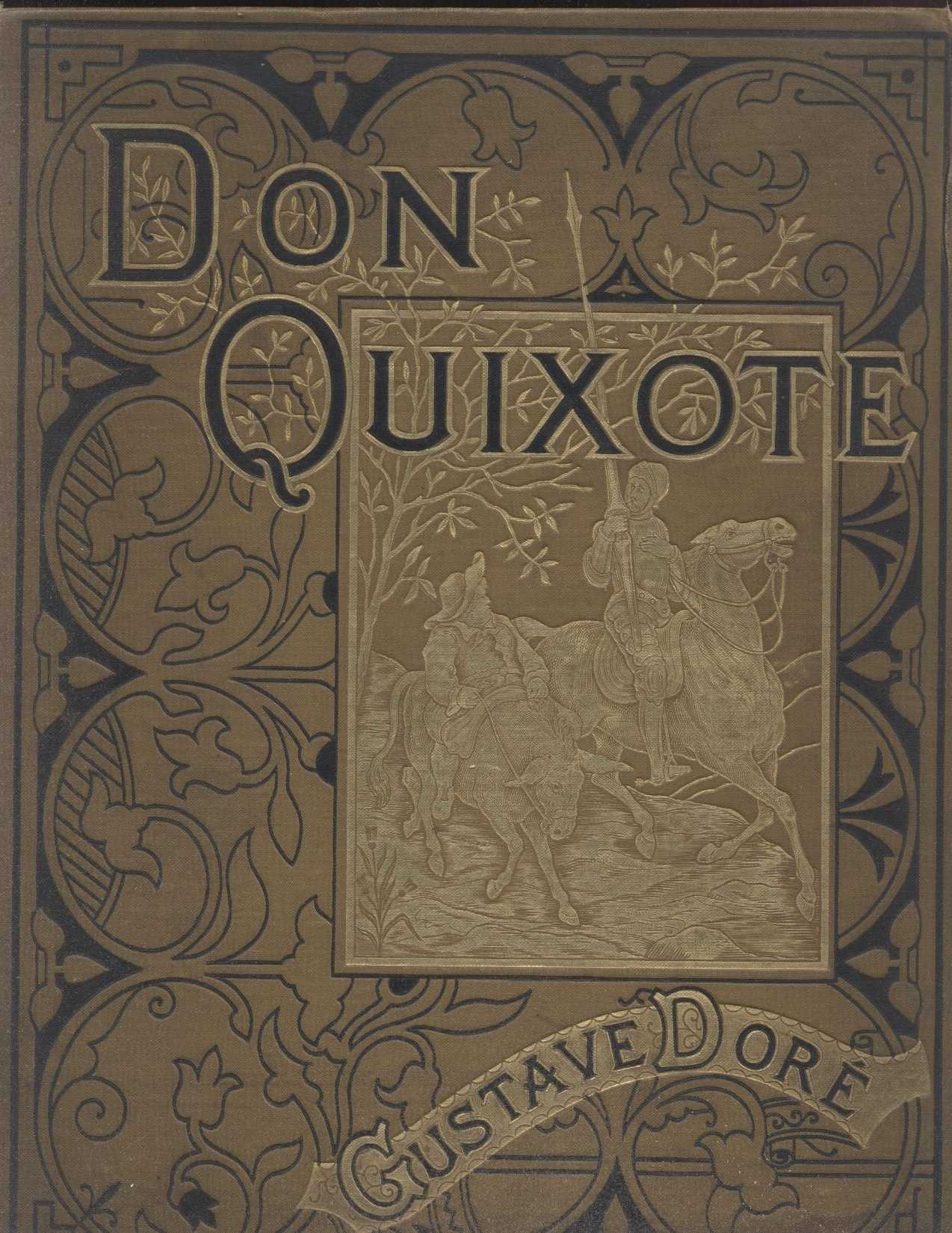
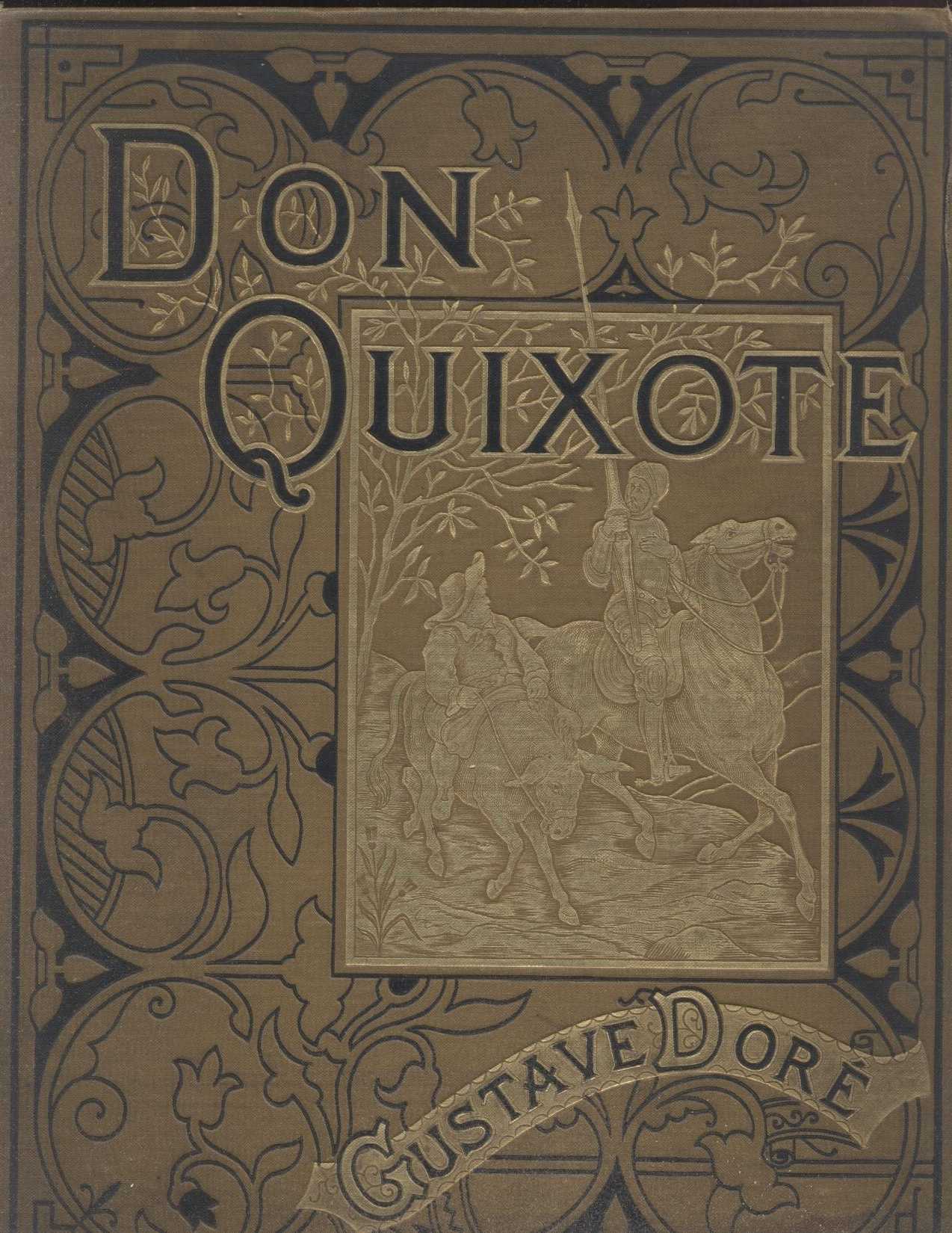
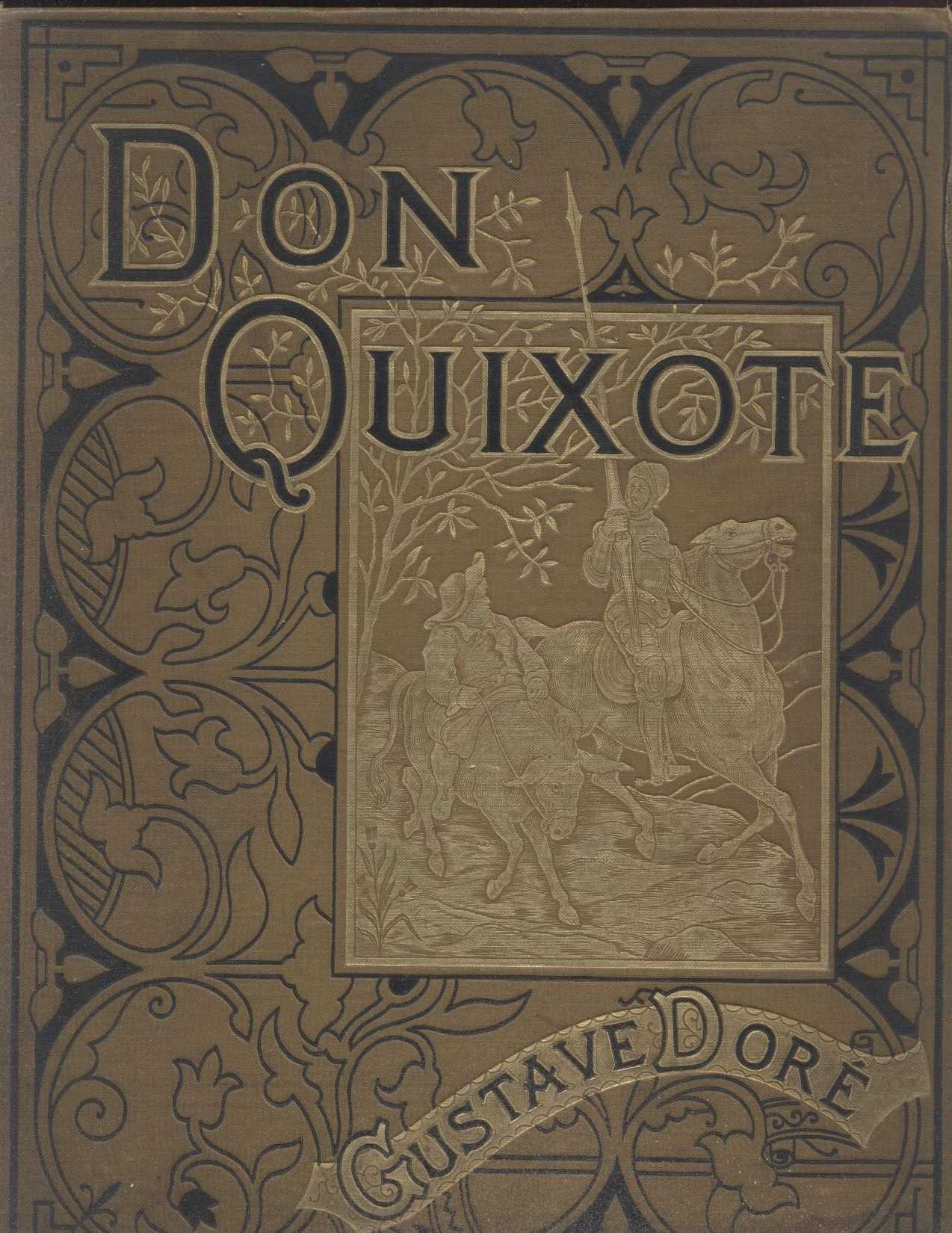
Barcelona greets its most famous knight errant with fanfare that feels almost like worship, until you notice the laughter lurking at the edges. Don Quixote rides in imagining tournaments and damsels in distress, but the city has already written its own story about him: part legend, part joke, entirely impossible to escape. When mischievous children set his horse and Sancho's donkey into chaos, both man and squire come tumbling down in full view of their audience. The tumble is brief, the humiliation complete, yet somehow the knight rises again, dusts himself off, and resumes his noble declarations as if nothing happened. This is the cruel arithmetic of Quixote's existence: the world sees the costume and forgets the man inside it. Cervantes finds comedy in the catastrophe, but also something deeper, something like grief for a man who cannot stop being himself, even when being himself is the thing that destroys him.
Editions
Link to this book
Add a free, dofollow link to Lex on your blog, forum, syllabus, or reading list.

<a href="https://lex-books.com/book/the-history-of-don-quixote-volume-2-part-37-5e34e4ea-d9eb-4b8b-8dac-83de0d002123"><img src="https://lex-books.com/badges/read-on-lex.svg" alt="Read The History of Don Quixote, Volume 2, Part 37 by Miguel de Cervantes Saavedra free on Lex" width="160" height="40"></a>[](https://lex-books.com/book/the-history-of-don-quixote-volume-2-part-37-5e34e4ea-d9eb-4b8b-8dac-83de0d002123)[url=https://lex-books.com/book/the-history-of-don-quixote-volume-2-part-37-5e34e4ea-d9eb-4b8b-8dac-83de0d002123][img]https://lex-books.com/badges/read-on-lex.svg[/img][/url]Read The History of Don Quixote, Volume 2, Part 37 by Miguel de Cervantes Saavedra free on Lex: https://lex-books.com/book/the-history-of-don-quixote-volume-2-part-37-5e34e4ea-d9eb-4b8b-8dac-83de0d002123Cite this book
Reading this edition for a paper or guide? Copy a citation.
Saavedra, Miguel de Cervantes. The History of Don Quixote, Volume 2, Part 37. Lex, lex-books.com/book/the-history-of-don-quixote-volume-2-part-37-5e34e4ea-d9eb-4b8b-8dac-83de0d002123.Saavedra, M. D. C. (1605). The History of Don Quixote, Volume 2, Part 37. Lex. https://lex-books.com/book/the-history-of-don-quixote-volume-2-part-37-5e34e4ea-d9eb-4b8b-8dac-83de0d002123Saavedra, Miguel de Cervantes. The History of Don Quixote, Volume 2, Part 37. Lex. https://lex-books.com/book/the-history-of-don-quixote-volume-2-part-37-5e34e4ea-d9eb-4b8b-8dac-83de0d002123.