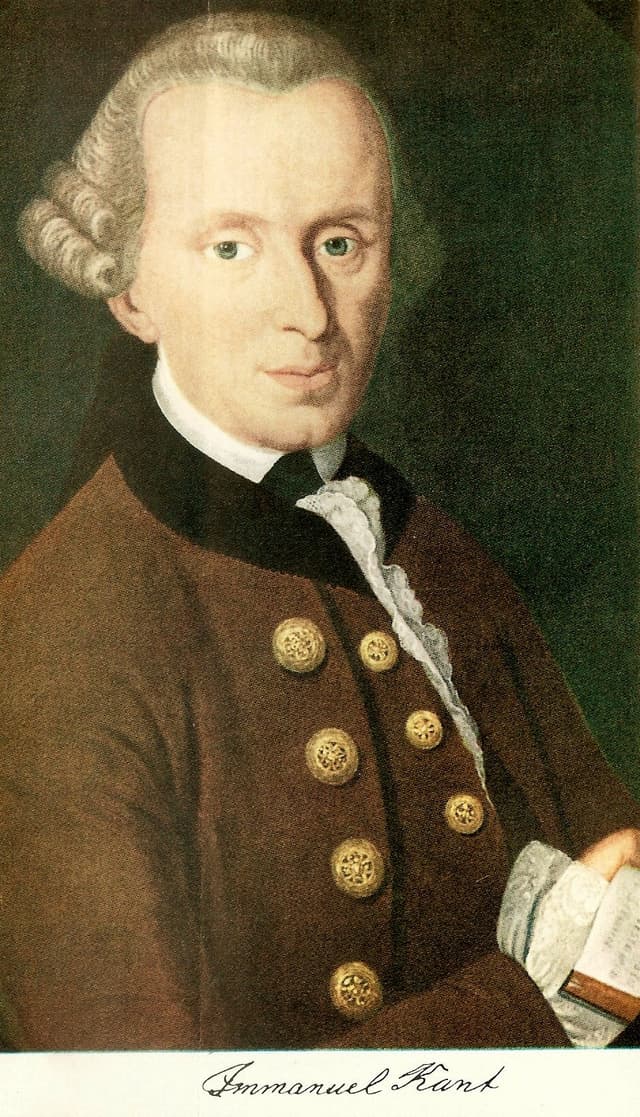
Immanuel Kant
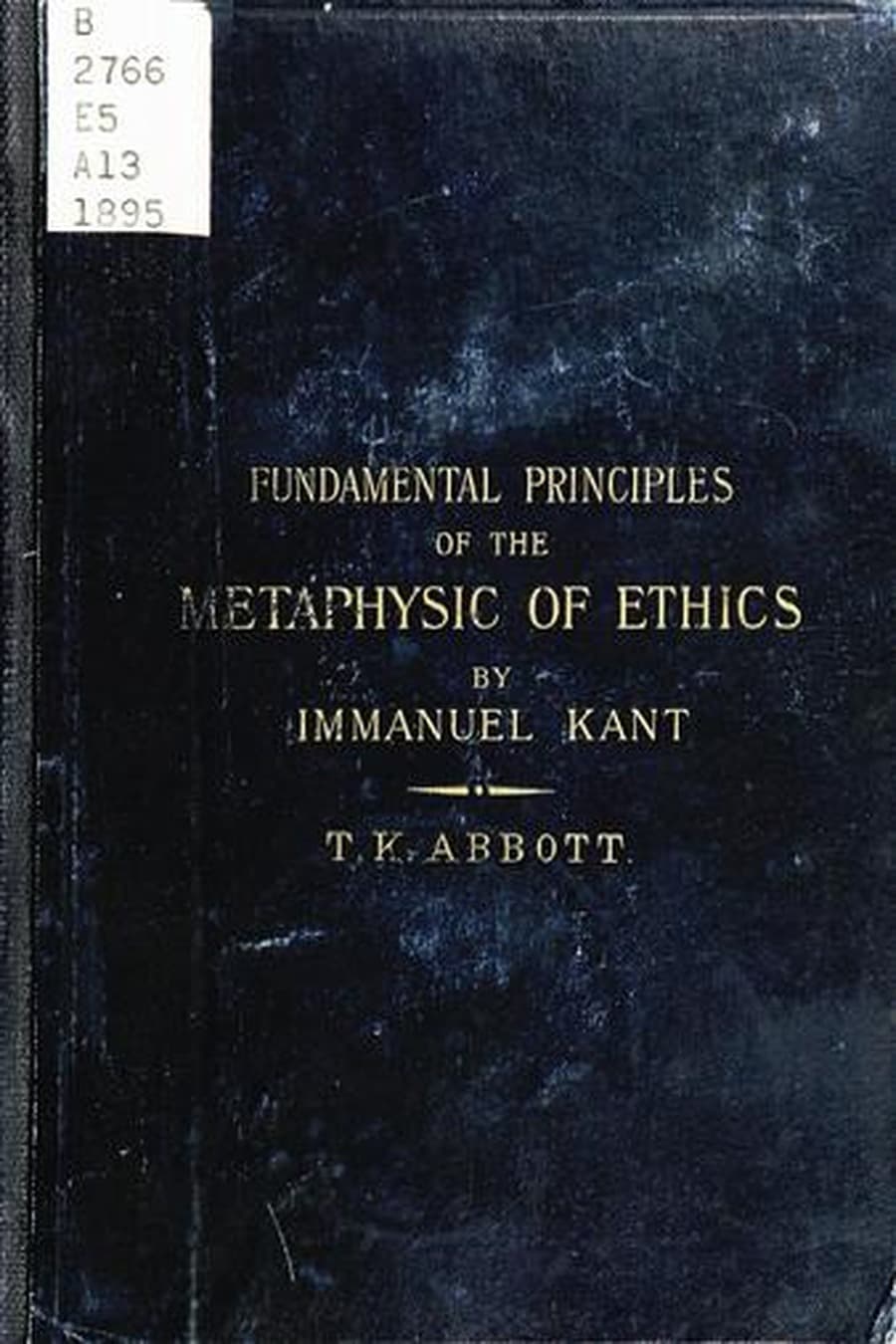
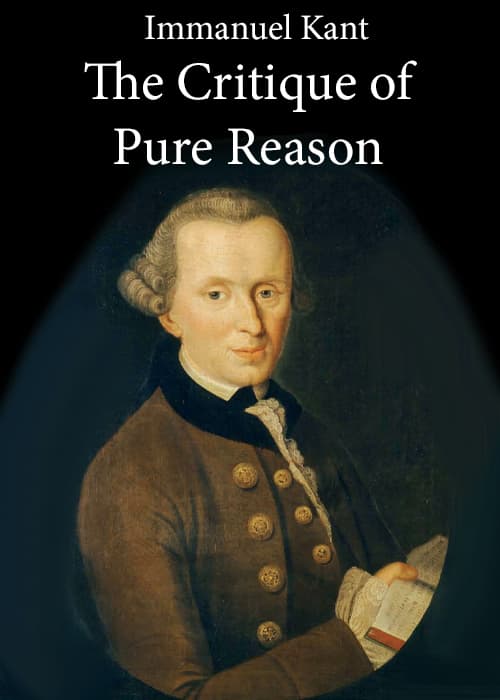
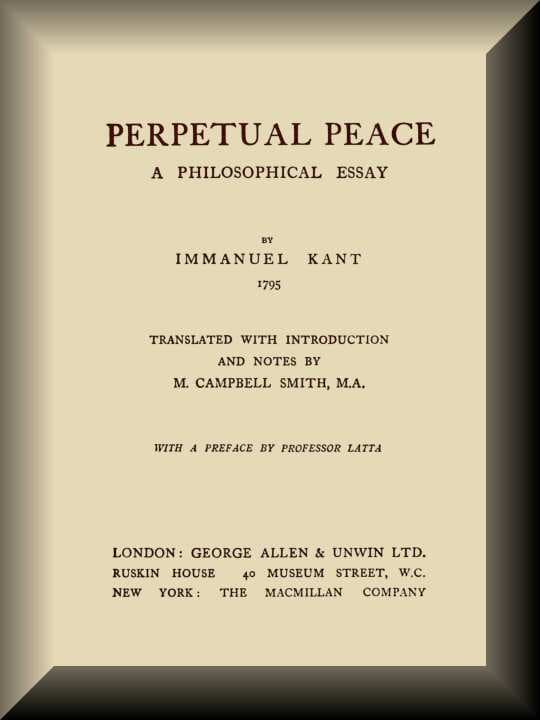
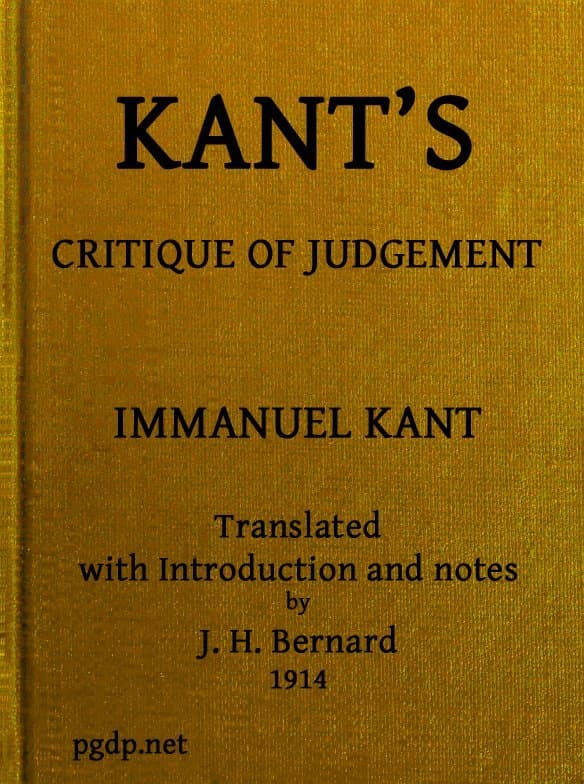
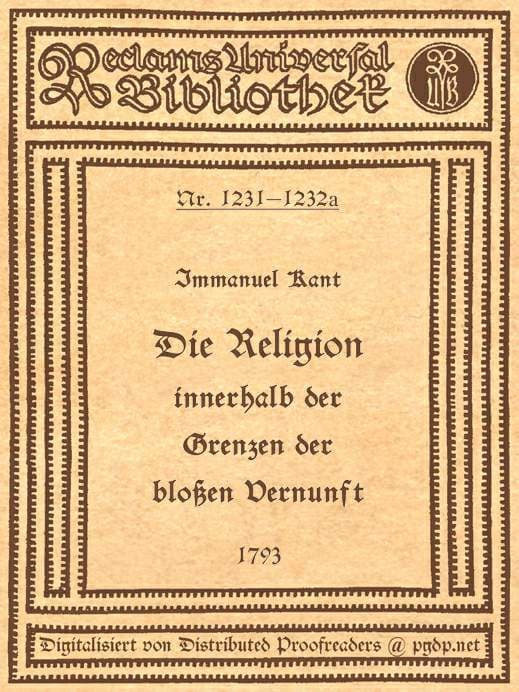
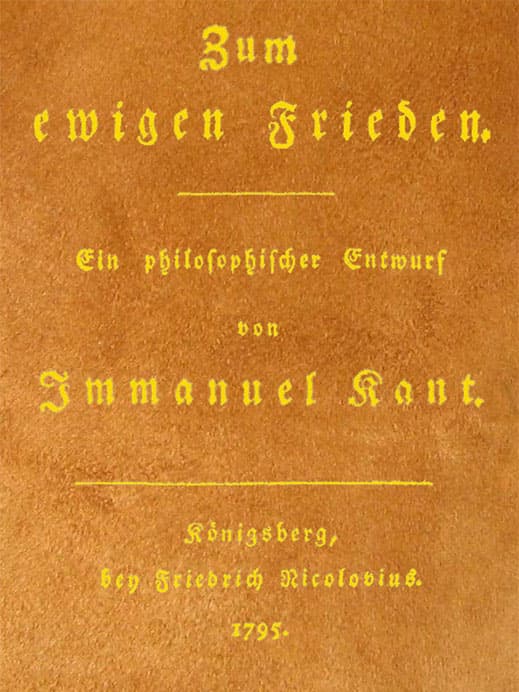
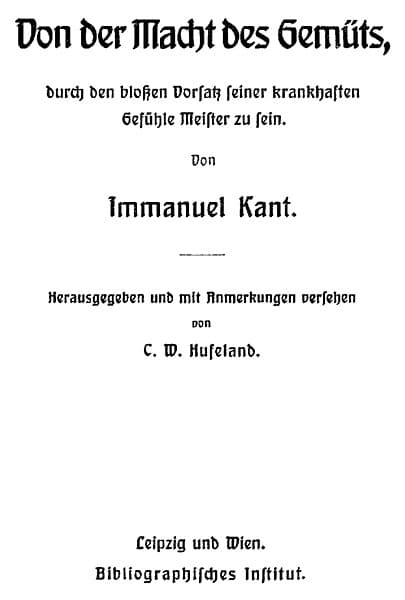
Immanuel Kant was a pivotal German philosopher whose ideas shaped the landscape of modern Western philosophy. Born in Königsberg, he emerged as a central figure of the Enlightenment, renowned for his systematic exploration of epistemology, metaphysics, ethics, and aesthetics. His most significant work, the 'Critique of Pure Reason,' published in 1781 and revised in 1787, challenged the prevailing skepticism of his time by proposing a revolutionary framework known as transcendental idealism. Kant argued that space and time are not inherent qualities of the external world but rather forms of intuition that structure human experience, positing that we can only know the world as it appears to us, not as it is in itself. Kant's philosophical contributions extended beyond epistemology; he also laid the groundwork for modern ethical theory, asserting that reason is the foundation of morality. His ideas on aesthetics emphasized the role of disinterested judgment in appreciating beauty. Moreover, Kant's vision of a cosmopolitan world was articulated through his advocacy for perpetual peace, which he believed could be achieved through an international federation of republican states. Despite his significant contributions, his legacy is complicated by his earlier views on race, which he later revised. Kant's profound influence continues to resonate in contemporary philosophical discourse, marking him as a cornerstone of Enlightenment thought.
Famous Quotes
View all 20 quotes“We are not rich by what we possess but by what we can do without.””
“Act in such a way that you treat humanity, whether in your own person or in the person of any other, never merely as a means to an end, but always at the same time as an end.””
“Enlightenment is man's release from his self-incurred tutelage. Tutelage is man's inability to make use of his understanding without direction from another. Self-incurred is this tutelage when its cause lies not in lack of reason but in lack of resolution and courage to use it without direction from another. Sapere aude! 'Have courage to use your own reason!'- that is the motto of enlightenment.””
Books from the author







Link to this page
Add a free, dofollow link to Lex on your blog, forum, syllabus, or reading list.

<a href="https://lex-books.com/author/immanuel-kant"><img src="https://lex-books.com/badges/read-on-lex.svg" alt="Immanuel Kant on Lex" width="160" height="40"></a>[](https://lex-books.com/author/immanuel-kant)[url=https://lex-books.com/author/immanuel-kant][img]https://lex-books.com/badges/read-on-lex.svg[/img][/url]Immanuel Kant on Lex: https://lex-books.com/author/immanuel-kant