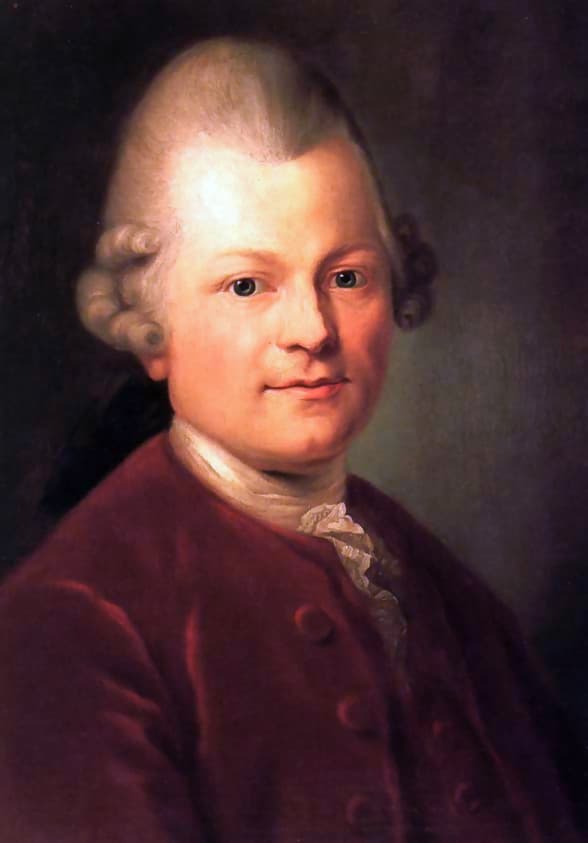
Gotthold Ephraim Lessing
Gotthold Ephraim Lessing was a pivotal figure of the German Enlightenment, renowned for his contributions as a philosopher, dramatist, and art critic. Born in 1729, he played a crucial role in shaping German literature through his innovative ideas and theatrical works. Lessing's most notable plays, such as 'Nathan the Wise' and 'Emilia Galotti,' tackled themes of religious tolerance and moral integrity, reflecting the Enlightenment's emphasis on reason and humanity. His approach to drama was groundbreaking; he is often credited as the first dramaturg, a title that emerged from his influential work 'Hamburg Dramaturgy,' where he examined the nature of theatre and its societal role. Lessing's legacy extends beyond his literary achievements; he was a champion of intellectual freedom and critical thinking. His writings laid the groundwork for modern literary criticism and theatre production, influencing future generations of writers and thinkers. Through his advocacy for religious tolerance and rational discourse, Lessing helped to foster a more open and progressive cultural landscape in Europe. His impact on the arts and philosophy remains significant, marking him as a central figure in the history of German literature and Enlightenment thought.
Famous Quotes
View all 3 quotes“The search for truth is more precious than its possession.”
“Think wrongly, if you please, but in all cases think for yourself.”
“The true value of man is not determined by his possession, supposed or real, of Truth, but rather by his sincere exertion to get to the Truth. It is not possession of Truth by which he extends his powers and in which his ever-growing perfectability is to be found. Possession makes one passive, indolent and proud. If God were to hold all Truth concealed in his right hand, and in his left only the steady and diligent drive for Truth, albeit with the proviso that I would always and forever err in the process, and to offer me the choice, I would with all humility take the left hand.”
Books from the author


Link to this page
Add a free, dofollow link to Lex on your blog, forum, syllabus, or reading list.

<a href="https://lex-books.com/author/gotthold-ephraim-lessing"><img src="https://lex-books.com/badges/read-on-lex.svg" alt="Gotthold Ephraim Lessing on Lex" width="160" height="40"></a>[](https://lex-books.com/author/gotthold-ephraim-lessing)[url=https://lex-books.com/author/gotthold-ephraim-lessing][img]https://lex-books.com/badges/read-on-lex.svg[/img][/url]Gotthold Ephraim Lessing on Lex: https://lex-books.com/author/gotthold-ephraim-lessing