Kant's Gesammelte Schriften. Band V. Kritik Der Praktischen Vernunft.

Kant's Gesammelte Schriften. Band V. Kritik Der Praktischen Vernunft.
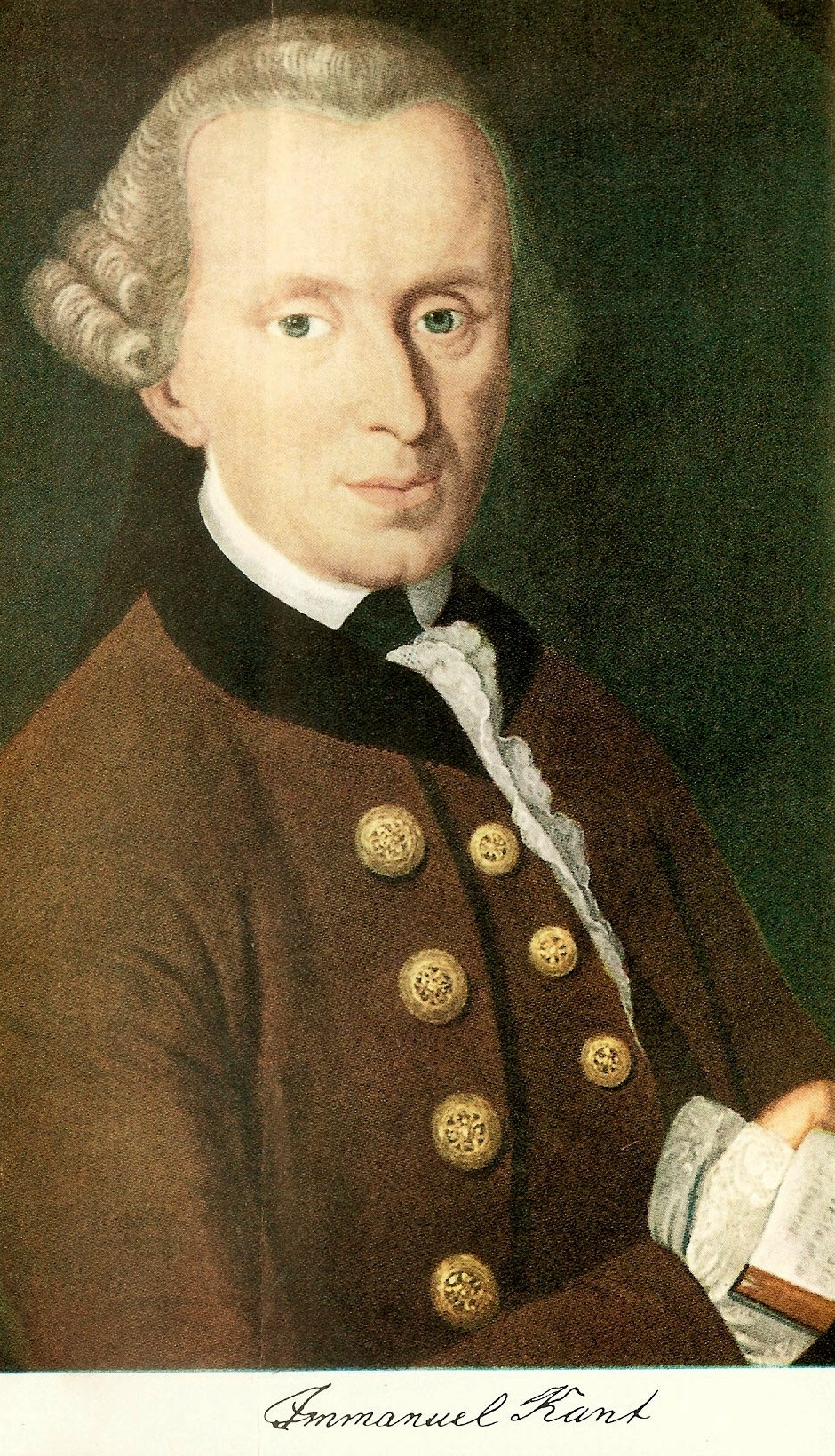
The second of Kant's three Critiques, this 1788 masterwork asks the question that would reshape modern ethics: what compels us to act morally, if not fear of consequences or the pull of desire? Kant's radical answer is that pure reason itself can determine the will, that rational beings possess a freedom grounded not in whim but in the capacity to obey universal moral law. Here Kant completes the architecture of his practical philosophy: the categorical imperative becomes the supreme principle of morality, and the dignity of the human person rests on the astonishing claim that we are ends in ourselves, never mere means. The "Second Critique" bridges the abstract metaphysics of the first work with concrete ethical life, arguing that the very freedom denied by theoretical reason becomes undeniable when we confront our moral agency. This is not a manual for the morally perplexed but a rigorous examination of what it means to be a rational creature who can, and must, legislate universal law. Its influence extends from contemporary bioethics to political theory, from debates about human rights to the foundations of modern democracy.
Editions

X-Ray
“Two things fill the mind with ever-increasing wonder and awe, the more often and the more intensely the mind of thought is drawn to them: the starry heavens above me and the moral law within me.””
— Immanuel Kant
“Two things fill the mind with ever new and increasing admiration and awe, the more often and steadily we reflect upon them: the starry heavens above me and the moral law within me. I do not seek or conjecture either of them as if they were veiled obscurities or extravagances beyond the horizon of my vision; I see them before me and connect them immediately with the consciousness of my existence.””
— Immanuel Kant
“of the will, which is a faculty either of producing objects corresponding to representations or of determining itself to effect such objects (whether the physical power is sufficient or not), that is, of determining its causality.””
— Immanuel Kant
“that there is and can be no a priori cognition at all.3 But there is no danger of this. It would be tantamount to someone’s wanting to prove by reason that there is no reason.””
— Immanuel Kant
“But this is a wretched subterfuge, by which some people still allow themselves to defer the issue, and think that by a little fiddling with words they have solved that difficult problem on the solution of which thousands of years have worked in vain, and which therefore can hardly be found so completely on the surface.””
— Immanuel Kant
Link to this book
Add a free, dofollow link to Lex on your blog, forum, syllabus, or reading list.

<a href="https://lex-books.com/book/kant-s-gesammelte-schriften-band-v-kritik-der-praktischen-vernunft-263f05a6-063c-4b4d-90c3-dbe05f28df9a"><img src="https://lex-books.com/badges/read-on-lex.svg" alt="Read Kant's Gesammelte Schriften. Band V. Kritik Der Praktischen Vernunft. by Immanuel Kant free on Lex" width="160" height="40"></a>[](https://lex-books.com/book/kant-s-gesammelte-schriften-band-v-kritik-der-praktischen-vernunft-263f05a6-063c-4b4d-90c3-dbe05f28df9a)[url=https://lex-books.com/book/kant-s-gesammelte-schriften-band-v-kritik-der-praktischen-vernunft-263f05a6-063c-4b4d-90c3-dbe05f28df9a][img]https://lex-books.com/badges/read-on-lex.svg[/img][/url]Read Kant's Gesammelte Schriften. Band V. Kritik Der Praktischen Vernunft. by Immanuel Kant free on Lex: https://lex-books.com/book/kant-s-gesammelte-schriften-band-v-kritik-der-praktischen-vernunft-263f05a6-063c-4b4d-90c3-dbe05f28df9aCite this book
Reading this edition for a paper or guide? Copy a citation.
Kant, Immanuel. Kant's Gesammelte Schriften. Band V. Kritik Der Praktischen Vernunft.. Lex, lex-books.com/book/kant-s-gesammelte-schriften-band-v-kritik-der-praktischen-vernunft-263f05a6-063c-4b4d-90c3-dbe05f28df9a.Kant, I. (n.d.). Kant's Gesammelte Schriften. Band V. Kritik Der Praktischen Vernunft.. Lex. https://lex-books.com/book/kant-s-gesammelte-schriften-band-v-kritik-der-praktischen-vernunft-263f05a6-063c-4b4d-90c3-dbe05f28df9aKant, Immanuel. Kant's Gesammelte Schriften. Band V. Kritik Der Praktischen Vernunft.. Lex. https://lex-books.com/book/kant-s-gesammelte-schriften-band-v-kritik-der-praktischen-vernunft-263f05a6-063c-4b4d-90c3-dbe05f28df9a.