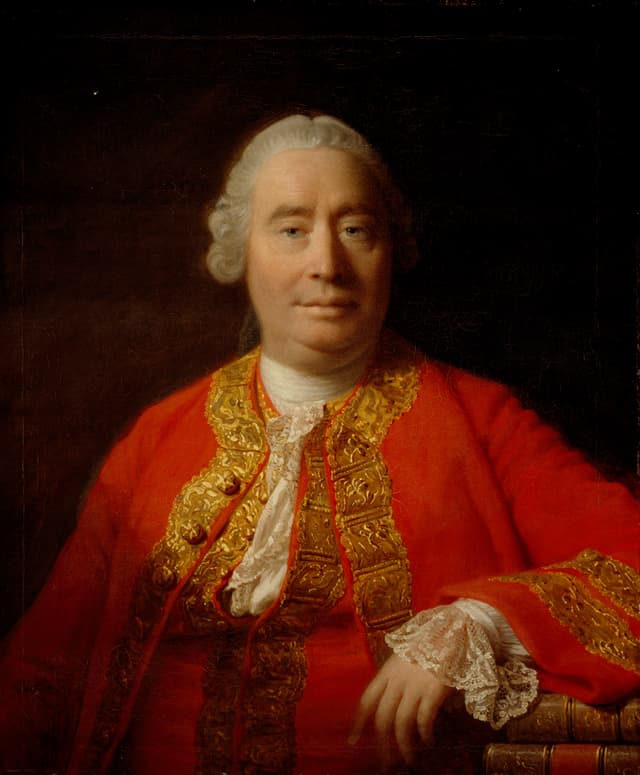
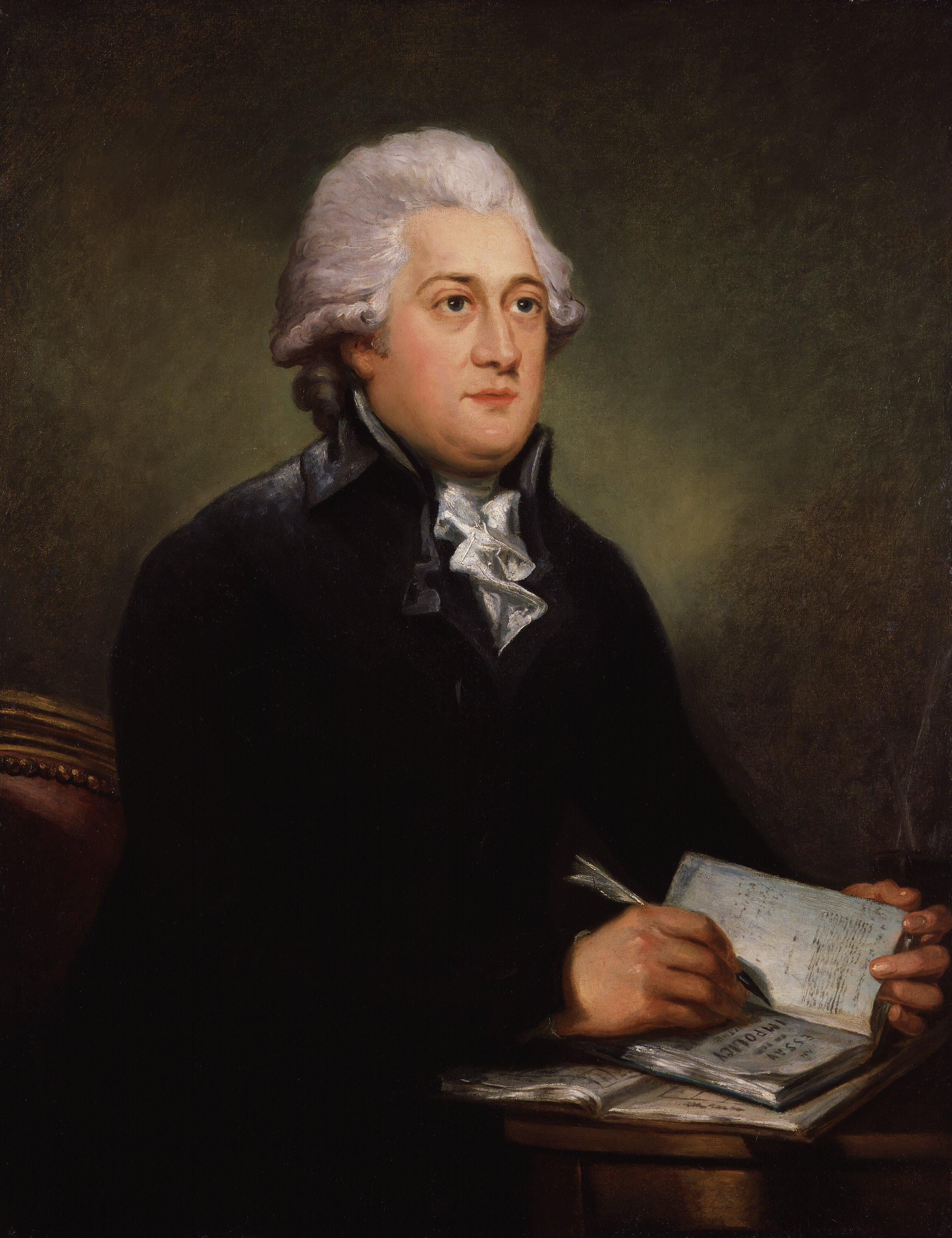
David Hume
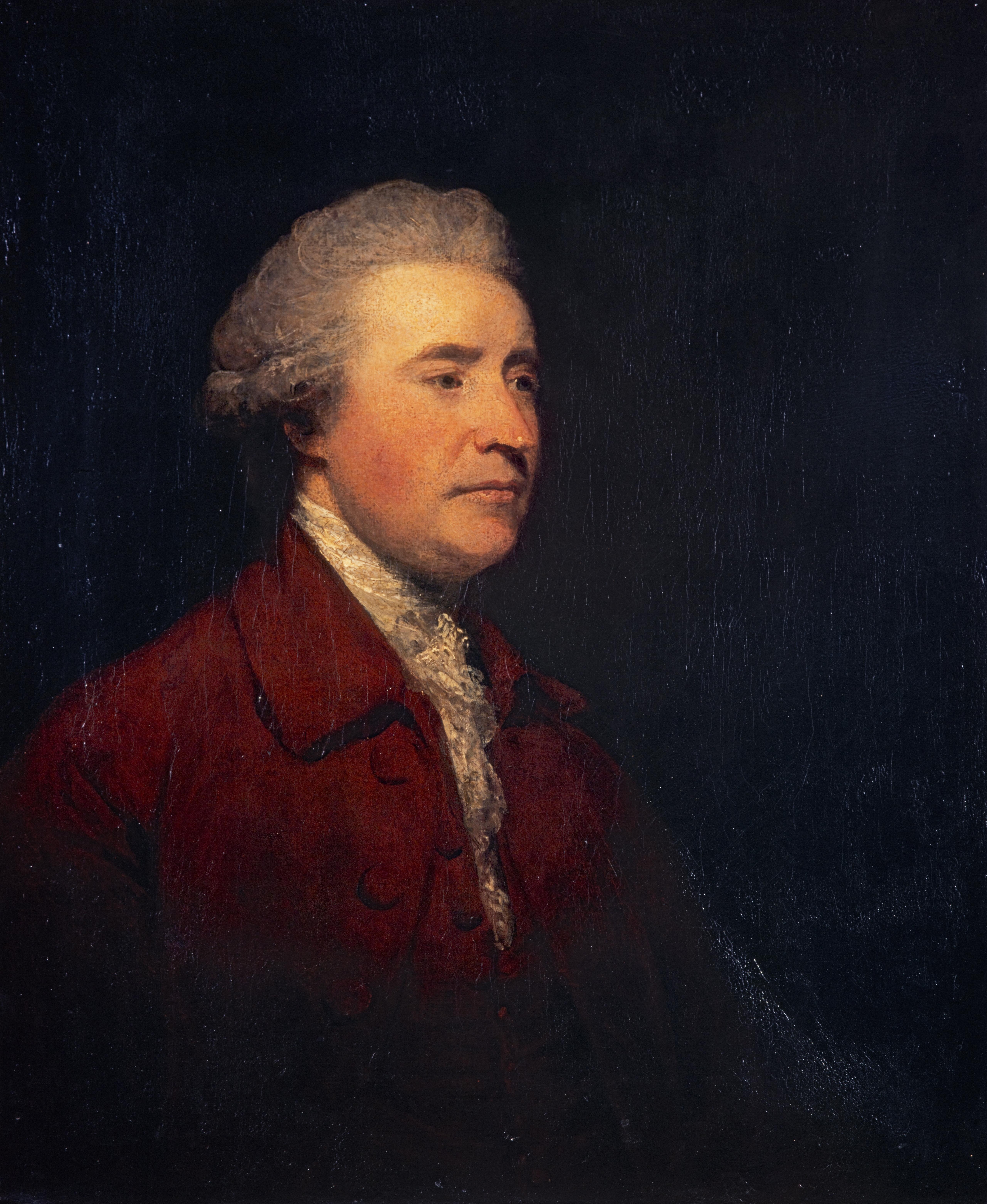
David Hume was a prominent Scottish philosopher, historian, economist, and essayist whose work laid the groundwork for modern empirical thought. His seminal text, A Treatise of Human Nature, published in the early 18th century, sought to establish a naturalistic science of humanity by exploring the psychological underpinnings of human behavior. Hume's rejection of innate ideas, following the philosophical tradition of John Locke, positioned him alongside notable empiricists such as Francis Bacon and Thomas Hobbes. He argued that human knowledge is derived solely from experience, emphasizing that inductive reasoning and causality cannot be rationally justified but are instead products of custom and habit. This led to his famous assertion that people only perceive the constant conjunction of events rather than direct causation, raising significant questions about the nature of knowledge and belief. Hume's philosophical contributions extended beyond epistemology to ethics, where he posited that emotions, rather than reason, govern human actions. His assertion that 'Reason is, and ought only to be the slave of the passions' highlights his belief in the primacy of sentiment over abstract moral principles. Additionally, Hume is credited with articulating the is–ought problem, a critical distinction that has influenced ethical theory and moral philosophy. Through his innovative ideas and critical approach to human understanding, Hume's legacy endures, marking him as a pivotal figure in the Enlightenment and a foundational thinker in Western philosophy.
Famous Quotes
View all 19 quotes“Beauty is no quality in things themselves: It exists merely in the mind which contemplates them; and each mind perceives a different beauty.””
“Generally speaking, the errors in religion are dangerous; those in philosophy only ridiculous.””
“No man ever threw away life while it was worth keeping.””
Books from the author

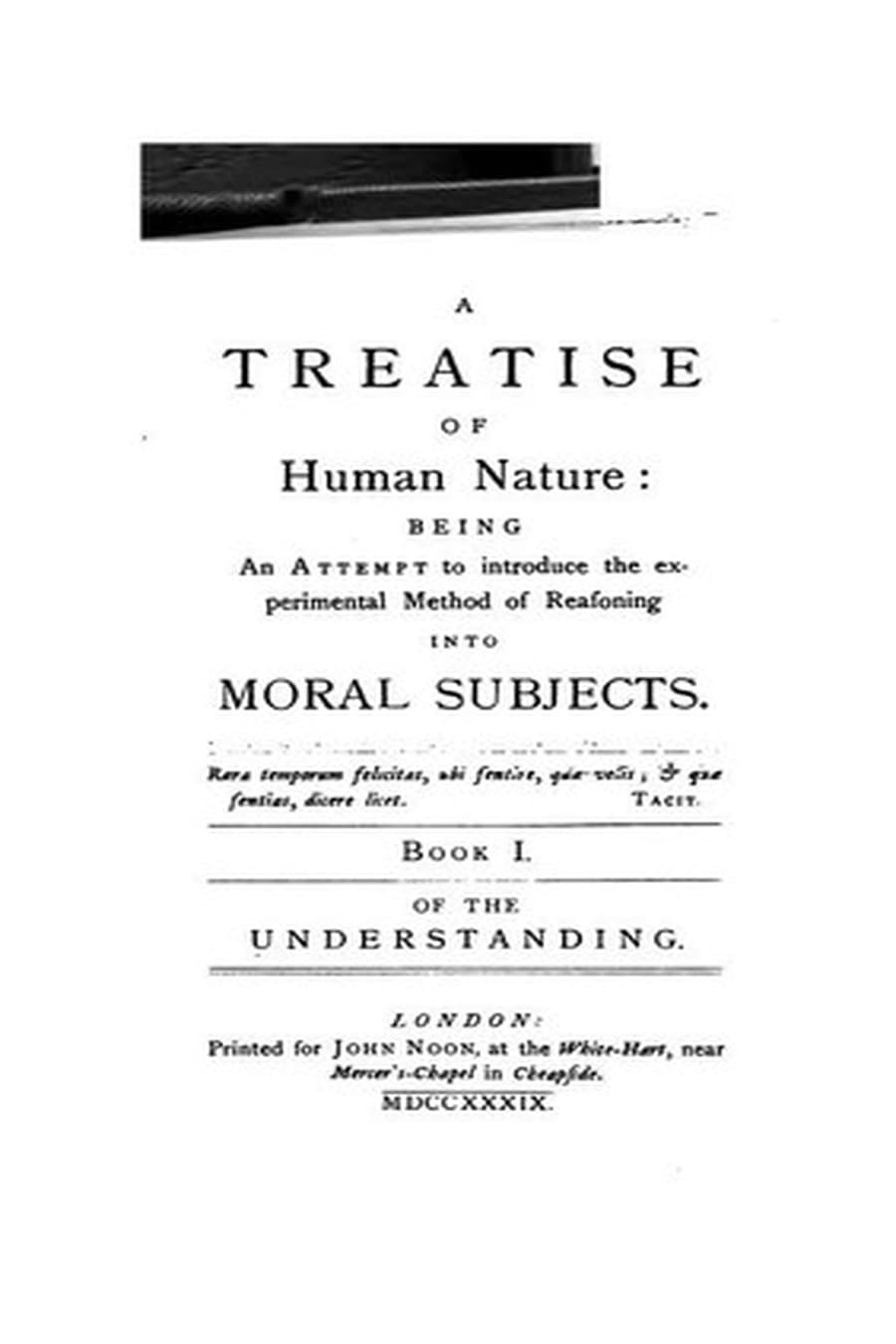







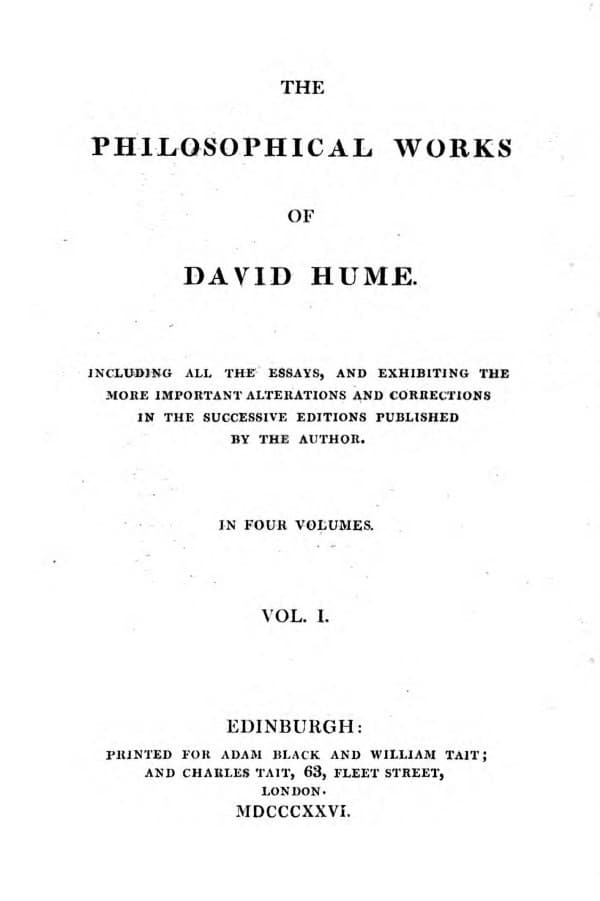
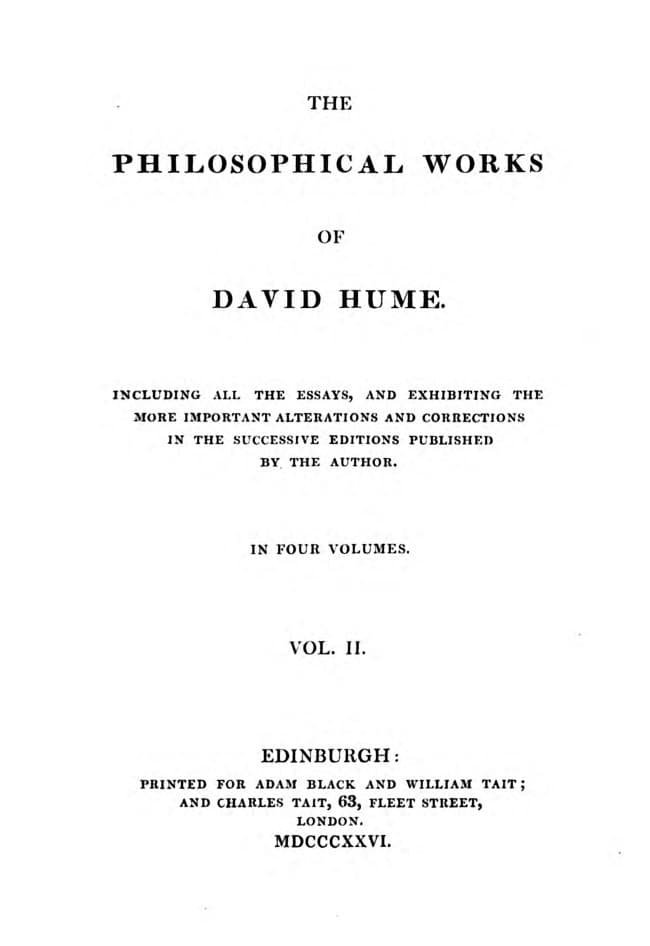



Link to this page
Add a free, dofollow link to Lex on your blog, forum, syllabus, or reading list.

<a href="https://lex-books.com/author/david-hume"><img src="https://lex-books.com/badges/read-on-lex.svg" alt="David Hume on Lex" width="160" height="40"></a>[](https://lex-books.com/author/david-hume)[url=https://lex-books.com/author/david-hume][img]https://lex-books.com/badges/read-on-lex.svg[/img][/url]David Hume on Lex: https://lex-books.com/author/david-hume