
Paul Henri Thiry, baron d' Holbach
Paul Henri Thiry, baron d'Holbach, was a prominent French philosopher, writer, and encyclopedist of the Enlightenment era. Born in Germany and later settling in France, d'Holbach became a leading figure in the intellectual circles of Paris, where he hosted salons that attracted many of the era's most influential thinkers. He is best known for his materialist philosophy and atheistic views, which he articulated in works such as 'The System of Nature' and 'Good Sense.' In these texts, d'Holbach argued against religious dogma and promoted a worldview grounded in reason and empirical evidence, challenging the prevailing religious and metaphysical beliefs of his time. D'Holbach's contributions to the Enlightenment were significant, as he was one of the first philosophers to advocate for a fully materialistic understanding of the universe, positing that everything, including human thought and morality, could be explained through natural laws. His ideas influenced later thinkers and laid the groundwork for modern secular humanism. Despite facing criticism and censorship for his radical views, d'Holbach's works remained influential, contributing to the broader discourse on religion, ethics, and the nature of existence. His legacy endures as a key figure in the transition towards a more rational and scientific approach to understanding human life and society.
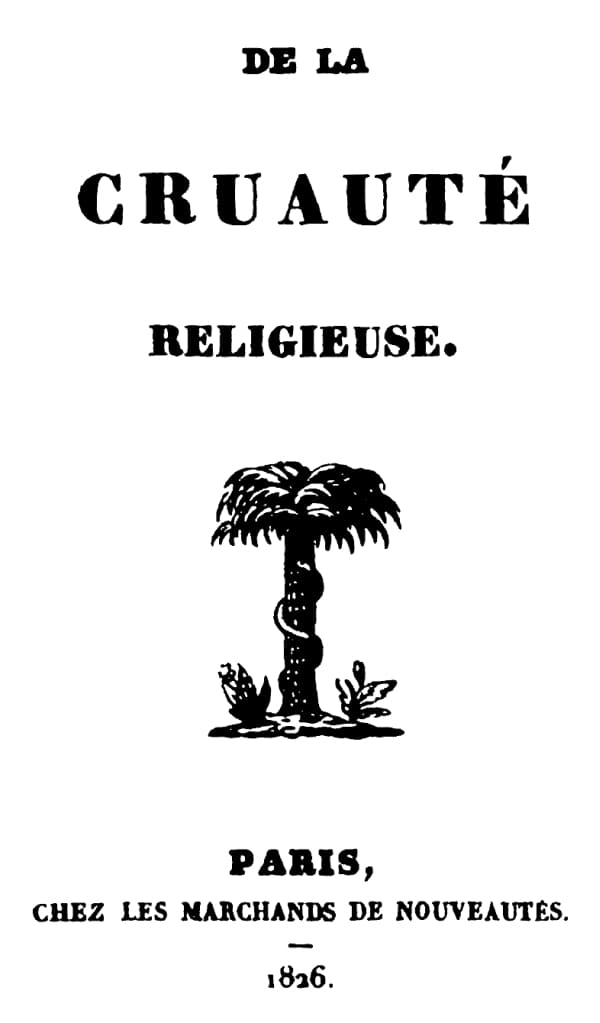
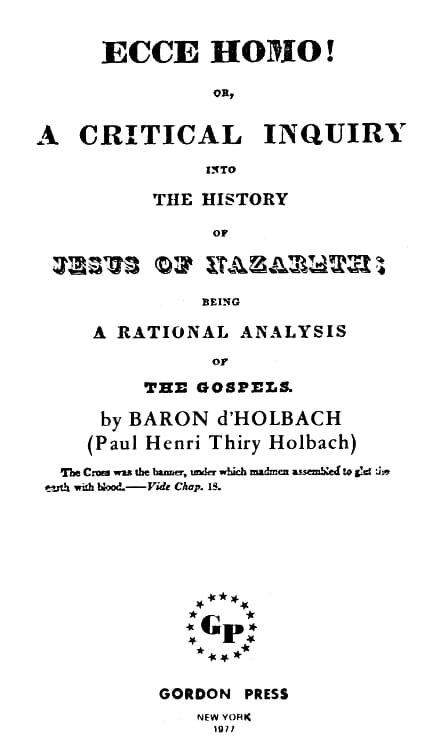
Books from the author


Link to this page
Add a free, dofollow link to Lex on your blog, forum, syllabus, or reading list.

<a href="https://lex-books.com/author/paul-henri-thiry-baron-d-holbach"><img src="https://lex-books.com/badges/read-on-lex.svg" alt="Paul Henri Thiry, baron d' Holbach on Lex" width="160" height="40"></a>[](https://lex-books.com/author/paul-henri-thiry-baron-d-holbach)[url=https://lex-books.com/author/paul-henri-thiry-baron-d-holbach][img]https://lex-books.com/badges/read-on-lex.svg[/img][/url]Paul Henri Thiry, baron d' Holbach on Lex: https://lex-books.com/author/paul-henri-thiry-baron-d-holbach