
Denis Diderot
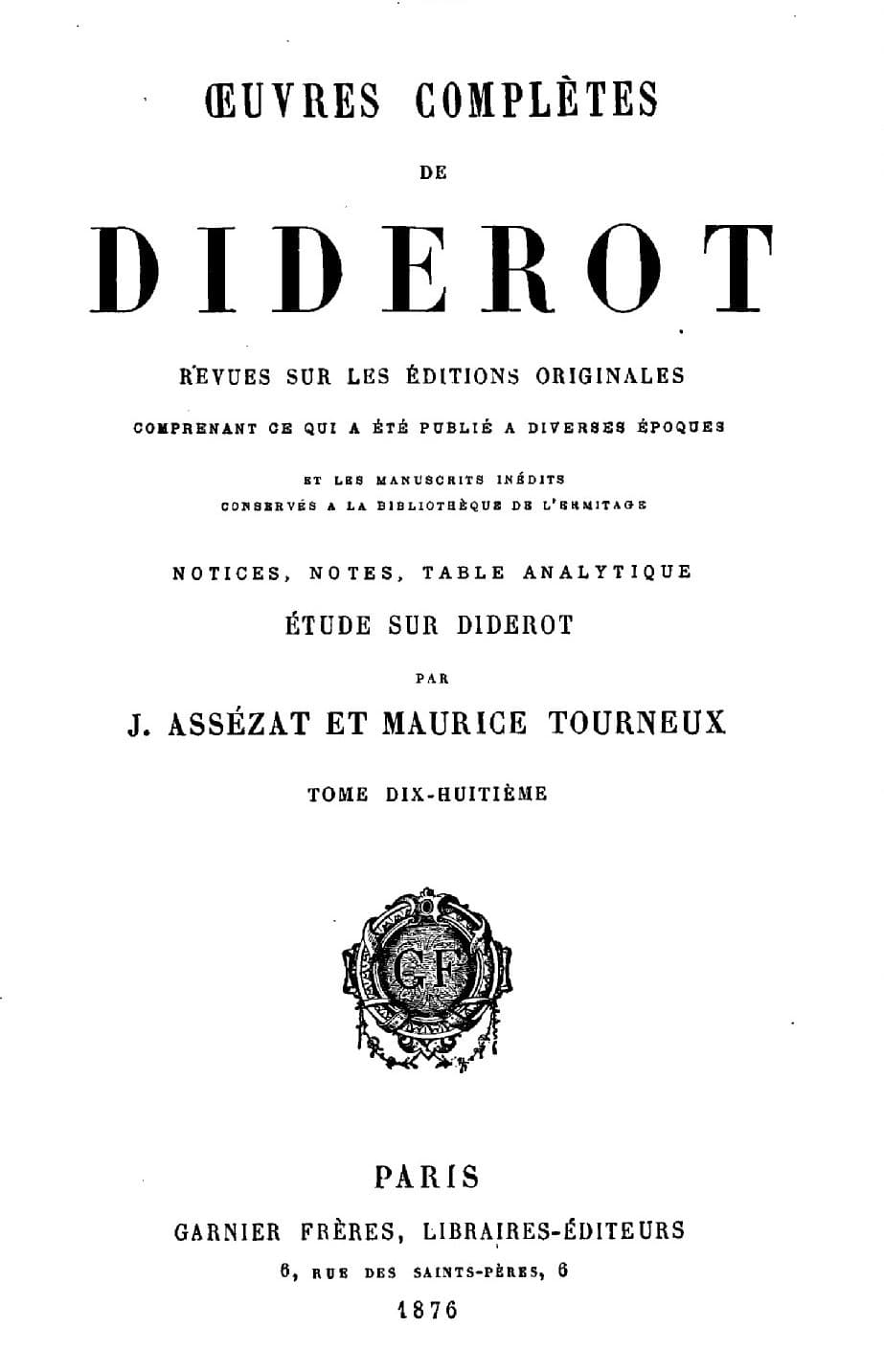
Denis Diderot was a pivotal French philosopher, art critic, and writer, renowned for his role as co-founder and chief editor of the groundbreaking Encyclopédie. Born in 1713, he initially pursued studies in philosophy and law before dedicating himself to writing, a decision that estranged him from his family. Diderot's early works, including the provocative novel Les Bijoux indiscrets (The Indiscreet Jewels), showcased his bold exploration of themes such as sexuality and morality, setting the stage for his later contributions to Enlightenment thought. The Encyclopédie, which Diderot co-created with Jean le Rond d'Alembert, was revolutionary in its scope and ambition, being the first encyclopedia to feature contributions from multiple authors and to address the mechanical arts. Its secular and often critical perspective on religion and authority sparked significant controversy, leading to its bans by both the Catholic Church and the French government. Despite the challenges, Diderot remained committed to the project, ultimately writing around 7,000 articles before its completion in 1765. Although he later expressed doubts about the impact of his work, the Encyclopédie is now recognized as a foundational text that influenced the intellectual climate leading up to the French Revolution, solidifying Diderot's legacy as a key figure in the Age of Enlightenment.
Famous Quotes
View all 3 quotes“Men will never be free until the last king is strangled with the entrails of the last priest.”
“From fanaticism to barbarism is only one step.”
“All things must be examined, debated, investigated without exception and without regard for anyone's feelings.”
Books from the author







Link to this page
Add a free, dofollow link to Lex on your blog, forum, syllabus, or reading list.

<a href="https://lex-books.com/author/denis-diderot"><img src="https://lex-books.com/badges/read-on-lex.svg" alt="Denis Diderot on Lex" width="160" height="40"></a>[](https://lex-books.com/author/denis-diderot)[url=https://lex-books.com/author/denis-diderot][img]https://lex-books.com/badges/read-on-lex.svg[/img][/url]Denis Diderot on Lex: https://lex-books.com/author/denis-diderot