Beobachtungen Über Das Gefühl Des Schönen Und Erhabenen
1764

Beobachtungen Über Das Gefühl Des Schönen Und Erhabenen
1764
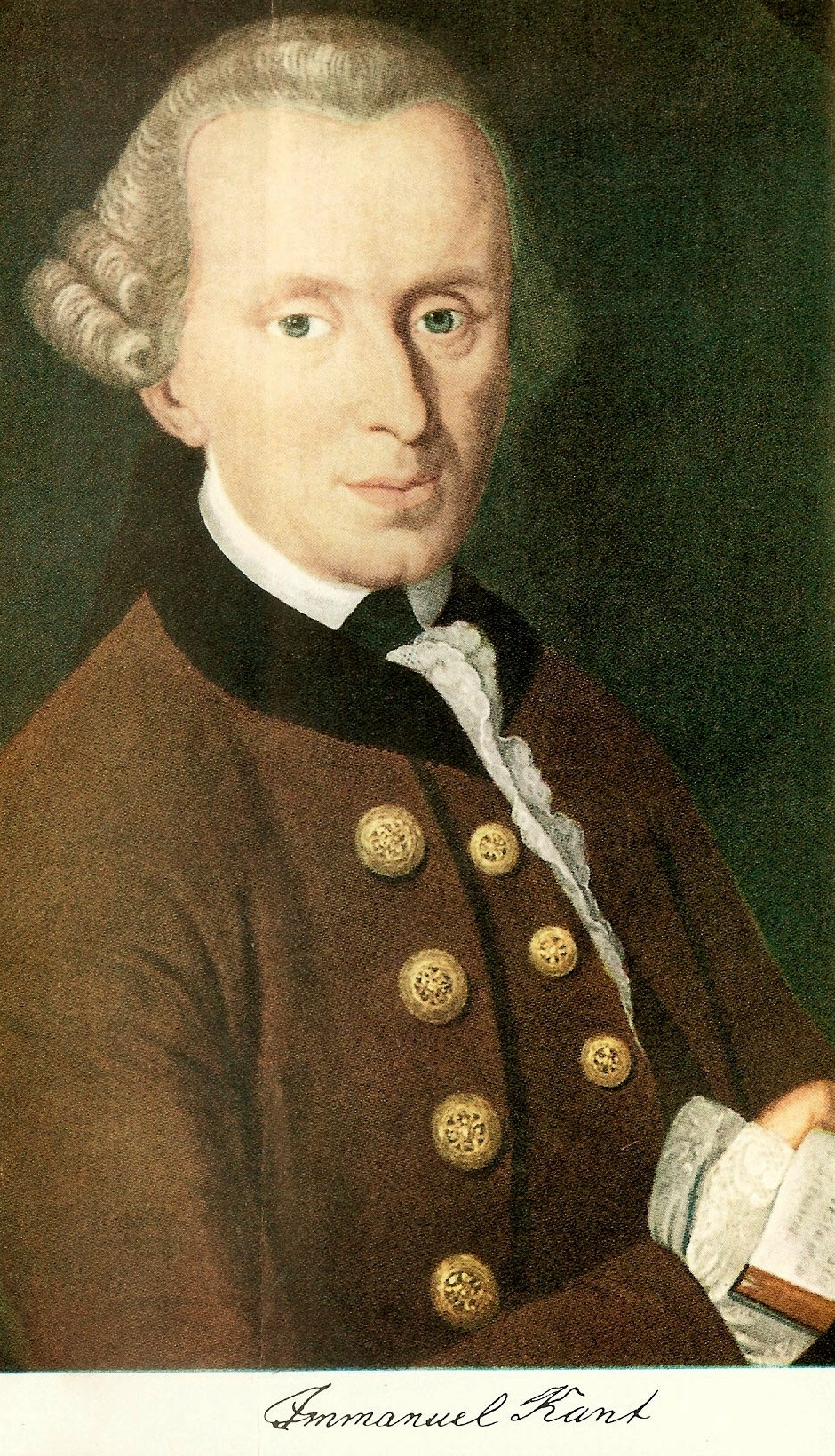
Before Immanuel Kant became the architect of critical philosophy, he was a young thinker captivated by the puzzle of why certain things move us. This 1764 treatise, written in a surprisingly personal and literary voice, marks the beginning of Kant's lifelong meditation on aesthetics. Here he distinguishes between the beautiful that delights and the sublime that overwhelms: one evokes cheer and joy, the other awe mixed with a whisper of fear. What emerges is not merely a theory of art but an inquiry into how these feelings shape our moral character and our very humanity. Kant examines how we respond to landscapes, to human traits, to the vastness of nature, arguing that our aesthetic experiences reveal something essential about who we are. The prose crackles with observation and anecdote, far from the systematic dryness of the later Critiques. For readers curious about where philosophical giants begin, this is Kant unguarded, curious, and remarkably accessible.
Editions

X-Ray
“Finer feeling, which we now wish to consider, is chiefly of two kinds: the feeling of the *sublime* and that of the *beautiful*. The stirring of each is pleasant, but in different ways. The sight of a mountain whose snow-covered peak rises above the clouds, the description of a raging storm, or Milton's portrayal of the infernal kingdom, arouse enjoyment but with horror; on the other hand, the sight of flower strewn meadows, valleys with winding brooks and covered with grazing flocks, the description of Elysium, or Homer's portrayal of the girdle of Venus, also occasion a pleasant sensation but one that is joyous and smiling. In order that the former impression could occur to us in due strength, we must have *a feeling of the sublime*, and, in order to enjoy the latter well, *a feeling of the beautiful*. Tall oaks and lonely shadows in a sacred grove are sublime; flower beds, low hedges and trees trimmed in figures are beautiful. Night is sublime; day is beautiful. Temperaments that possess a feeling for the sublime are drawn gradually, by the quiet stillness of a summer evening as the shimmering light of the stars breaks through the brown shadows of night and the lonely moon rises into view, into high feelings of friendship, of disdain for the world, of eternity. The shining day stimulates busy fervor and a feeling of gaiety. The sublime *moves*, the beautiful *charms*.””
— Immanuel Kant
“Night is sublime, day is beautiful.””
— Immanuel Kant
“Everything goes past like a river and the changing taste and the various shapes of men make the whole game uncertain and delusive. Where do I find fixed points in nature, which cannot be moved by man, and where I can indicate the markers by the shore to which he ought to adhere?””
— Immanuel Kant
“The first impression of the writings of Mr. J. J. Rousseau received by a knowledgeable reader, who is reading for something more than vanity or to kill time, is that he is encountering a lucidity of mind, a noble impulse of genius and a sensitive soul of such a high level that perhaps never an author of whatever epoch or of whatever people has been able to possess in combination. The impression that immediately follows is bewilderment over the strange and contradictory opinions, which so oppose those which are in general circulation that one can easily come to the suspicion that the author, by virtue of his extraordinary talent, wishes to show off only the force of his bewitching wit and through the magic of rhetoric make himself something apart who through captivating novelties stands out among all rivals at wit.””
— Immanuel Kant
Link to this book
Add a free, dofollow link to Lex on your blog, forum, syllabus, or reading list.

<a href="https://lex-books.com/book/beobachtungen-ber-das-gef-hl-des-sch-nen-und-erhabenen-e21cb11e-0686-400d-8cb7-7a944e9683de"><img src="https://lex-books.com/badges/read-on-lex.svg" alt="Read Beobachtungen Über Das Gefühl Des Schönen Und Erhabenen by Immanuel Kant free on Lex" width="160" height="40"></a>[](https://lex-books.com/book/beobachtungen-ber-das-gef-hl-des-sch-nen-und-erhabenen-e21cb11e-0686-400d-8cb7-7a944e9683de)[url=https://lex-books.com/book/beobachtungen-ber-das-gef-hl-des-sch-nen-und-erhabenen-e21cb11e-0686-400d-8cb7-7a944e9683de][img]https://lex-books.com/badges/read-on-lex.svg[/img][/url]Read Beobachtungen Über Das Gefühl Des Schönen Und Erhabenen by Immanuel Kant free on Lex: https://lex-books.com/book/beobachtungen-ber-das-gef-hl-des-sch-nen-und-erhabenen-e21cb11e-0686-400d-8cb7-7a944e9683deCite this book
Reading this edition for a paper or guide? Copy a citation.
Kant, Immanuel. Beobachtungen Über Das Gefühl Des Schönen Und Erhabenen. Lex, lex-books.com/book/beobachtungen-ber-das-gef-hl-des-sch-nen-und-erhabenen-e21cb11e-0686-400d-8cb7-7a944e9683de.Kant, I. (1764). Beobachtungen Über Das Gefühl Des Schönen Und Erhabenen. Lex. https://lex-books.com/book/beobachtungen-ber-das-gef-hl-des-sch-nen-und-erhabenen-e21cb11e-0686-400d-8cb7-7a944e9683deKant, Immanuel. Beobachtungen Über Das Gefühl Des Schönen Und Erhabenen. Lex. https://lex-books.com/book/beobachtungen-ber-das-gef-hl-des-sch-nen-und-erhabenen-e21cb11e-0686-400d-8cb7-7a944e9683de.