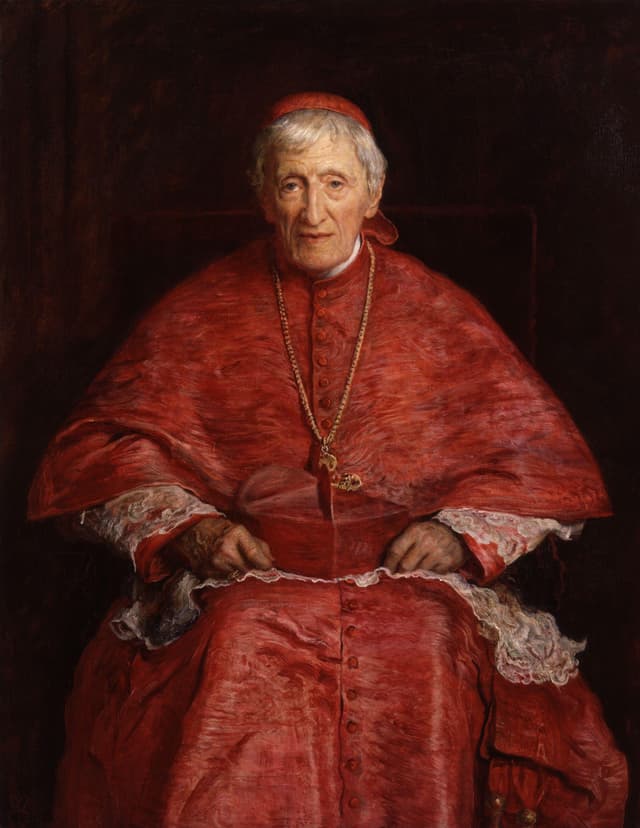
John Henry Newman
John Henry Newman was an influential English theologian, philosopher, and writer whose work significantly shaped 19th-century religious thought in England. Initially an evangelical academic and Anglican priest at the University of Oxford, he became a prominent figure in the Oxford Movement, which sought to reintroduce Catholic beliefs and practices into the Church of England. His pivotal work, Tract 90, published in 1841, marked a turning point in his faith journey, leading him to resign from his position at Oxford and convert to Catholicism in 1845. Following his conversion, he was ordained as a Catholic priest and became a cardinal in 1879, recognized for his contributions to the Catholic Church in England. Newman's literary output included theological works, poetry, and historical writings, with notable titles such as "Apologia Pro Vita Sua" and "The Idea of a University." His writings explored the relationship between faith and reason, and he emphasized the importance of conscience in moral decision-making. As a founder of the Oratory of St. Philip Neri in England, he established a community dedicated to education and spiritual formation, including the founding of the Catholic University of Ireland. Newman's legacy endures in both Catholic and Anglican traditions, and he is remembered for his profound influence on modern theology and education, as well as his role in the development of the Catholic intellectual tradition in the English-speaking world.
Famous Quotes
View all 20 quotes“I sought to hear the voice of God and climbed the topmost steeple, but God declared: "Go down again - I dwell among the people.””
“God has created me to do Him some definite service. He has committed some work to me which He has not committed to another. I have my mission. I may never know it in this life, but I shall be told it in the next. I am a link in a chain, a bond of connection between persons.He has not created me for naught. I shall do good; I shall do His work. I shall be an angel of peace, a preacher of truth in my own place, while not intending it if I do but keep His commandments.Therefore, I will trust Him, whatever I am, I can never be thrown away. If I am in sickness, my sickness may serve Him, in perplexity, my perplexity may serve Him. If I am in sorrow, my sorrow may serve Him. He does nothing in vain. He knows what He is about. He may take away my friends. He may throw me among strangers. He may make me feel desolate, make my spirits sink, hide my future from me. Still, He knows what He is about.””
“A man would do nothing if he waited until he could do it so well that no one could find fault.””
Books from the author

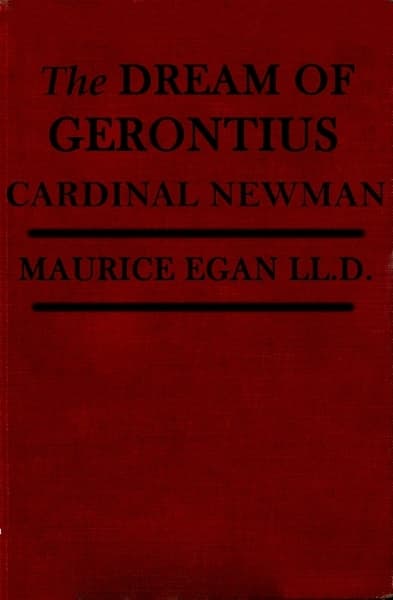
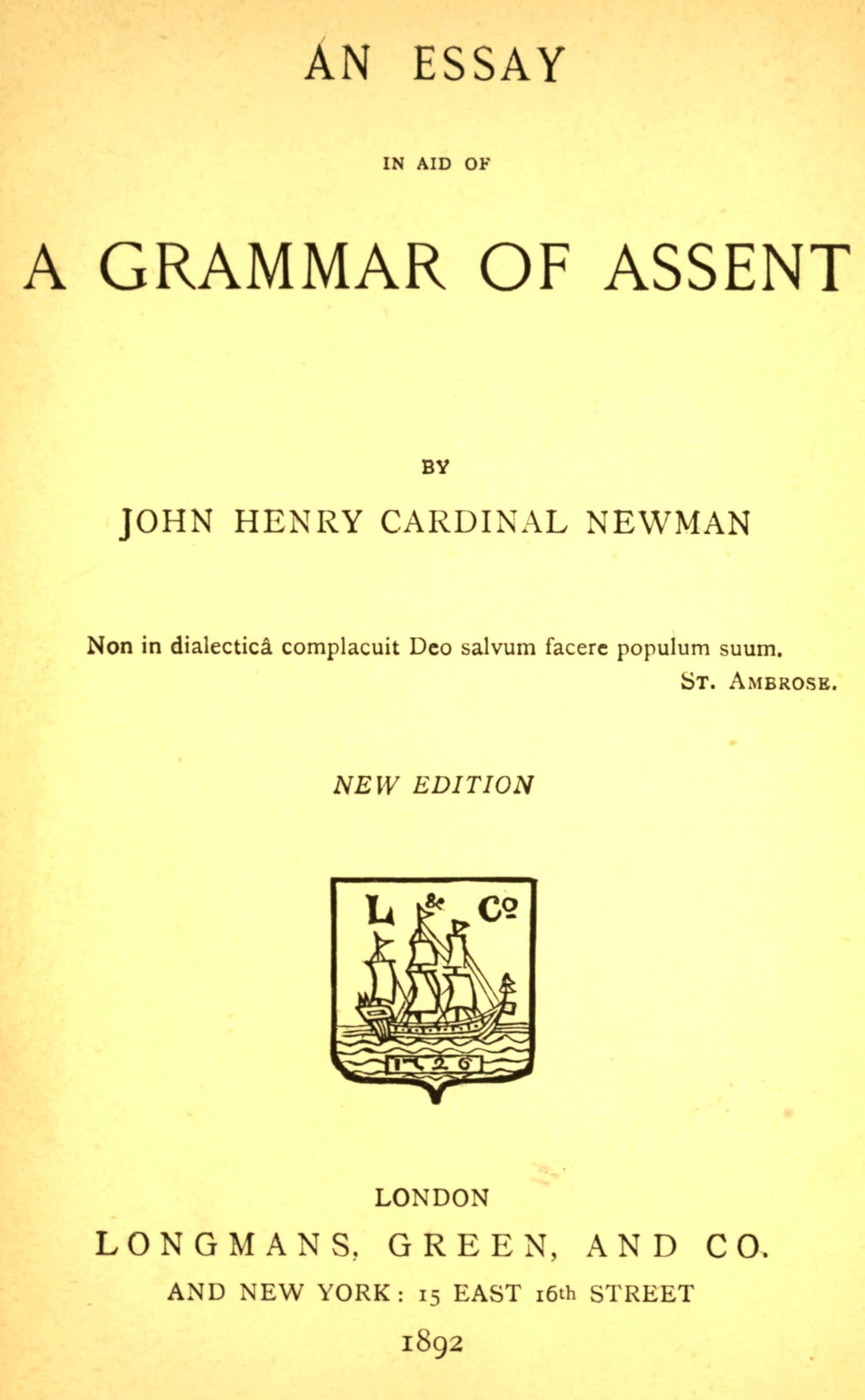
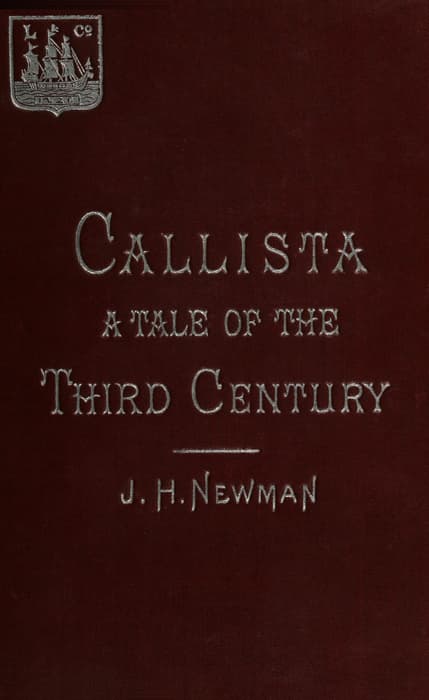



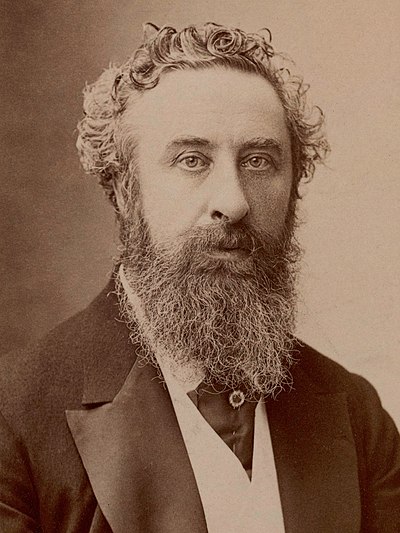
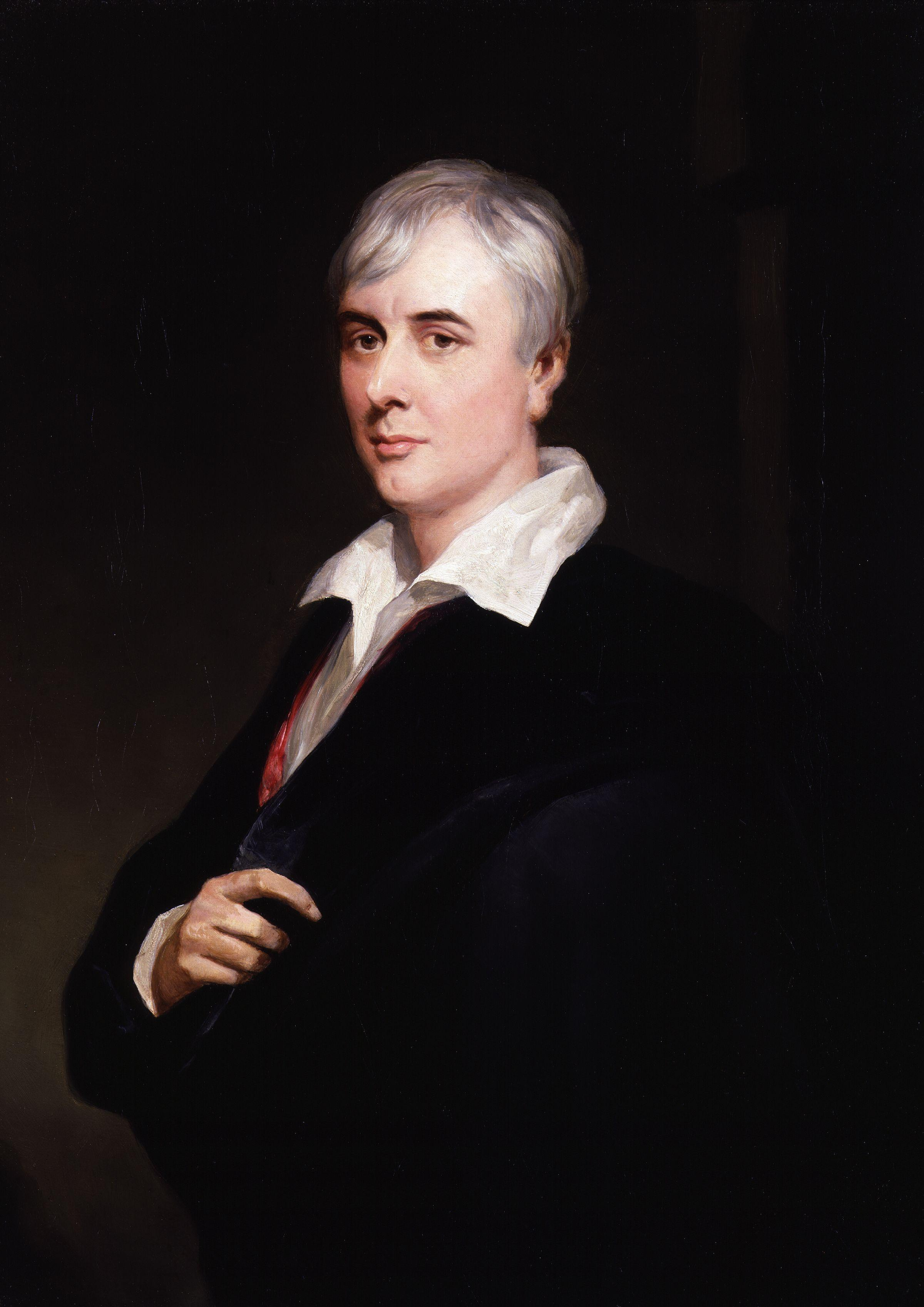
Link to this page
Add a free, dofollow link to Lex on your blog, forum, syllabus, or reading list.

<a href="https://lex-books.com/author/john-henry-newman"><img src="https://lex-books.com/badges/read-on-lex.svg" alt="John Henry Newman on Lex" width="160" height="40"></a>[](https://lex-books.com/author/john-henry-newman)[url=https://lex-books.com/author/john-henry-newman][img]https://lex-books.com/badges/read-on-lex.svg[/img][/url]John Henry Newman on Lex: https://lex-books.com/author/john-henry-newman