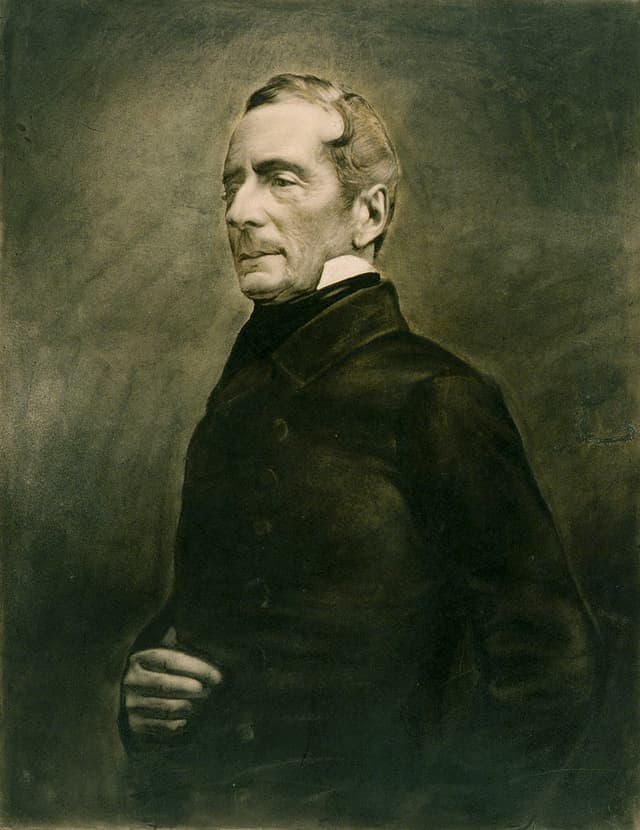
Alphonse de Lamartine
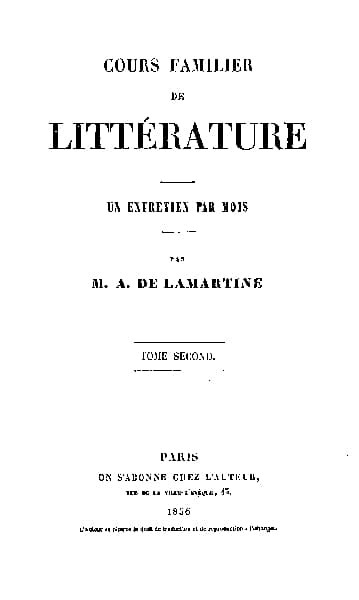
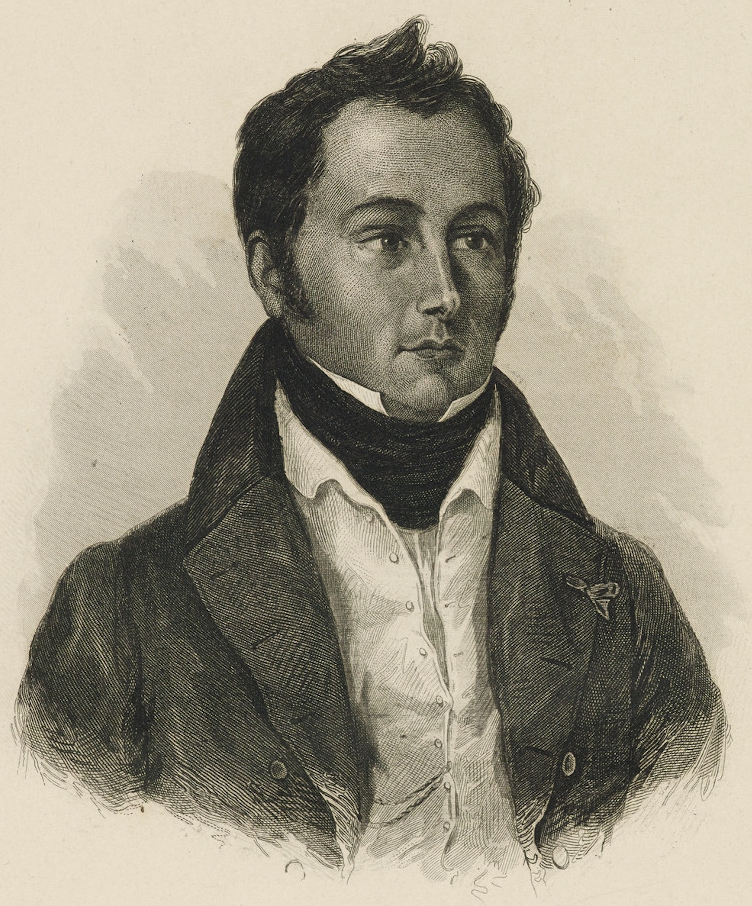
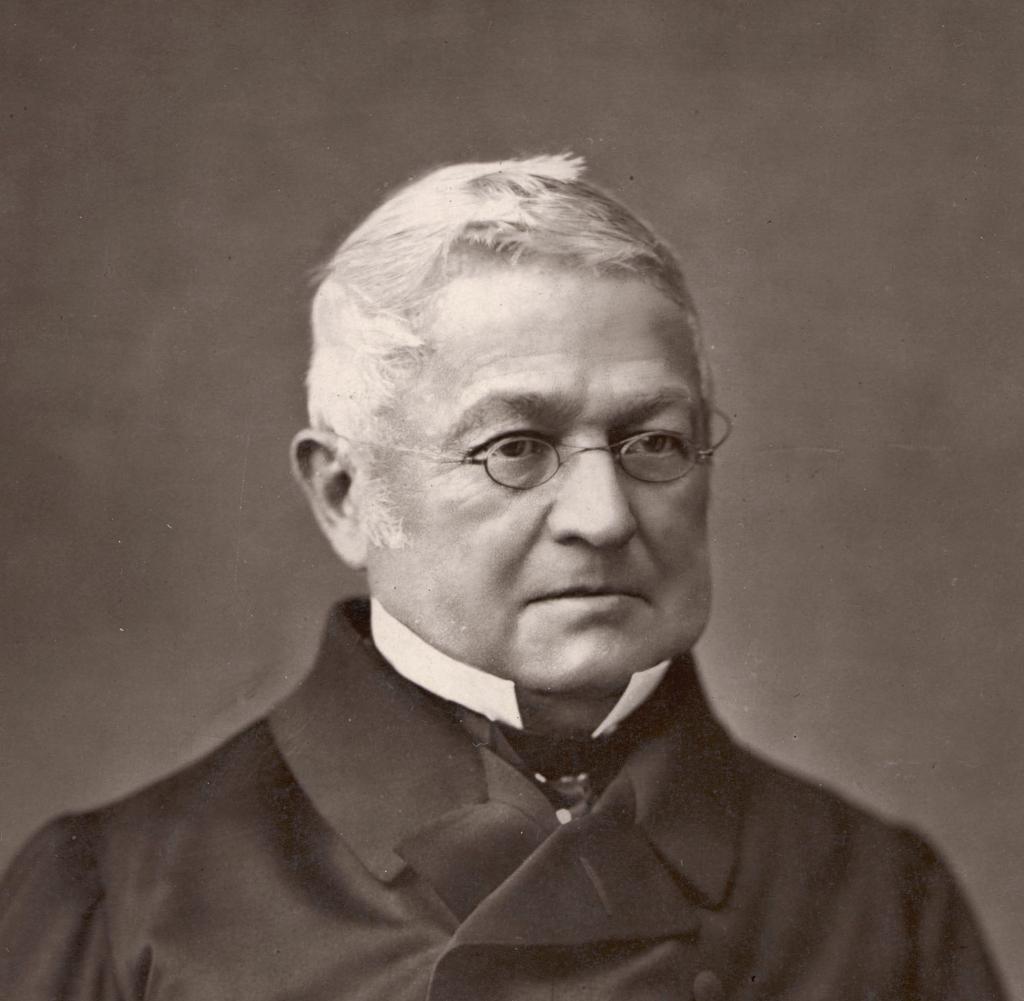
Alphonse de Lamartine was a prominent French poet, author, and statesman whose literary and political contributions significantly shaped 19th-century France. Born into a noble family, he initially pursued a career in the military before turning to literature, where he gained acclaim for his romantic poetry. His notable works, such as 'Méditations poétiques' and 'Les Harmonies poétiques et religieuses,' showcased his lyrical prowess and deep emotional resonance, establishing him as a leading figure in the Romantic movement. Lamartine's poetry often explored themes of nature, love, and the human condition, influencing generations of writers and poets that followed. In addition to his literary achievements, Lamartine played a crucial role in the political landscape of his time. He emerged as a key figure during the 1848 French Revolution, advocating for social reforms and the establishment of the Second Republic. As Foreign Minister, he worked to bridge the gap between the government and the working class, promoting a vision of a more equitable society. Although he was a candidate in the presidential election of 1848, he ultimately lost to Louis Napoleon Bonaparte and subsequently withdrew from active politics. Lamartine's legacy endures not only through his poetry but also through his commitment to social justice and democratic ideals, making him a significant figure in both literary and political history.
Famous Quotes
View all 3 quotes“Music is the literature of the heart; it commences where speech ends.”
“If greatness of purpose, smallness of means, and astonishing results are the three criteria of a human genius, who could dare compare any great man in history with Muhammad?”
“Philosopher, orator, apostle, legislator, warrior, conqueror of ideas, restorer of rational dogmas, of a cult without images, the founder of twenty terrestrial empires and of one spiritual empire: that is MUHAMMAD. As regards all the standards by which human greatness may be measured, we may well ask IS THERE ANY MAN GREATER THAN HE?”
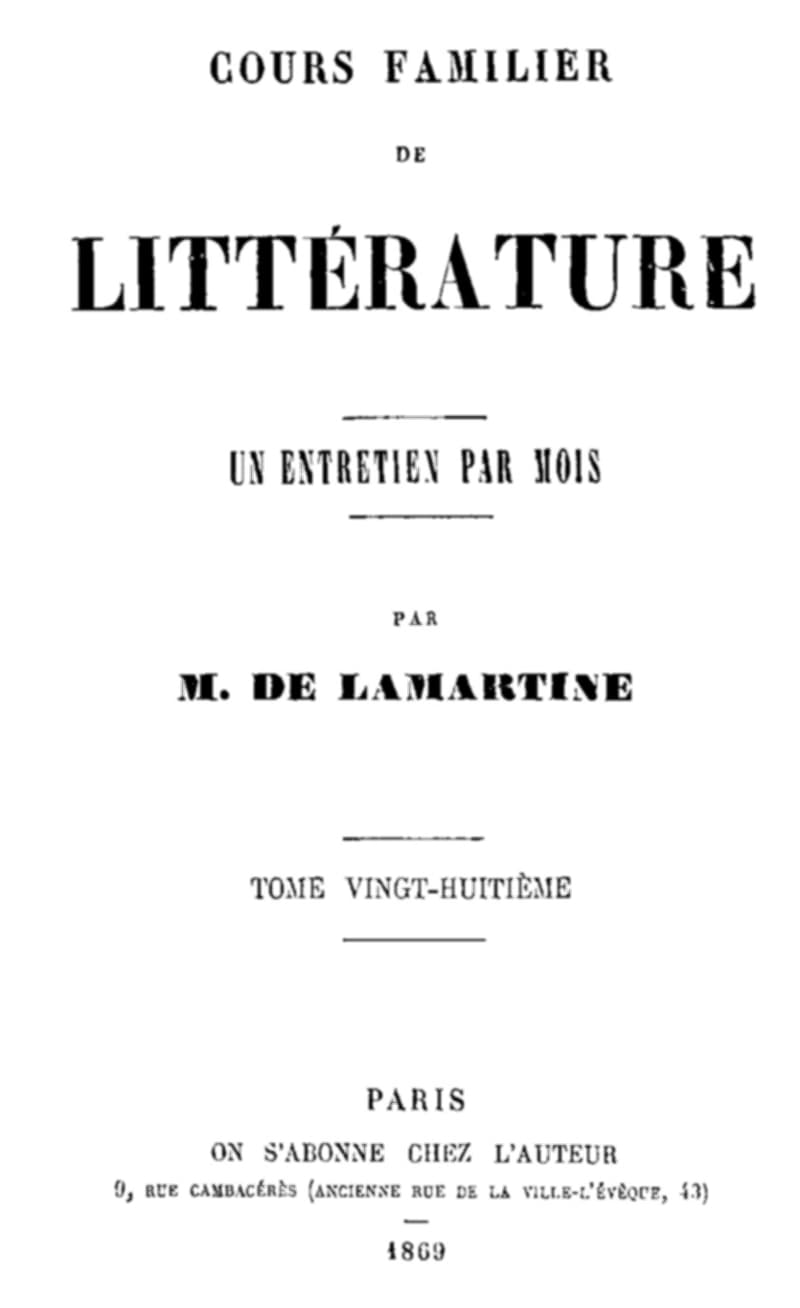
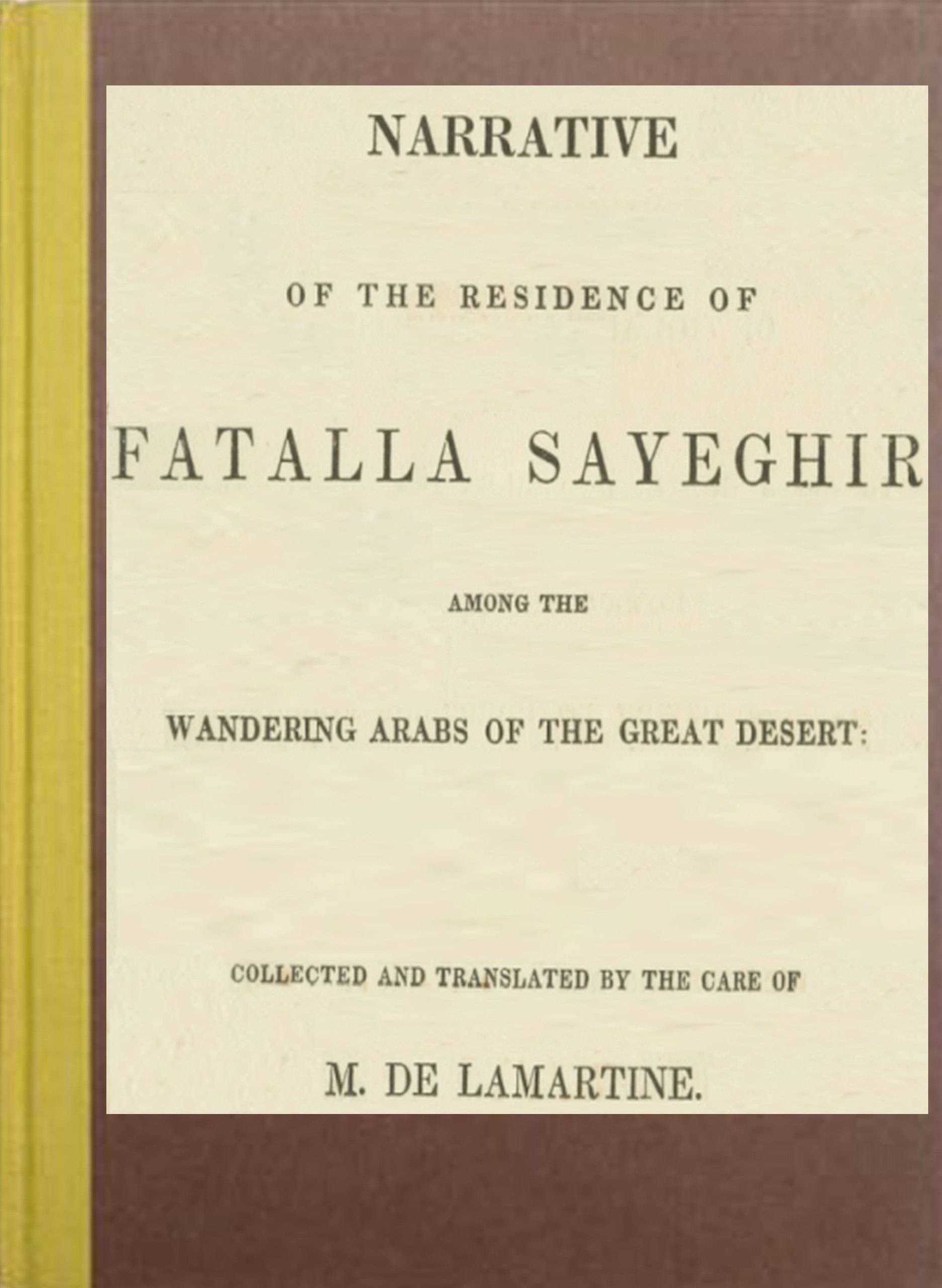
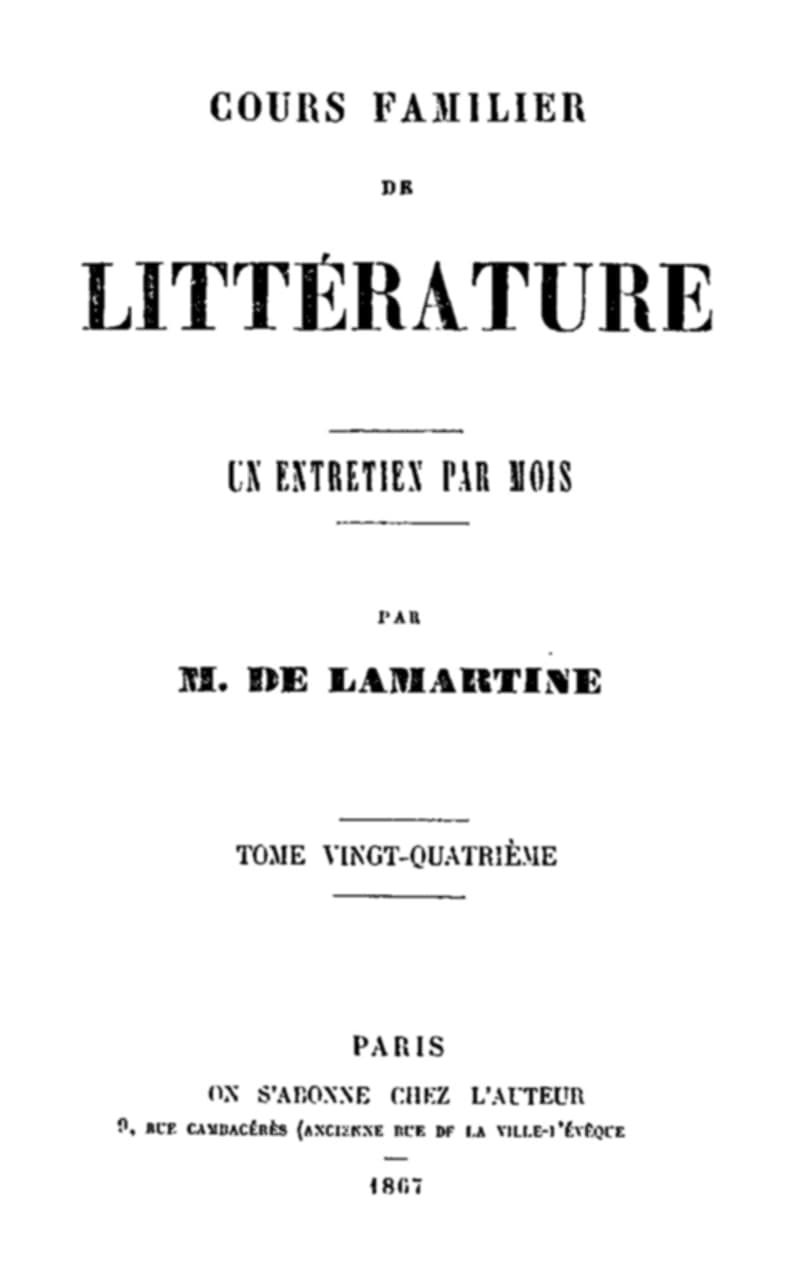
Books from the author
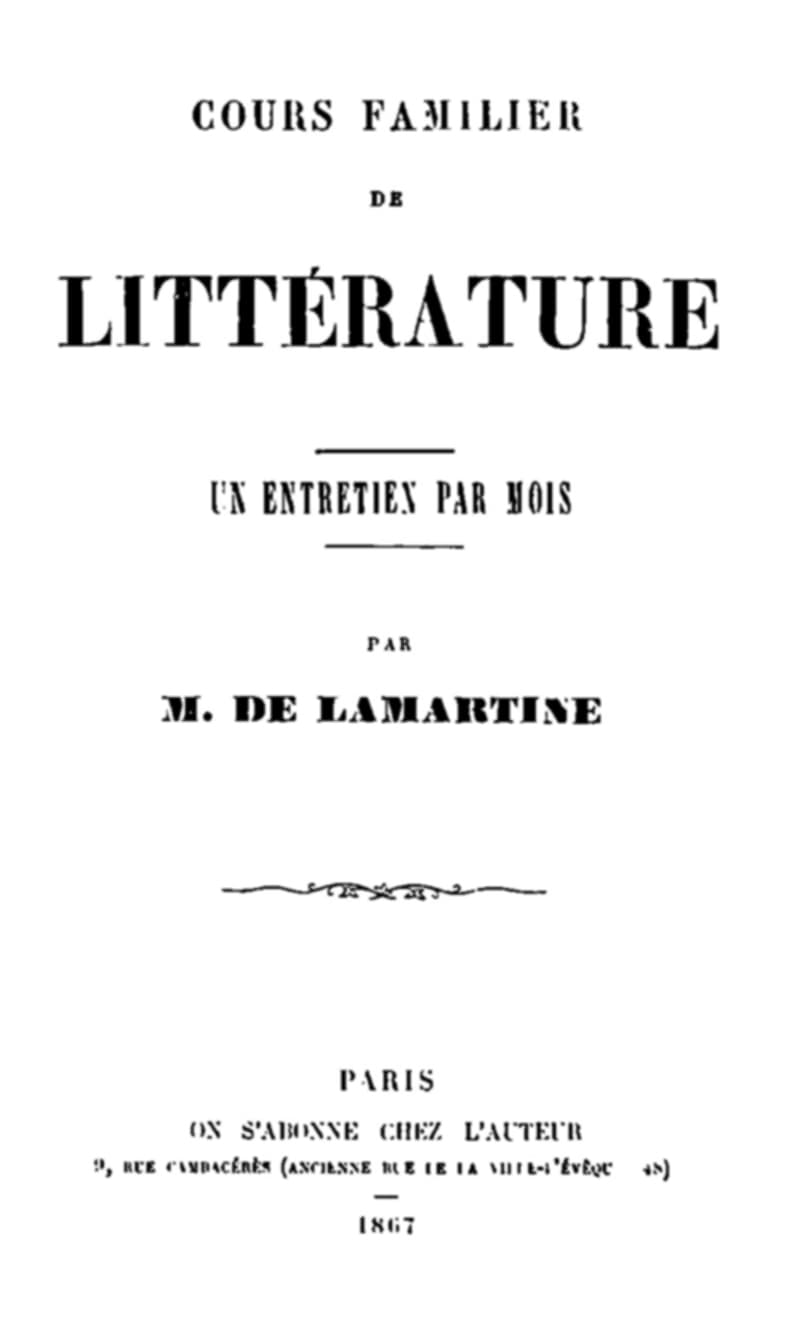
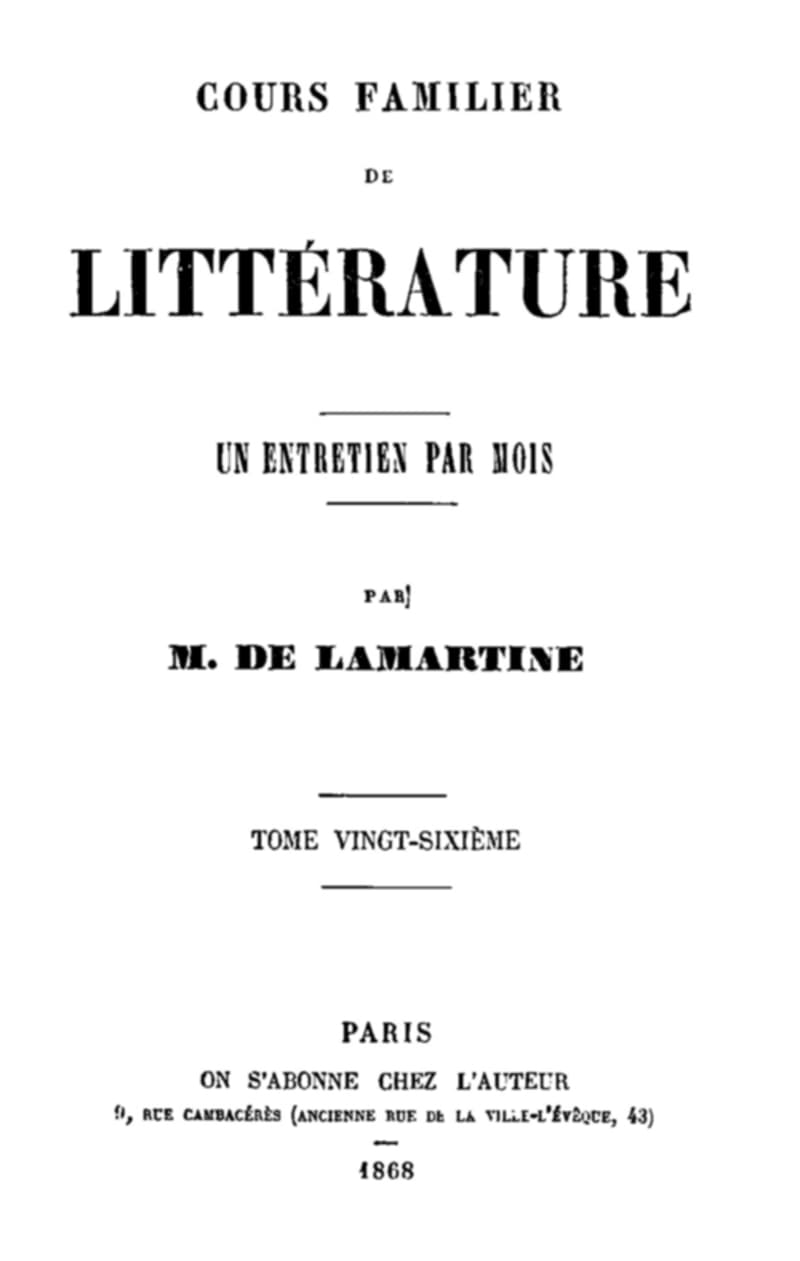

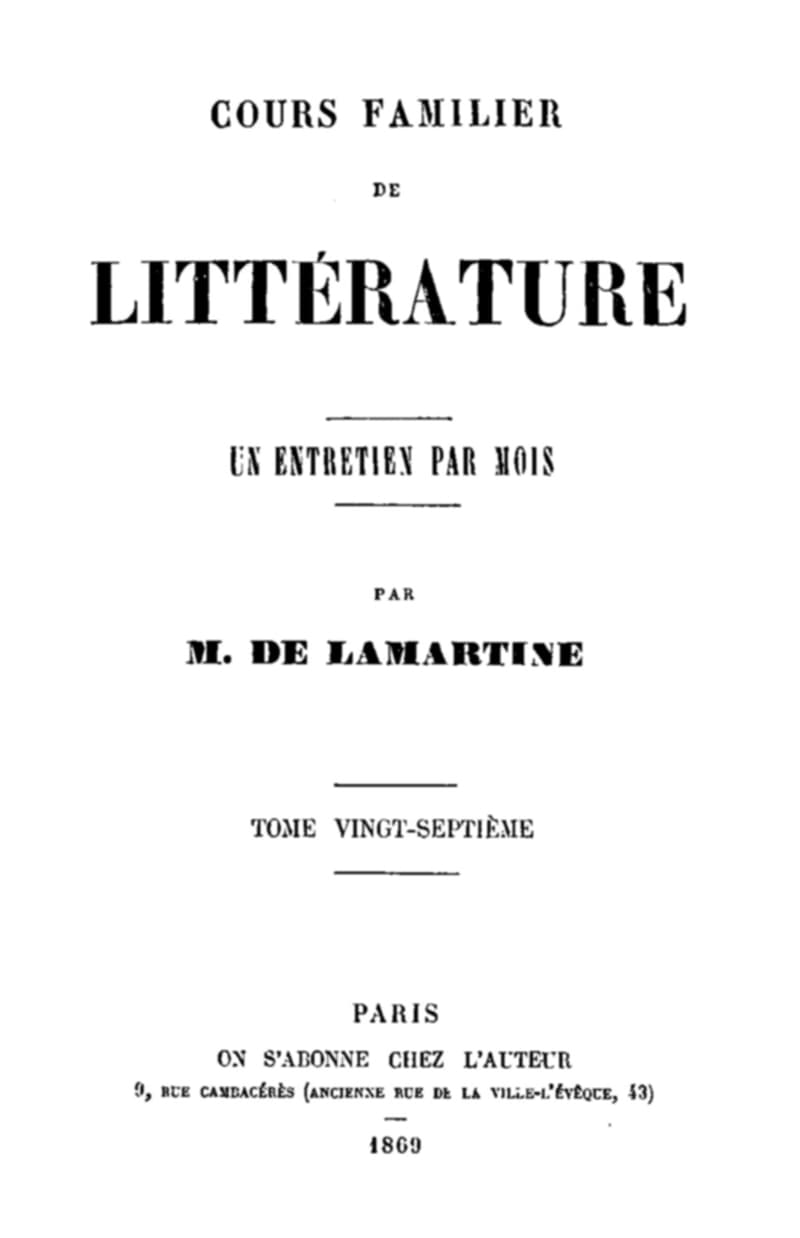
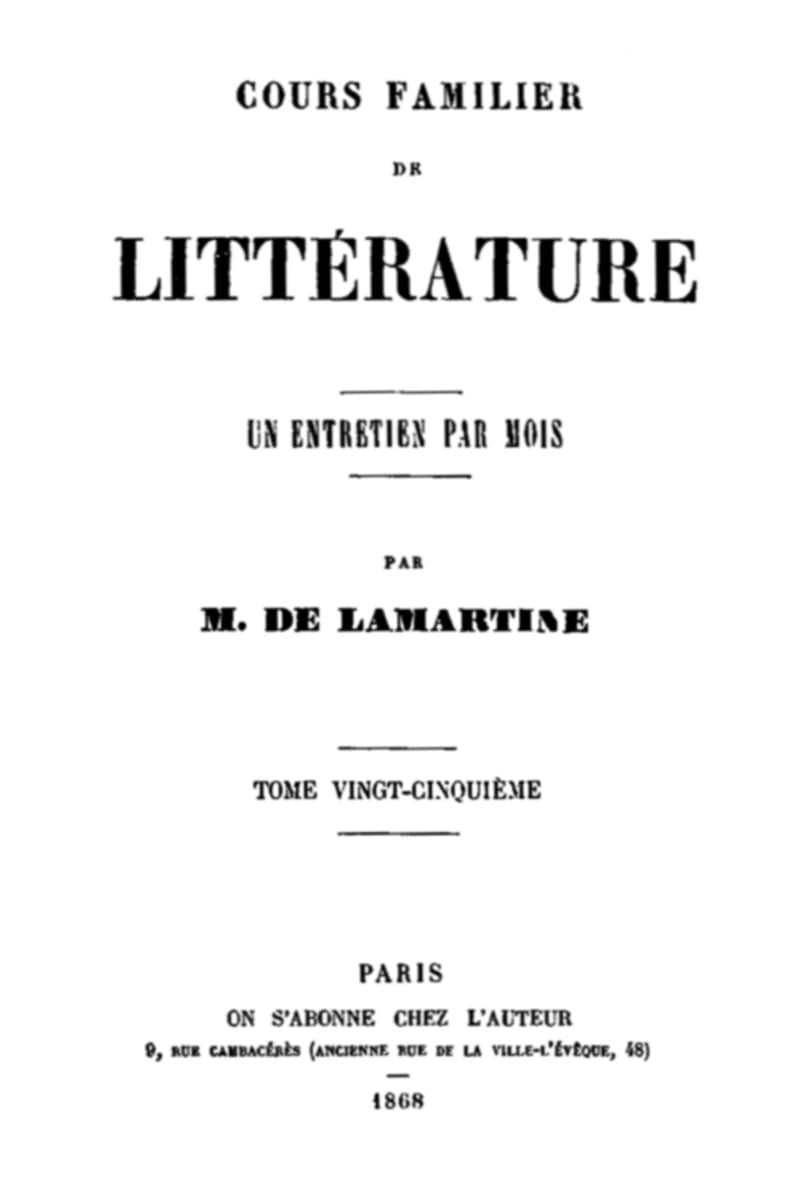



Link to this page
Add a free, dofollow link to Lex on your blog, forum, syllabus, or reading list.

<a href="https://lex-books.com/author/alphonse-de-lamartine"><img src="https://lex-books.com/badges/read-on-lex.svg" alt="Alphonse de Lamartine on Lex" width="160" height="40"></a>[](https://lex-books.com/author/alphonse-de-lamartine)[url=https://lex-books.com/author/alphonse-de-lamartine][img]https://lex-books.com/badges/read-on-lex.svg[/img][/url]Alphonse de Lamartine on Lex: https://lex-books.com/author/alphonse-de-lamartine