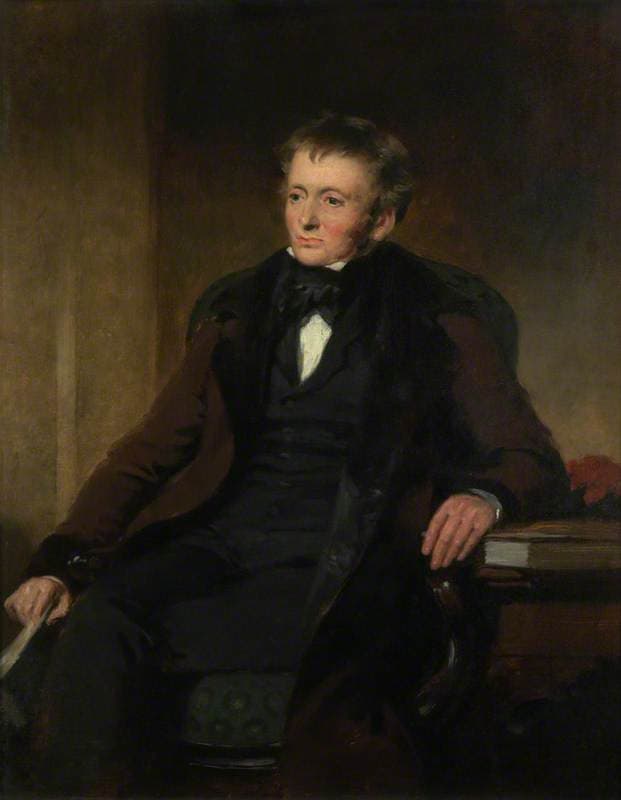
Thomas De Quincey
Thomas De Quincey was an English writer and literary critic, renowned for his pioneering work in addiction literature. His most famous piece, "Confessions of an English Opium-Eater," published in 1821, offered a deeply personal account of his experiences with opium addiction, blending autobiography with philosophical reflections. This groundbreaking work not only captivated readers with its vivid prose but also set a precedent for future explorations of addiction in literature, influencing a wide range of authors and genres. De Quincey's writings extended beyond his confessions, encompassing essays and critiques that showcased his keen intellect and stylistic flair. His other notable works include "Suspiria de Profundis" and "The English Mail-Coach," which further established his reputation as a significant figure in the Romantic literary movement. Through his exploration of the human psyche and the complexities of addiction, De Quincey left an indelible mark on literature, paving the way for future discussions on the nature of substance use and its impact on the individual and society.
Famous Quotes
View all 18 quotes“Surely everyone is aware of the divine pleasures which attend a wintry fireside; candles at four o'clock, warm hearthrugs, tea, a fair tea-maker, shutters closed, curtains flowing in ample draperies to the floor, whilst the wind and rain are raging audibly without.””
“[H]ere was the secret of happiness, about which philosophers had disputed for so many ages, at once discovered: happiness might now be bought for a penny, and carried in the waistcoat pocket; portable ecstacies might be had corked up in a pint bottle, and peace of mind could be sent down in gallons by the mail-coach.””
“But my way of writing is rather to think aloud, and follow my own humours, than much to consider who is listening to me; and, if I stop to consider what is proper to be said to this or that person, I shall soon come to doubt whether any part at all is proper.””
Books from the author


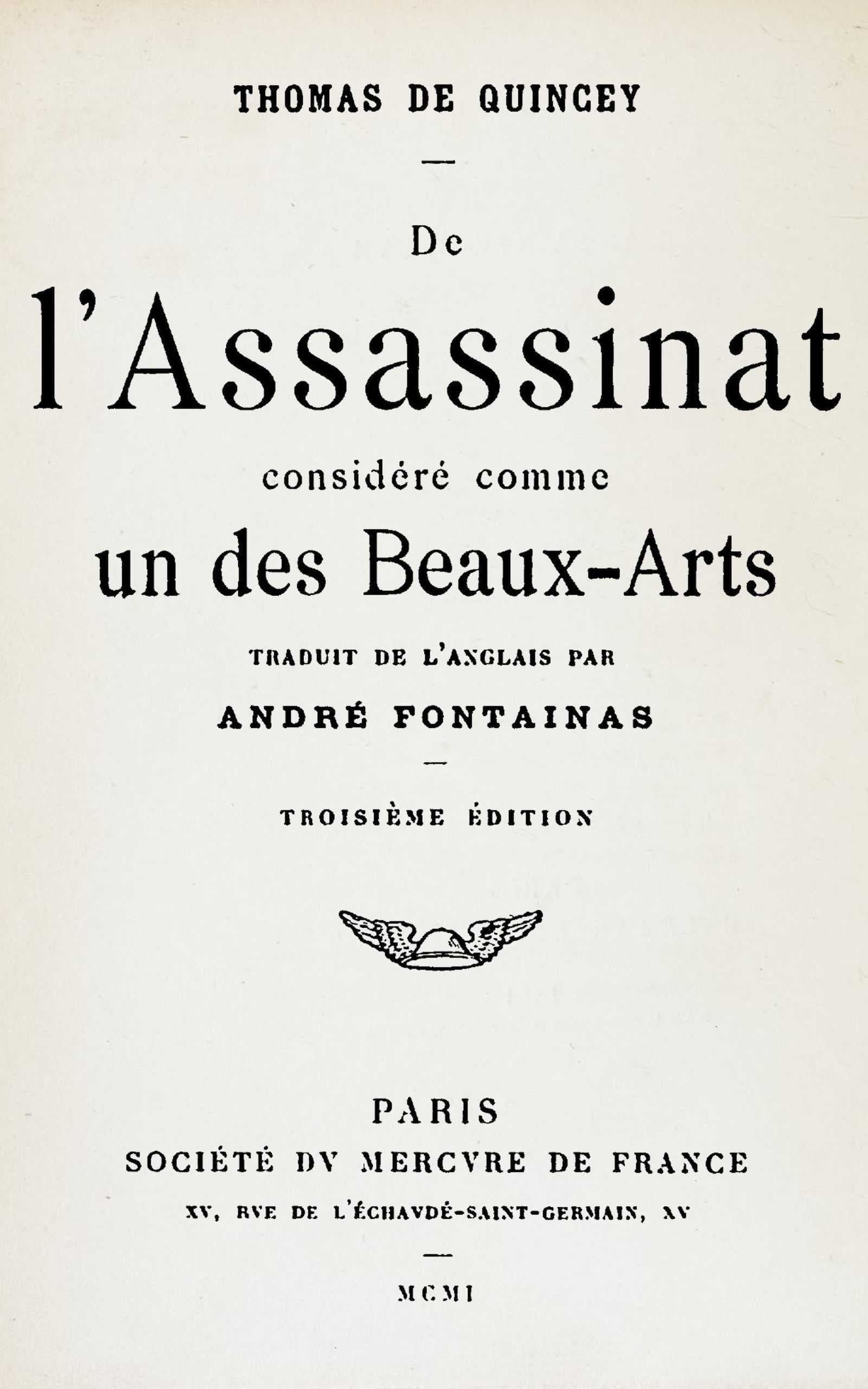
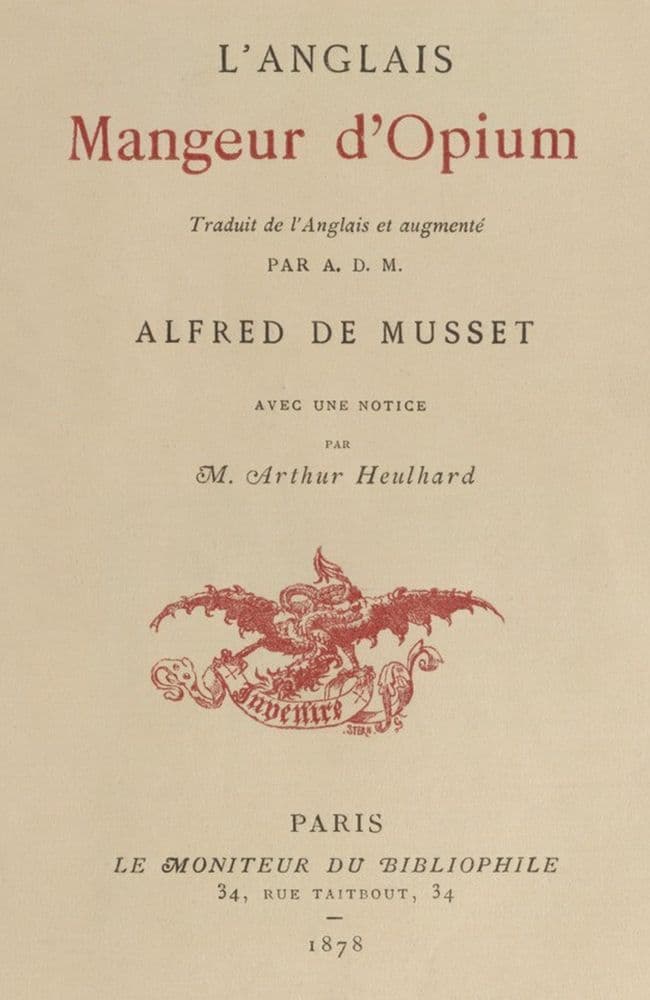


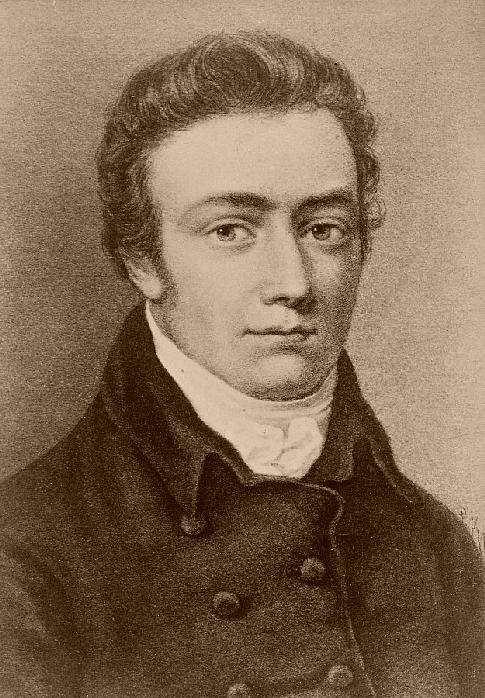


Link to this page
Add a free, dofollow link to Lex on your blog, forum, syllabus, or reading list.

<a href="https://lex-books.com/author/thomas-de-quincey"><img src="https://lex-books.com/badges/read-on-lex.svg" alt="Thomas De Quincey on Lex" width="160" height="40"></a>[](https://lex-books.com/author/thomas-de-quincey)[url=https://lex-books.com/author/thomas-de-quincey][img]https://lex-books.com/badges/read-on-lex.svg[/img][/url]Thomas De Quincey on Lex: https://lex-books.com/author/thomas-de-quincey