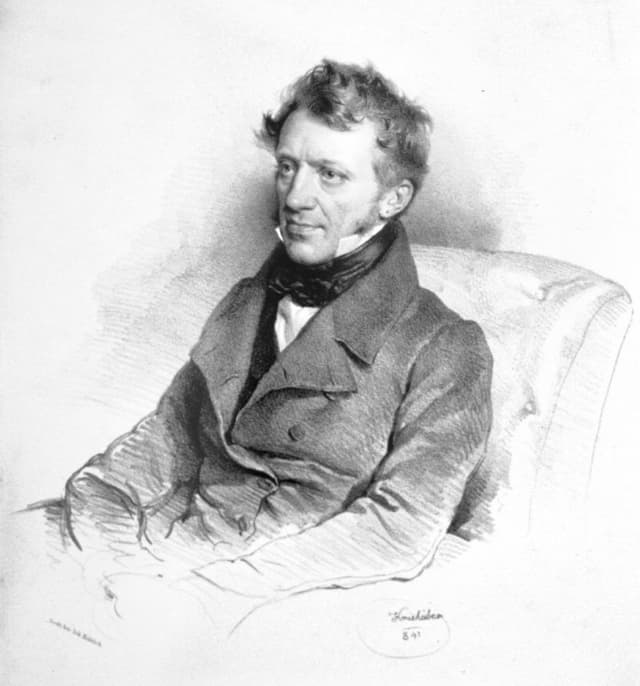
Franz Grillparzer
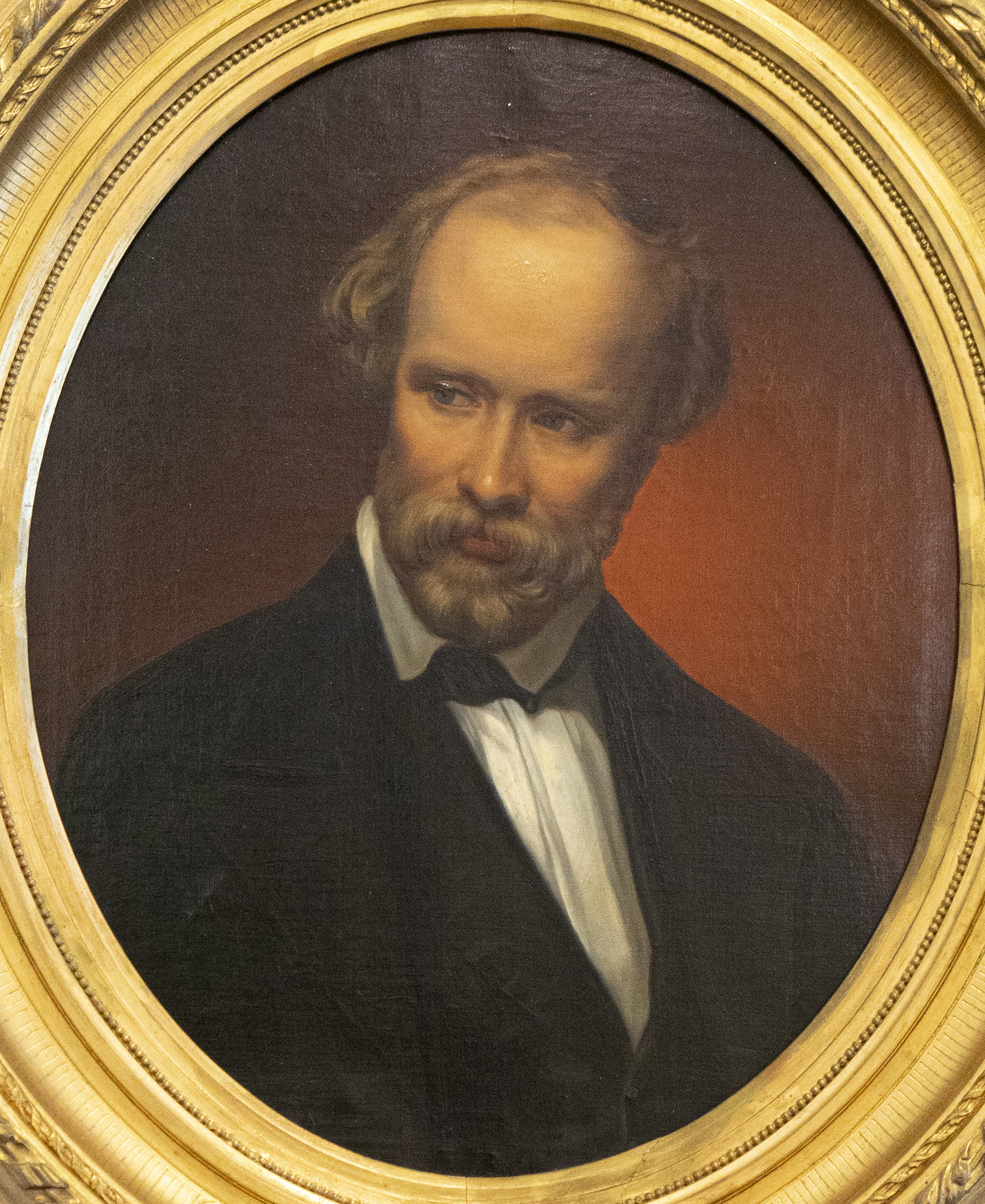
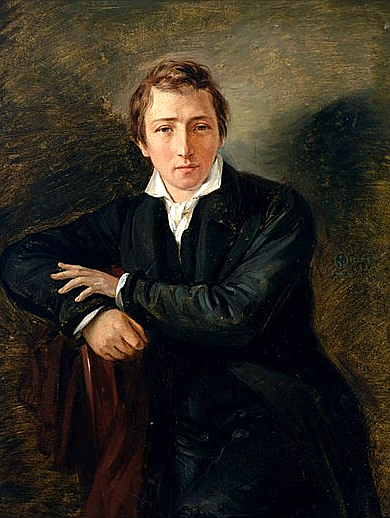
Franz Grillparzer was an influential Austrian playwright and poet, recognized as the foremost dramatist of the 19th century in Austria. His works were frequently staged at the prestigious Burgtheater in Vienna, where they showcased his commitment to classical ideals of beauty and morality. Grillparzer's writing emerged during the Romantic period, yet his poetic language and thematic focus were deeply rooted in the Classical tradition, reflecting a preference for spiritual values over the emerging realism of his time. Notable plays such as 'Die Ahnfrau,' 'Schauspieler,' and 'Libussa' exemplify his unique approach to drama, often exploring profound existential themes and the human condition. In addition to his theatrical contributions, Grillparzer was a close friend of notable composers, penning the oration for Ludwig van Beethoven's funeral and the epitaph for Franz Schubert. His works gained renewed significance in the post-World War II era, leading to his recognition as Austria's national poet. Grillparzer's legacy endures through his exploration of the human spirit and the moral dilemmas faced by individuals, marking him as a pivotal figure in the landscape of Austrian literature.
Famous Quotes
View all 3 quotes“Eifersucht ist eine Leidenschaft, Die mit Eifer sucht, was Leiden schafft. (Jealousy is a grievous passion that jealously seeks what causes grief.)”
“Moons and years pass by and are gone forever, but a beautiful moment shimmers through life a ray of light.”
“The uneducated person perceives only the individual phenomenon, the partly educated person the rule, and the educated person the exception.”
Books from the author





Link to this page
Add a free, dofollow link to Lex on your blog, forum, syllabus, or reading list.

<a href="https://lex-books.com/author/franz-grillparzer"><img src="https://lex-books.com/badges/read-on-lex.svg" alt="Franz Grillparzer on Lex" width="160" height="40"></a>[](https://lex-books.com/author/franz-grillparzer)[url=https://lex-books.com/author/franz-grillparzer][img]https://lex-books.com/badges/read-on-lex.svg[/img][/url]Franz Grillparzer on Lex: https://lex-books.com/author/franz-grillparzer