The Essays of Arthur Schopenhauer; the Art of Literature
The Essays of Arthur Schopenhauer; the Art of Literature
Translated by T. Bailey (Thomas Bailey) Saunders
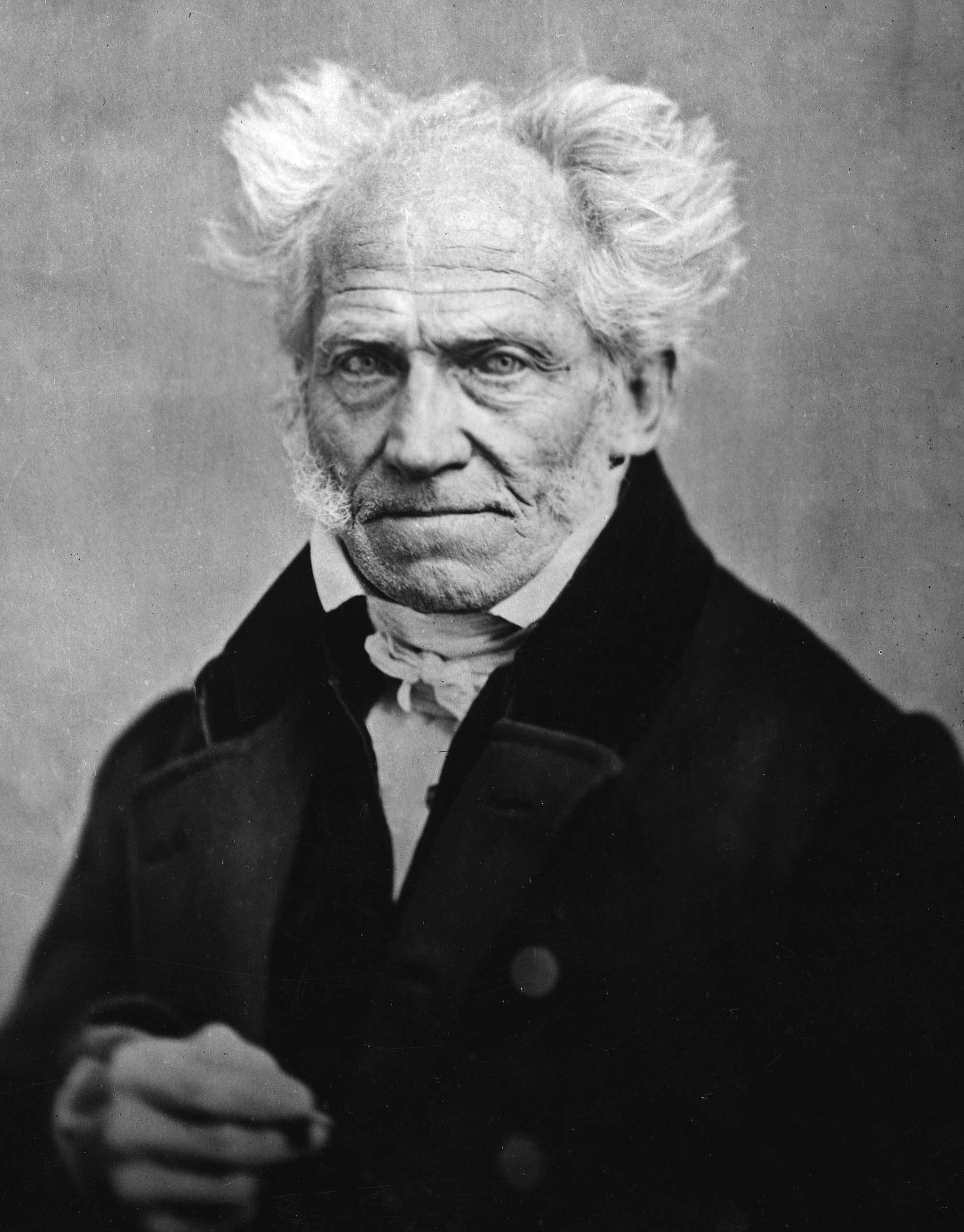
Schopenhauer's essays on literature aren't really about literature at all - they're about the price of honesty in a world that rewards performance. Written in the early 19th century but feeling urgently modern, these pieces dissect the anatomy of bad writing: why publishers chase trends, why authors compromise their vision, why clarity gets sacrificed on the altar of cleverness. He maps the difference between minds that think and minds that merely appear to think, contrasting authors who write for the subject's sake against those who write for profit. The essays ripple with specific targets - sentimentalists, hacks, academics - yet the real target is the universal weakness for comfortable lies over uncomfortable truths. Schopenhauer wrote as a man who knew obscurity: his own work went largely unread for decades before finally gaining recognition. These essays endure because the pressures he diagnosed have only intensified. For anyone who has ever tried to write something true and felt the gravitational pull toward something easier, this collection offers bracing counsel and the comfort of difficult company.
Editions
X-Ray
“there are very few who can think, but every man wants to have an opinion; and what remains but to take it ready-made from others, instead of forming opinions for himself?””
— Arthur Schopenhauer
“If human nature were not base, but thoroughly honourable, we should in every debate have no other aim than the discovery of truth; we should not in the least care whether the truth proved to be in favour of the opinion which we had begun by expressing, or of the opinion of our adversary. That we should regard as a matter of no moment, or, at any rate, of very secondary consequence; but, as things are, it is the main concern. Our innate vanity, which is particularly sensitive in reference to our intellectual powers, will not suffer us to allow that our first position was wrong and our adversary’s right. The way out of this difficulty would be simply to take the trouble always to form a correct judgment. For this a man would have to think before he spoke. But, with most men, innate vanity is accompanied by loquacity and innate dishonesty. They speak before they think; and even though they may afterwards perceive that they are wrong, and that what they assert is false, they want it to seem thecontrary. The interest in truth, which may be presumed to have been their only motive when they stated the proposition alleged to be true, now gives way to the interests of vanity: and so, for the sake of vanity, what is true must seem false, and what is false must seem true.””
— Arthur Schopenhauer
“A last trick is to become personal, insulting and rude as soon as you perceive that your opponent has the upper hand. In becoming personal you leave the subject altogether, and turn your attack on the person by remarks of an offensive and spiteful character. This is a very popular trick, because everyone is able to carry it into effect.””
— Arthur Schopenhauer
“Every light can be extinguished. The intellect is a light. Therefore it can, be extinguished.””
— Arthur Schopenhauer
“The only safe rule, therefore, is that which Aristotle mentions in the last chapter of his Topica: not to dispute with the first person you meet, but only with those of your acquaintance of whom you know that they possess sufficient intelligence and self-respect not to advance absurdities; to appeal to reason and not to authority, and to listen to reason and yield to it; and, finally, to cherish truth, to be willing to accept reason even from an opponent, and to be just enough to bear being proved to be in the wrong, should truth lie with him. From this it follows that scarcely one man in a hundred is worth your disputing with him. You may let the remainder say what they please, for every one is at liberty to be a fool”
— Arthur Schopenhauer
“It would be a great mistake to suppose that it is sufficient not to become personal yourself. For by showing a man quite quietly that he is wrong, and that what he says and thinks is incorrect”
— Arthur Schopenhauer
“Dialectic is the art of intellectual fencing; and it is only when we so regard it that we can erect it into a branch of knowledge.””
— Arthur Schopenhauer
“The only certain rule is the one that Aristotle already gave: do not dispute with anyone and everyone, but only with those people you know who are intelligent enough to avoid saying things that are so stupid as to expose themselves to humiliation, who appreciate the truth, and who gladly listen to good reasons, even when the opponent claims them, and who are balanced enough to bear a defeat when the truth is on the other side.””
— Arthur Schopenhauer
“إن ما يسمى الرأي المشترك هو -بالنظر إليه جيداً- رأي شخصين أو ثلاثة أشخاص، وقد يمكننا أن نقتنع به إذا نحن لاحظنا كيف تولد فكرة كهذه. سنلاحظ إذن أنهما في البداية شخصان أو ثلاثة أشخاص هم الذين سلموا به أو أوردوه وأكدوه، وإنه من باب الرفق بهم الاعتقاد أنهم فحصوه تماماً. والبعض الآخر طفق بالمثل، مستعجلاً الحكم بالكفاءة الكاملة لهم في تبني هذا الرأي. بدوره عدد كبير من الأشخاص يركنون إلى هؤلاء. يحملهم كسلهم على تصديق الأمور دفعة واحدة عوض عناء فحصها. هكذا ازداد يوماً بعد يوم عدد هؤلاء الأتباع الكسالى والسّذج، لأنه بمجرد أن يحوز الرأي عدداً لا بأس به من الأصوات يظن اللاحقون أنه ما كان له -أي الرأي- أن يشدّهم إلّا بفضل صحة أسسه. والآخرون مجبرون إذن على الاعتراف بما كان مقبولاً عامةً لكيلا يتمَّ اعتبارهم أرواحاً قلقة ثائرة ضد آراء مقبولة عالمياً ووقحين يحسبون أنفسهم أشد مكراً من جميع الناس. إن التأييد إذن أصبح واجباً. من الآن فصاعداً، العدد القليل من أولئك الذين هم قادرون على الحكم مجبر على الصمت، وأولئك الذين لهم الحق في الكلام هو أولئك العاجزون تماماً عن أن يختلقوا لأنفسهم رأياً وحكماً، والذين ليسوا إذن إلّا صدى لآراء الغير. إنهم مع ذلك مدافعون عنها، شديدون ومتعصبون. لأن ما يمقتونه عند ذلك الذي يفكر على نحو مغاير؛ ليس كثيراً الرأي المخالف الذي يعظمه أكثر من التعجرف الموجود لدي في إرادته الحكم بنفسه، الشيء الذي لا يفعلونه أنفسهم بطبيعة الحال أبداً، والذي هم واعون به في سرّهم. باختصار، القليل من الناس يحسنون التفكير، لكن الجميع يريد أن يمتلك آراءً.””
— Arthur Schopenhauer
Link to this book
Add a free, dofollow link to Lex on your blog, forum, syllabus, or reading list.

<a href="https://lex-books.com/book/the-essays-of-arthur-schopenhauer-the-art-of-literature-9b556119-8b95-445c-9fa9-3504f30bedcf"><img src="https://lex-books.com/badges/read-on-lex.svg" alt="Read The Essays of Arthur Schopenhauer; the Art of Literature by Arthur Schopenhauer free on Lex" width="160" height="40"></a>[](https://lex-books.com/book/the-essays-of-arthur-schopenhauer-the-art-of-literature-9b556119-8b95-445c-9fa9-3504f30bedcf)[url=https://lex-books.com/book/the-essays-of-arthur-schopenhauer-the-art-of-literature-9b556119-8b95-445c-9fa9-3504f30bedcf][img]https://lex-books.com/badges/read-on-lex.svg[/img][/url]Read The Essays of Arthur Schopenhauer; the Art of Literature by Arthur Schopenhauer free on Lex: https://lex-books.com/book/the-essays-of-arthur-schopenhauer-the-art-of-literature-9b556119-8b95-445c-9fa9-3504f30bedcfCite this book
Reading this edition for a paper or guide? Copy a citation.
Schopenhauer, Arthur. The Essays of Arthur Schopenhauer; the Art of Literature. Lex, lex-books.com/book/the-essays-of-arthur-schopenhauer-the-art-of-literature-9b556119-8b95-445c-9fa9-3504f30bedcf.Schopenhauer, A. (n.d.). The Essays of Arthur Schopenhauer; the Art of Literature. Lex. https://lex-books.com/book/the-essays-of-arthur-schopenhauer-the-art-of-literature-9b556119-8b95-445c-9fa9-3504f30bedcfSchopenhauer, Arthur. The Essays of Arthur Schopenhauer; the Art of Literature. Lex. https://lex-books.com/book/the-essays-of-arthur-schopenhauer-the-art-of-literature-9b556119-8b95-445c-9fa9-3504f30bedcf.