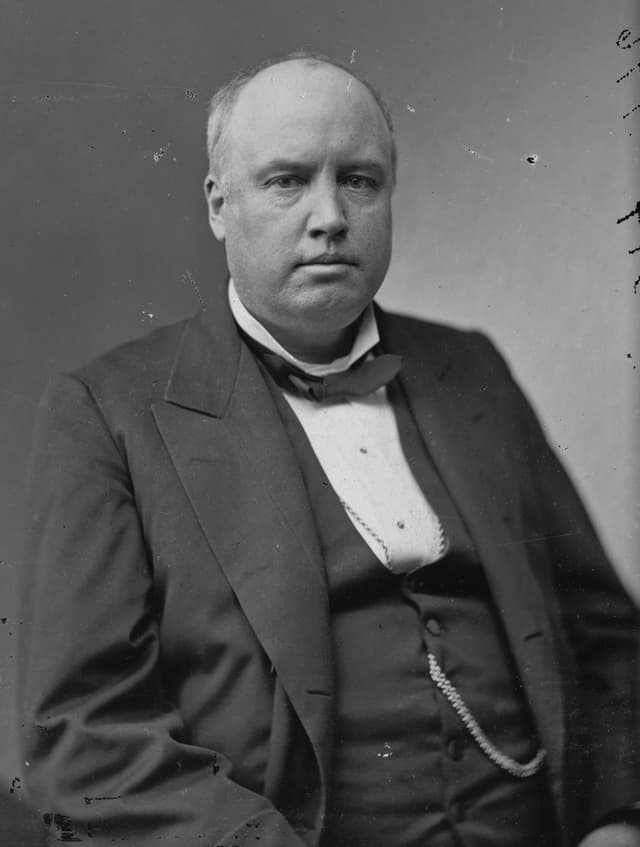
Robert Green Ingersoll
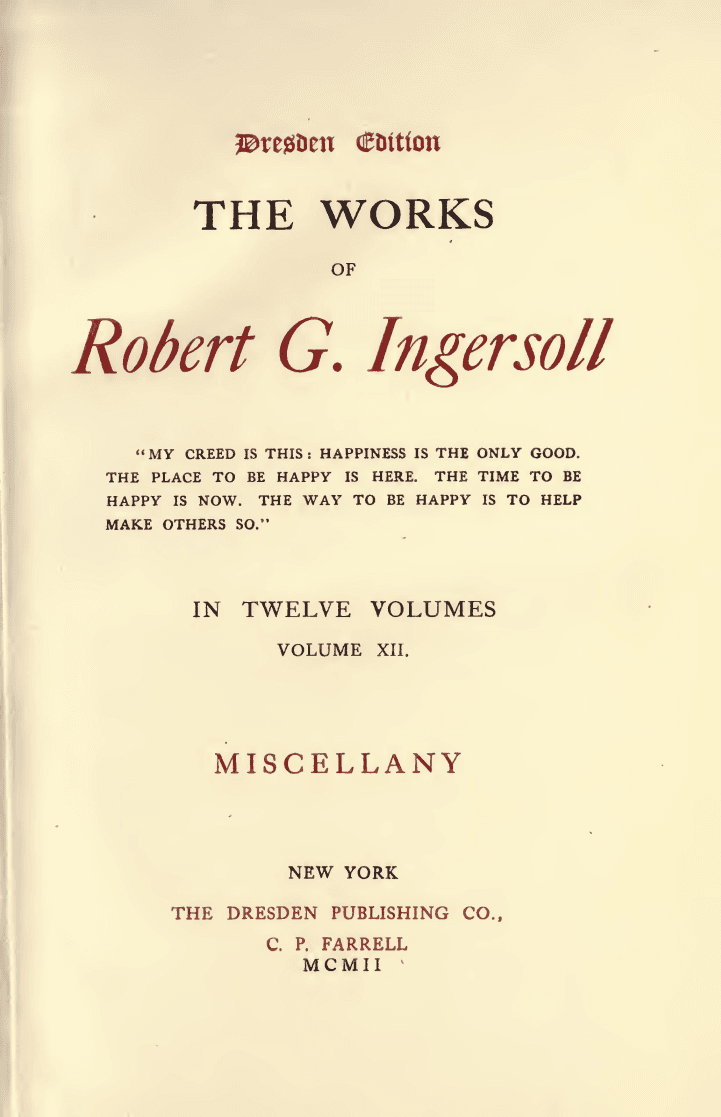
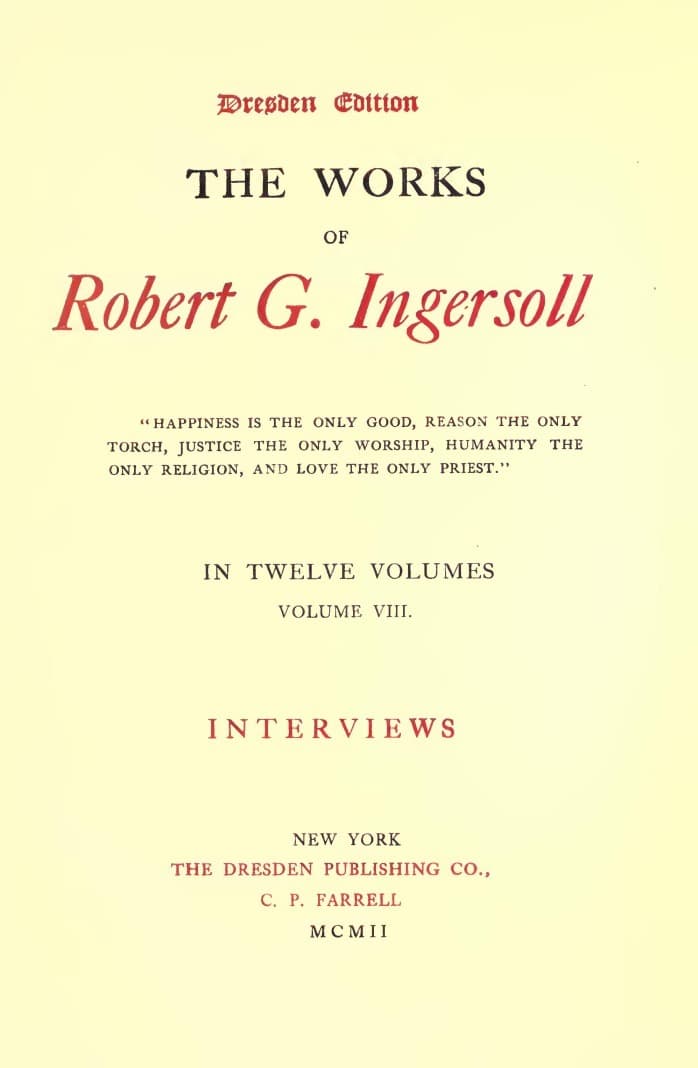
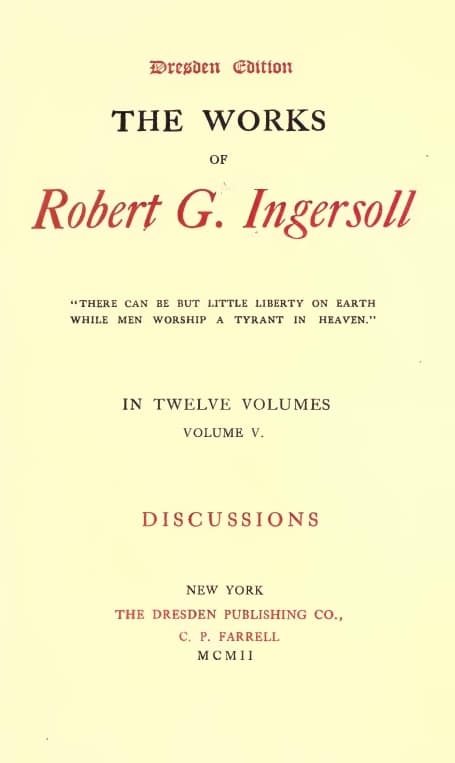
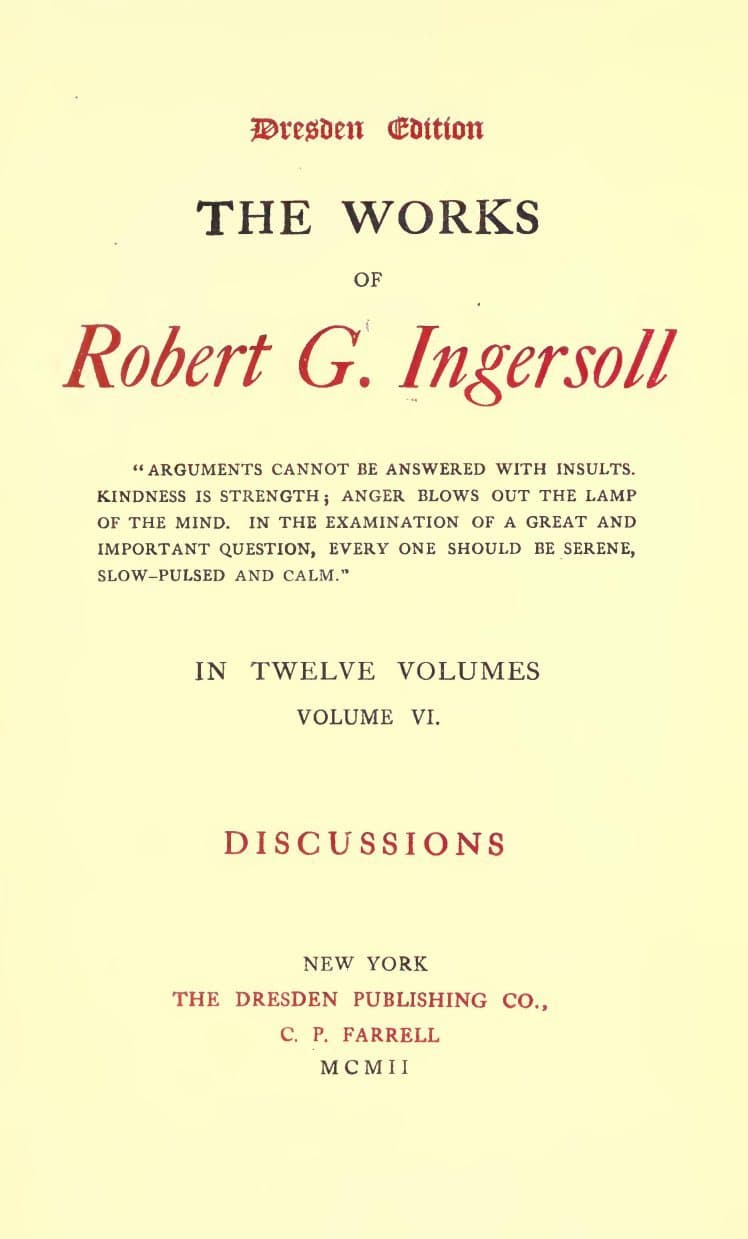
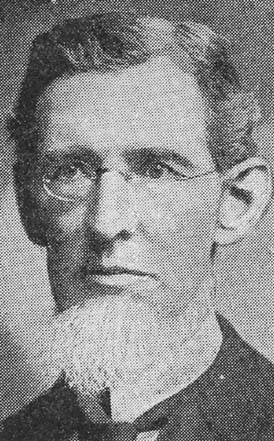
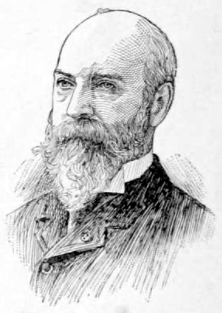
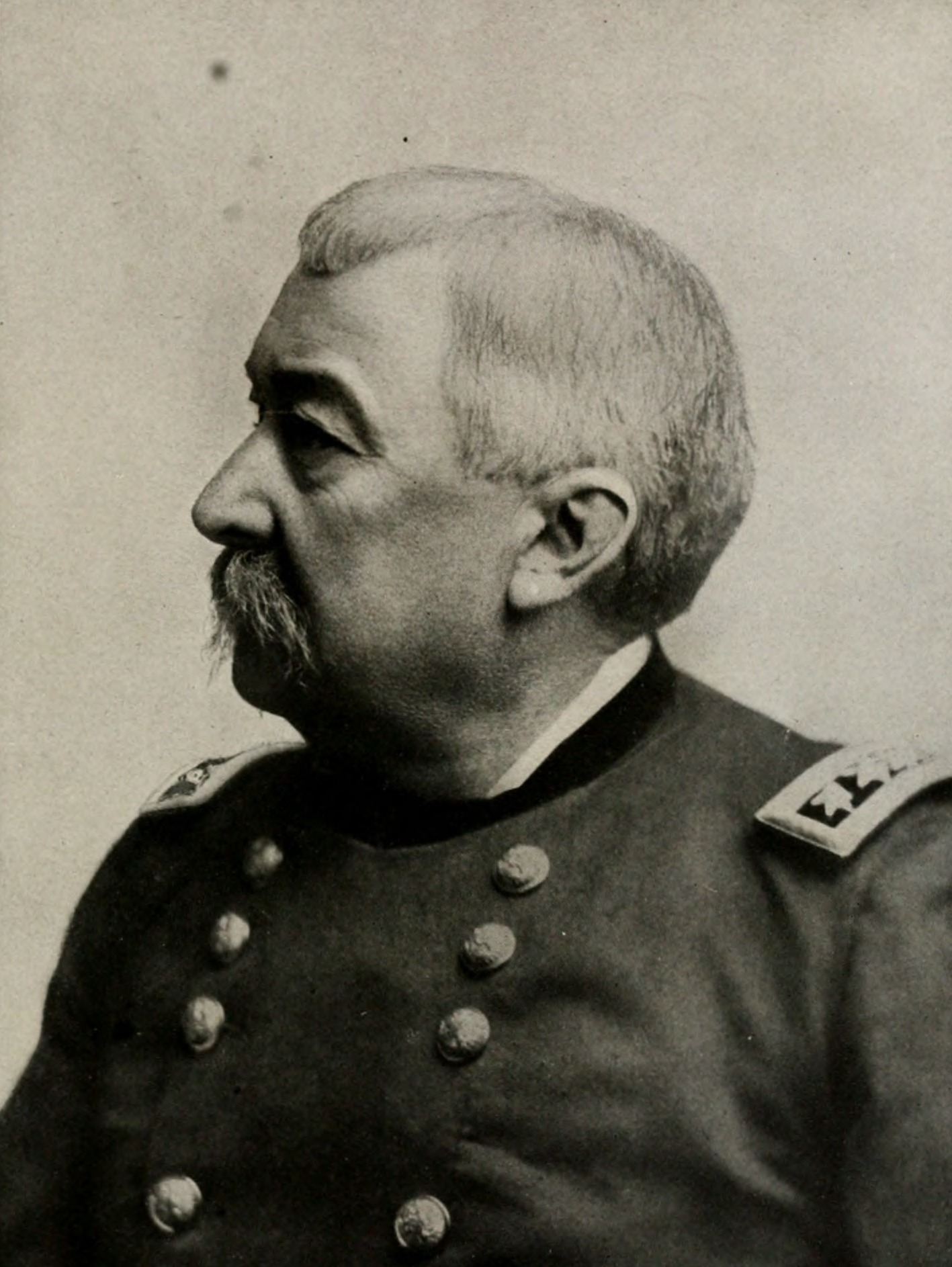
Robert Green Ingersoll was a prominent American lawyer, writer, and orator known as 'the Great Agnostic.' He emerged during the Golden Age of Free Thought, a period marked by a growing skepticism towards traditional religious beliefs. Ingersoll was a passionate advocate for agnosticism, arguing for the importance of reason and evidence in matters of faith. His eloquent speeches and writings challenged the dogmas of religion and promoted individual liberty, free thought, and secularism, making him a significant figure in the intellectual landscape of the 19th century. Among his notable works are 'Some Mistakes of Moses,' where he critiqued biblical narratives, and 'The Gods,' a powerful discourse on religion and belief. Ingersoll's influence extended beyond literature; he was a key figure in the movement for civil rights, women's suffrage, and the separation of church and state. His legacy as a champion of rational thought and humanism continues to inspire contemporary discussions on religion and ethics, solidifying his place as a pivotal figure in American intellectual history.
Famous Quotes
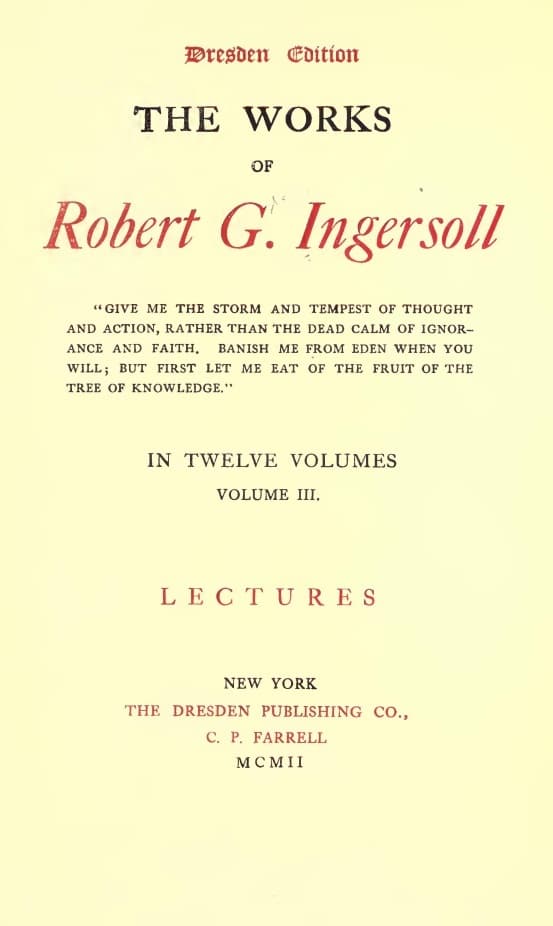
View all 13 quotes“Religion can never reform mankind because religion is slavery. It is far better to be free, to leave the forts and barricades of fear, to stand erect and face the future with a smile. It is far better to give yourself sometimes to negligence, to drift with wave and tide, with the blind force of the world, to think and dream, to forget the chains and limitations of the breathing life, to forget purpose and object, to lounge in the picture gallery of the brain, to feel once more the clasps and kisses of the past, to bring life's morning back, to see again the forms and faces of the dead, to paint fair pictures for the coming years, to forget all Gods, their promises and threats, to feel within your veins life's joyous stream and hear the martial music, the rhythmic beating of your fearless heart. And then to rouse yourself to do all useful things, to reach with thought and deed the ideal in your brain, to give your fancies wing, that they, like chemist bees, may find art's nectar in the weeds of common things, to look with trained and steady eyes for facts, to find the subtle threads that join the distant with the now, to increase knowledge, to take burdens from the weak, to develop the brain, to defend the right, to make a palace for the soul. This is real religion. This is real worship””
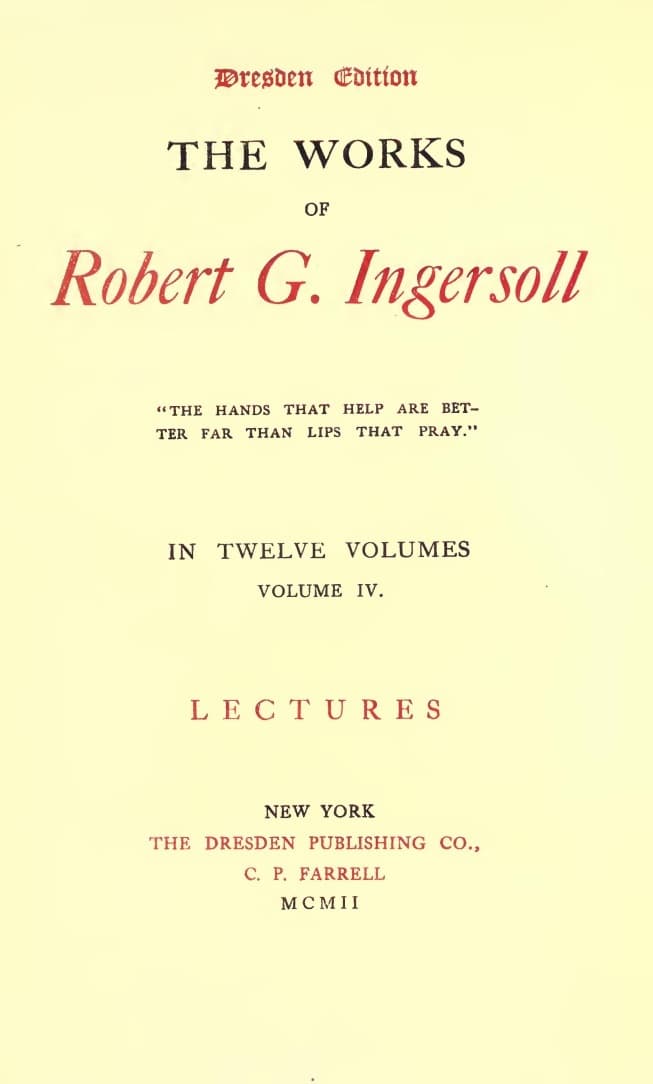
“The hands that help are better far than lips that pray.””
“Reason, Observation and Experience”
Books from the author
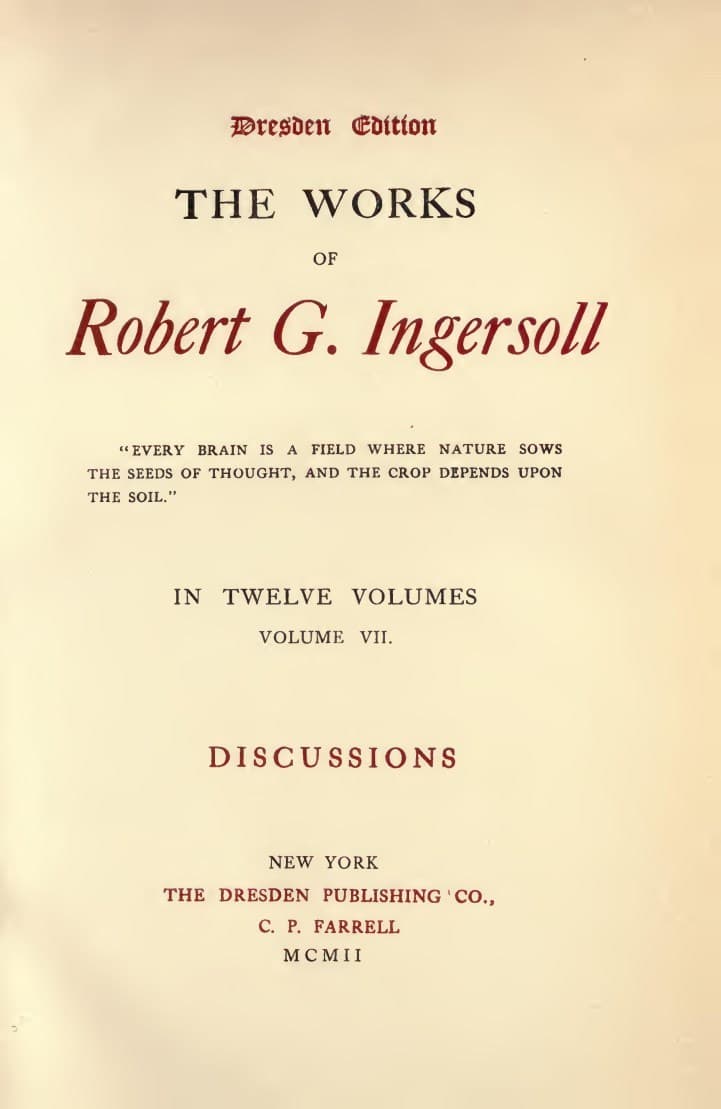
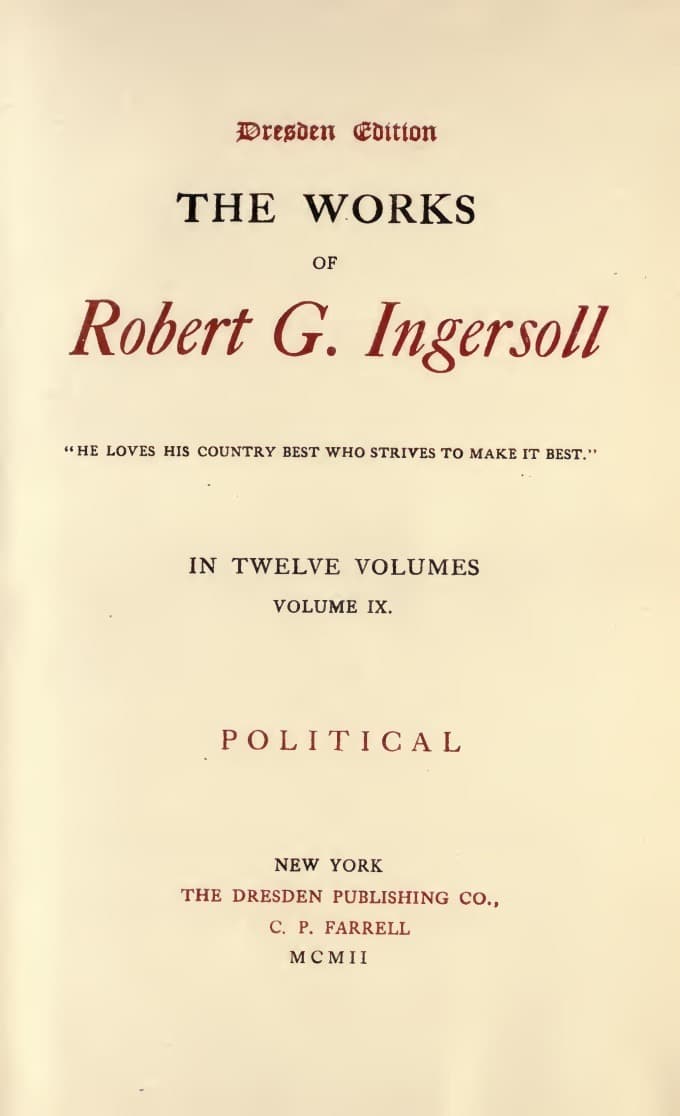
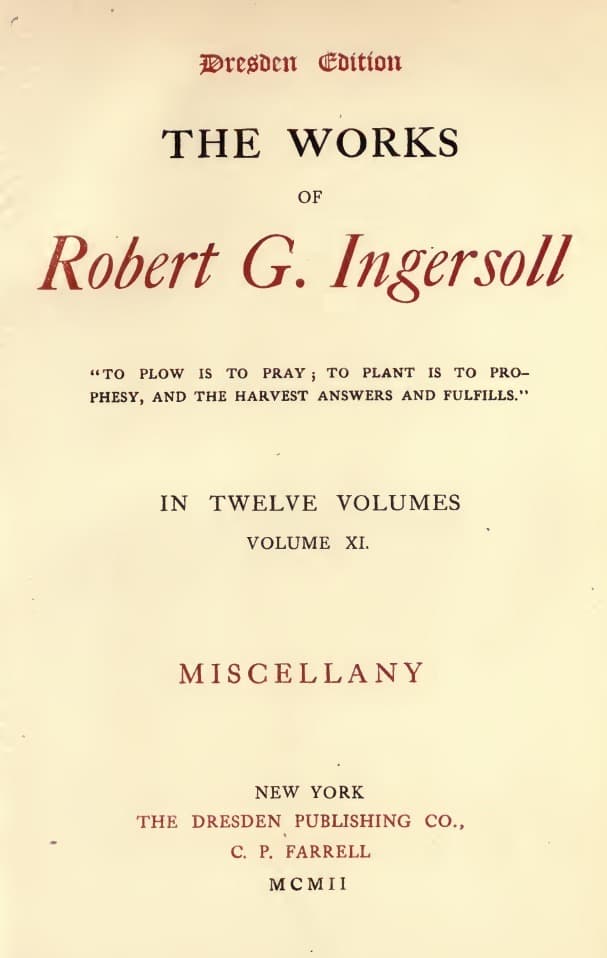
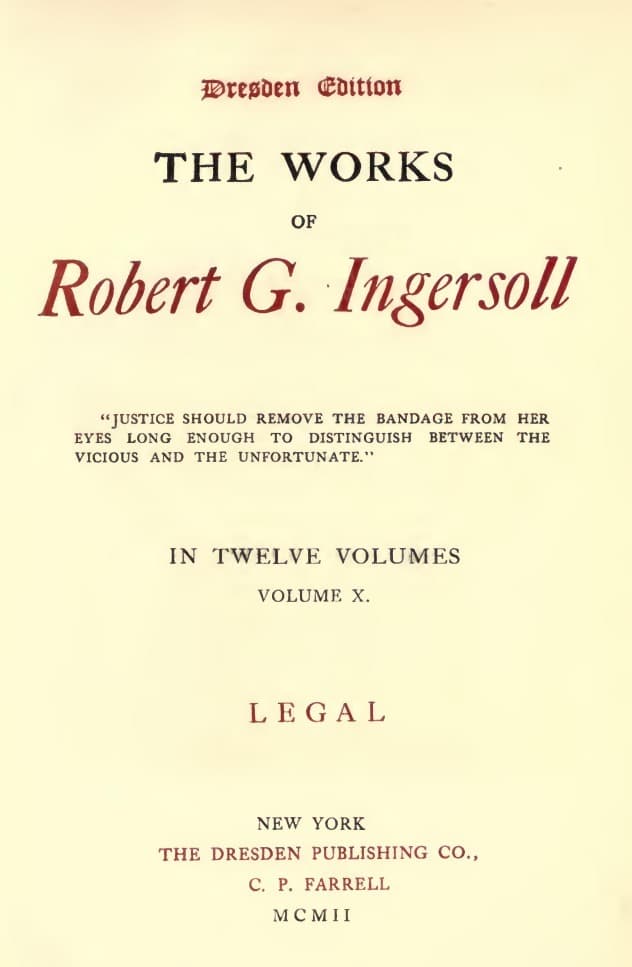




Link to this page
Add a free, dofollow link to Lex on your blog, forum, syllabus, or reading list.

<a href="https://lex-books.com/author/robert-green-ingersoll"><img src="https://lex-books.com/badges/read-on-lex.svg" alt="Robert Green Ingersoll on Lex" width="160" height="40"></a>[](https://lex-books.com/author/robert-green-ingersoll)[url=https://lex-books.com/author/robert-green-ingersoll][img]https://lex-books.com/badges/read-on-lex.svg[/img][/url]Robert Green Ingersoll on Lex: https://lex-books.com/author/robert-green-ingersoll