The Indian Fairy Book: From the Original Legends
1856
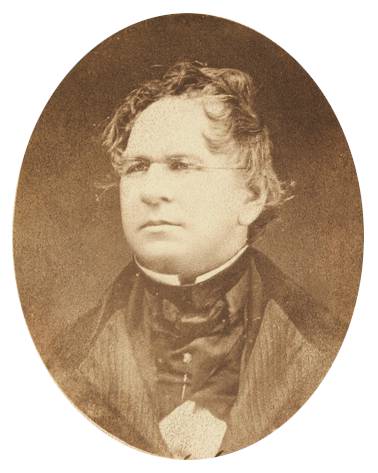
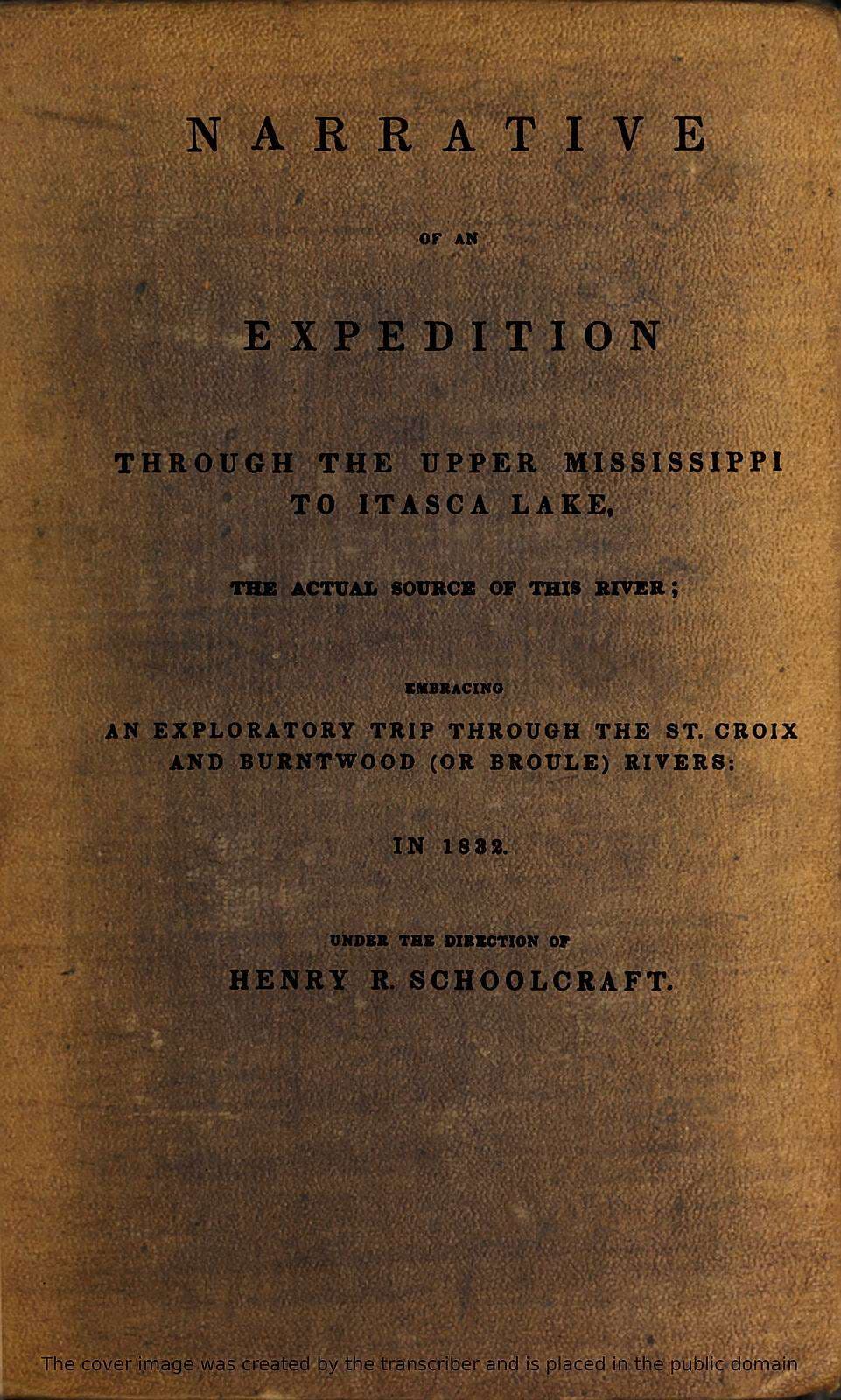
Long before the word "anthropology" existed, Henry Rowe Schoolcraft spent three decades living among the Ojibwe and other Native peoples of the Great Lakes region, listening. What he captured in these pages is nothing less than a living tradition: stories told around fires for generations before paper ever touched them. The Boy Who Set a Snare for the Sun seeks revenge against the celestial thief who burned his grandmother's beloved bird-skin coat. A girl weaves a net from her own hair to trap the Sun itself. The mischievous giant Manabozho transforms himself in endless schemes, while toad-women steal babies and celestial sisters descend from the sky to dance. These are not European fairy tales dressed in feathers. They are indigenous American myths, where the spirit world bleeds seamlessly into the natural one, where animals speak and stones remember, and where every adventure carries the weight of moral instruction. Schoolcraft's collection remains remarkable not for its ethnographic completeness, but for its rawness: you can hear the oral tradition in these pages, the rhythms of a storyteller still close to the source. For readers seeking genuine Native American mythology, not the sanitized versions, this 1856 collection offers something increasingly rare: stories told in their own voice, before they were retold through the lens of conquest.
Editions
Link to this book
Add a free, dofollow link to Lex on your blog, forum, syllabus, or reading list.

<a href="https://lex-books.com/book/the-indian-fairy-book-from-the-original-legends-5cf3efbe-cf3b-4bbe-89c8-639ad25e65be"><img src="https://lex-books.com/badges/read-on-lex.svg" alt="Read The Indian Fairy Book: From the Original Legends by Henry Rowe Schoolcraft free on Lex" width="160" height="40"></a>[](https://lex-books.com/book/the-indian-fairy-book-from-the-original-legends-5cf3efbe-cf3b-4bbe-89c8-639ad25e65be)[url=https://lex-books.com/book/the-indian-fairy-book-from-the-original-legends-5cf3efbe-cf3b-4bbe-89c8-639ad25e65be][img]https://lex-books.com/badges/read-on-lex.svg[/img][/url]Read The Indian Fairy Book: From the Original Legends by Henry Rowe Schoolcraft free on Lex: https://lex-books.com/book/the-indian-fairy-book-from-the-original-legends-5cf3efbe-cf3b-4bbe-89c8-639ad25e65beCite this book
Reading this edition for a paper or guide? Copy a citation.
Schoolcraft, Henry Rowe. The Indian Fairy Book: From the Original Legends. Lex, lex-books.com/book/the-indian-fairy-book-from-the-original-legends-5cf3efbe-cf3b-4bbe-89c8-639ad25e65be.Schoolcraft, H. R. (1856). The Indian Fairy Book: From the Original Legends. Lex. https://lex-books.com/book/the-indian-fairy-book-from-the-original-legends-5cf3efbe-cf3b-4bbe-89c8-639ad25e65beSchoolcraft, Henry Rowe. The Indian Fairy Book: From the Original Legends. Lex. https://lex-books.com/book/the-indian-fairy-book-from-the-original-legends-5cf3efbe-cf3b-4bbe-89c8-639ad25e65be.