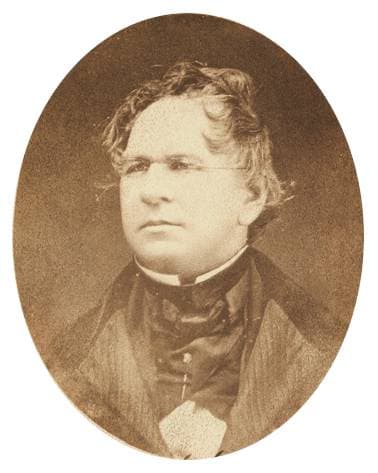
Henry Rowe Schoolcraft
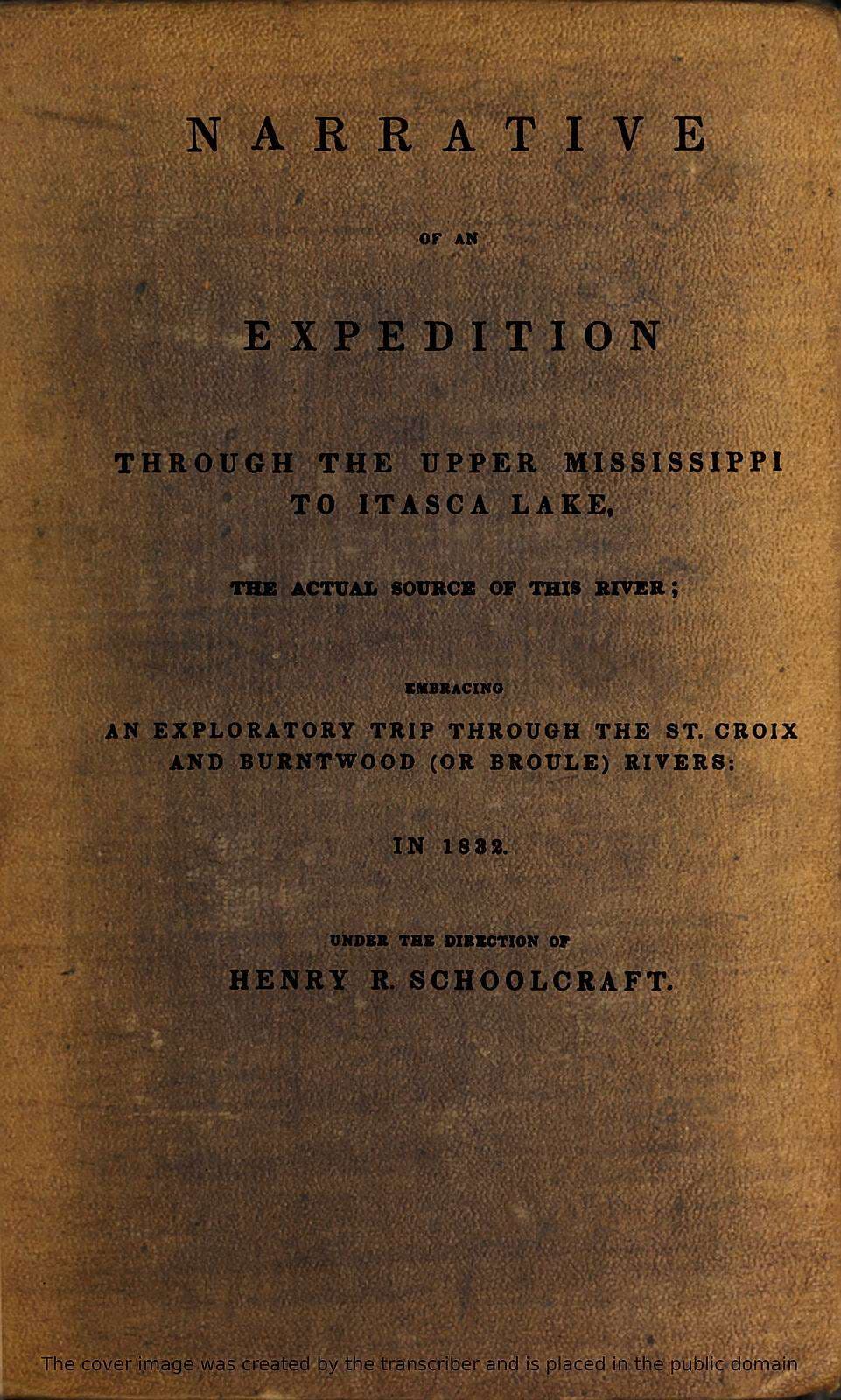
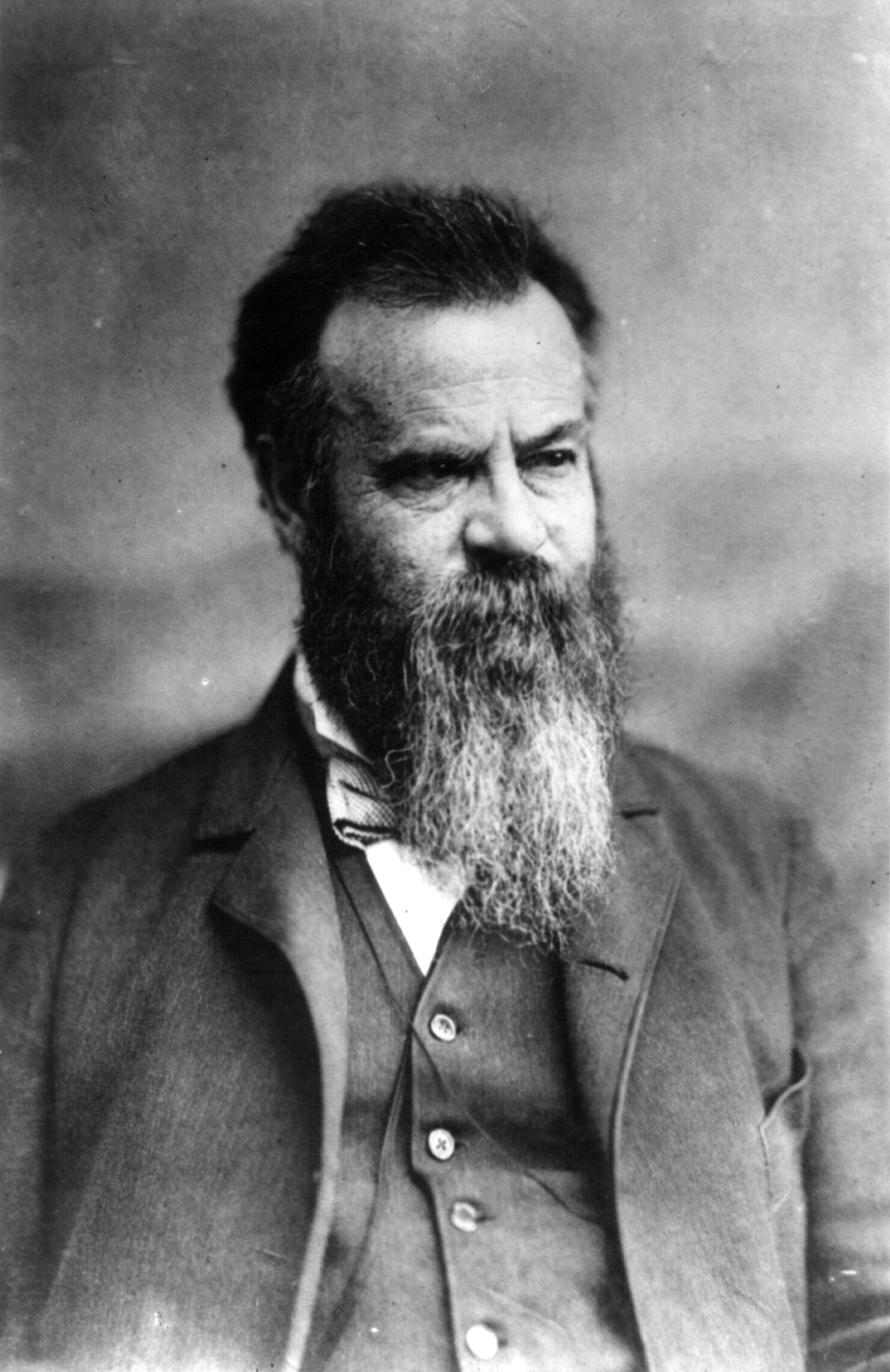
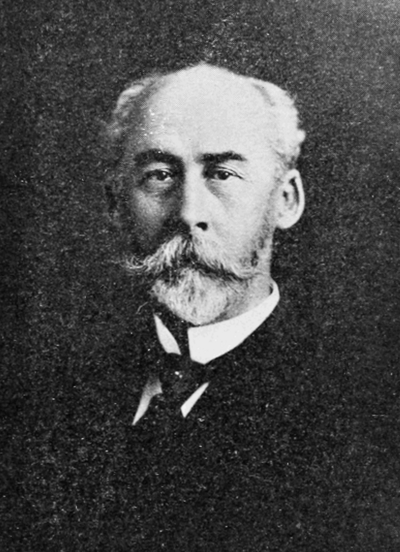
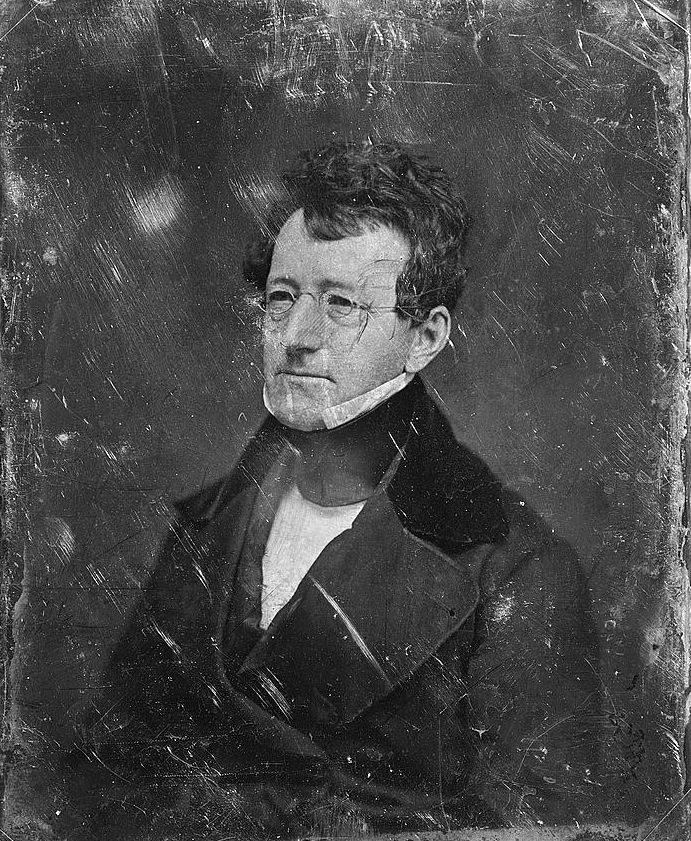
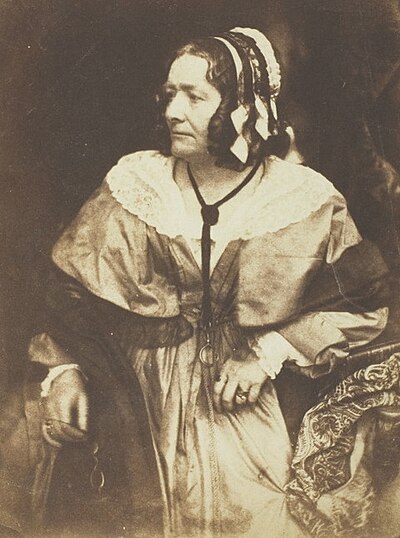
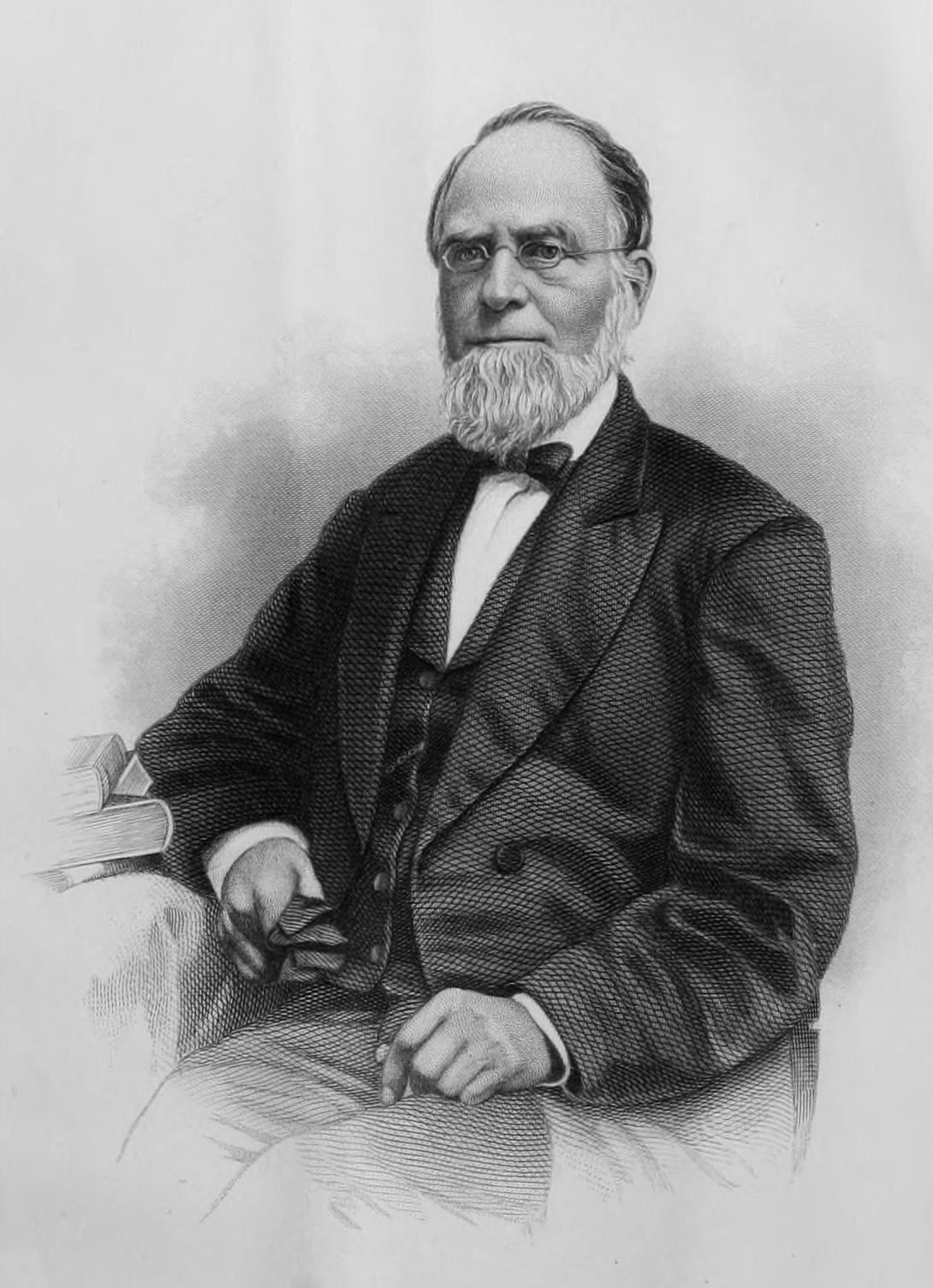
Henry Rowe Schoolcraft was an influential American geographer, geologist, and ethnologist, renowned for his pioneering studies of Native American cultures. His 1832 expedition to the source of the Mississippi River marked a significant contribution to American geography. Schoolcraft's most notable work is the six-volume study of Native Americans, commissioned by Congress and published in the 1850s, which provided an extensive examination of various tribes and their cultures. This work not only documented indigenous life but also aimed to preserve the knowledge of Native American languages and traditions during a time of rapid change and displacement. In addition to his scholarly pursuits, Schoolcraft served as the United States Indian agent in Michigan starting in 1822, where he played a crucial role in the administration of Native American affairs. His marriage to Jane Johnston, the daughter of a prominent fur trader and an Ojibwe mother, further deepened his engagement with Native cultures. Jane, recognized as the first Native American literary writer in the United States, taught Schoolcraft the Ojibwe language and significantly influenced his understanding of indigenous traditions. Through his works and personal connections, Schoolcraft left a lasting legacy in the fields of anthropology and American literature, highlighting the importance of Native American voices and experiences in the broader narrative of American history.
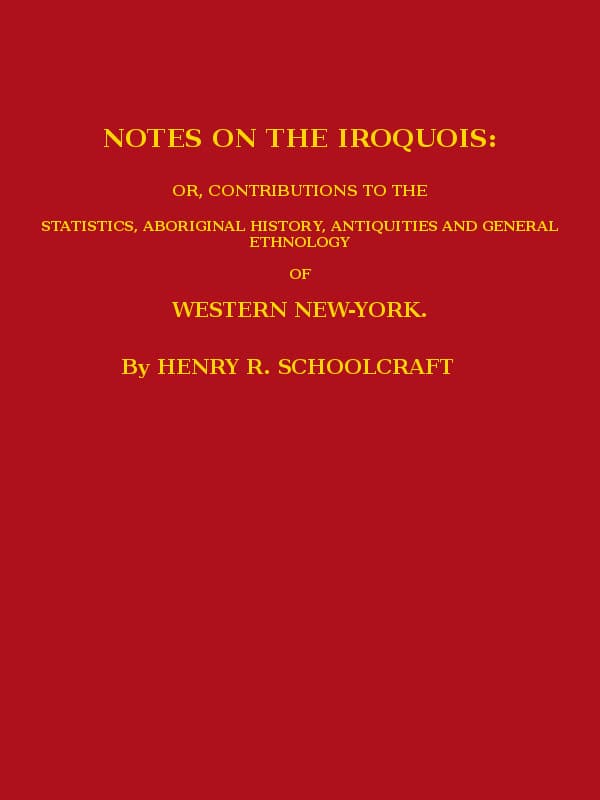
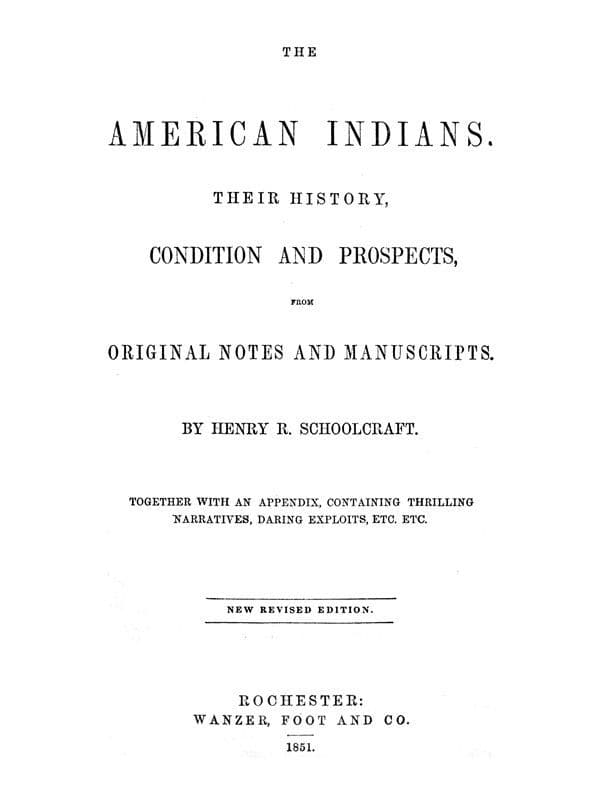
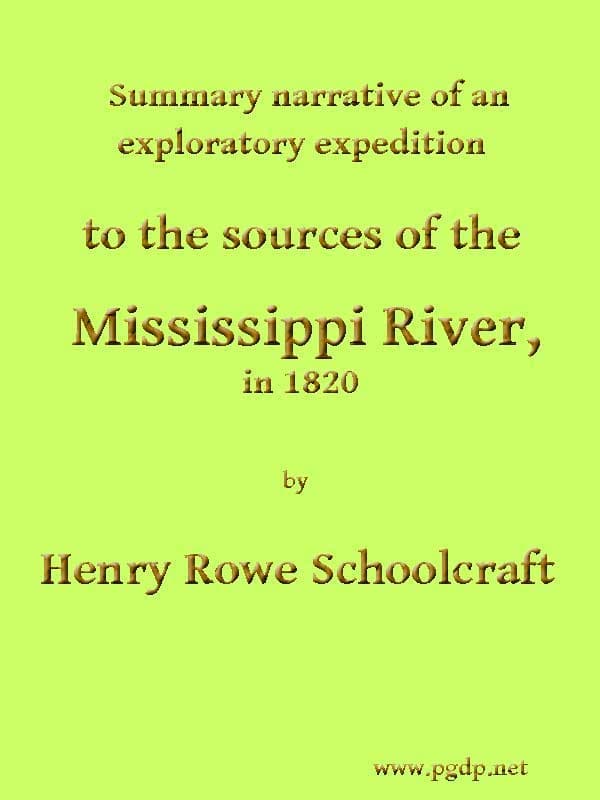
Books from the author

Link to this page
Add a free, dofollow link to Lex on your blog, forum, syllabus, or reading list.

<a href="https://lex-books.com/author/henry-rowe-schoolcraft"><img src="https://lex-books.com/badges/read-on-lex.svg" alt="Henry Rowe Schoolcraft on Lex" width="160" height="40"></a>[](https://lex-books.com/author/henry-rowe-schoolcraft)[url=https://lex-books.com/author/henry-rowe-schoolcraft][img]https://lex-books.com/badges/read-on-lex.svg[/img][/url]Henry Rowe Schoolcraft on Lex: https://lex-books.com/author/henry-rowe-schoolcraft