Narrative of an Expedition Through the Upper Mississippi to Itasca Lake, the…
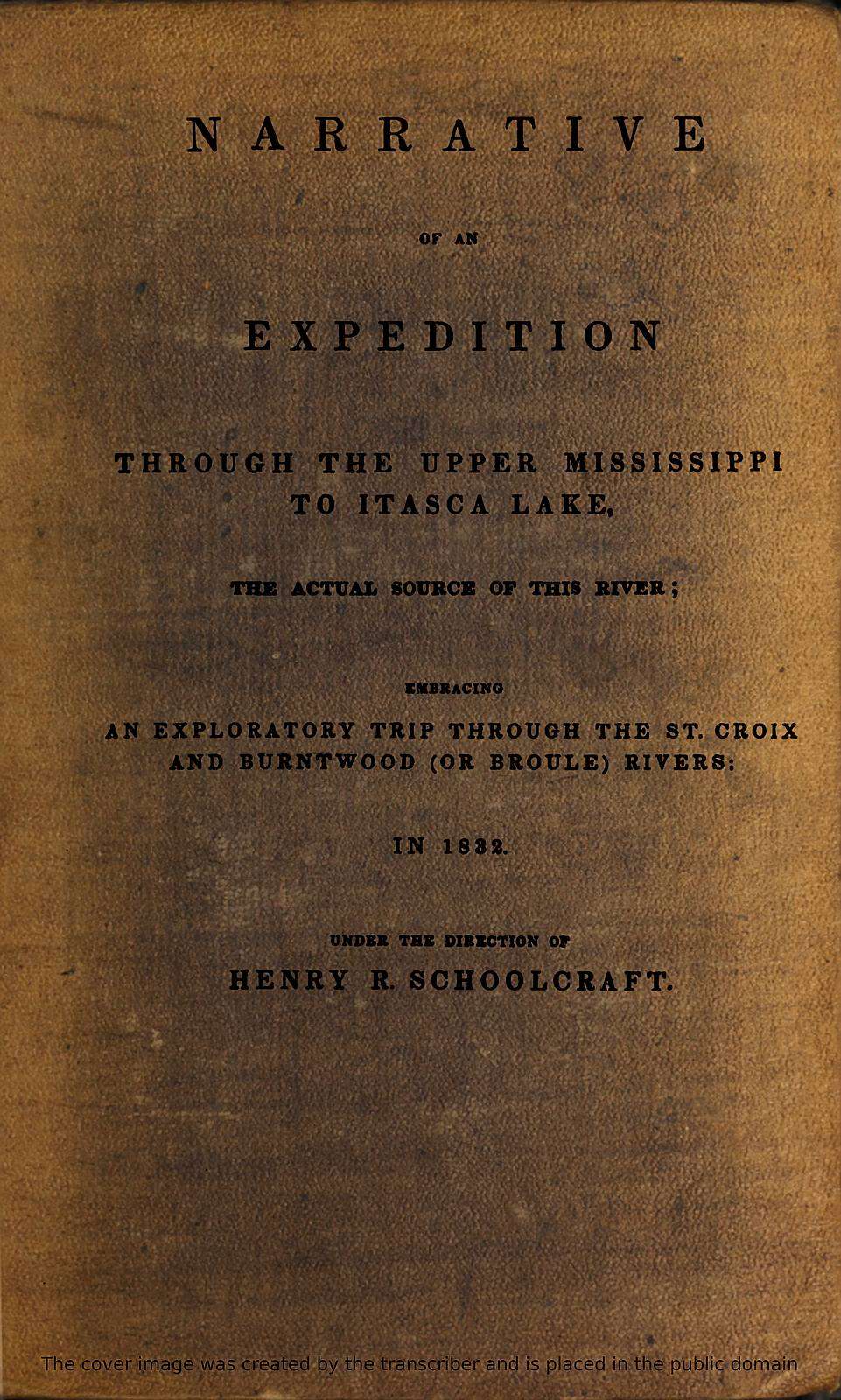
Narrative of an Expedition Through the Upper Mississippi to Itasca Lake, the…
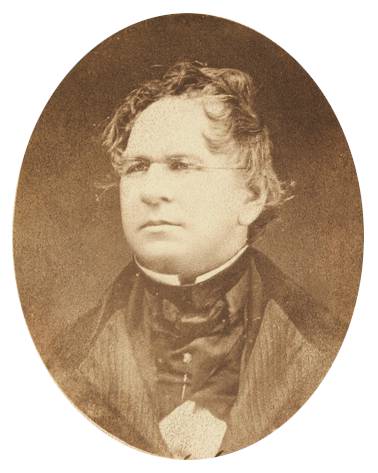
In 1832, Henry Rowe Schoolcraft embarked on an expedition that would reshape America's geographical understanding. His mission was threefold: to locate the source of the Mississippi River, to broker peace between the warring Ojibwe and Dakota nations, and to vaccinate Native communities against smallpox. What he discovered was Lake Itasca, a find so significant he coined its name from the Latin veritas and caput, truth head, creating one of the most evocative place names in American history. This narrative captures a pivotal moment in American exploration, when the continent's vast interior remained largely unmapped and the boundaries between nations, both geographic and cultural, were still being drawn. Schoolcraft's account details the brutal logistics of frontier travel, his negotiations with Native leaders, and his pioneering surveys that produced the first accurate maps of the Lake Superior region. The tension between scientific discovery and colonial ambition runs throughout. For readers interested in 19th-century American history, the geography of the Mississippi, or the complexities of early Native American relations, this 1834 account remains an essential primary source, raw, ambitious, and unmistakably of its era.
Editions
Link to this book
Add a free, dofollow link to Lex on your blog, forum, syllabus, or reading list.

<a href="https://lex-books.com/book/narrative-of-an-expedition-through-the-upper-mississippi-to-itasca-lake-the-567fc7b2-2182-400f-b19d-dbc86d4faccb"><img src="https://lex-books.com/badges/read-on-lex.svg" alt="Read Narrative of an Expedition Through the Upper Mississippi to Itasca Lake, the… by Henry Rowe Schoolcraft free on Lex" width="160" height="40"></a>[](https://lex-books.com/book/narrative-of-an-expedition-through-the-upper-mississippi-to-itasca-lake-the-567fc7b2-2182-400f-b19d-dbc86d4faccb)[url=https://lex-books.com/book/narrative-of-an-expedition-through-the-upper-mississippi-to-itasca-lake-the-567fc7b2-2182-400f-b19d-dbc86d4faccb][img]https://lex-books.com/badges/read-on-lex.svg[/img][/url]Read Narrative of an Expedition Through the Upper Mississippi to Itasca Lake, the… by Henry Rowe Schoolcraft free on Lex: https://lex-books.com/book/narrative-of-an-expedition-through-the-upper-mississippi-to-itasca-lake-the-567fc7b2-2182-400f-b19d-dbc86d4faccbCite this book
Reading this edition for a paper or guide? Copy a citation.
Schoolcraft, Henry Rowe. Narrative of an Expedition Through the Upper Mississippi to Itasca Lake, the…. Lex, lex-books.com/book/narrative-of-an-expedition-through-the-upper-mississippi-to-itasca-lake-the-567fc7b2-2182-400f-b19d-dbc86d4faccb.Schoolcraft, H. R. (n.d.). Narrative of an Expedition Through the Upper Mississippi to Itasca Lake, the…. Lex. https://lex-books.com/book/narrative-of-an-expedition-through-the-upper-mississippi-to-itasca-lake-the-567fc7b2-2182-400f-b19d-dbc86d4faccbSchoolcraft, Henry Rowe. Narrative of an Expedition Through the Upper Mississippi to Itasca Lake, the…. Lex. https://lex-books.com/book/narrative-of-an-expedition-through-the-upper-mississippi-to-itasca-lake-the-567fc7b2-2182-400f-b19d-dbc86d4faccb.