The dawn of astronomy
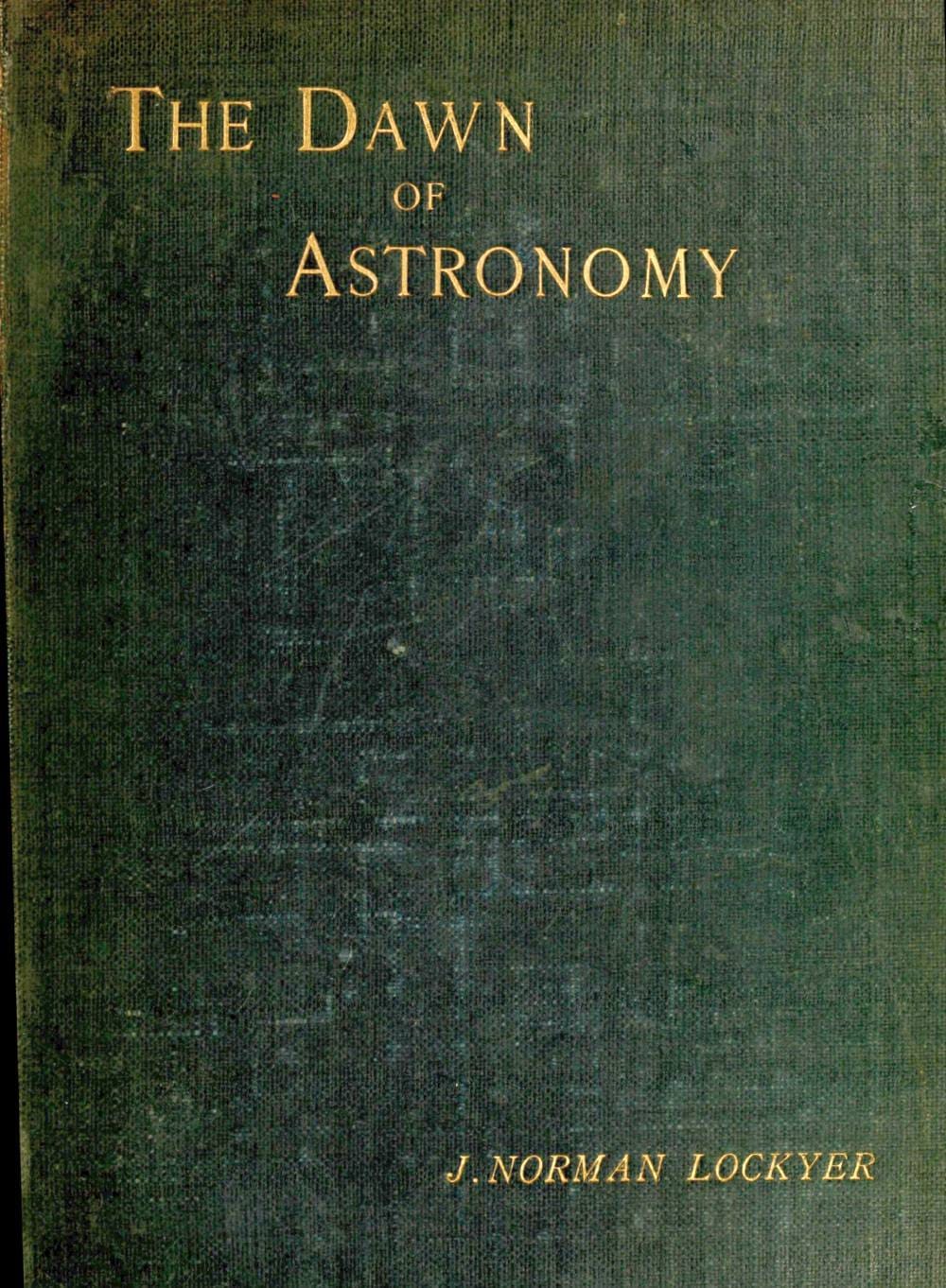
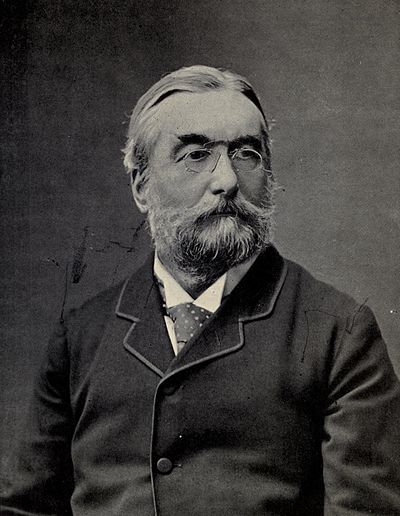
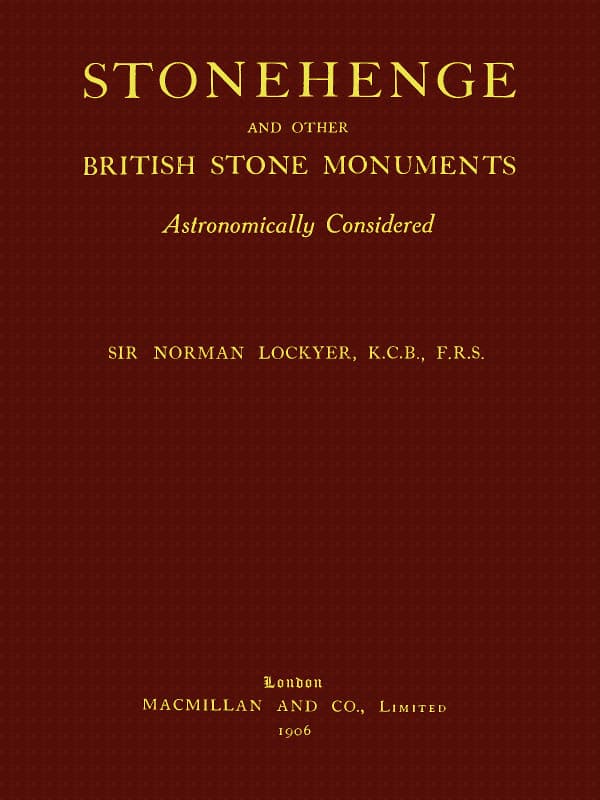
When J. Norman Lockyer pointed his telescope at the ancient world, he saw something no one had seen before: the stars as tools for dating civilization itself. Written in the late 19th century, this pioneering work argues that the great temples and pyramids of Egypt were not merely tombs and worship sites, but astronomical instruments aligned with uncanny precision to the heavens. Lockyer believed that by measuring these alignments, scholars could finally pin down the exact dates of pharaonic reign a problem that had confounded historians for centuries, with experts disagreeing by as much as a thousand years. The result is part scientific detective story, part meditation on how the ancient sky-watchers encoded their knowledge into stone. Some of Lockyer's specific conclusions have been overturned by later scholarship, but his central insight that the stars were the clock and calendar of civilization remains electrifying. This is the book that founded archaeoastronomy, and it reads like the field's great origin myth: brilliant, certain, and utterly unafraid to be wrong.
Editions
Link to this book
Add a free, dofollow link to Lex on your blog, forum, syllabus, or reading list.

<a href="https://lex-books.com/book/the-dawn-of-astronomy-5952cd30-fe9b-4aac-b0a1-9bada1c50fcd"><img src="https://lex-books.com/badges/read-on-lex.svg" alt="Read The dawn of astronomy by Norman Lockyer free on Lex" width="160" height="40"></a>[](https://lex-books.com/book/the-dawn-of-astronomy-5952cd30-fe9b-4aac-b0a1-9bada1c50fcd)[url=https://lex-books.com/book/the-dawn-of-astronomy-5952cd30-fe9b-4aac-b0a1-9bada1c50fcd][img]https://lex-books.com/badges/read-on-lex.svg[/img][/url]Read The dawn of astronomy by Norman Lockyer free on Lex: https://lex-books.com/book/the-dawn-of-astronomy-5952cd30-fe9b-4aac-b0a1-9bada1c50fcdCite this book
Reading this edition for a paper or guide? Copy a citation.
Lockyer, Norman. The dawn of astronomy. Lex, lex-books.com/book/the-dawn-of-astronomy-5952cd30-fe9b-4aac-b0a1-9bada1c50fcd.Lockyer, N. (n.d.). The dawn of astronomy. Lex. https://lex-books.com/book/the-dawn-of-astronomy-5952cd30-fe9b-4aac-b0a1-9bada1c50fcdLockyer, Norman. The dawn of astronomy. Lex. https://lex-books.com/book/the-dawn-of-astronomy-5952cd30-fe9b-4aac-b0a1-9bada1c50fcd.