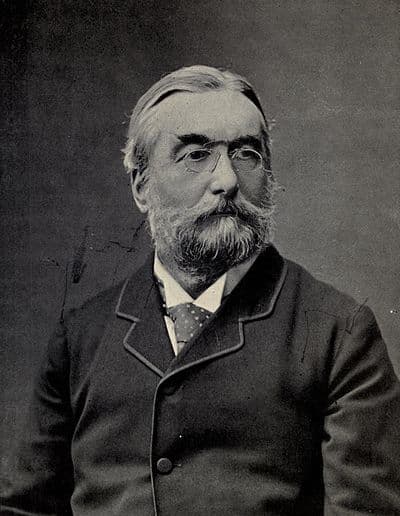
Norman Lockyer
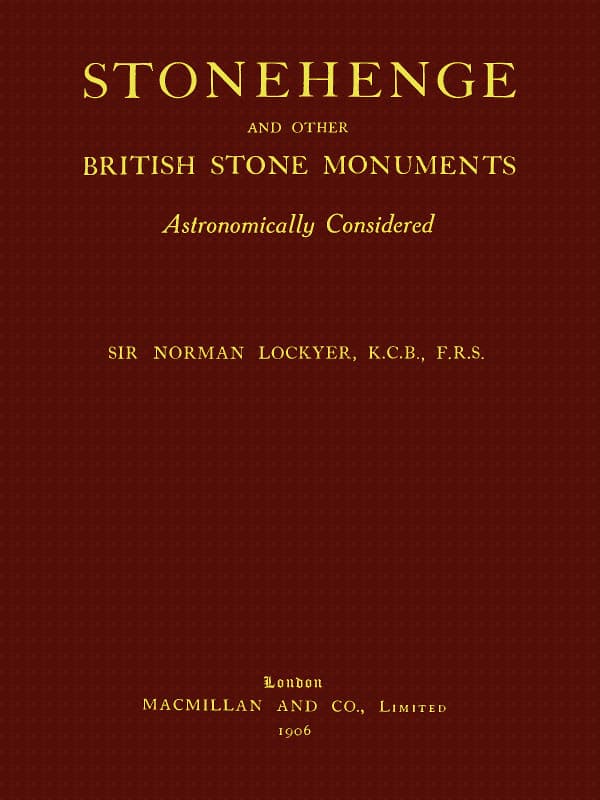
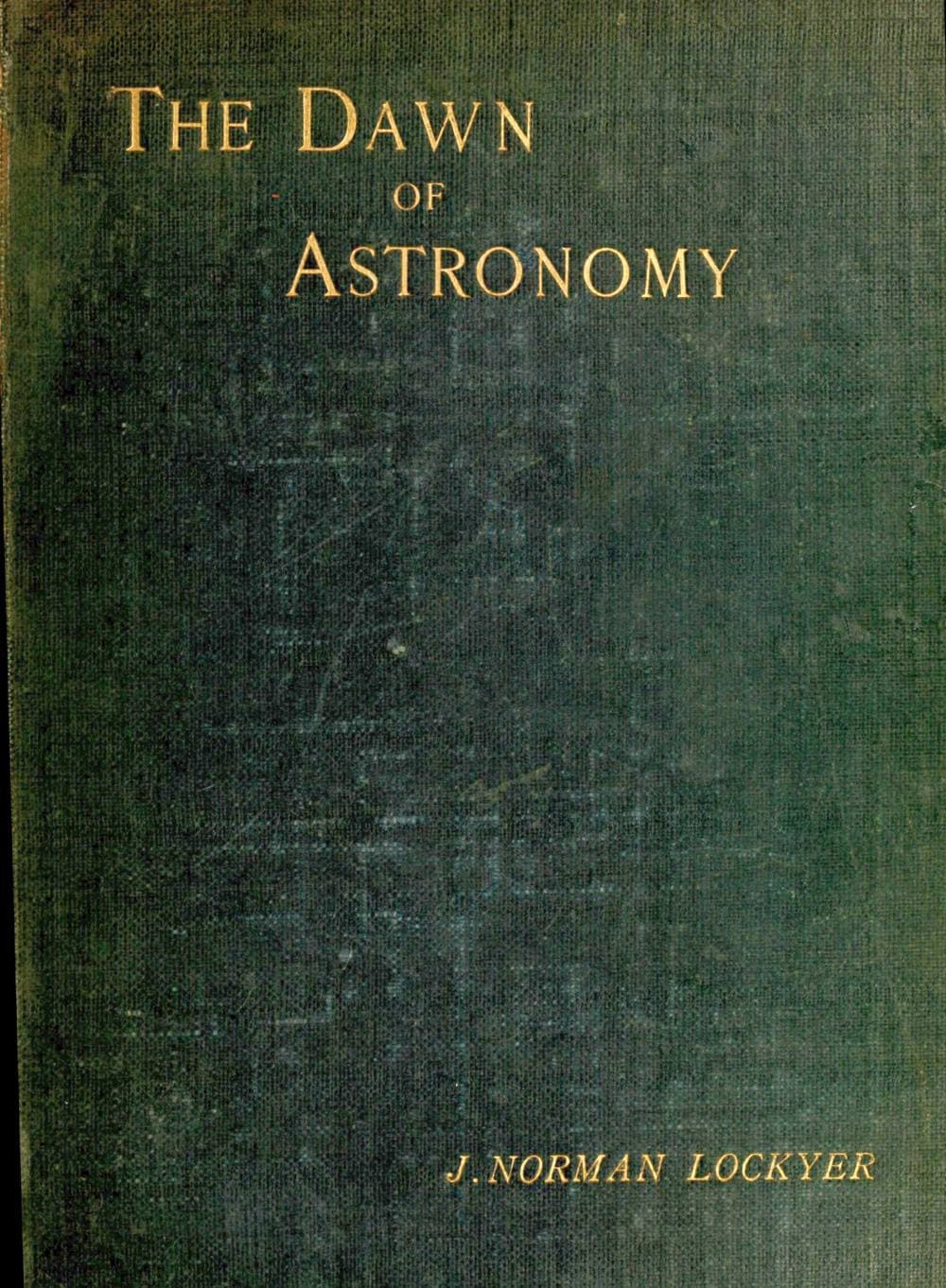
Norman Lockyer was a prominent English astronomer and physicist, best known for his pioneering work in the fields of astronomy and spectroscopy. Born in the 19th century, he made significant contributions to the understanding of solar phenomena and the composition of celestial bodies. Lockyer is perhaps most recognized for his role in the discovery of helium, which he identified in the solar spectrum before it was found on Earth. His influential works, such as 'Stonehenge and Other British Stone Monuments Astronomically Considered' and 'The Dawn of Astronomy,' reflect his deep interest in the intersection of ancient monuments and astronomical observations, suggesting that prehistoric peoples had a sophisticated understanding of the cosmos. Lockyer's research extended beyond mere observation; he was a key figure in establishing the field of astrophysics. His theories and findings helped lay the groundwork for future astronomical studies, and his advocacy for the importance of scientific education contributed to the popularization of science in the Victorian era. Through his writings, he not only advanced scientific knowledge but also engaged with the public, fostering a greater appreciation for the wonders of the universe. Lockyer's legacy endures in the fields of astronomy and science education, marking him as a significant figure in the scientific community of his time.
Famous Quotes
View all 1 quotes“The nineteenth century will ever be known as the one in which the influences of science were first fully realised in civilised communities; the scientific progress was so gigantic that it seems rash to predict that any of its successors can be more important in the life of any nation.””
Books from the author


Link to this page
Add a free, dofollow link to Lex on your blog, forum, syllabus, or reading list.

<a href="https://lex-books.com/author/norman-lockyer"><img src="https://lex-books.com/badges/read-on-lex.svg" alt="Norman Lockyer on Lex" width="160" height="40"></a>[](https://lex-books.com/author/norman-lockyer)[url=https://lex-books.com/author/norman-lockyer][img]https://lex-books.com/badges/read-on-lex.svg[/img][/url]Norman Lockyer on Lex: https://lex-books.com/author/norman-lockyer