Sportsman's Sketches

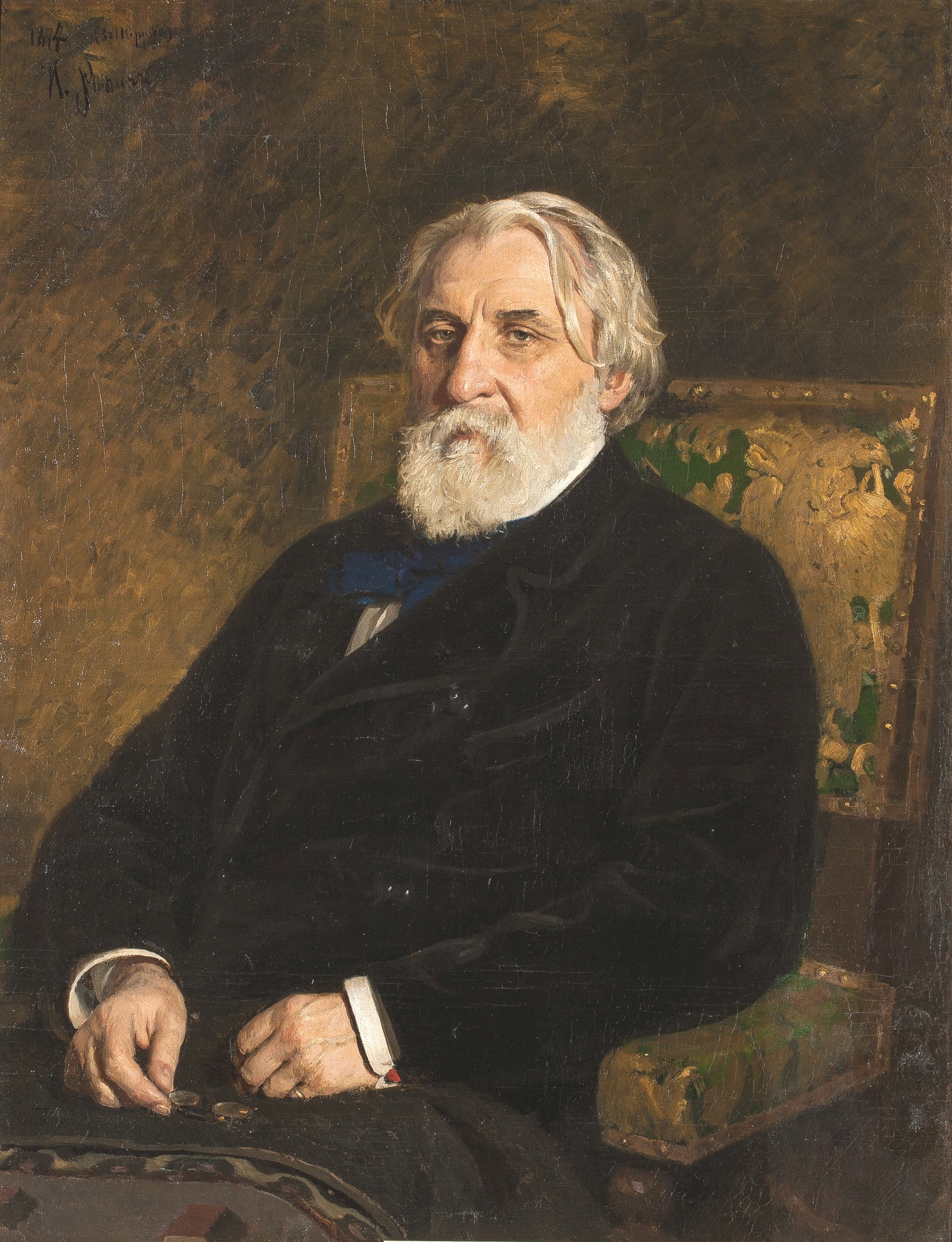
On the surface, these are the observations of a gentleman hunter wandering the Russian countryside. But what Ivan Turgenev witnessed during those long days in the fields around his mother's estate quietly demolished the romantic myth of serfdom. Through the eyes of hisbemused, apolitical sportsman, we encounter peasants whose humanity shames the system that legally owns them: a fiddler whose gift is crushed by a petty lord, a village idiot who possesses more wisdom than his oppressors, families torn apart by landowners who trade human beings like cattle. Turgenev wrote these stories between dog walks and morning hunts, yet they brought him more fame than any of his later novels. The book was read by Tsar Alexander II himself, and historians credit it with helping sway public opinion toward the emancipation of the serfs in 1861. What elevates these sketches beyond propaganda is Turgenev's refusal to sentimentalize his subjects or demonize his villains. His peasants are complicated, often brutal, always alive. The hunting frame is a brilliant mask: we settle in for sport and find ourselves witnessing something far more permanent than a single day's chase.
Editions

Link to this book
Add a free, dofollow link to Lex on your blog, forum, syllabus, or reading list.

<a href="https://lex-books.com/book/sportsman-s-sketches-51d87927-69c2-49a7-838b-7f7c60021129"><img src="https://lex-books.com/badges/read-on-lex.svg" alt="Read Sportsman's Sketches by Ivan Turgenev free on Lex" width="160" height="40"></a>[](https://lex-books.com/book/sportsman-s-sketches-51d87927-69c2-49a7-838b-7f7c60021129)[url=https://lex-books.com/book/sportsman-s-sketches-51d87927-69c2-49a7-838b-7f7c60021129][img]https://lex-books.com/badges/read-on-lex.svg[/img][/url]Read Sportsman's Sketches by Ivan Turgenev free on Lex: https://lex-books.com/book/sportsman-s-sketches-51d87927-69c2-49a7-838b-7f7c60021129Cite this book
Reading this edition for a paper or guide? Copy a citation.
Turgenev, Ivan. Sportsman's Sketches. Lex, lex-books.com/book/sportsman-s-sketches-51d87927-69c2-49a7-838b-7f7c60021129.Turgenev, I. (n.d.). Sportsman's Sketches. Lex. https://lex-books.com/book/sportsman-s-sketches-51d87927-69c2-49a7-838b-7f7c60021129Turgenev, Ivan. Sportsman's Sketches. Lex. https://lex-books.com/book/sportsman-s-sketches-51d87927-69c2-49a7-838b-7f7c60021129.