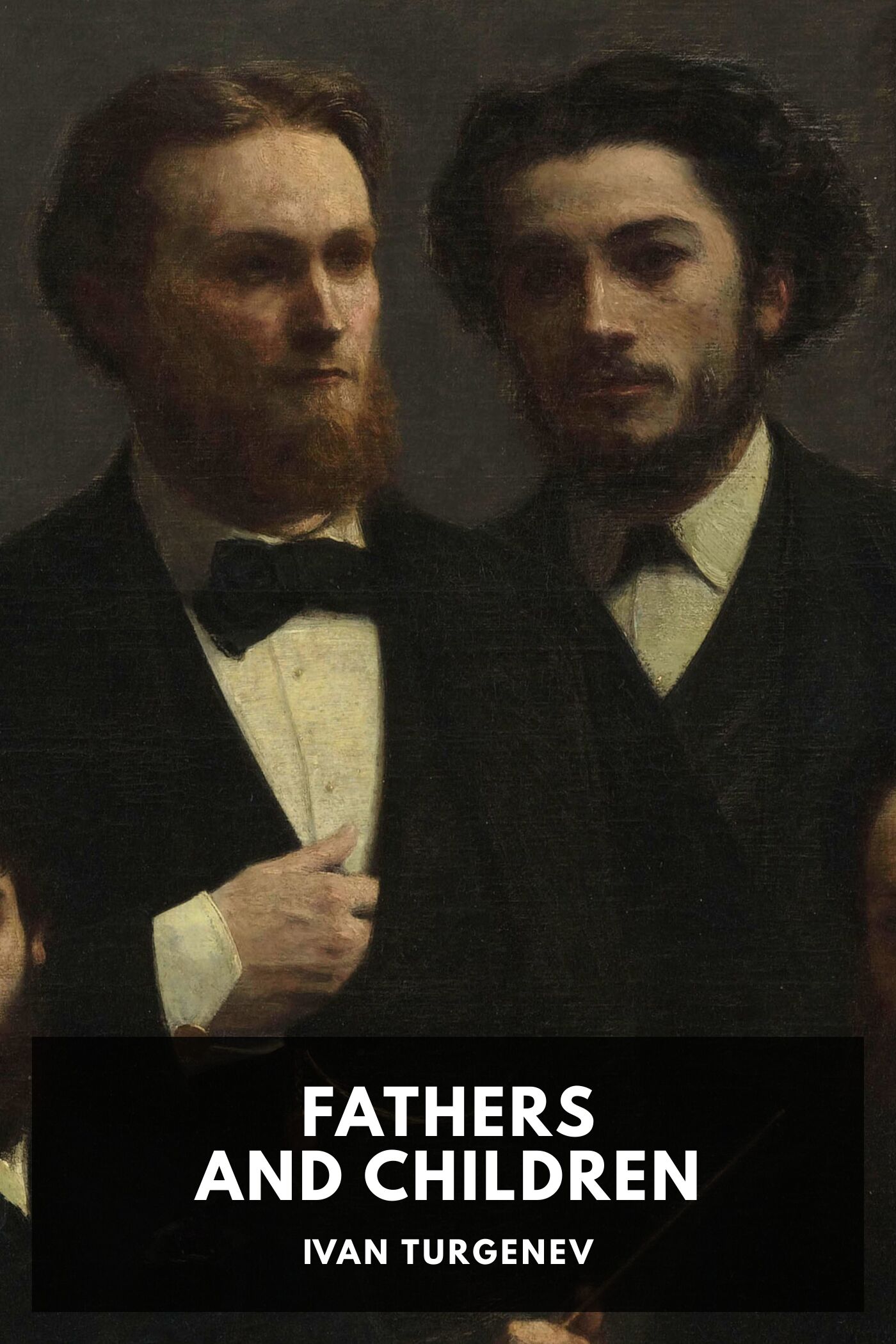
Fathers and Children

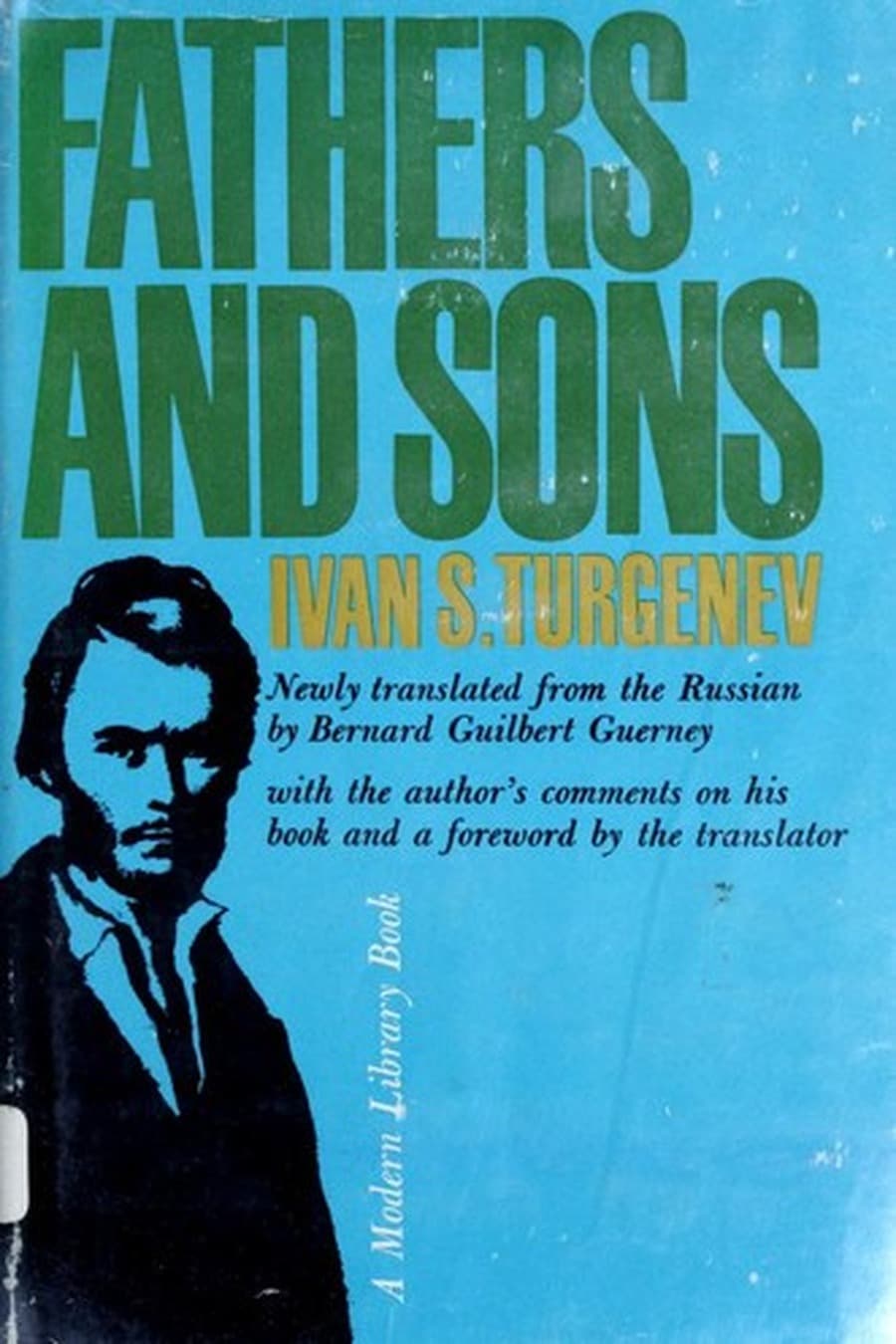
Ivan Turgenev's seminal 1862 novel plunges into the generational chasm dividing Imperial Russia through the eyes of Arkady Kirsanov, a recent university graduate, and his radical, nihilist mentor, Bazarov. Returning to Arkady's father's estate, the duo's modern, scientific worldview clashes violently with the genteel, traditional liberalism of the older generation, embodied by Arkady's father and uncle. As Bazarov, a self-proclaimed 'nihilist,' dismisses art, sentiment, and established authority, the novel explores the intellectual ferment and social anxieties of a nation on the cusp of profound change, grappling with the abolition of serfdom and the rise of revolutionary ideas. It's a masterclass in character study, dissecting the idealism and arrogance of youth against the wisdom and complacency of age, all set against the backdrop of rural Russian life. More than a simple domestic drama, *Fathers and Children* (often translated as *Fathers and Sons*) is a foundational text in understanding the intellectual landscape of 19th-century Russia. Turgenev not only popularized the term 'nihilism' but also crafted a searing, often uncomfortable, portrait of its adherents, earning him both praise and condemnation from across the political spectrum. Its enduring relevance lies in its timeless exploration of intergenerational conflict, the intoxicating allure of new ideologies, and the often-painful process of societal evolution. This novel is a must-read for anyone interested in the birth of modern Russian thought and the universal struggle between tradition and progress.
Editions

Link to this book
Add a free, dofollow link to Lex on your blog, forum, syllabus, or reading list.

<a href="https://lex-books.com/book/fathers-and-children-bb497af2-1d11-40f7-ae70-26535332af9b"><img src="https://lex-books.com/badges/read-on-lex.svg" alt="Read Fathers and Children by Ivan Turgenev free on Lex" width="160" height="40"></a>[](https://lex-books.com/book/fathers-and-children-bb497af2-1d11-40f7-ae70-26535332af9b)[url=https://lex-books.com/book/fathers-and-children-bb497af2-1d11-40f7-ae70-26535332af9b][img]https://lex-books.com/badges/read-on-lex.svg[/img][/url]Read Fathers and Children by Ivan Turgenev free on Lex: https://lex-books.com/book/fathers-and-children-bb497af2-1d11-40f7-ae70-26535332af9bCite this book
Reading this edition for a paper or guide? Copy a citation.
Turgenev, Ivan. Fathers and Children. Lex, lex-books.com/book/fathers-and-children-bb497af2-1d11-40f7-ae70-26535332af9b.Turgenev, I. (n.d.). Fathers and Children. Lex. https://lex-books.com/book/fathers-and-children-bb497af2-1d11-40f7-ae70-26535332af9bTurgenev, Ivan. Fathers and Children. Lex. https://lex-books.com/book/fathers-and-children-bb497af2-1d11-40f7-ae70-26535332af9b.