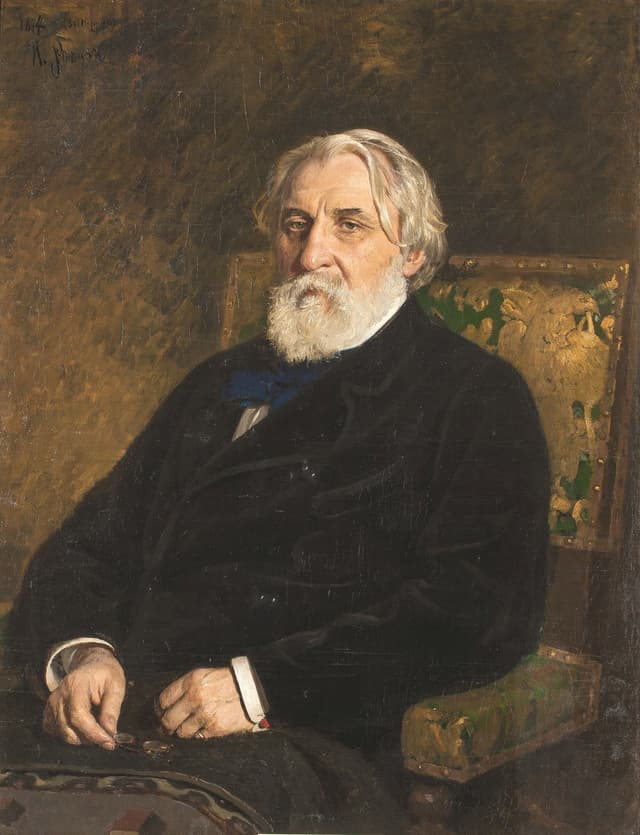
Ivan Turgenev
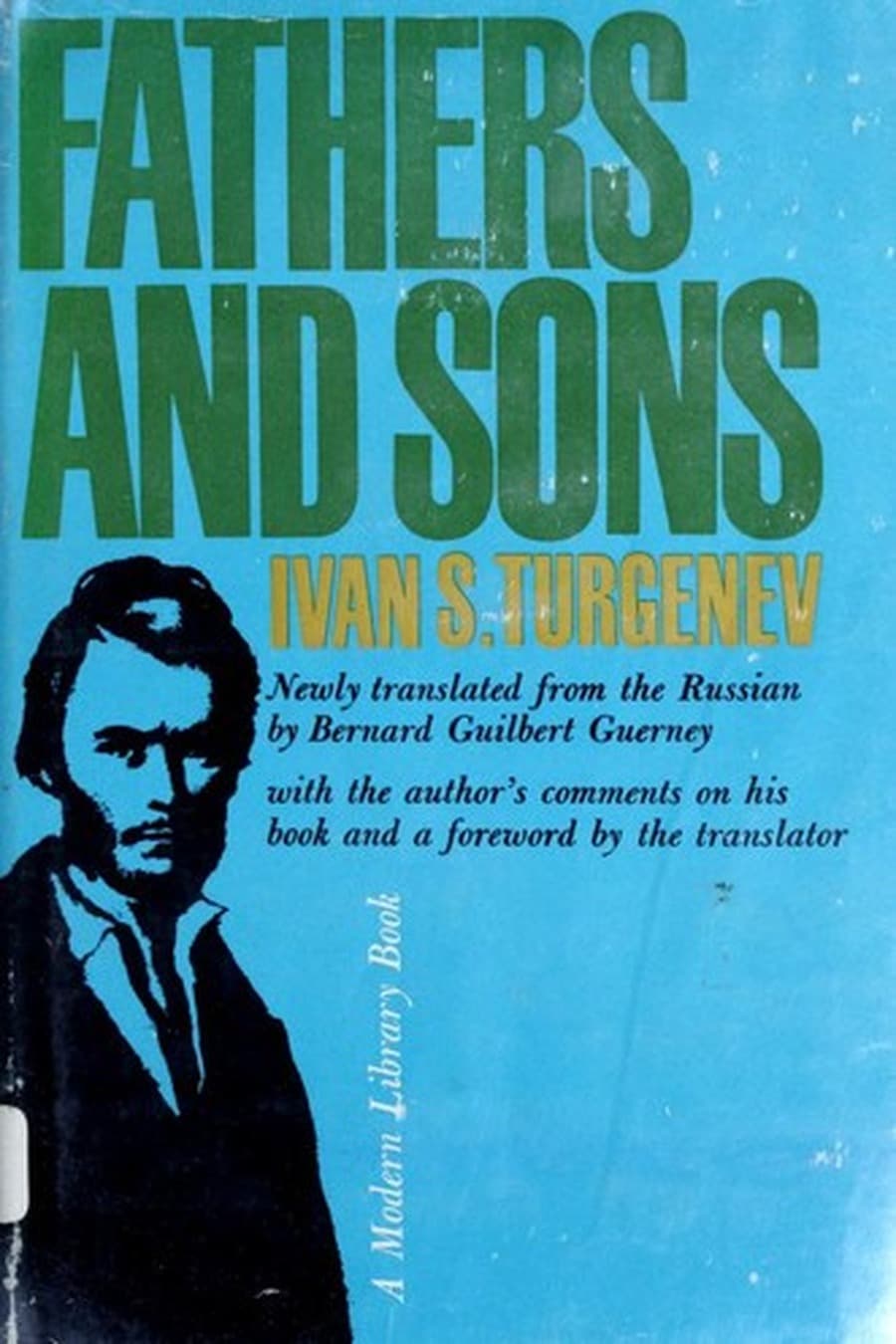
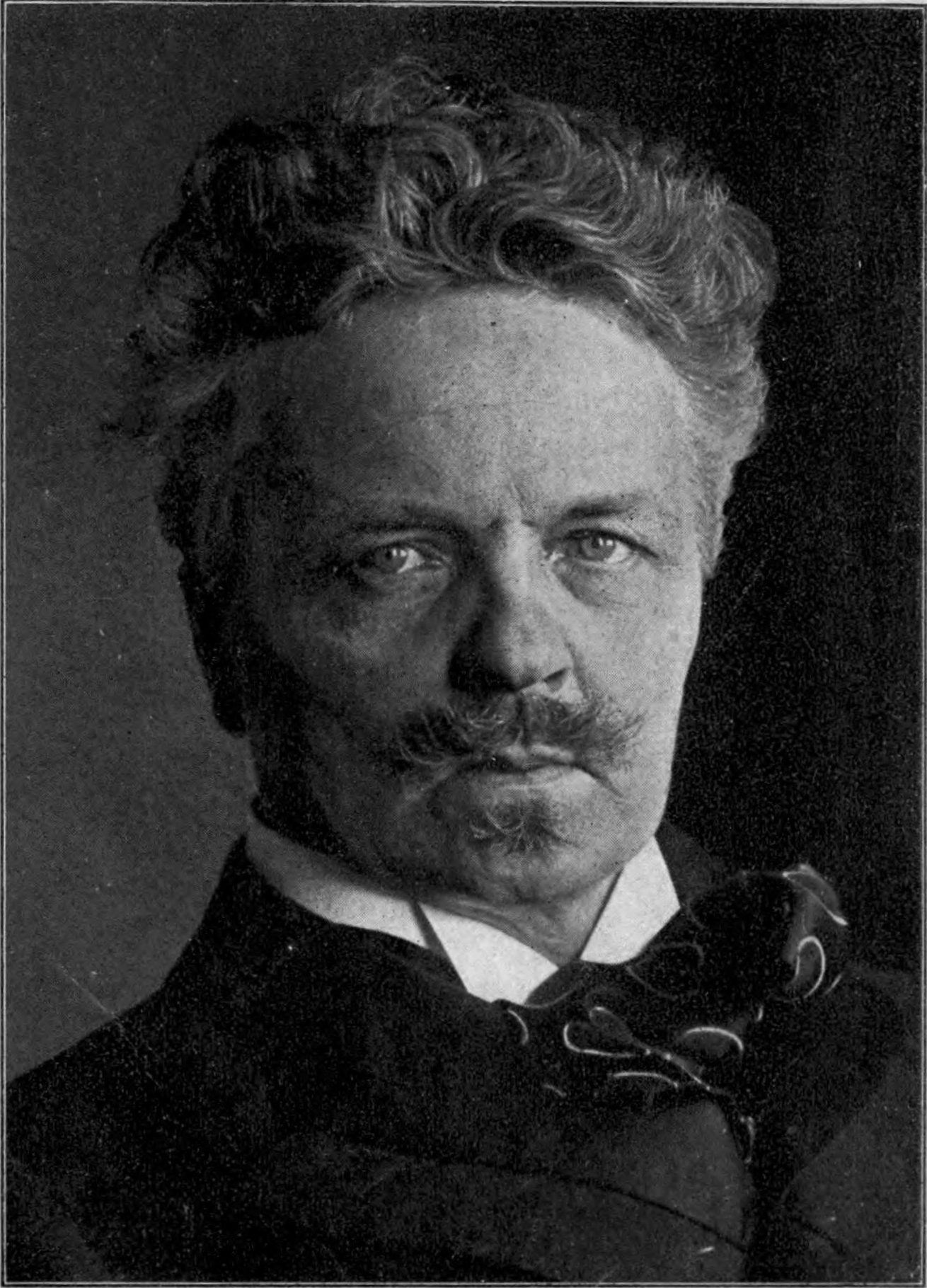
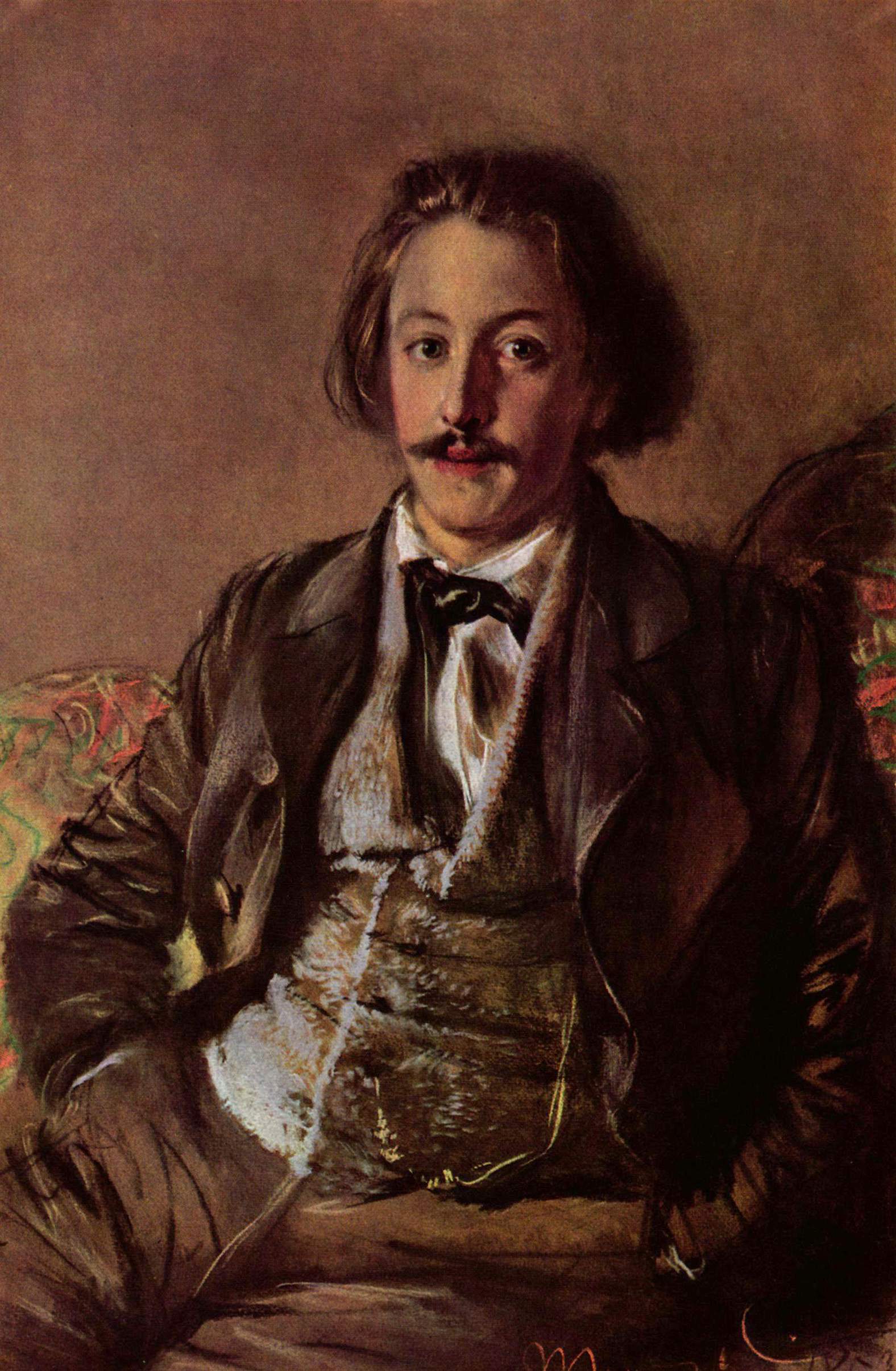
Ivan Turgenev was a prominent Russian novelist, playwright, and poet, best known for his exploration of social issues and the human condition. Born into a wealthy landowning family, Turgenev's early life was marked by a deep appreciation for literature and the arts, influenced by his mother and the cultural milieu of 19th-century Russia. His most famous work, 'Fathers and Sons,' published in 1862, introduced the concept of nihilism to Russian literature, depicting the generational conflict between the older, traditional values and the younger, more radical perspectives of the time. This novel, along with others such as 'A Month in the Country' and 'Smoke,' showcased his ability to blend psychological insight with social commentary, making him a key figure in the literary landscape of his era. Turgenev's writing is characterized by its lyrical prose and deep empathy for his characters, often reflecting his own experiences and observations of Russian society. He was a contemporary of Dostoevsky and Tolstoy, yet his style diverged, focusing more on the subtleties of human emotion and the complexities of social change. His works not only influenced Russian literature but also resonated with European writers, establishing him as a bridge between Russian and Western literary traditions. Turgenev's legacy endures through his profound insights into the human psyche and his pioneering contributions to the development of the modern novel.
Books from the author






Link to this page
Add a free, dofollow link to Lex on your blog, forum, syllabus, or reading list.

<a href="https://lex-books.com/author/ivan-turgenev"><img src="https://lex-books.com/badges/read-on-lex.svg" alt="Ivan Turgenev on Lex" width="160" height="40"></a>[](https://lex-books.com/author/ivan-turgenev)[url=https://lex-books.com/author/ivan-turgenev][img]https://lex-books.com/badges/read-on-lex.svg[/img][/url]Ivan Turgenev on Lex: https://lex-books.com/author/ivan-turgenev