Pharmacologia
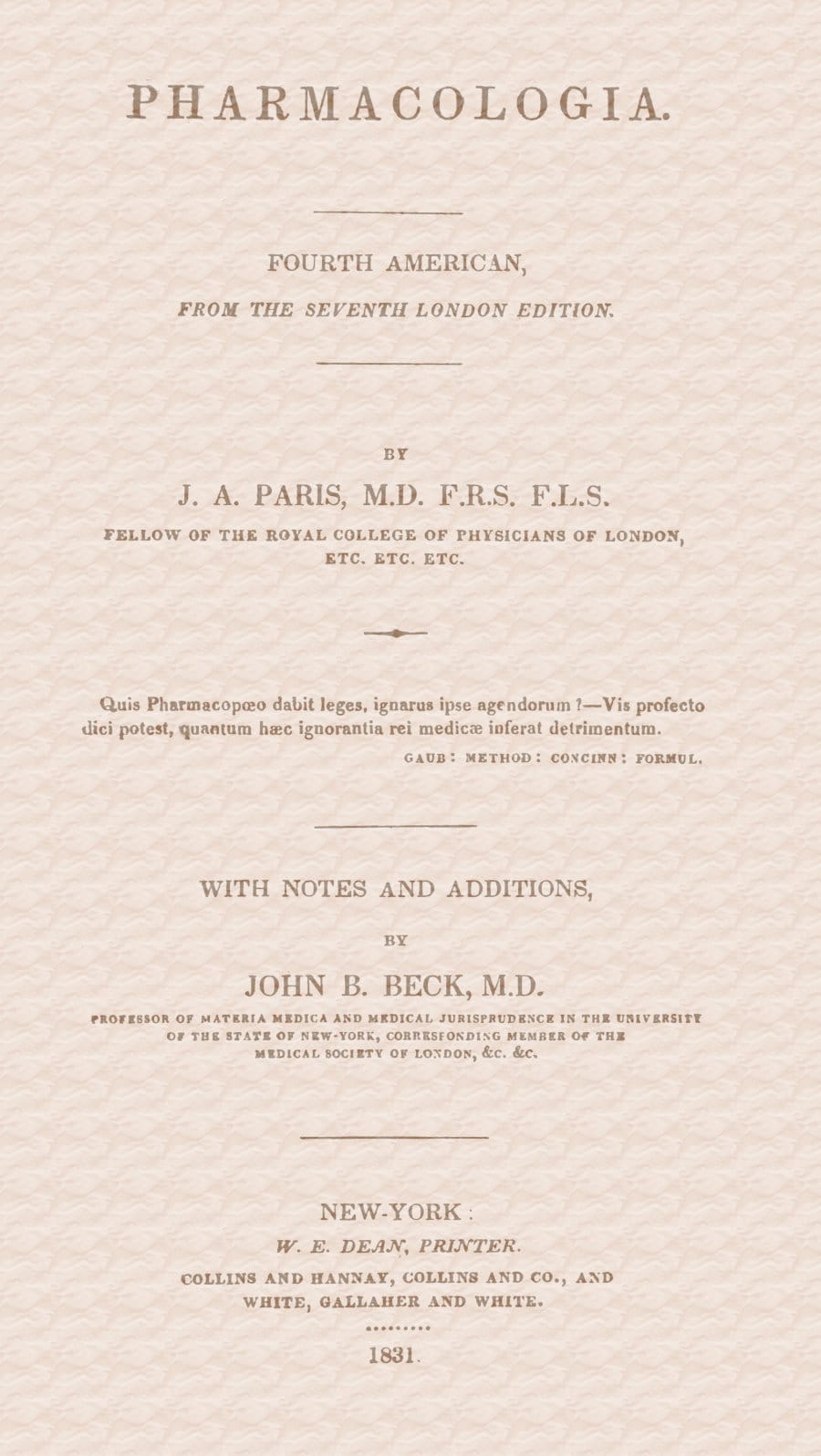
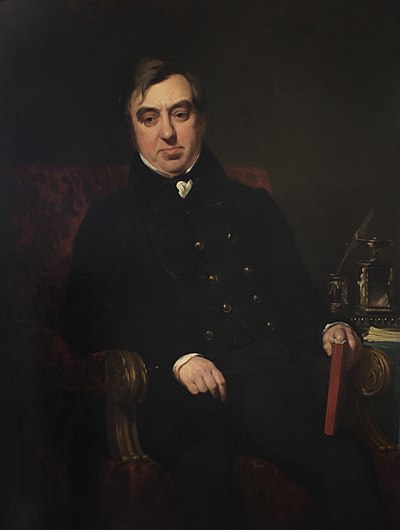
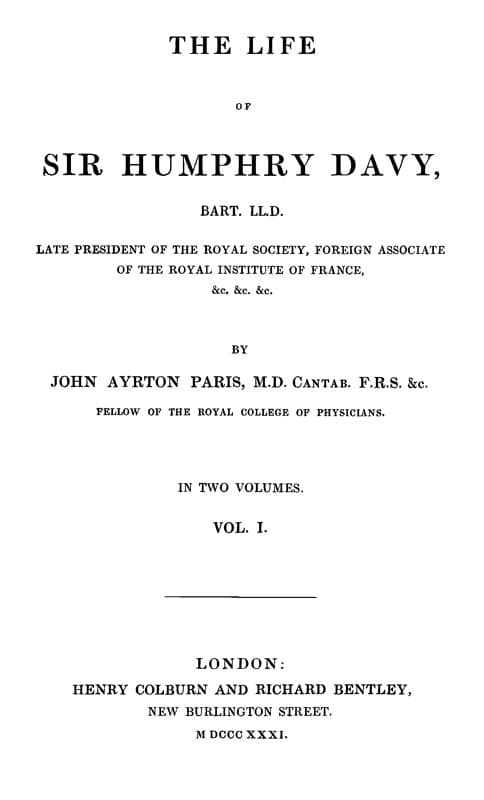
Published in 1824, Pharmacologia represents one of the earliest attempts to codify the emerging science of drug therapy into a systematic discipline. John Ayrton Paris, a physician and chemist, sought to transform medicine from an art guided by tradition and intuition into a practice grounded in observable science. The book tackles the fundamental challenge of prescribing medications rationally: how should doctors determine what to give patients, in what doses, and why? Paris argued for what he called "fixed and scientific principles", a radical idea at a time when most medical treatment still relied on centuries-old herbal remedies, humoral theory, and physician intuition. Beyond prescribing, the text catalogs the known medicinal substances of the era, tracing their origins, preparation, and observed effects on the human body. Reading Pharmacologia today offers not just historical curiosity but genuine insight into the foundations of modern pharmacology. It captures a pivotal moment when medicine stood at the threshold of scientific transformation, decades before germ theory would revolutionize understanding of disease and decades more before pharmaceutical chemistry would deliver the drugs we now take for granted. For anyone curious about where modern medicine began its transformation from superstition to science, this text provides a window into that crucial turning point.
Editions
Link to this book
Add a free, dofollow link to Lex on your blog, forum, syllabus, or reading list.

<a href="https://lex-books.com/book/pharmacologia-351eafc2-4f4a-45fe-b15c-738656027da1"><img src="https://lex-books.com/badges/read-on-lex.svg" alt="Read Pharmacologia by John Ayrton Paris free on Lex" width="160" height="40"></a>[](https://lex-books.com/book/pharmacologia-351eafc2-4f4a-45fe-b15c-738656027da1)[url=https://lex-books.com/book/pharmacologia-351eafc2-4f4a-45fe-b15c-738656027da1][img]https://lex-books.com/badges/read-on-lex.svg[/img][/url]Read Pharmacologia by John Ayrton Paris free on Lex: https://lex-books.com/book/pharmacologia-351eafc2-4f4a-45fe-b15c-738656027da1Cite this book
Reading this edition for a paper or guide? Copy a citation.
Paris, John Ayrton. Pharmacologia. Lex, lex-books.com/book/pharmacologia-351eafc2-4f4a-45fe-b15c-738656027da1.Paris, J. A. (n.d.). Pharmacologia. Lex. https://lex-books.com/book/pharmacologia-351eafc2-4f4a-45fe-b15c-738656027da1Paris, John Ayrton. Pharmacologia. Lex. https://lex-books.com/book/pharmacologia-351eafc2-4f4a-45fe-b15c-738656027da1.