Philosophy in Sport Made Science in Earnest: Being an Attempt to Illustrate the First Principles of Natural Philosophy by the Aid of Popular Toys and Sports
1827
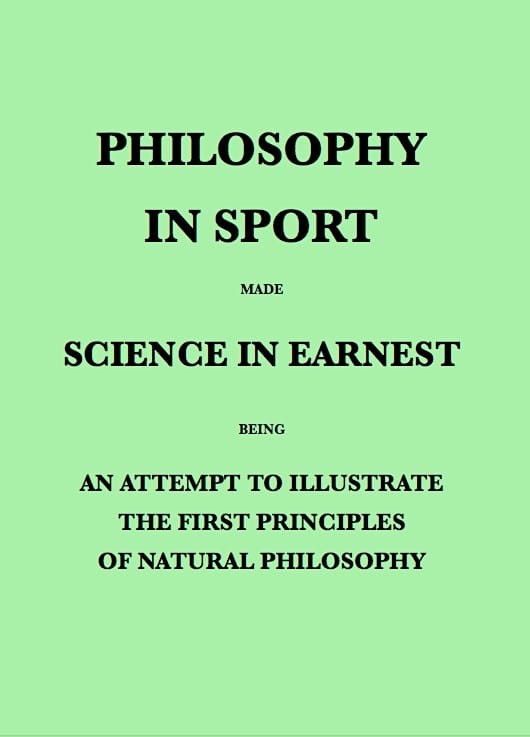
Philosophy in Sport Made Science in Earnest: Being an Attempt to Illustrate the First Principles of Natural Philosophy by the Aid of Popular Toys and Sports
1827
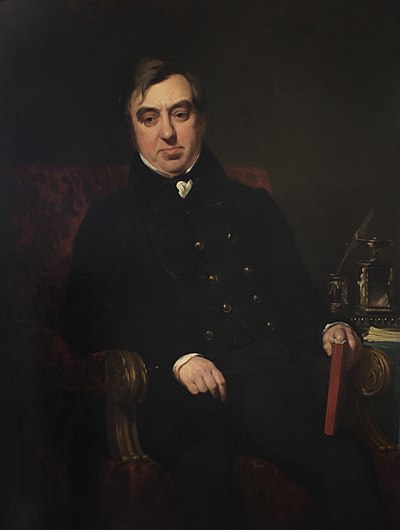
Long before popular science became a genre, a Cambridge-educated physician had a radical idea: what if children could learn the laws of nature by playing? John Ayrton Paris crafted this remarkable 1827 volume to do exactly that, using tops, hoops, marbles, and pendulum clocks as gateways to understanding physics, mechanics, and astronomy. The narrative follows young Tom Seymour, freshly returned from school to Overton Lodge, whose father Mr. Seymour proposes an unconventional education scheme: instead of dry lectures, Tom will discover natural philosophy through the toys and games he already loves. The village vicar, Mr. Twaddleton, initially scoffs at teaching philosophy to children, viewing it as an unnecessary burden, but eventually becomes an enthusiastic participant in these playful experiments. The result is a charming Socratic dialogue where questions about why a spinning top stays upright lead to explanations of angular momentum, and debates about the flight of a cricket ball become lessons in projectile motion. Nearly two centuries later, the book endures as a testament to a profound truth: the best science education has always been rooted in curiosity and wonder.
Editions
Link to this book
Add a free, dofollow link to Lex on your blog, forum, syllabus, or reading list.

<a href="https://lex-books.com/book/philosophy-in-sport-made-science-in-earnest-being-an-attempt-to-illustrate-the-f-c186f1a4-733b-4816-9f28-05a1fb5be46b"><img src="https://lex-books.com/badges/read-on-lex.svg" alt="Read Philosophy in Sport Made Science in Earnest: Being an Attempt to Illustrate the First Principles of Natural Philosophy by the Aid of Popular Toys and Sports by John Ayrton Paris free on Lex" width="160" height="40"></a>[](https://lex-books.com/book/philosophy-in-sport-made-science-in-earnest-being-an-attempt-to-illustrate-the-f-c186f1a4-733b-4816-9f28-05a1fb5be46b)[url=https://lex-books.com/book/philosophy-in-sport-made-science-in-earnest-being-an-attempt-to-illustrate-the-f-c186f1a4-733b-4816-9f28-05a1fb5be46b][img]https://lex-books.com/badges/read-on-lex.svg[/img][/url]Read Philosophy in Sport Made Science in Earnest: Being an Attempt to Illustrate the First Principles of Natural Philosophy by the Aid of Popular Toys and Sports by John Ayrton Paris free on Lex: https://lex-books.com/book/philosophy-in-sport-made-science-in-earnest-being-an-attempt-to-illustrate-the-f-c186f1a4-733b-4816-9f28-05a1fb5be46bCite this book
Reading this edition for a paper or guide? Copy a citation.
Paris, John Ayrton. Philosophy in Sport Made Science in Earnest: Being an Attempt to Illustrate the First Principles of Natural Philosophy by the Aid of Popular Toys and Sports. Lex, lex-books.com/book/philosophy-in-sport-made-science-in-earnest-being-an-attempt-to-illustrate-the-f-c186f1a4-733b-4816-9f28-05a1fb5be46b.Paris, J. A. (1827). Philosophy in Sport Made Science in Earnest: Being an Attempt to Illustrate the First Principles of Natural Philosophy by the Aid of Popular Toys and Sports. Lex. https://lex-books.com/book/philosophy-in-sport-made-science-in-earnest-being-an-attempt-to-illustrate-the-f-c186f1a4-733b-4816-9f28-05a1fb5be46bParis, John Ayrton. Philosophy in Sport Made Science in Earnest: Being an Attempt to Illustrate the First Principles of Natural Philosophy by the Aid of Popular Toys and Sports. Lex. https://lex-books.com/book/philosophy-in-sport-made-science-in-earnest-being-an-attempt-to-illustrate-the-f-c186f1a4-733b-4816-9f28-05a1fb5be46b.