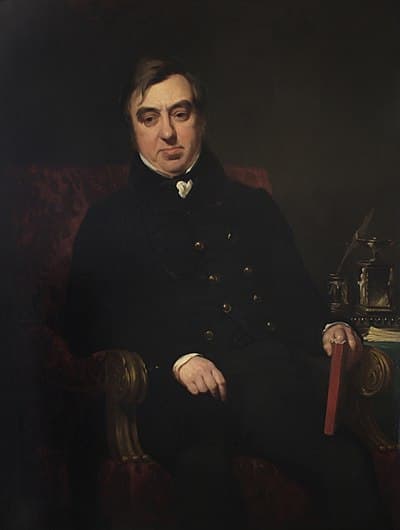
John Ayrton Paris
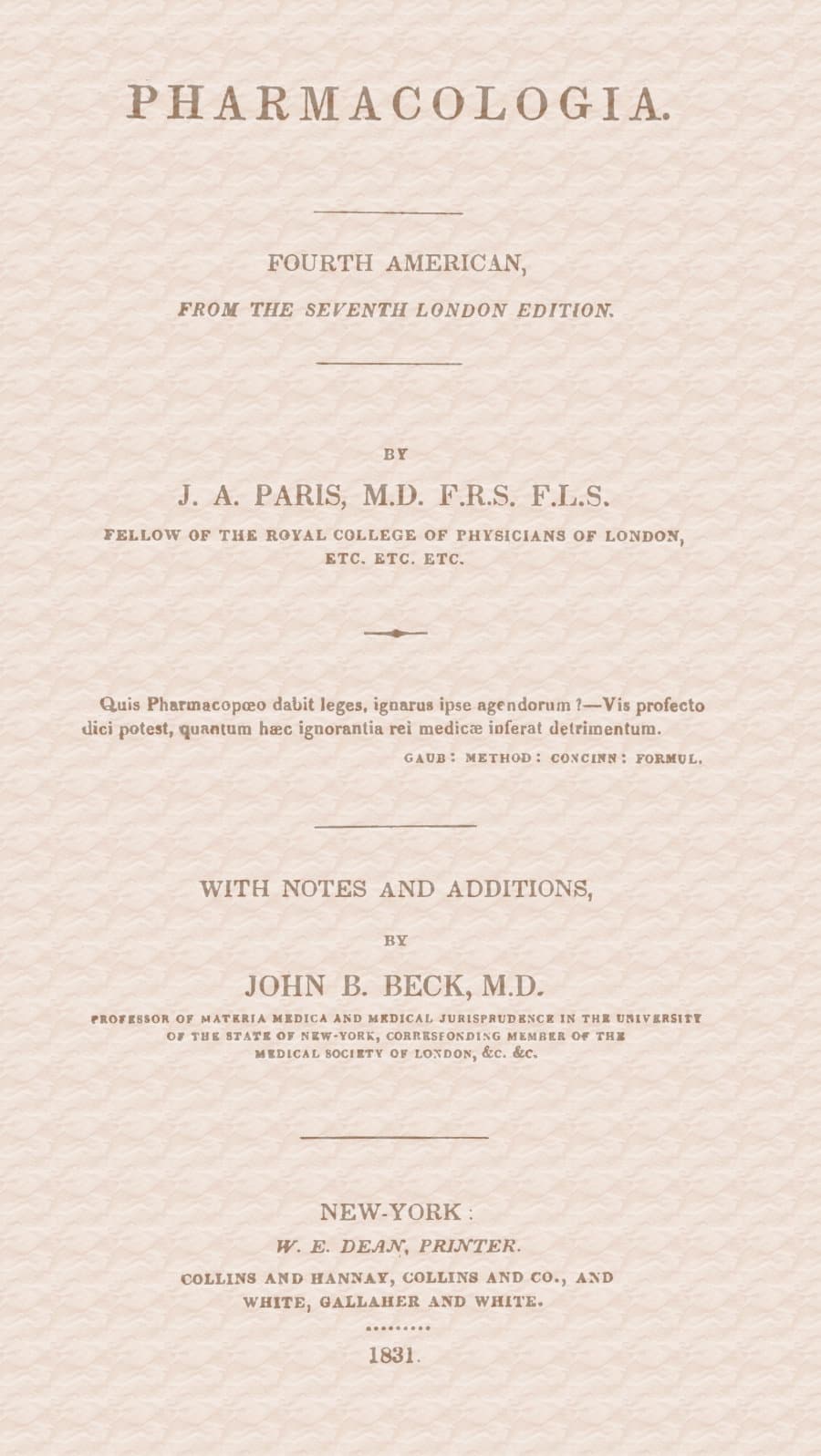
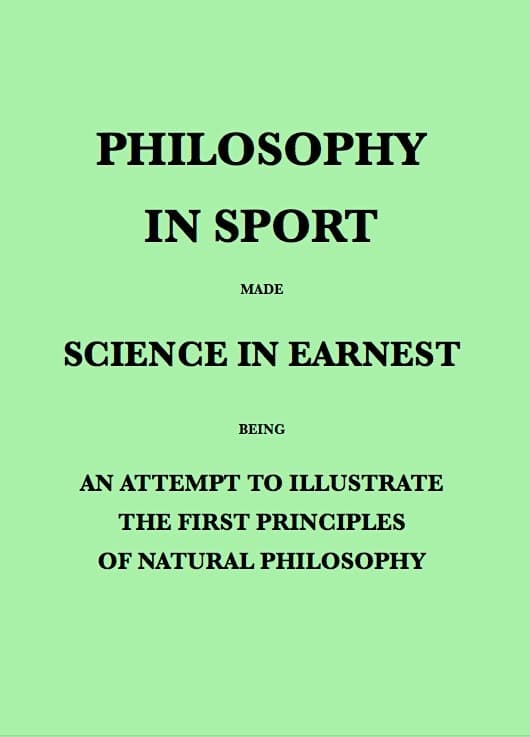
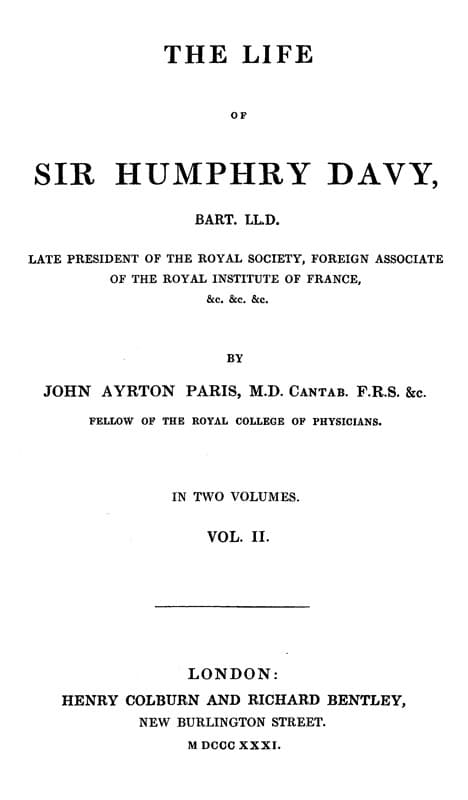
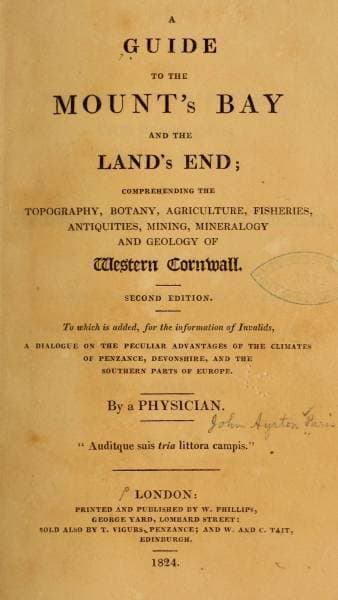
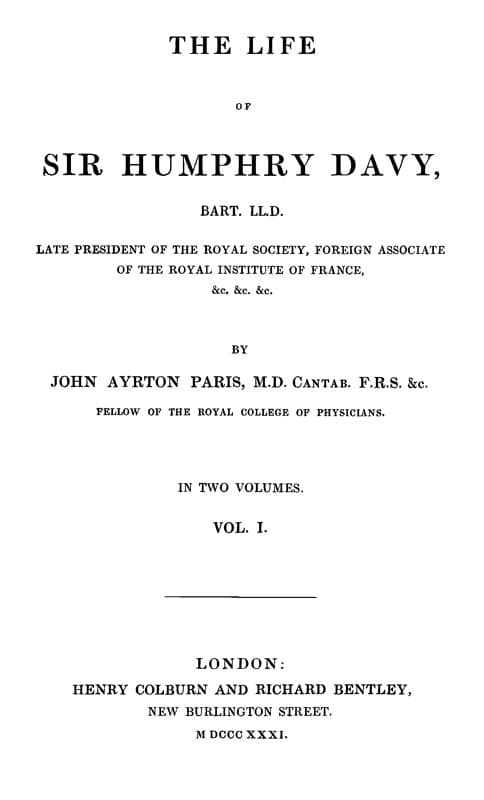
John Ayrton Paris was a British physician renowned for his contributions to medicine and his inventive spirit. Born in 1785, he became a prominent figure in the medical community, recognized for his work in various fields, including pathology and therapeutics. Paris is often credited with the invention of the thaumatrope, an early optical toy that creates the illusion of motion, which he published in collaboration with W. Phillips in 1825. This invention is significant as it reflects the intersection of art and science during the early 19th century, showcasing the burgeoning interest in visual perception and the mechanics of the human eye. In addition to his inventive pursuits, Paris authored several influential medical texts, including 'Medical Jurisprudence' and 'The Pharmacologia,' which contributed to the understanding of medical ethics and pharmacology in his time. His work laid the groundwork for future developments in these fields, emphasizing the importance of scientific inquiry and ethical considerations in medicine. Paris's legacy endures through his contributions to both the medical profession and the realm of visual science, marking him as a notable figure in the history of British medicine and innovation.
Famous Quotes
View all 1 quotes“The most satisfactory proof of intellectual strength is to be found in the existence of a power which enables the mind to conquer its prejudices and to correct its own errors”
Books from the author









Link to this page
Add a free, dofollow link to Lex on your blog, forum, syllabus, or reading list.

<a href="https://lex-books.com/author/john-ayrton-paris"><img src="https://lex-books.com/badges/read-on-lex.svg" alt="John Ayrton Paris on Lex" width="160" height="40"></a>[](https://lex-books.com/author/john-ayrton-paris)[url=https://lex-books.com/author/john-ayrton-paris][img]https://lex-books.com/badges/read-on-lex.svg[/img][/url]John Ayrton Paris on Lex: https://lex-books.com/author/john-ayrton-paris