Meditations (Comprehensive Summary)

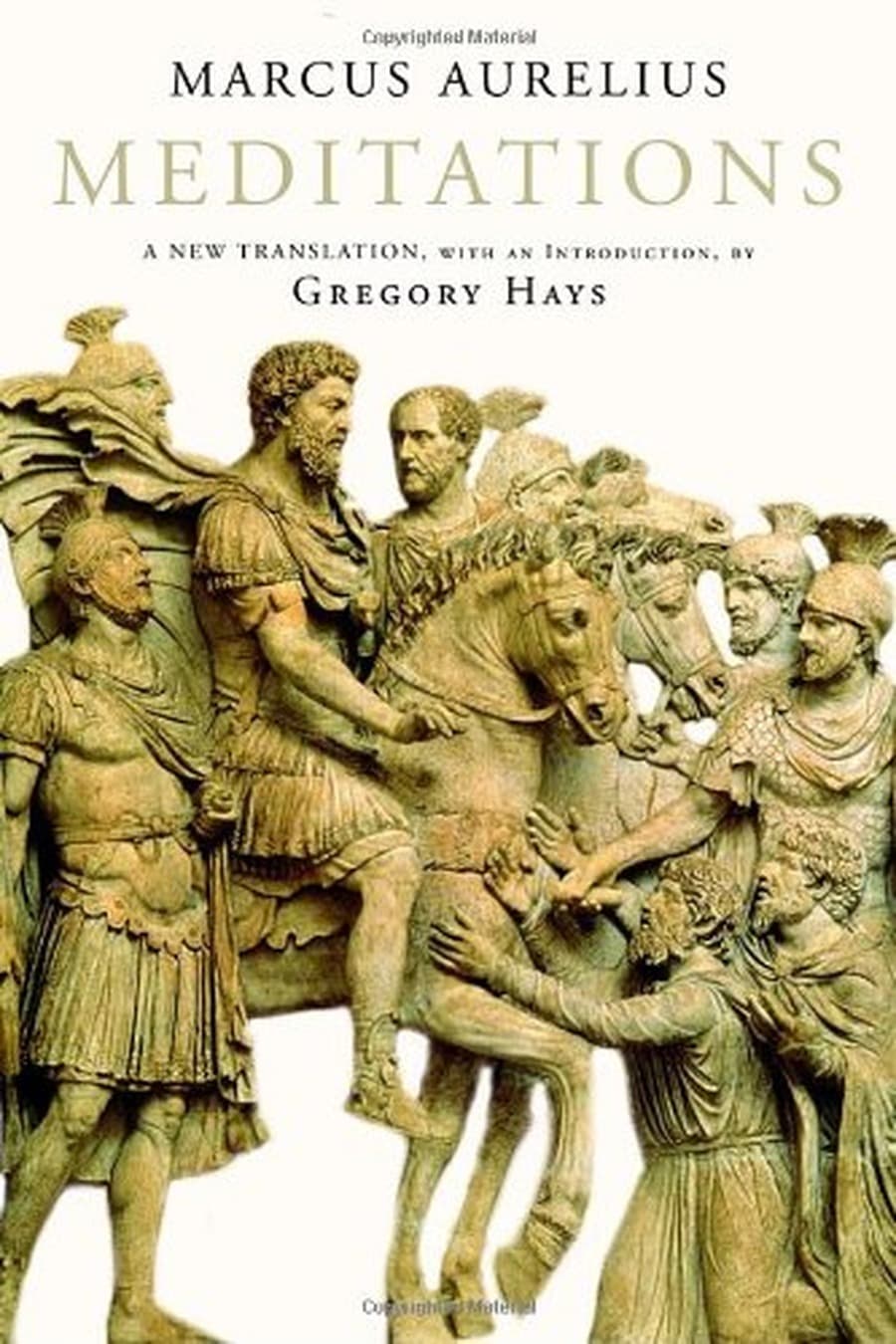
Meditations is a series of personal writings by Marcus Aurelius, a Roman Emperor and Stoic philosopher, reflecting on his philosophy of life and the importance of virtue, reason, and self-discipline. Written as a source of guidance for himself, the work covers themes such as the nature of the universe, the transient nature of life, and the importance of rational thought in the face of adversity. This Lexicon edition distills the key ideas from Aurelius's reflections into original prose, making the profound insights of Stoicism accessible and relevant for contemporary readers.
Editions



X-Ray
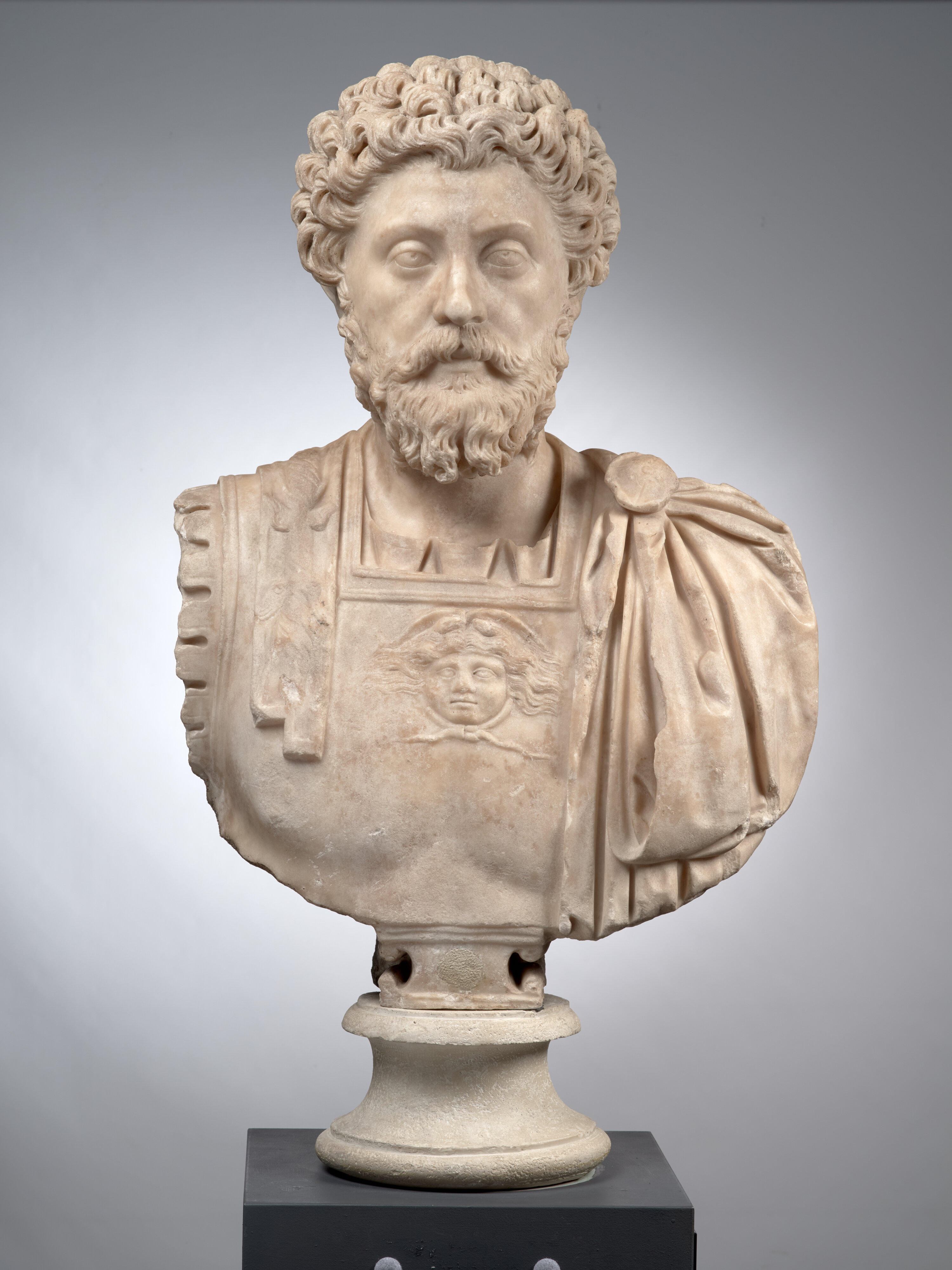
The Roman Emperor and philosopher whose personal reflections form the core of 'Meditations', exploring Stoic philosophy amidst imperial duties and personal challenges.
Marcus Aurelius's adopted father and predecessor as emperor, whose character served as a model of compassion, integrity, and responsible governance.
The Roman Emperor who orchestrated the adoption of Antoninus Pius, with the stipulation that Marcus Aurelius would be adopted as a successor.
Marcus Aurelius's adopted brother and co-emperor, whose sudden death left Marcus to bear the full burden of leadership.
About Meditations (Comprehensive Summary)
Chapter Summaries
- 1
- This chapter introduces Marcus Aurelius as a philosopher-king, detailing his upbringing, education, and the circumstances that led him to the imperial throne. It highlights his early political career, marriage, and the gradual shift from rhetoric to philosophy, setting the stage for his reign's challenges.
- 2
- The author delves into the philosophical underpinnings of 'Meditations', emphasizing Stoicism's role as a practical guide for ethical living amidst Marcus's tumultuous reign. It explains core Stoic concepts like logos, pneuma, and the disciplines of perception, action, and will, noting Marcus's eclectic philosophical influences.
- 3
- This chapter explores the recurring themes in 'Meditations', particularly the contemplation of mortality, the struggles with human relationships, and the appreciation for nature. It highlights Marcus's internal conflict between Stoic ideals and his occasional pessimism towards human flaws and the transient nature of existence.
Key Themes
- Stoicism and Rationality
- This theme is the philosophical backbone of 'Meditations', emphasizing the importance of logos (reason) as a governing force in the universe and within individuals. Marcus Aurelius consistently advocates for self-control, objective perception, and aligning one's actions with rational thought to achieve inner peace and virtue.
- Mortality and Transience
- Aurelius frequently contemplates the fleeting nature of life, fame, and material possessions, using the inevitability of death as a powerful reminder to focus on what truly matters. This theme encourages a detachment from worldly concerns and an acceptance of change as a fundamental aspect of existence, fostering a sense of urgency for virtuous living.
- Self-Control and Inner Peace
- The book stresses the cultivation of inner strength and resilience through the management of emotions, perceptions, and desires. Aurelius argues that true harm comes not from external events but from one's own judgments and reactions, advocating for equanimity and a tranquil mind as pathways to a fulfilling life.
Characters
- Marcus Aurelius(narrator)
- The Roman Emperor and philosopher whose personal reflections form the core of 'Meditations', exploring Stoic philosophy amidst imperial duties and personal challenges.
- Antoninus Pius(supporting)
- Marcus Aurelius's adopted father and predecessor as emperor, whose character served as a model of compassion, integrity, and responsible governance.
- Hadrian(supporting)
- The Roman Emperor who orchestrated the adoption of Antoninus Pius, with the stipulation that Marcus Aurelius would be adopted as a successor.
- Lucius Verus(supporting)
- Marcus Aurelius's adopted brother and co-emperor, whose sudden death left Marcus to bear the full burden of leadership.
- Commodus(supporting)
- Marcus Aurelius's son and successor, whose eventual tyrannical reputation contrasted sharply with Marcus's philosophical ideals.
- Rusticus(supporting)
- A mentor to Marcus Aurelius who profoundly influenced his character development and introduced him to the teachings of Epictetus.
Link to this book
Add a free, dofollow link to Lex on your blog, forum, syllabus, or reading list.

<a href="https://lex-books.com/book/meditations-comprehensive-summary-3bf98b2b-a7ec-5d75-96d6-a309b4ee425e"><img src="https://lex-books.com/badges/read-on-lex.svg" alt="Read Meditations (Comprehensive Summary) by Marcus Aurelius free on Lex" width="160" height="40"></a>[](https://lex-books.com/book/meditations-comprehensive-summary-3bf98b2b-a7ec-5d75-96d6-a309b4ee425e)[url=https://lex-books.com/book/meditations-comprehensive-summary-3bf98b2b-a7ec-5d75-96d6-a309b4ee425e][img]https://lex-books.com/badges/read-on-lex.svg[/img][/url]Read Meditations (Comprehensive Summary) by Marcus Aurelius free on Lex: https://lex-books.com/book/meditations-comprehensive-summary-3bf98b2b-a7ec-5d75-96d6-a309b4ee425eCite this book
Reading this edition for a paper or guide? Copy a citation.
Aurelius, Marcus. Meditations (Comprehensive Summary). Lex, lex-books.com/book/meditations-comprehensive-summary-3bf98b2b-a7ec-5d75-96d6-a309b4ee425e.Aurelius, M. (n.d.). Meditations (Comprehensive Summary). Lex. https://lex-books.com/book/meditations-comprehensive-summary-3bf98b2b-a7ec-5d75-96d6-a309b4ee425eAurelius, Marcus. Meditations (Comprehensive Summary). Lex. https://lex-books.com/book/meditations-comprehensive-summary-3bf98b2b-a7ec-5d75-96d6-a309b4ee425e.