Labour and the Popular Welfare
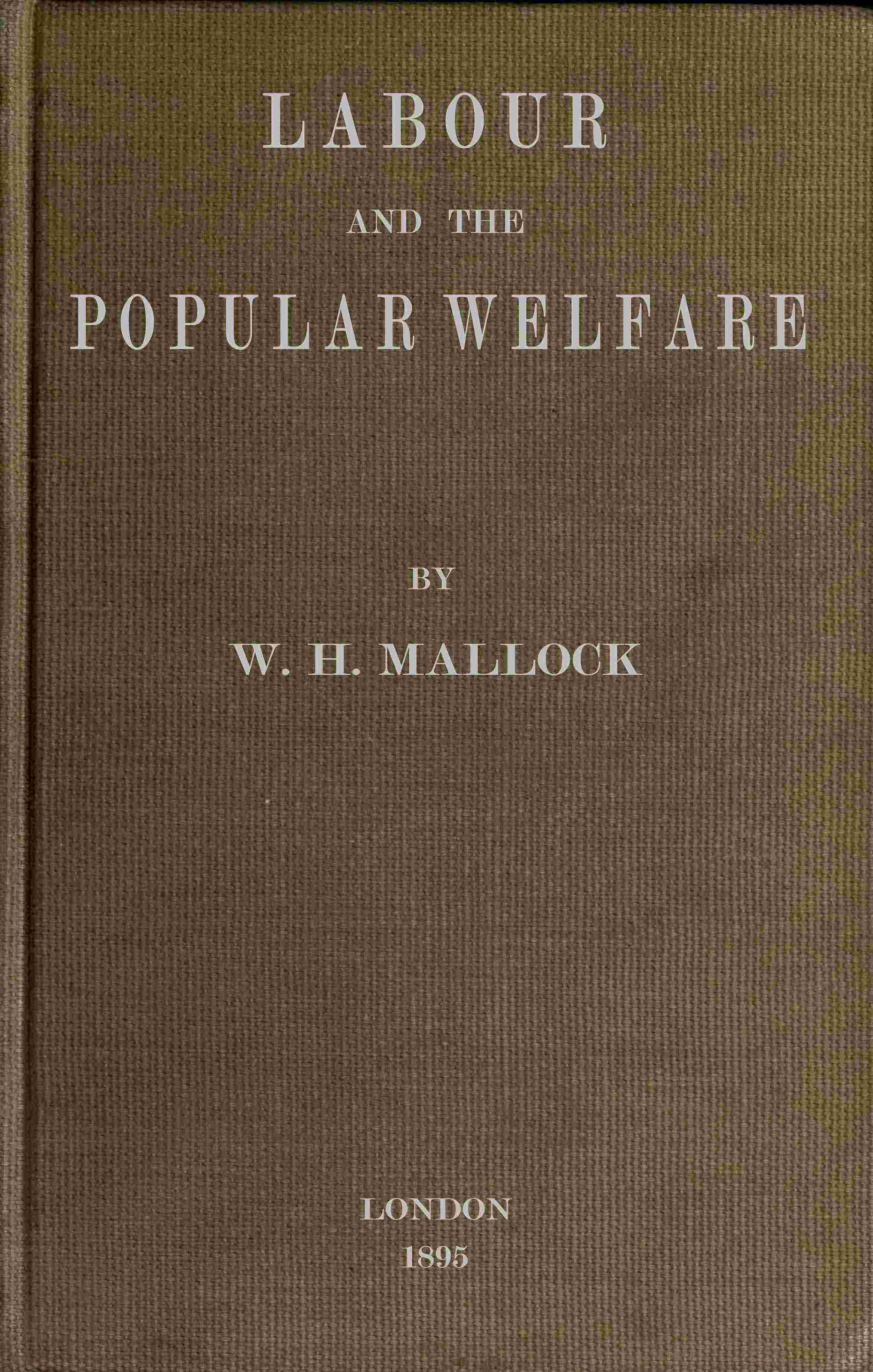
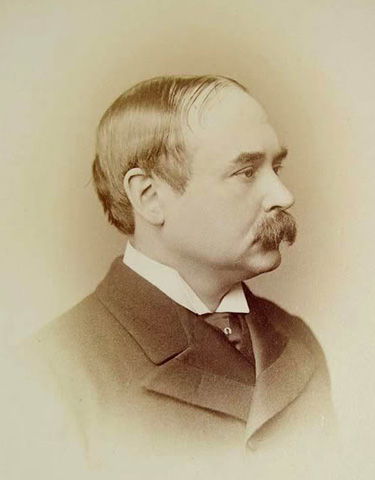
First published in the 1890s, this sharp polemic enters the fierce debates over labour, wealth, and the proper scope of social reform that gripped late Victorian Britain. Mallock, a tireless defender of property and individual initiative against the rising tide of socialist thought, dissects the economic arguments of his radical contemporaries with considerable intellectual ferocity. He contends that the nation's welfare rests not on collective schemes or redistributive schemes, but on the incentives created by personal income and private property. The book intervenes in the heated discussions about what role the state should play, whether wealth could be fairly distributed, and what obligations the comfortable owed the poor. Mallock writes for readers who suspect that reformist enthusiasm might be undermining the very foundations of prosperity. Though firmly of its moment, the book speaks to any era wrestling with the same tensions between economic justice, individual liberty, and the limits of political remedy.
Editions

Link to this book
Add a free, dofollow link to Lex on your blog, forum, syllabus, or reading list.

<a href="https://lex-books.com/book/labour-and-the-popular-welfare-418057a1-d19c-42b9-96da-0a6f24a5906c"><img src="https://lex-books.com/badges/read-on-lex.svg" alt="Read Labour and the Popular Welfare by W. H. Mallock free on Lex" width="160" height="40"></a>[](https://lex-books.com/book/labour-and-the-popular-welfare-418057a1-d19c-42b9-96da-0a6f24a5906c)[url=https://lex-books.com/book/labour-and-the-popular-welfare-418057a1-d19c-42b9-96da-0a6f24a5906c][img]https://lex-books.com/badges/read-on-lex.svg[/img][/url]Read Labour and the Popular Welfare by W. H. Mallock free on Lex: https://lex-books.com/book/labour-and-the-popular-welfare-418057a1-d19c-42b9-96da-0a6f24a5906cCite this book
Reading this edition for a paper or guide? Copy a citation.
Mallock, W. H.. Labour and the Popular Welfare. Lex, lex-books.com/book/labour-and-the-popular-welfare-418057a1-d19c-42b9-96da-0a6f24a5906c.Mallock, W. H. (n.d.). Labour and the Popular Welfare. Lex. https://lex-books.com/book/labour-and-the-popular-welfare-418057a1-d19c-42b9-96da-0a6f24a5906cMallock, W. H.. Labour and the Popular Welfare. Lex. https://lex-books.com/book/labour-and-the-popular-welfare-418057a1-d19c-42b9-96da-0a6f24a5906c.