
W. H. Mallock
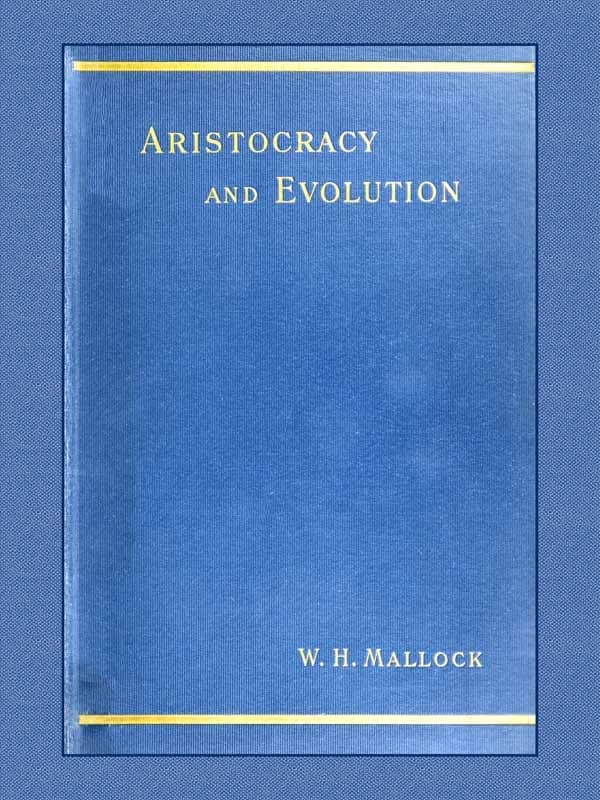
W. H. Mallock was an English novelist, essayist, and social critic known for his exploration of philosophical and social themes in the late 19th and early 20th centuries. Born in 1849, Mallock's early life was marked by a strong education, which laid the groundwork for his later literary pursuits. He gained prominence with his novel 'The New Republic' (1877), a satirical examination of socialism and utopian ideals that challenged contemporary political thought. His works often reflected his skepticism towards the prevailing social and political movements of his time, particularly the rise of socialism and the decline of traditional values. Mallock's literary significance lies in his ability to blend fiction with philosophical discourse, making complex ideas accessible to a broader audience. His other notable works include 'A Human Document' (1892) and 'The Heart of Life' (1898), which further delve into the intricacies of human experience and societal change. Despite facing criticism for his views, Mallock's writings contributed to the intellectual debates of his era, influencing both literary and political thought. His legacy is that of a provocative thinker who engaged with the pressing issues of his time, leaving behind a body of work that continues to be studied for its insights into the human condition and societal dynamics.
Books from the author














Link to this page
Add a free, dofollow link to Lex on your blog, forum, syllabus, or reading list.

<a href="https://lex-books.com/author/w-h-mallock"><img src="https://lex-books.com/badges/read-on-lex.svg" alt="W. H. Mallock on Lex" width="160" height="40"></a>[](https://lex-books.com/author/w-h-mallock)[url=https://lex-books.com/author/w-h-mallock][img]https://lex-books.com/badges/read-on-lex.svg[/img][/url]W. H. Mallock on Lex: https://lex-books.com/author/w-h-mallock