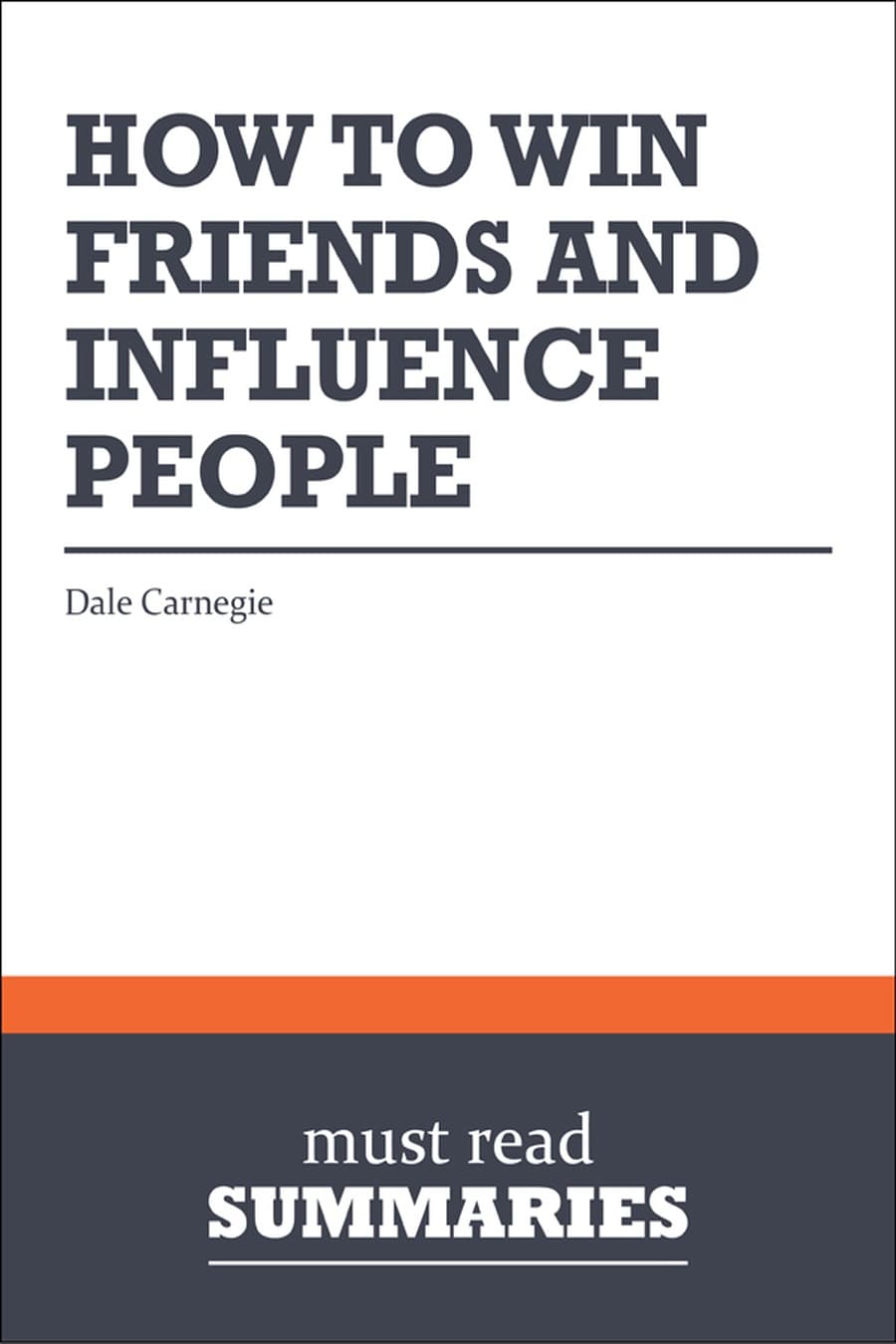
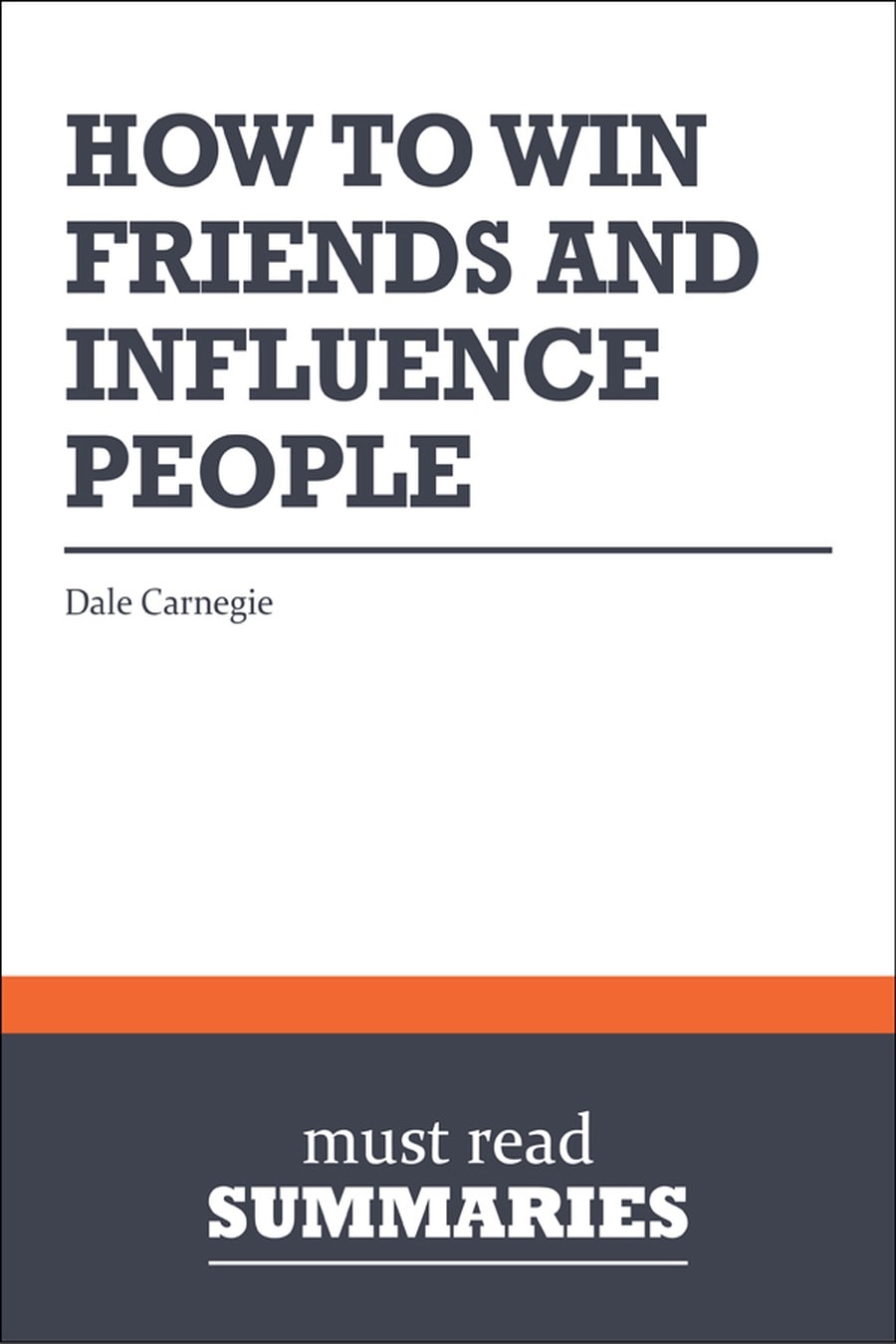
How to Win Friends and Influence People (Comprehensive Summary)
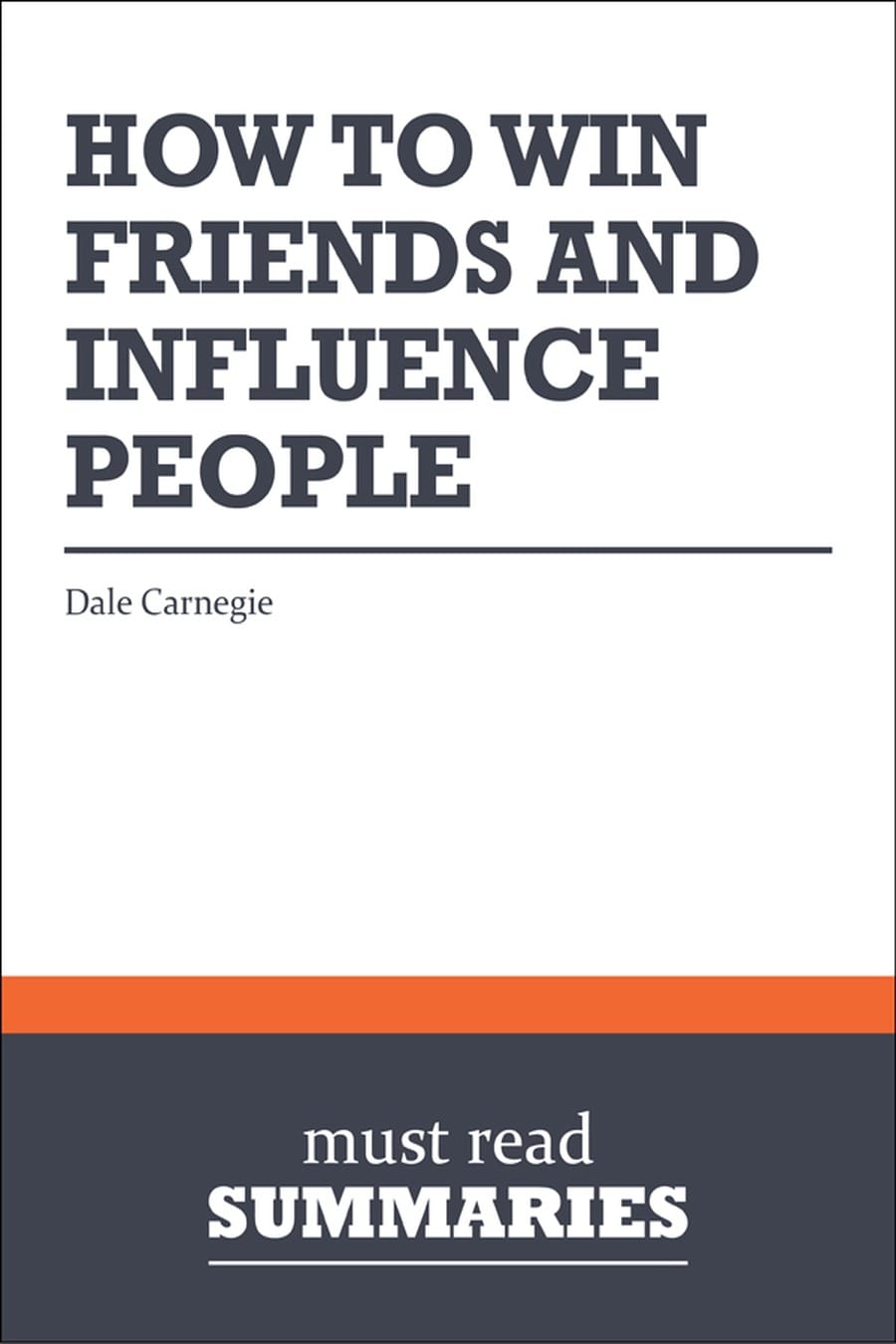
How to Win Friends and Influence People, authored by Dale Carnegie, is a seminal self-help book first published in 1936 that focuses on interpersonal skills and effective communication. Carnegie emphasizes the importance of empathy, understanding, and genuine interest in others as key components to building lasting relationships and influencing people positively. The book covers various principles such as the importance of listening, the power of a person's name, and techniques for resolving conflicts. Its significance lies in its timeless advice, which has helped millions improve their social skills and professional interactions. This Lexicon distills the key ideas into original prose, making the insights accessible and practical for modern readers.
Editions


X-Ray
The author and narrator who distills and presents the principles of effective interpersonal relationships and influence.
An example cited to illustrate the profound impact of genuine appreciation on an individual's life and development.
A psychologist cited by Carnegie to emphasize the challenges faced by those who lack genuine interest in others.
A successful magazine editor referenced for his ability to build relationships with influential figures through active listening and genuine interest.
About How to Win Friends and Influence People (Comprehensive Summary)
Chapter Summaries
- 1
- This chapter distills Carnegie's fundamental techniques for interpersonal relationships, emphasizing the avoidance of criticism, the power of sincere appreciation, and the importance of understanding others' desires. It introduces six strategies for likability—genuine interest, smiling, remembering names, listening, discussing others' interests, and making them feel important—alongside advice on winning others over without argument and effective leadership principles. Ultimately, it provides practical tools for enhancing interactions and influencing others positively.
- 2
- Carnegie argues that criticism is counterproductive, breeding resentment and defensiveness, and instead advocates for self-improvement and understanding others' deep-seated desires for importance. He distinguishes genuine appreciation from flattery, using examples like Stevie Wonder, and stresses viewing situations from others' perspectives to align communication with their goals. The chapter emphasizes that influencing others lies in helping them achieve their own objectives and allowing them ownership over ideas.
- 3
- This chapter outlines six essential strategies for fostering likability and building meaningful connections, starting with showing genuine interest in others and the impact of a cheerful smile. It highlights the significance of remembering and using people's names, the art of being a good listener, and the importance of discussing topics that matter most to others. The final strategy is making others feel important, reinforcing their self-worth and strengthening relationships.
Key Themes
- Empathy and Understanding
- This theme manifests through Carnegie's consistent emphasis on viewing situations from others' perspectives, understanding their desires, and acknowledging their feelings. It is presented as the foundation for building rapport, resolving conflicts, and effectively influencing behavior by aligning with others' motivations.
- The Power of Appreciation and Praise
- Carnegie highlights sincere appreciation and praise as fundamental tools for fostering goodwill and motivating individuals. He argues that genuine recognition of others' worth and efforts is far more effective than criticism in encouraging positive behavior and strengthening relationships.
- Avoiding Criticism and Conflict
- A core tenet of the book is the detrimental nature of criticism, condemnation, and arguments, which are shown to breed resentment and defensiveness. Carnegie advocates for a constructive, gentle approach that prioritizes self-improvement and seeks common ground over confrontation.
Characters
- Dale Carnegie(narrator)
- The author and narrator who distills and presents the principles of effective interpersonal relationships and influence.
- Stevie Wonder(supporting)
- An example cited to illustrate the profound impact of genuine appreciation on an individual's life and development.
- Alfred Adler(supporting)
- A psychologist cited by Carnegie to emphasize the challenges faced by those who lack genuine interest in others.
- Edward Bok(supporting)
- A successful magazine editor referenced for his ability to build relationships with influential figures through active listening and genuine interest.
- Martin Luther King Jr.(supporting)
- A historical figure cited to underscore the importance of tact and humility when engaging in discussions and disagreements.
- Socrates(supporting)
- An ancient Greek philosopher whose method of starting with points of agreement is advocated by Carnegie for winning people over.
Link to this book
Add a free, dofollow link to Lex on your blog, forum, syllabus, or reading list.

<a href="https://lex-books.com/book/how-to-win-friends-and-influence-people-comprehensive-summary-0874ad3d-8b1c-5fc9-8553-6fd52295598f"><img src="https://lex-books.com/badges/read-on-lex.svg" alt="Read How to Win Friends and Influence People (Comprehensive Summary) by Dale Carnegie free on Lex" width="160" height="40"></a>[](https://lex-books.com/book/how-to-win-friends-and-influence-people-comprehensive-summary-0874ad3d-8b1c-5fc9-8553-6fd52295598f)[url=https://lex-books.com/book/how-to-win-friends-and-influence-people-comprehensive-summary-0874ad3d-8b1c-5fc9-8553-6fd52295598f][img]https://lex-books.com/badges/read-on-lex.svg[/img][/url]Read How to Win Friends and Influence People (Comprehensive Summary) by Dale Carnegie free on Lex: https://lex-books.com/book/how-to-win-friends-and-influence-people-comprehensive-summary-0874ad3d-8b1c-5fc9-8553-6fd52295598fCite this book
Reading this edition for a paper or guide? Copy a citation.
Carnegie, Dale. How to Win Friends and Influence People (Comprehensive Summary). Lex, lex-books.com/book/how-to-win-friends-and-influence-people-comprehensive-summary-0874ad3d-8b1c-5fc9-8553-6fd52295598f.Carnegie, D. (n.d.). How to Win Friends and Influence People (Comprehensive Summary). Lex. https://lex-books.com/book/how-to-win-friends-and-influence-people-comprehensive-summary-0874ad3d-8b1c-5fc9-8553-6fd52295598fCarnegie, Dale. How to Win Friends and Influence People (Comprehensive Summary). Lex. https://lex-books.com/book/how-to-win-friends-and-influence-people-comprehensive-summary-0874ad3d-8b1c-5fc9-8553-6fd52295598f.